Since 2022, the United States has begun to restrict our chip supply, initially prohibiting the purchase of high-end lithography machines and EDA software, and even directly banning the sale of NVIDIA’s A100 and H100 chips. At that time, domestic AI companies faced a sudden shortage of computing power, causing widespread concern. By 2023, they further tightened restrictions, adding immersion lithography and high-bandwidth memory to the control list, and even the downgraded A800 and H800 were not spared. TSMC also complied, refusing to manufacture chips below 7nm for Chinese companies using American technology.
From the end of 2024 to 2025, the U.S. further tightened technology restrictions on China, including high-voltage direct current equipment and scanning electron microscopes in the control scope. NVIDIA stopped supplying related spare parts, and by May 2025, the U.S. prohibited cloud service companies from using domestically produced Ascend 910B chips. In November of the same year, some mature process equipment was also added to the export control list, and Lam Research terminated maintenance services. These measures have exceeded the scope of general sanctions and are essentially an attempt to comprehensively suppress the development space of China’s semiconductor industry.
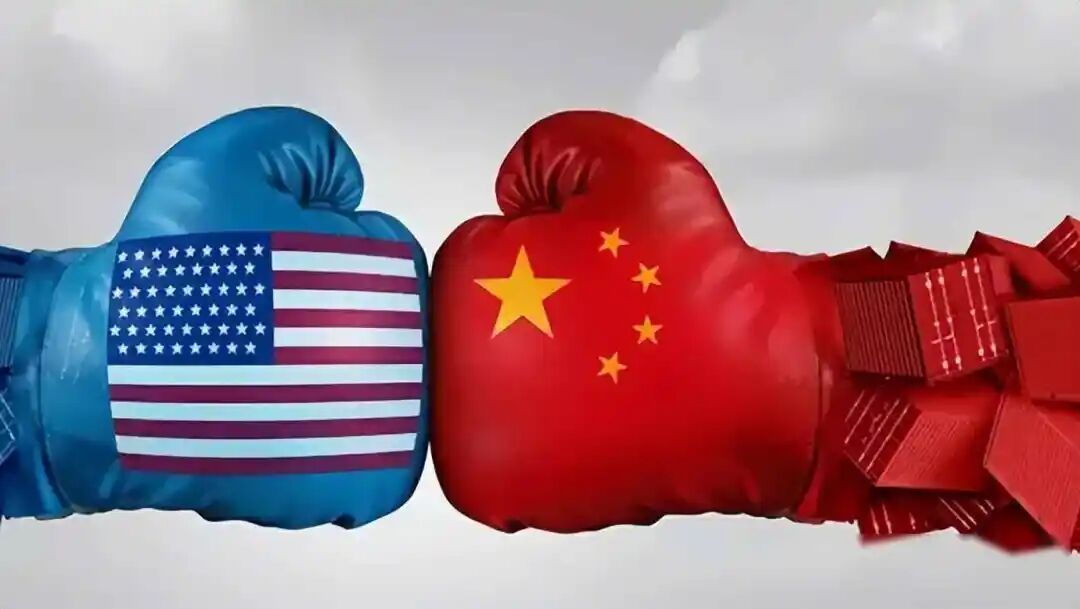
However, we did not passively wait. The production capacity of domestically produced chips below 14nm increased from less than 15% in 2022 to nearly 30% by 2025. Companies like Huahong actively expanded production, and equipment above 28nm can basically be solved independently. The 5nm process has also entered the pilot test stage. However, the reality is that using mature processes to train large models incurs high electricity costs, spending 30% to 40% more than other methods, and funding is not easily obtained. Continuing to consume in this way is unsustainable for anyone.
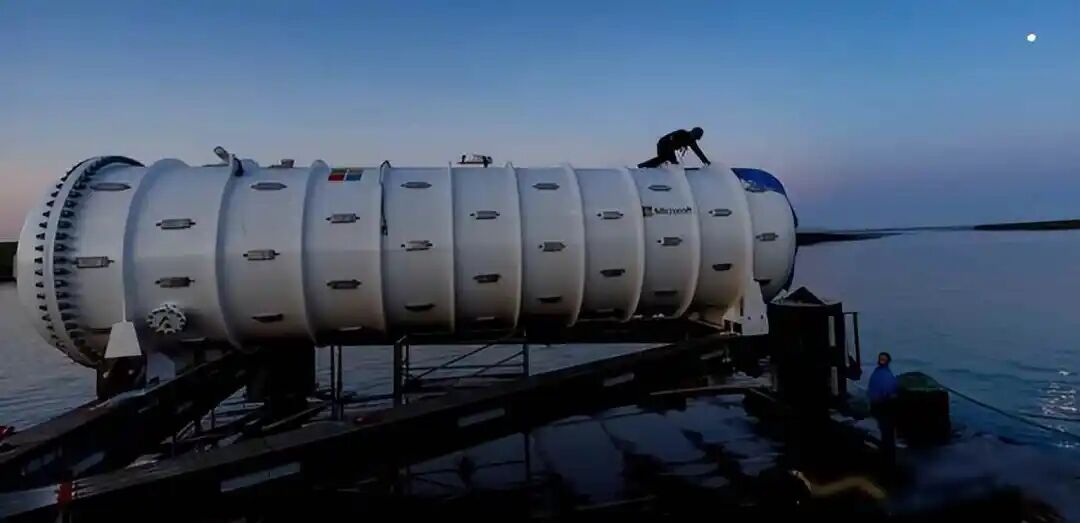
At this point, someone thought of a solution: submerging data centers underwater. In November 2023, Hailanxin Company placed a 1300-ton chamber 35 meters deep near Lingshui, Hainan, utilizing seawater for natural cooling, reducing the PUE value to 1.07 and saving 40% of electricity. By the end of 2024, it began commercial operation with excellent results. In February 2025, Hainan added a new chamber containing over 400 servers, capable of withstanding typhoons of level 17, which only surfaces for maintenance once every five years. By October, a larger project was established in Shanghai Lingang, powered directly by offshore wind energy and cooled by seawater, achieving a power output of 24 megawatts, with 97% of the electricity coming from wind power and a PUE of only 1.05. The construction speed was faster than on land, and costs were reduced by half.

There are now over 300 underwater data center chambers in operation or under construction nationwide, with a total computing power reaching ten EFLOPS. The facilities in Hainan and Shanghai have achieved interconnectivity, gradually forming a domestic intelligent computing network. This development has actually been driven by external conditions; due to the obstruction in purchasing high-end chips, we turned to placing servers underwater, utilizing natural conditions to reduce operational costs.
On November 5, 2025, the state issued new regulations stating that all newly built data centers receiving financial support cannot use foreign AI chips. Existing projects can apply for special permits, but new projects are completely prohibited. Domestic chips such as Ascend, Biren, and Cambricon have become the only options. Although developers have expressed continuous complaints, they can only start adjusting their code, and the toolchain is also being learned intensively.
Conditions abroad are also challenging. Southeast Asia and India have built some assembly plants to circumvent restrictions, but key equipment is still controlled by ASML. The Netherlands aligns with the U.S. stance and shows no signs of concession. Companies like Applied Materials and KLA have seen reduced profits in China, leading to tighter R&D budgets. NVIDIA and Intel’s stock prices continue to decline, and shareholders are beginning to express dissatisfaction.
Our approach is quite interesting; instead of stubbornly pursuing advanced processes, we are using energy and engineering advantages to bridge the technological gap. Wind power is low-cost, seawater is free, and there is no need for land acquisition for underwater facilities, with a simplified approval process. As a result, computing costs have decreased by 35%, and training efficiency is higher than solutions relying on imported chips. The speed of model iteration has not slowed down; in fact, it has accelerated. Most importantly, from the chamber to the underwater cables, from wind power integration to maintenance by underwater robots, the entire industrial chain is domestically produced, completely unaffected by external restrictions.
To be honest, this situation is indeed remarkable. Originally, we were blocked with no way out, but through the use of seawater and wind power, we found a new way forward. The technological blockade did not crush us; instead, it forced us to find more practical and manageable solutions. Sometimes, this may be the true essence of Chinese manufacturing—not relying on others, but solving problems through our own ingenuity.