The Smart Home Craze: Whole Home or Individual Devices?
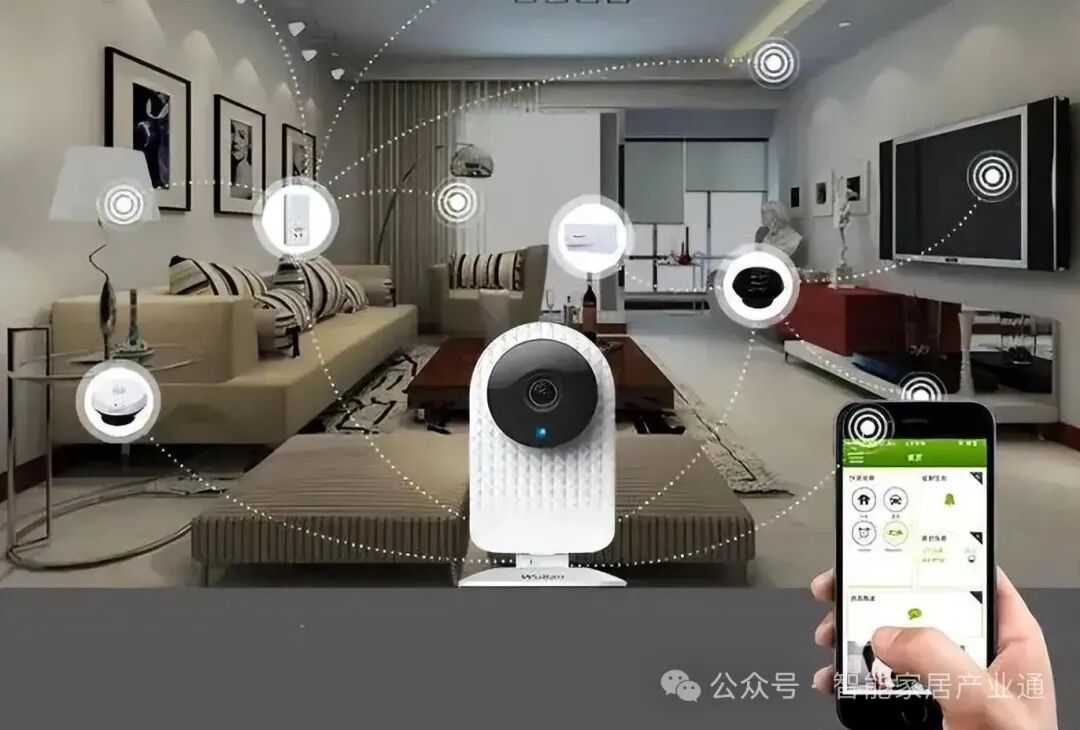 In the morning, you are gently awakened by soft music, the curtains automatically open, and sunlight gently pours into the room; after leaving for work, the security system quietly activates, and the robot vacuum begins its diligent work; before you return home, the air conditioning has already adjusted to a comfortable temperature, and the water heater is ready for your shower… Today, smart homes have integrated into our lives, bringing us unprecedented convenience.
In the wave of smart homes, whole home automation and individual smart devices have become the focus of many consumers. Whole home automation seems like a caring butler, capable of comprehensively controlling all devices in the home, achieving intelligent management; while individual smart devices act like flexible little assistants, each playing a unique role in their respective domains.
Whole Home Automation: An Integrated Smart Life
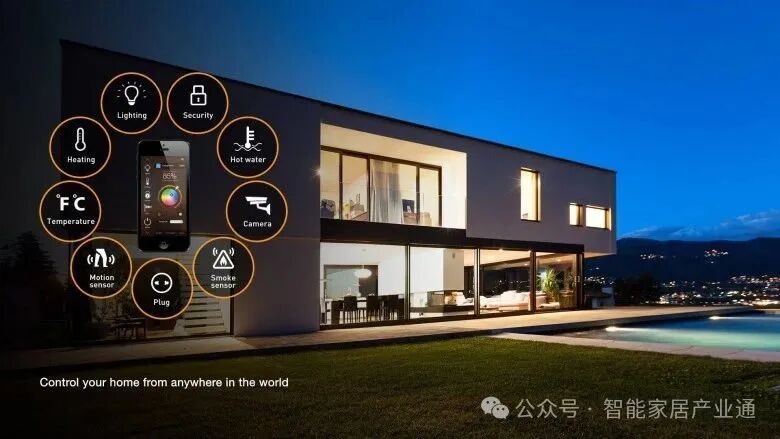 (1) What is Whole Home Automation?
Whole home automation refers to the integration of various subsystems in the home, such as lighting systems, security systems, home appliances, and audio-visual entertainment, into an organic and unified network system through cutting-edge technologies like the Internet of Things, cloud computing, and big data, thereby achieving comprehensive automation and intelligent management of the home environment. In this system, the smart gateway serves as the core hub, responsible for collecting, processing, and transmitting data from various devices; smart controllers automatically adjust the operation status of home devices based on user preferences; and smart sensors monitor environmental changes in real-time, such as temperature, humidity, and light intensity, providing precise data support for the system’s intelligent decision-making.
When you step into your home, you are greeted by warm lights that automatically turn on, a room adjusted to a comfortable temperature, and soothing music that plays automatically. These scenes, once only seen in science fiction movies, are now part of our daily lives thanks to whole home automation.
(2) Advantages of Whole Home Automation
- Convenience and ComfortThe convenience and comfort of whole home automation are astonishing. Through a mobile app or smart voice assistant, you can easily control all devices in your home remotely. On your way home from work, you can turn on the air conditioning and water heater in advance, so that you can enjoy a warm and comfortable environment and a hot shower as soon as you arrive. You can also switch between various scene modes with one click; in “Home Mode,” the lights automatically turn on, the curtains gently open, and the air conditioning adjusts to a suitable temperature; in “Movie Mode,” the lights dim, the curtains close, and the projector and sound system turn on, creating a cinema-level audio-visual feast, truly allowing life to be at your command.
- High AutomationThe high level of automation in whole home automation is a major highlight. With the help of various sensors and the interconnection of smart devices, home equipment can operate automatically. When a motion sensor detects someone entering a room, the lights automatically turn on; when leaving the room, the lights automatically turn off. Smart locks detect when the owner returns home and automatically open the door while triggering other devices to enter welcome mode. When it rains, window sensors detect rainwater and automatically close the windows to prevent rain from wetting indoor items. These automated scenarios not only make life more convenient but also effectively save energy, making life greener and more environmentally friendly.
- Personalized CustomizationEveryone’s living habits and needs are different, and the whole home automation system fully considers this, providing users with highly personalized customization services. You can customize various smart scenes and device operation logic according to your lifestyle and preferences. For those who like to exercise early in the morning, you can set a “Wake-Up Mode” that gradually brightens the lights, plays cheerful music, and starts the coffee machine to brew a rich cup of coffee; for those who enjoy reading at night, you can customize a “Reading Mode” that adjusts the light brightness and color temperature to create a tranquil and comfortable reading atmosphere.
(3) Disadvantages of Whole Home Automation
- High CostThe cost of whole home automation systems is relatively high, which is one of the main reasons many consumers hesitate. In addition to needing to purchase various smart devices, such as smart speakers, smart cameras, smart switches, and smart appliances, there are also professional installation and debugging costs involved. Some high-end whole home automation systems require a central control system and smart gateway, which can be quite expensive. The maintenance costs in the future should not be overlooked; if a device malfunctions, it may require a professional technician to come for repairs, and the costs for repairs and replacement parts can be high.
- Technical Barriers and Compatibility IssuesInstalling and using a whole home automation system requires a certain level of technical knowledge. For users who are not very familiar with smart devices and new technologies, they may encounter difficulties in connecting devices, setting them up, and programming scenes. There are also compatibility issues between smart devices from different brands and manufacturers. Due to the lack of unified industry standards, some devices may not achieve seamless integration and interaction, which can cause some inconvenience for users.
- Dependence on Network and StabilityWhole home automation systems have a high degree of dependence on the network. If there is a network failure at home, smart devices may not function properly, leading to a complete breakdown of the smart system. Unstable network signals can also affect the response speed and control effectiveness of devices, resulting in delays or commands that cannot be executed. The stability of the smart system itself is also under scrutiny, as it may occasionally experience software bugs or system crashes, requiring timely updates and repairs.
Individual Smart Devices: A Flexible Smart Experience
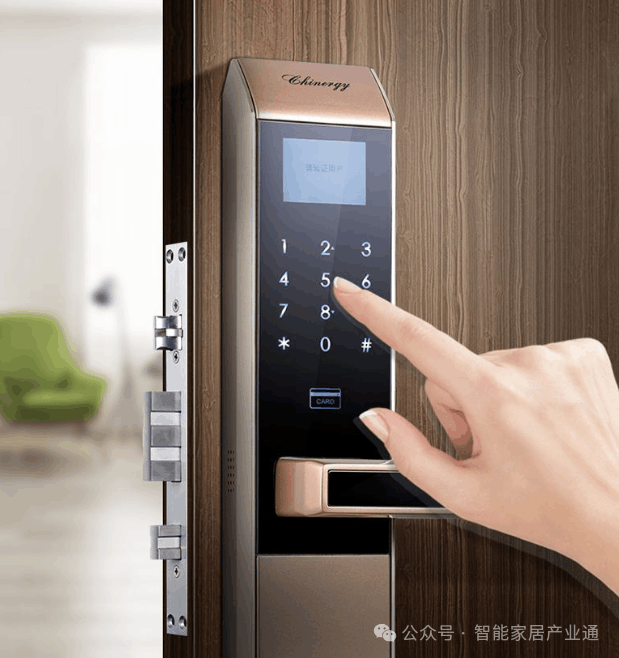 (1) Introduction to Individual Smart Devices
Individual smart devices refer to standalone smart devices that have independent functions and do not rely on complex system integration to bring convenience to our lives. For example, smart speakers can play music, query information, and set alarms through voice commands; smart locks provide multiple unlocking methods, allowing us to say goodbye to the hassle of forgetting keys; smart cameras help us monitor the home situation in real-time, ensuring family safety. These smart devices act like little guardians in our homes, each shining in their respective roles.
(2) Advantages of Individual Smart Devices
- Low Barrier to EntryIndividual smart devices are usually priced affordably, with some costing only a few hundred or even tens of yuan, such as smart plugs and smart bulbs. The purchasing and installation process is also very simple, requiring no professional assistance, allowing users to easily set them up themselves. This enables more people to experience the convenience of smart homes at a lower cost, taking the first step into smart home living.
- Flexible ChoicesIn the world of individual smart devices, you can freely choose the devices you like based on your actual needs and preferences. If you love music, you can get a smart speaker; if you prioritize home security, you can install smart locks and smart cameras; if you want to conveniently control appliances, smart plugs and smart remotes are good options. You don’t have to worry about overall planning and compatibility issues; you can easily swap or add devices to create your personalized smart life.
- Easy InstallationMost individual smart devices use wireless connections, making them plug-and-play without the need for complicated wiring. Even renters can easily install and use them, and they can take them along when moving. For example, a smart camera can simply be fixed in a suitable position and connected to the home’s wireless network, allowing real-time monitoring through a mobile app.
(3) Disadvantages of Individual Smart Devices
- Single FunctionalityAlthough individual smart devices perform excellently in their respective fields, their functionality is relatively limited. Smart speakers are mainly used for voice interaction and audio playback, making it difficult to achieve comprehensive control over other appliances; smart locks can only manage access control and cannot interact with lighting, curtains, or other devices. If you want to achieve complex smart scenarios, relying solely on individual smart devices is far from sufficient.
- Lack of Systematic IntegrationDifferent brands and types of individual smart devices often come from different manufacturers, lacking unified standards and protocols, making it difficult to form a cohesive whole. This leads to challenges in achieving seamless integration and intelligent interaction between devices, requiring users to operate different devices separately, resulting in a fragmented experience.
- Multiple App Management IssuesTo control different individual smart devices, users need to download multiple corresponding apps. The phone’s home screen can become cluttered with various smart device control apps, occupying memory and making operations cumbersome. If you want to control a smart speaker, smart camera, and smart air conditioning simultaneously, you need to switch back and forth between different apps, reducing convenience.
How to Choose: The Best Option is the One That Suits You
(1) Start from Your Budget
- Limited Budget (Low Budget)If your budget is tight, individual smart devices are a more suitable choice. Start with some affordable smart devices, such as smart speakers, smart bulbs, and smart plugs, to gradually experience the convenience of smart homes. A smart speaker may only cost a few hundred yuan, allowing you to control music playback and query information through voice commands; smart bulbs can be purchased for tens of yuan, easily replacing traditional bulbs to achieve smart lighting control. These devices are not only cost-effective but also easy to install, allowing you to experience the charm of smart homes at a low cost.
- Moderate BudgetWith a moderate budget, you can consider implementing smart features in key areas or devices, combining individual smart devices with partial whole home automation. For example, you can install a smart TV, smart speaker, and smart curtains in the living room to create a small area for smart audio-visual entertainment and comfortable environment adjustment; or install a smart mattress, smart air conditioning, and smart lighting in the bedroom to enhance sleep quality and convenience. This way, you can enjoy a certain level of smart living experience without exceeding your budget.
- Generous Budget (High Budget)If you have a generous budget and seek the ultimate smart living experience, a whole home automation system is undoubtedly the best choice. It can create a highly integrated, automated, and personalized smart living space, allowing you to enjoy convenient, comfortable, and safe home life anytime, anywhere. Although the initial investment is high, the long-term improvement in quality of life and convenience is unparalleled.
(2) Consider the Condition of Your Home
- New Home RenovationFor users renovating a new home, whole home automation has unique advantages. During the renovation process, you can plan wiring in advance, cleverly hiding the lines of smart devices within walls and floors, avoiding the clutter caused by exposed wiring later, making the home environment tidier and more aesthetically pleasing. You can also design a comprehensive smart system based on the layout and functional zoning of the house, ensuring that devices in every room and corner can achieve seamless interaction, creating a truly integrated smart living space.
- Old Home RenovationChoosing whole home automation for old home renovations may face challenges such as wiring difficulties and device compatibility, making the renovation more complex and costly. In this case, the flexibility of individual smart devices becomes apparent. You can selectively install some smart devices based on actual needs without large-scale modifications to wiring and layout. If you want to achieve smart lighting control, simply replace traditional bulbs with smart bulbs or switches; if you want to monitor home security, just install a smart camera to easily add smart elements to an old home.
(3) Combine with Lifestyle Habits
- Pursuing ConvenienceIf you are someone who values convenience in life and wants to control all devices in your home through simple operations, enjoying a one-click smart life, then a whole home automation system can better meet your needs. With a smart control panel or mobile app, you can easily manage various devices such as lights, curtains, air conditioning, and TVs, and set up various automated scenes to make life more efficient and convenient.
- Emphasizing Personalized NeedsEveryone’s living habits and preferences are different. If you have unique personalized needs for your home life, such as wanting devices to operate according to your wishes at specific times and in specific scenarios, the powerful customization features of a whole home automation system can create exclusive smart living scenes for you. If you enjoy being awakened by soft lights and soothing music in the morning while the coffee machine brews coffee, the whole home automation system can easily achieve this personalized “Wake-Up Mode.”
- Low Demand for Smart FeaturesIf your demand for smart home features is not particularly strong and you just want to experience the convenience brought by smart technology in certain aspects, such as easily turning lights on and off or remotely checking home conditions, then choosing a few practical individual smart devices will be sufficient. You can purchase smart bulbs for remote control and timed switching of lights; install a smart camera to keep track of home dynamics. This way, you can meet basic smart needs without spending too much time and money.
Conclusion and Outlook
Both whole home automation and individual smart devices inject vitality into our lives in their unique ways. Whole home automation, with its highly integrated system, comprehensive automation, and personalized customization, creates a dreamlike smart living space for users pursuing high quality and convenience; individual smart devices, with their low barriers to entry, flexibility, and easy installation, allow more people to easily open the door to smart home living. In the rapidly developing smart home landscape, whether you ultimately choose whole home automation, individual smart devices, or a combination of both, you should base your decision on your actual needs, budget, and lifestyle habits to make the choice that suits you best. The future of smart homes is full of infinite possibilities.
Disclaimer: Images and materials are sourced from publicly available resources on the internet. The writing here is intended to convey industry information. If there are any inaccuracies, please feel free to correct them. If there is any infringement, please contact the author via WeChat to delete the article.