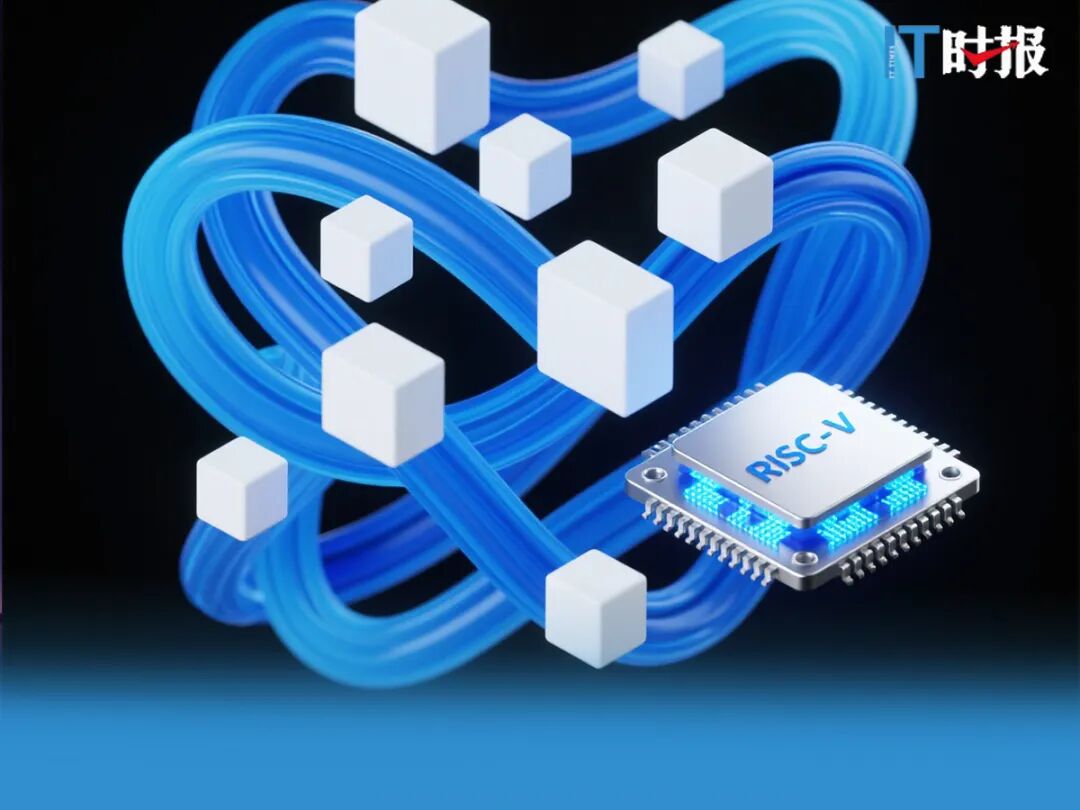
Building an Independent Ecosystem of “Chinese Chips + Chinese Systems”
Author: Lin Fei, IT Times Reporter
Editor: Wang Xin
In May 2025, Huawei launched the MateBook Pro and Fold Extraordinary Master series PCs equipped with HarmonyOS, marking a gradual departure from the Windows system and entering the Harmony era.
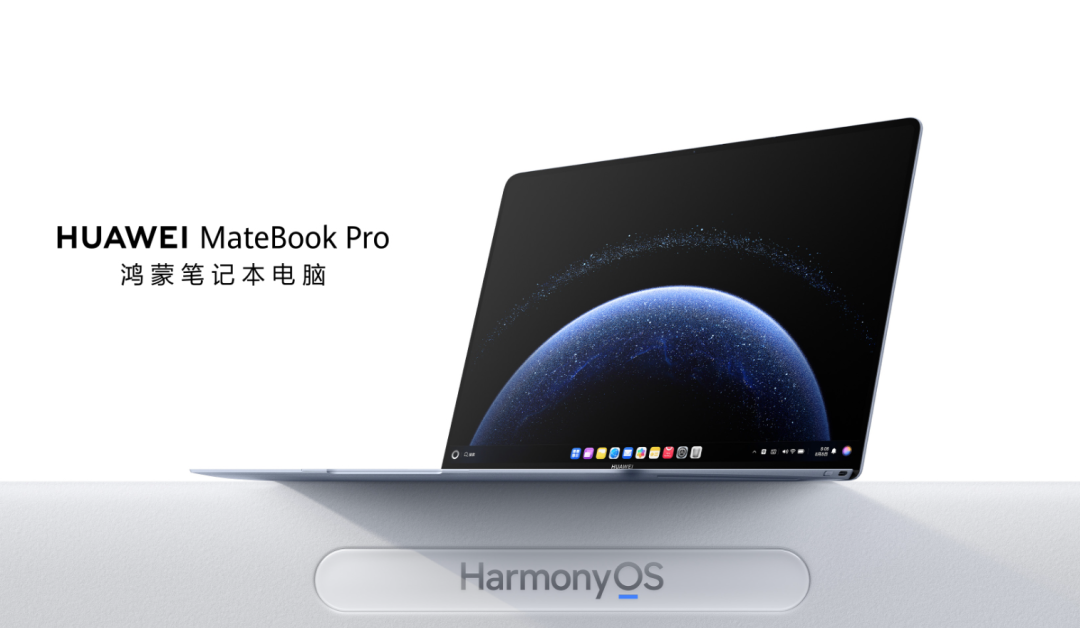
However, it is noteworthy that the Kirin X90 processor used in these two PCs, which adopts the “Taishan V3” architecture, is still based on the ARM instruction set.
Since 2019, ARM has repeatedly halted the authorization of its latest architectures and high-end IP to Chinese companies under the pretext of “complying with export controls.” Although ARM is a subsidiary of Japan’s SoftBank, its headquarters is in the UK, and its technology system contains a large number of American “components.” The high-performance CPU architectures developed by ARM are recognized by the United States as “derived from American technology.”
In 2022, ARM refused to sell its advanced CPU chip design IP—Neoverse V1 and V2 series—to several Chinese companies, including Huawei and Alibaba. Chinese companies relying on ARM for chip design face issues such as performance lag and R&D obstacles, exacerbated by supply chain uncertainties. The U.S. has included ARM technology in its export control list through the “Silicon Fence” strategy, forming a comprehensive blockade from chip architecture authorization to EDA software and advanced process foundry.
Against this backdrop, companies like Huawei are intensifying efforts to promote the collaborative development of HarmonyOS and the open-source RISC-V architecture, systematically reconstructing the ecosystem from hardware architecture to software applications. Through the deep coupling of the Harmony distributed system and RISC-V open-source chips, an independent ecosystem of “Chinese chips + Chinese systems” is being built.
Compared to the currently dominant operating systems on desktop (Windows, MacOS) and mobile (Android, iOS), the advantage of HarmonyOS lies in its core distributed technology, which achieves cross-device resource sharing through soft bus, data management, and task scheduling technologies, forming an organically coordinated intelligent network.
Its microkernel design retains only basic functional modules such as process management and memory management, running other services in “user mode,” significantly reducing the attack surface for vulnerabilities and greatly enhancing system security and stability.
As of now, HarmonyOS has covered various device scenarios including smartphones, tablets, PCs, and automobiles, with over 1 billion ecosystem devices. According to Huawei’s official data, the number of registered developers for HarmonyOS has reached 7.2 million, with over 20,000 applications and meta-services available; the PC side has completed adaptations for 50 dedicated applications and over 1,000 integrated applications, with expectations to support over 2,000 applications by the end of the year, covering core scenarios such as office and design.
Compared to ARM, the biggest advantage of the RISC-V architecture lies in its open-source nature, simplicity, and scalability. Unlike traditional closed-source chip architectures (such as x86 and ARM), the RISC-V instruction set is completely open-source and free of copyright restrictions, allowing any company and developer to use, modify, and commercialize it for free, significantly lowering the threshold and cost of chip R&D.
Companies can design processors independently according to their needs without paying high licensing fees, achieving customized chip development. China occupies 12 of the 25 senior member seats in the RISC-V International Foundation, including Huawei and Alibaba. The China RISC-V Industry Alliance, established in 2018, has over 400 member companies covering the entire chain of chip design, manufacturing, and application.
On a technical level, RISC-V adopts a reduced instruction set, with only about 40 basic instructions. Its modular expansion features, such as vector computing and security instruction modules, can meet diverse scenario needs, demonstrating adaptability advantages in low-power devices, AI computing, and industrial control.
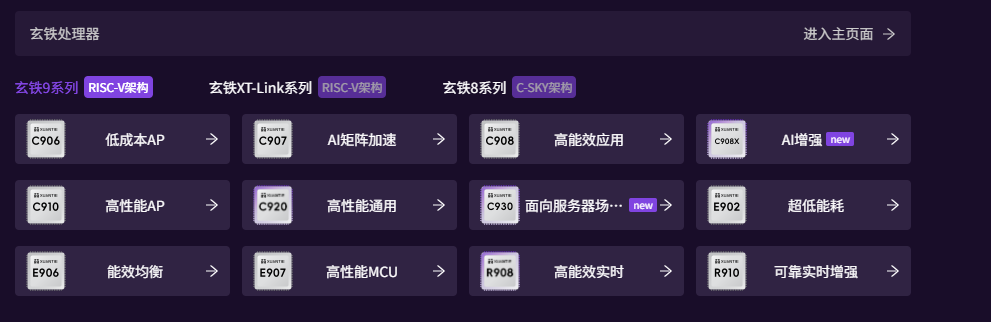
Alibaba’s Xuantie processor has been authorized to over 300 companies, with shipments exceeding 4 billion units, becoming a core IP in the RISC-V field, with Xuantie C930 already entering the server market pilot. The wireless audio chip designed by Zhongke Lanyun based on RISC-V has shipped over 300 million units, accounting for 22% of the global mid-to-high-end TWS headphone chip market. Data shows that by 2024, the shipment of RISC-V chips from Chinese companies is expected to exceed 8 billion units, covering fields such as IoT and automotive electronics.
For the combination of HarmonyOS and RISC-V, the flexibility and scalability of RISC-V can provide strong hardware support for the Harmony system, while the distributed architecture and lightweight characteristics of HarmonyOS can provide a unified software platform for RISC-V devices, reducing development costs and difficulties. The combination of the two is particularly suitable for IoT devices and embedded systems that have high performance and power consumption requirements.
Currently, the integration of HarmonyOS and RISC-V has achieved breakthroughs at the development board level, with the Orange Pi RV2 development board launched by Shenzhen Xunlong successfully running the OpenHarmony system, applicable in smart home and industrial control fields. The MUSE Paper, as the world’s first RISC-V + OpenHarmony dual open-source tablet, has entered pilot projects in government and education sectors. Companies like Softcom have completed adaptations for multiple RISC-V processors, enhancing the adaptability of HarmonyOS in the RISC-V architecture.
Although domestic industries are striving to promote the combination of HarmonyOS and RISC-V, this combination still faces dual challenges when moving towards the consumer market, making it difficult to form a complete ecological closed loop in the short term.
On one hand, there is insufficient software adaptation for the RISC-V architecture, and the performance of mainstream office software and games on related devices needs optimization. Most developers have limited participation due to the novelty of RISC-V technology and the high learning cost of the Harmony development framework. There is a need to increase investment in special funds to support software adaptation, attract talent through developer competitions, and promote the open-source community to improve technical documentation and lower development thresholds.
On the other hand, RISC-V processors lack stability in multi-core collaboration and high-frequency computing scenarios, and the smoothness of multi-task processing in the Harmony system needs improvement. Optimizing RISC-V architecture design, improving HarmonyOS kernel scheduling algorithms, and introducing advanced processes to enhance chip efficiency are three key areas of focus. The market needs to establish a three-in-one strategy of “hardware customization + system optimization + application migration.”
Analysis agency Omdia predicts that by 2030, RISC-V may occupy 25% of the global processor market share. At the current growth rate, the Harmony ecosystem devices are expected to exceed 2 billion units during the same period. If the two can closely integrate, they can form a third major ecological system alongside Wintel and the AA alliance (Android + Arm).
The cooperation between HarmonyOS and RISC-V is not only about technological independence but also about the independence of standards and ecological rules. As former CEO of the RISC-V International Foundation Calista Redmond stated: “As a global standard, RISC-V is not controlled by any single company or country.”
The combination of HarmonyOS and RISC-V is essentially a practice of building an independent ecosystem for China’s technology industry amid the global counterflow, requiring both to demonstrate more determination, courage, and strength to break the technological monopoly.
Layout: Ji Jiaying
Images: Huawei, Alibaba, Doubao AI
Source: IT Times WeChat Official Account vittimes
E N D

What Everyone is Watching
Please add “Star Mark” so you don’t miss us