

In this wireless era, Bluetooth headphones and speakers have become a part of our lives. I used to be one of those who doubted the sound quality of wireless audio, thinking that Bluetooth sound quality might be similar to our call quality, at best just a “convenience”.
It wasn’t until I actually experienced technologies like LDAC, aptX, and LHAC that I realized, wow, Bluetooth can sound this good!
However, let’s be clear: while Bluetooth sound quality is not bad, it has its limits.
So today, let’s have a good discussion about the limitations of these Bluetooth audio protocols and how to break through the sound quality ceiling of Bluetooth to enjoy a higher level of audio experience.
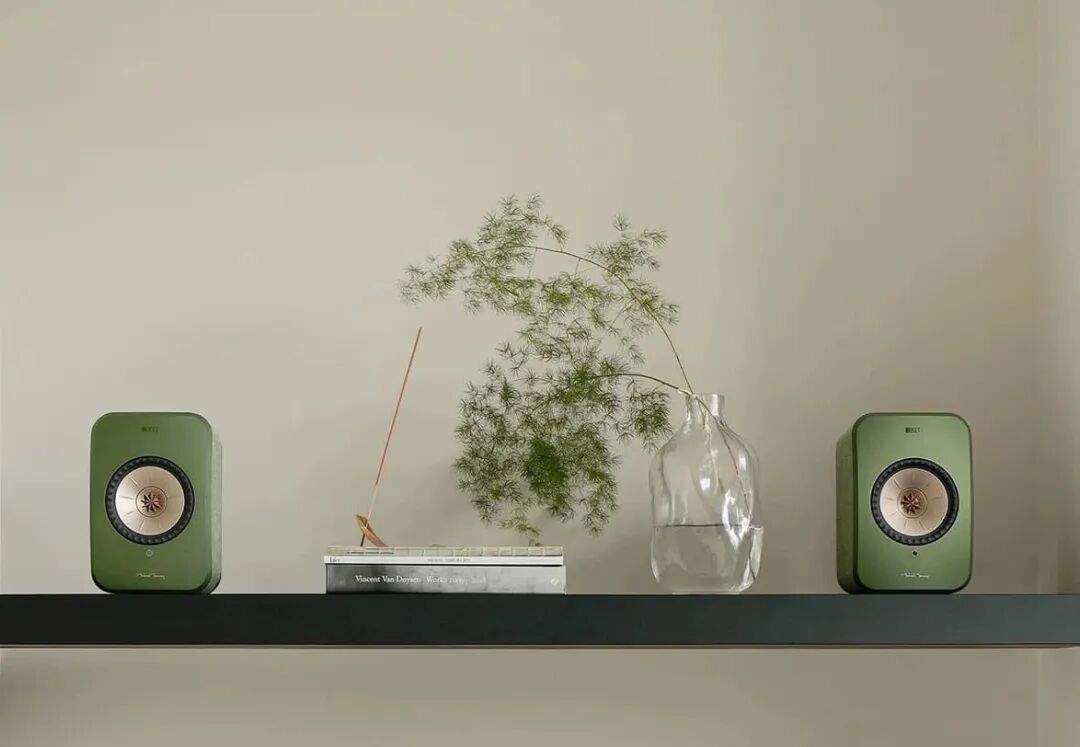


01|Bluetooth Sounds Good, But It Has Limits
I have personally experienced protocols like LDAC, aptX, and LHAC.
If your phone and headphones or speakers support the highest specifications of Bluetooth, and the surrounding wireless signals are not interfering,
listening during commutes, workouts, or while cooking background music can completely meet daily needs.
I personally connect to Bluetooth every morning on my way to work to enjoy a few minutes of personal time with music.
As for workouts, I often use Bluetooth headphones for high-intensity exercise, and the results are quite good.
This does not hinder anything!
But if you have higher demands and want to sit down at home to savor music, then problems arise.
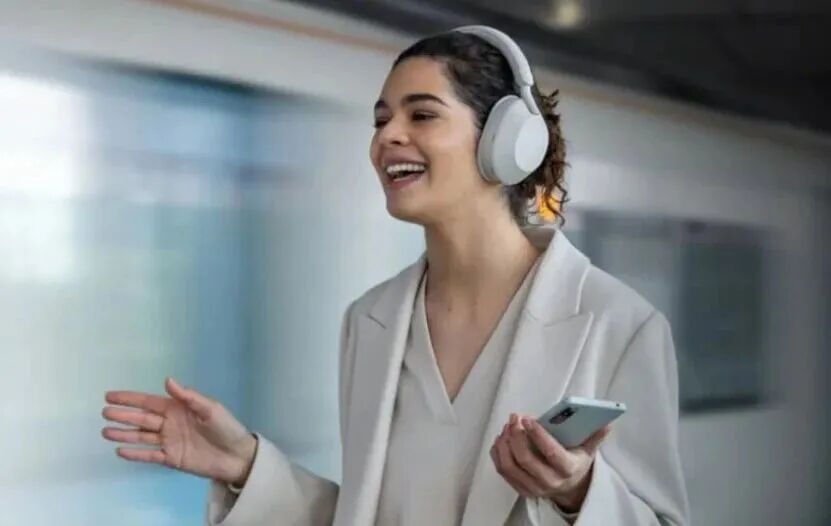
02|What Are the Limits of Bluetooth Sound Quality?
When you sit down and prepare to relax and enjoy music, the limits of Bluetooth become apparent:
There is a slight lack of dynamic range, the tail tones are not rich enough, and the soundstage does not feel as expansive.
You might feel that the music becomes a bit “flat”, lacking in depth.
This is not nitpicking; rather, the transmission and decoding capabilities of Bluetooth are indeed limited, having reached their bottleneck.
Let me give you a vivid analogy: Bluetooth sound quality is like listening to music on a phone with the volume turned up to the max; the speaker is loud enough, but the sound quality still cannot achieve true high fidelity.
You will feel the extension of the notes, but it lacks some depth and layering.
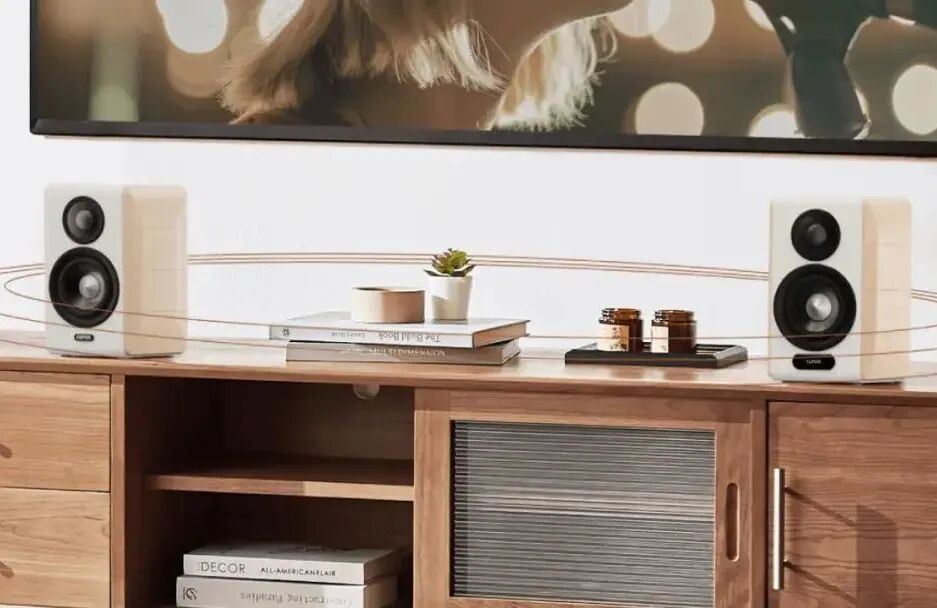
03|How to Maximize Bluetooth Sound Quality?
However, I believe Bluetooth sound quality still has certain potential; as long as you adjust the conditions correctly, it can provide a good listening experience. Here are some tips I have for everyone:
• Set your phone or device’s Bluetooth audio quality to the highest mode
Many people are unaware that the Bluetooth audio quality setting on their phones may default to a standard mode, or even be affected by various built-in sound effects and equalizers. So, the first step is to open the Bluetooth audio quality settings and adjust it to the highest mode of LDAC, aptX, or LHAC to unleash the maximum audio potential of Bluetooth.
• Disable some system sound effects and loudness compensation features
These features often do not enhance sound quality but rather add some “embellishments” that make the music overly processed. It is best to turn off equalizers and loudness compensation to keep the sound as natural as possible, restoring the purest form of music. Moreover, often what you perceive as “rich” or “full” is actually the result of the device’s automatic enhancements, which may not suit every song.
• Control the level of noise cancellation
The noise cancellation feature of Bluetooth headphones may be very useful in noisy environments, but excessive noise cancellation can affect the presentation of sound details. From my personal experience, a balance between appropriate noise cancellation and auditory detail is ideal. Overly aggressive noise cancellation can cause you to lose some of the “airiness” in the music, so moderation is key.
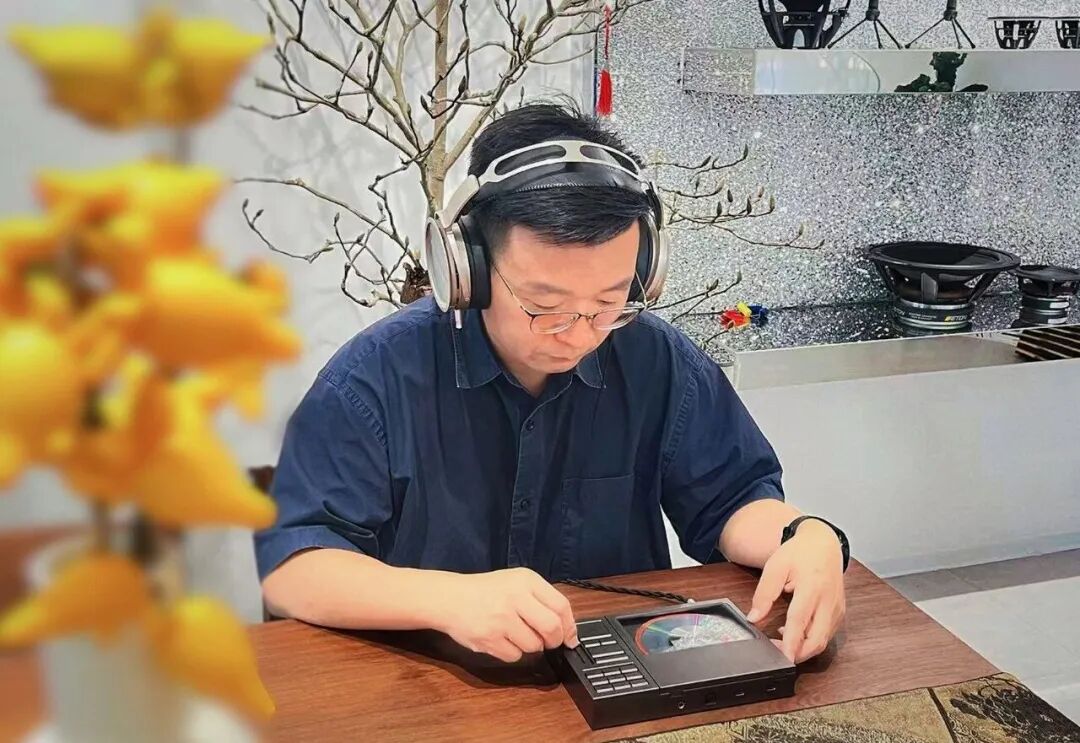
04|For Further Improvement, Wired and WiFi Are More Reliable
I dare say that while Bluetooth sound quality has its limitations, if you want to enjoy music at home, there are ways to break through this “ceiling”.
When you decide to sit down and take some time to enjoy music, Bluetooth may no longer be sufficient.
You will realize that the differences in the presentation of sound quality, spatiality, and detail between Bluetooth and wired or WiFi audio are quite significant.
If you want to further enhance sound quality, consider trying these methods:
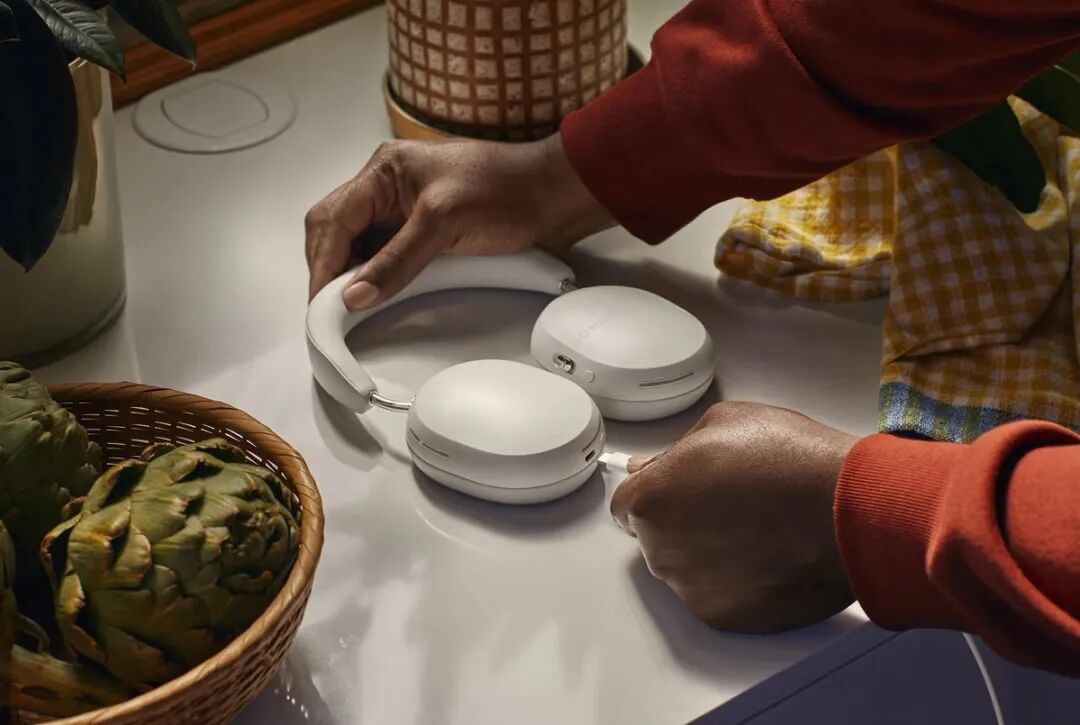
• Wired connection: A suitable headphone or audio cable connection can lead to a qualitative leap in sound quality. Wired devices are not limited by Bluetooth signal transmission, ensuring the most original and pure sound quality.• WiFi playback: By pushing audio signals through a phone, computer, or dedicated digital playback device, WiFi can also provide a more stable and higher fidelity audio experience. Especially for network audio devices, sound quality in a WiFi environment often surpasses that of Bluetooth.
I have personally tried different audio playback methods several times, and every time I switch to wired or WiFi playback, the difference in sound quality becomes immediately apparent—”Oh, so sound quality can be this good!” This is the audio experience that those audiophiles have been pursuing.
05|Bluetooth’s Positioning: Convenient and Good Sound, Wired is the Bottom Line for Serious Music Appreciation
I personally believe that the positioning of Bluetooth sound quality is “convenient and good sounding”.
It is suitable for those seeking convenience in situations like exercising, commuting, or doing housework.
It sounds distortion-free, is stable and usable, and is sufficient for daily needs.
However, if you truly want to sit down at home and enjoy a high-quality music experience, then at least you need to use WiFi, or better yet, a wired audio system.
The true music experience is not just about “good sound quality”; it is about every detail of the music, every sense of space being conveyed to your ears, allowing you to feel the vitality of the music.
Deng’s Perspective:
If we categorize the use of Bluetooth audio into two types: one is “wanting comfort and convenience”, and the other is “wanting to squeeze HiFi out of wireless”, I would prefer to recommend Bluetooth to the former. LDAC, aptX, and LHAC can indeed achieve “pleasant sound without being picky” under good conditions, but their limits are written in the protocols and bandwidth, and trying to break through that ceiling is unrealistic.
Bluetooth is most suitable for commuting, exercising, and doing housework—scenarios where “just enjoy the sound” is sufficient. As long as you set the audio quality mode to the highest, turn off unnecessary sound effects, and avoid excessive noise cancellation, it can be more stable and natural than you might think.
But if you are the type who sits down to listen seriously and requires spatiality and layering, Bluetooth is not the path to Hi-End. To truly pursue musical detail and dynamics, you still need to rely on WiFi playback or obediently use a wired connection.
In short:
Use Bluetooth when going out for convenience; use wired connections at home to let the music speak.

「 Deng’s HiFi Audio Laboratory 」
Curator: Deng Hongxing
HIFI·Headphones·Audio and Video

Scan the QR code to make friends
Welcome everyone to set Deng’s HiFi Audio Laboratory
as a ‘starred’ public account
to receive content updates promptly
– THANKS –
Recent Hot Articles:
I spent decades finally understanding that the difference between CD, vinyl, and digital playback is not in the “sound”
The Audiophile Hierarchy Chart—Am I at the Bottom?
KEF: The Lone Warrior of Science and Sound?
In-depth: From “Laughing Stock” to King: The Ten-Year “Conquest” History of AirPods
Deng’s HiFi Audio Laboratory·Live Broadcast Appointment↓
Deng’s HiFi Audio Laboratory·Official Store↓
WeChat Editor: Construction Editor