Click the blue text to follow us

Abstract
Industrial silicon, as a key foundational material, demonstrates unique application value in the field of robotics technology. This article systematically reviews the current applications of industrial silicon in robotics technology, revealing its practical application effects in fields such as photovoltaic manufacturing and metallurgy through typical case analyses, and discusses future development trends. Research shows that industrial silicon robots, with their high-temperature resistance and electromagnetic interference resistance, have significant advantages in hazardous working environments, effectively enhancing production efficiency and reducing safety risks. With technological advancements, the application fields of industrial silicon robots will further expand, and their level of intelligence will continue to improve.
01
Introduction

Industrial silicon (also known as metallic silicon) is an important component of silicon-based new materials, widely used in aerospace, electronics, medical, photovoltaic, and other fields. In recent years, with the rapid development of robotics technology, the application of industrial silicon in the robotics field has become increasingly widespread, especially demonstrating unique advantages in high-temperature and hazardous working environments. Industrial silicon robots refer to robotic systems that use industrial silicon materials or are applied in the production processes of industrial silicon, mainly including specialized equipment such as industrial silicon casting robots and slag-removal robots, as well as automated robotic solutions used in silicon-based material production.
This article will explore the application characteristics of industrial silicon in robotics technology, combined with typical case analyses, discussing its technical advantages, economic benefits, and future development trends, providing references for research and applications in related fields.
02
Application Characteristics of Industrial Silicon in Robotics Technology
The application of industrial silicon in robotics technology is mainly based on its unique physicochemical properties, which provide irreplaceable advantages in specific industrial scenarios:
High-Temperature Resistance
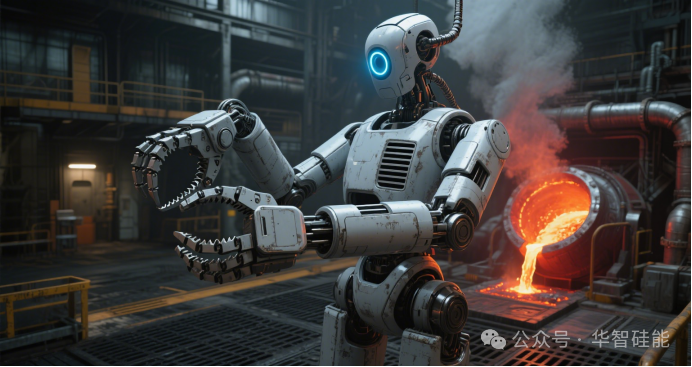
Industrial silicon robots can operate stably in extremely high-temperature environments. For example, in the industrial silicon casting operations in the metallurgy industry, the on-site temperature is extremely high, and traditional manual operations pose serious safety hazards. Industrial silicon casting robots are designed with special high-temperature resistance features, allowing them to work continuously in environments above 800°C, effectively protecting the safety of operators.
Electromagnetic Interference Resistance
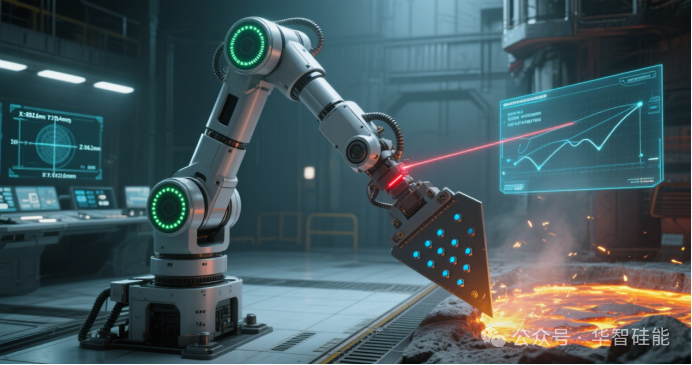
The electromagnetic interference in industrial silicon production environments is strong, and ordinary electronic devices are easily affected. The control systems of industrial silicon robots are designed to resist electromagnetic interference, ensuring stable operation in strong electromagnetic fields. For instance, the control system of a certain industrial silicon slag-removal robot can maintain a positioning accuracy of ±0.1mm in high-intensity electromagnetic interference environments.
High-Precision Hydraulic Servo Control
Modern industrial silicon robots generally adopt high-precision hydraulic servo systems, characterized by high power density, high positioning accuracy, and fast response speed. For example, an industrial silicon slag-removal robot developed by a certain company achieves precise control of actions such as pitching and telescoping through a hydraulic servo system, with a repeat positioning accuracy of ±0.05mm.
Modular and Intelligent Design
The new generation of industrial silicon robots is trending towards modular and intelligent development. The industrial silicon casting robot developed by Harbin Boshi Automation employs TRIZ theory for optimized design, solving the problem of low success rates in the storage and feeding mechanisms, while also featuring intelligent diagnostics and predictive maintenance functions.
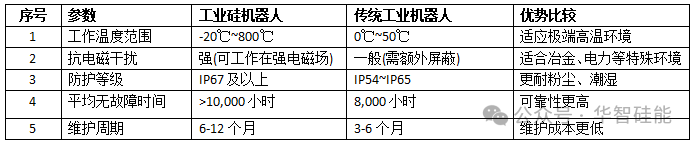
Figure 1: Comparison of Key Parameters between Industrial Silicon Robots and Traditional Industrial Robots
03
Typical Application Cases of Industrial Silicon Robots
Application in Photovoltaic Manufacturing
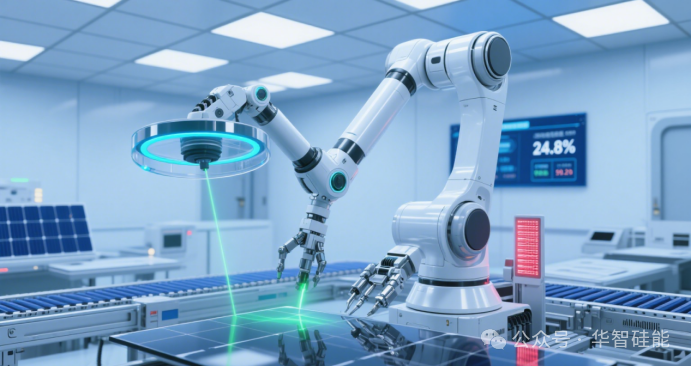
In the photovoltaic industry, industrial silicon robots have achieved full-process automated production from silicon wafers to modules. The photovoltaic module solution developed by Efort Robotics addresses traditional automation processes with low levels of automation, such as glass loading, lamination frame loading and unloading, and glue application, by completing tasks with high-precision robots (repeat positioning accuracy ±0.1mm), solving issues such as heavy manual handling and poor quality consistency.
Typical case: In the substrate glass handling process, industrial silicon robots achieve stable gripping through vacuum suction cups, improving cycle efficiency by 40%, increasing the yield rate from 92% to 99.5%, and reducing the number of operators per shift from 5 to 2.
Application in the Metallurgy Industry
The metallurgy industry is one of the most mature fields for the application of industrial silicon robots, mainly addressing the high danger of traditional manual operations:
01
Industrial Silicon Casting Robot
The traditional working environment in industrial silicon casting is harsh, with high temperatures and severe smoke pollution, leading to frequent accidents. Industrial silicon casting robots can perform dangerous operations such as eye opening and blocking, achieving a work mode of “one person in the control room, no personnel on-site.”
Technical Parameters:
1. Working Temperature: ≤800°C
2. Positioning Accuracy: ±1mm
3. Eye Opening Success Rate: ≥98%
4. Average Time Between Failures: ≥800 hours
Economic Benefits:
1. Reduces casting material costs by approximately 30%
2. Reduces the injury accident rate by over 90%
3. Increases casting efficiency by 20%-30%
02
Industrial Silicon Slag-Removal Robot
Slag removal is a key process in metallurgy production, and traditional manual slag removal is labor-intensive and inefficient. The industrial silicon slag-removal robot, through a high-precision hydraulic servo system, works with a crane to complete the slag removal of molten iron, featuring intelligent automatic control and simple operation.
Hesheng Silicon Industry Case: This company has reduced the number of operators per shift from 5 to 2 through automation transformation, significantly improving production stability and reducing production accidents caused by human factors by over 80%.
03
Logistics Automation in Polysilicon Production Lines
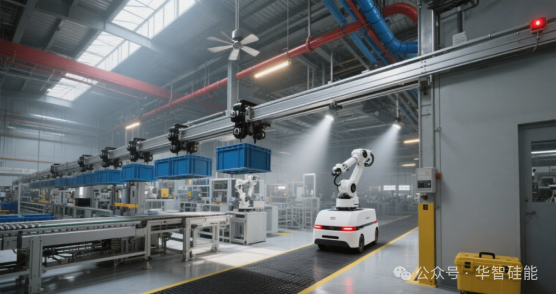
Guozi Robotics provided an intelligent logistics solution for a polysilicon production line with an annual output of 100,000 tons, using explosion-proof AGV robots to transfer materials between the reduction workshop, crushing workshop, and cleaning workshop.
Technical Highlights:
1. Explosion-proof grade DⅡCt4 certification, safe operation in environments containing corrosive gases
2. Dual steering wheel drive design, suitable for narrow passages (minimum passage width 1.8m)
3. Integrated with ERP systems for real-time synchronization of material information
4. Reduces the frequency of manual entry into hazardous areas by over 90%
04
Economic Benefit Analysis of Industrial Silicon Robots
The application of industrial silicon robots has brought significant economic and social benefits, mainly reflected in the following aspects:
Direct Economic Benefits
Labor Cost Savings: Taking industrial silicon casting as an example, traditional manual operations require 4-6 people per shift, while using robots only requires 1 person for monitoring, reducing labor costs by 70%-80%.
Energy and Material Savings: A fully enclosed electric furnace combined with a robotic system can recover approximately 3600 kWh of electricity per ton of industrial silicon, reducing carbon consumption by 10%, and overall energy costs decreasing by 15%-20%.
Increased Production Efficiency: The continuous operation capability of industrial silicon robots increases casting efficiency by 20%-30%, with equipment utilization rates exceeding 85%.
Indirect Economic Benefits
Improved Quality Consistency: Robotic operations eliminate quality fluctuations caused by human factors, with product qualification rates generally increasing by 5%-10%.
Return on Investment Period for Equipment: The investment recovery period for industrial silicon robot systems is typically between 1.5-2.5 years. For example, a 33,000 kVA electric furnace with an annual output of 15,000 tons can save costs of up to 9.6 million yuan annually just from energy recovery.
Safety Production Benefits: Completely avoids accidents such as burns and mechanical injuries in manual casting operations, significantly reducing related insurance and compensation expenses.
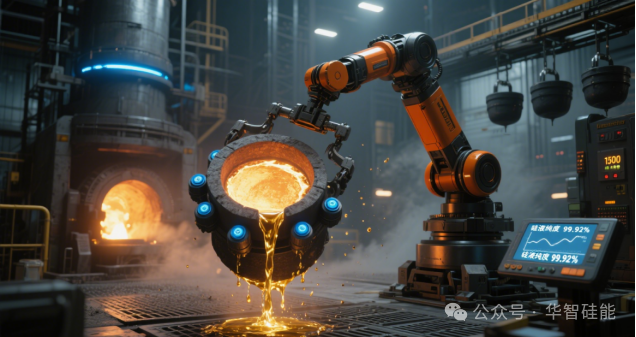
Figure 2: Comparison of Economic Benefits Before and After the Application of Industrial Silicon Robots (Taking a Company Producing 50,000 Tons of Industrial Silicon Annually as an Example)
05
Future Development Trends of Industrial Silicon Robots
Technological Development Directions
Intelligent Upgrades: The deep integration of artificial intelligence and robotics technology will drive industrial silicon robots to evolve from “program execution” to “autonomous decision-making.” In the future, industrial silicon robots will possess multimodal perception capabilities and environmental adaptability.
Human-Robot Collaboration: The application of collaborative robot (Cobot) technology in the industrial silicon field will become increasingly widespread, achieving safe collaborative operations between humans and robots in complex environments.
Digital Twin Technology: Through virtual debugging and simulation optimization, the deployment cycle of industrial silicon robot systems will be shortened, improving operational efficiency.
Localization of Core Components: The localization rate of key components such as harmonic reducers and servo systems continues to rise, reducing overall machine costs by 30%-40%.
Expansion of Application Fields
New Energy Sector: In the photovoltaic and lithium battery industries, industrial silicon robots will participate in more complex production processes, such as battery module assembly and photovoltaic panel testing.
Semiconductor Manufacturing: The high cleanliness characteristics of industrial silicon robots make them applicable in semiconductor wafer manufacturing, packaging, and testing processes.
Operations in Special Environments: Operations in extreme environments such as nuclear industry and deep-sea exploration will become important application directions for industrial silicon robots.
Market Outlook Forecast
According to industry research data, the market size of industrial robots in China is expected to approach 60 billion yuan by 2024, with a projected compound annual growth rate of over 10% in the next five years. As a niche field, industrial silicon robots will benefit from the rapid development of the new energy industry, with market growth rates expected to exceed the industry average.
By 2030, the penetration rate of industrial silicon robots in the metallurgy industry is expected to increase from the current approximately 30% to over 60%, and the application ratio in photovoltaic manufacturing will also reach 40%-50%.
06
Conclusion and Outlook
The application of industrial silicon in robotics technology addresses many pain points of traditional manual operations, especially demonstrating irreplaceable value in high-temperature and high-risk environments. Through case analyses, it is evident that industrial silicon robots not only significantly enhance production efficiency and product quality but also greatly reduce energy consumption and safety hazards, resulting in substantial economic benefits.
In the future, industrial silicon robots will develop towards being more intelligent, flexible, and reliable, with continuously expanding application fields. However, further research is still needed in the following areas:
Enhancement of Intelligence Levels: Strengthening the deep integration of AI algorithms and robot control to improve autonomous decision-making capabilities.
Standardization Construction: Improving the technical standards and industry norms for industrial silicon robots to promote healthy industry development.
Cross-Industry Integration: Promoting the integration and innovation of industrial silicon robots with new technologies such as 5G, IoT, and big data.
Talent Cultivation: Strengthening the training of professional talents to meet the industry’s rapid development needs for high-quality technical personnel.
With technological advancements and policy support, industrial silicon robots will play an increasingly important role in promoting the transformation and upgrading of the manufacturing industry and achieving intelligent manufacturing.


Application Fields





Huazhi Silicon Energy
Professionally creating new materials
Leading a green future
#New Materials #New Energy #Industrial Silicon #Photovoltaic Industry #Textiles #3C Consumer Electronics