Are the symptoms of differential failures in vehicles complex, and is the diagnostic equipment outdated? Unusual noises when turning, jolting during acceleration? It could be the differential “calling for help”!
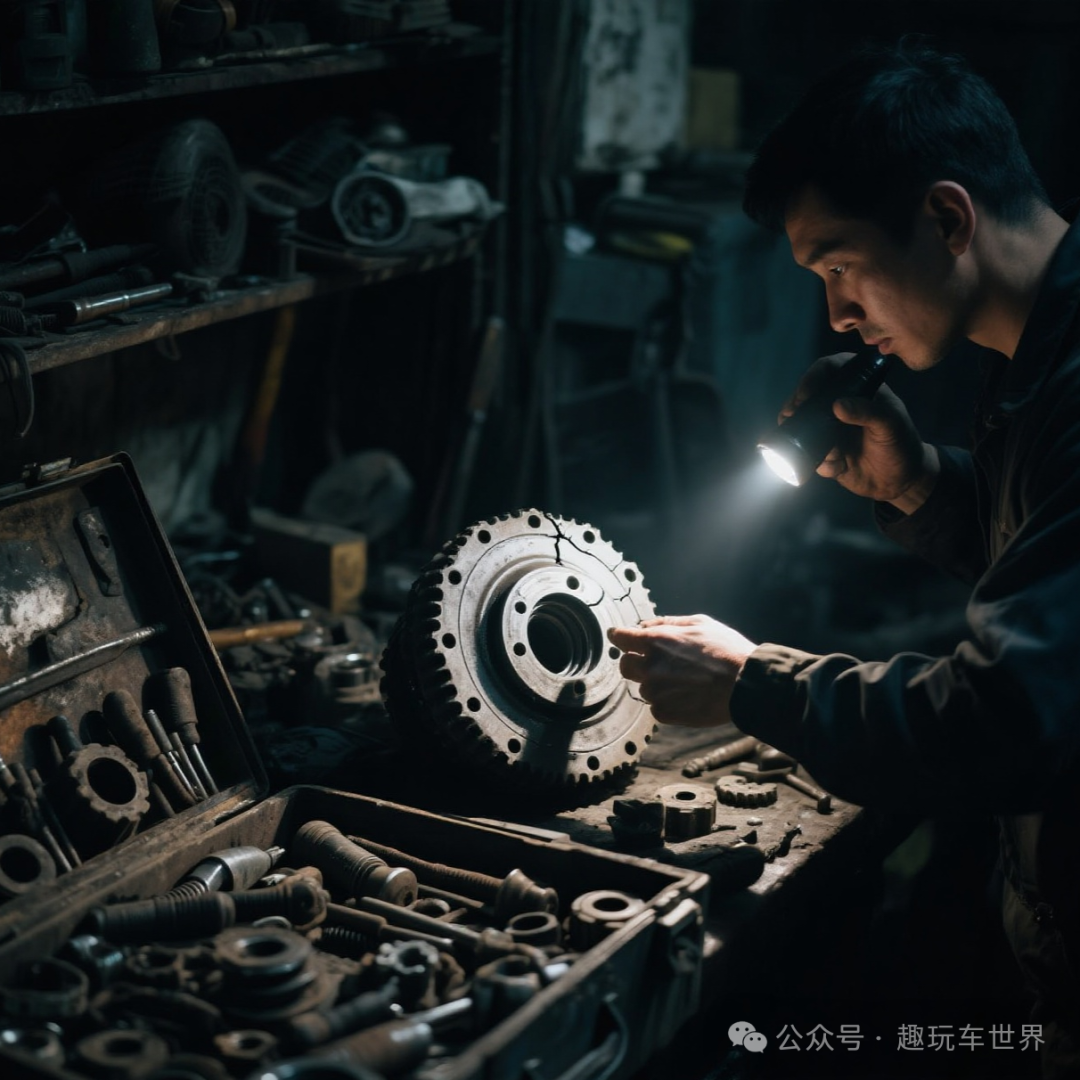
The differential is a core component of the vehicle’s transmission system, responsible for adjusting the speed difference between the left and right wheels during turns, ensuring smooth cornering. However, once this critical component fails, the symptoms can be complex and varied, making it difficult for many vehicle owners and even repair technicians to accurately diagnose the issue. The “warning signs” of differential failure include:
- Abnormal Noise: When turning, a “clunking” sound or metallic grinding noise may come from the rear, especially noticeable during acceleration or deceleration. Sometimes, a “whistling” sound similar to wind blowing through a small hole may also occur.
- Changes in Driving Experience: Noticeable jolting impacts during starting, acceleration, or deceleration, and increased resistance when turning, making it difficult for the vehicle to navigate smoothly through corners.
- Oil Leaks: Oil stains on the ground after parking may indicate a leak from the differential oil seal due to damage.
- Severe Failures: When the differential completely fails, the vehicle may be nearly immobile or can only drive in a straight line without the ability to turn.
Diagnostic Equipment: From “Visual Inspection” to “Precise Detection”
For a long time, diagnosing differential failures primarily relied on the experience of repair personnel. Traditional diagnostic methods have many limitations:
- High Dependence on Manual Labor: Conventional bevel gear rolling inspection machines require manual visual observation of the tooth side clearance, which is labor-intensive and prone to misjudgment.
- Low Detection Efficiency: Traditional methods require multiple replacements of different thickness shims for comparative measurements, leading to a large margin of error.
- Inaccurate Data: Prolonged use can cause wear on the measuring instruments, further increasing the margin of error.
Technological Innovation: The Emergence of Intelligent Detection Equipment
With technological advancements, new diagnostic equipment is changing this situation:
- Automated Detection Devices: New differential gear meshing inspection devices directly display the meshing condition via an indicator, replacing manual visual judgment.
- Intelligent Screening Systems: Some advanced devices are equipped with PLC controllers and screening mechanisms that can automatically filter out gears that do not meet installation requirements.
- High-Precision Measurement Tools: For example, the measurement device for the inner spherical diameter of the differential housing addresses issues of low detection efficiency and inaccurate data.
What Should Vehicle Owners Do?
In the face of the complex symptoms of differential failures, vehicle owners can take the following actions:
- Pay Attention to Abnormal Signals: Especially focus on unusual noises when turning and the sensation of jolting during acceleration, as these are early signs of differential failure.
- Regularly Check Oil Seals: Periodically inspect the differential oil seals for integrity and ensure adequate lubrication.
- Timely Professional Repairs: If abnormalities are detected, promptly visit a professional repair shop for inspection to prevent worsening of the issue.
- Inquire About Diagnostic Methods: When undergoing repairs, ask whether advanced diagnostic equipment is being used to ensure repair quality.
Although the differential is small, it is crucial for driving safety. With advancements in diagnostic technology, the assessment of differential failures will become increasingly accurate, and repairs will be more efficient. This is good news for both vehicle owners and the repair industry!