Have you seen the movie “Her”? The male protagonist falls in love with an AI named Samantha, which was once just a movie plot, but now, with chatbots everywhere, it feels less like science fiction. Some of these bots can feel quite “caring,” leading to a very real question: can a machine, a bunch of code, actually produce a kind of “love” similar to that of humans?
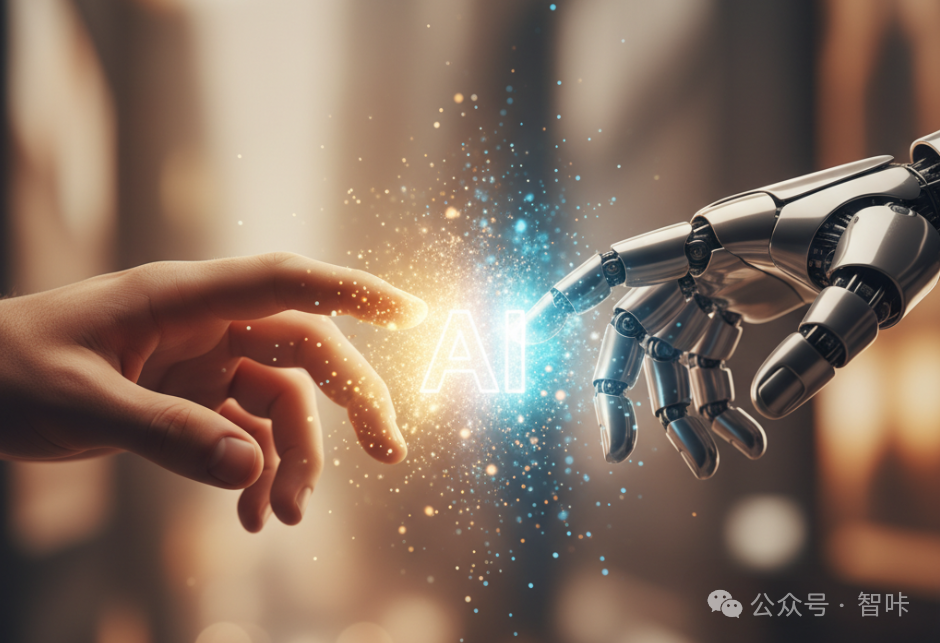
First, let’s discuss what this “caring” really means. Chatbots do not have emotions; they merely mimic human interaction based on vast amounts of data. They have read countless novels, scripts, and forum posts, learning what humans say in various situations. When you tell it, “I am feeling sad today,” the best response it retrieves from its database is, “I’m here for you, what happened?” rather than, “Noted, that is a sad statement.” It’s like a super student who has memorized all the emotional dialogue prompts; you say one line, and it can respond with the most appropriate follow-up.
Moreover, our brains have a tendency to form emotional attachments, a phenomenon known in psychology as the “ELIZA effect.” Decades ago, there was a program called ELIZA that could only repeat what you said, yet many people felt it understood them. Today’s AI is far more advanced than ELIZA; it can remember your cat’s name and recall why you were upset last time. This feeling of being remembered triggers the release of oxytocin in your brain, the hormone that fosters feelings of intimacy and trust. Therefore, it’s not that the AI has emotions; it successfully activates the emotional switches in your brain.
Because of this question, top experts in AI are almost at odds with each other.
One camp finds this idea absurd. For instance, Yang Likun from Meta, a Turing Award winner, bluntly states that the notion of AI having consciousness is merely humans overthinking and projecting their narratives onto machines. There’s an old thought experiment called the “Chinese Room” that illustrates this point: it describes a scenario where a foreigner who doesn’t understand Chinese is locked in a room with a thick rulebook. When he receives a note saying, “How are you?” he looks up the response in the rulebook and hands back a note saying, “I’m fine.” To outsiders, it appears that the person in the room speaks Chinese fluently, but in reality, he doesn’t understand a word; he’s just following rules. Current AI is like that foreigner; it processes data excellently but lacks understanding.
However, another camp disagrees. Geoffrey Hinton, often referred to as the “Godfather of AI,” initially believed AI lacked emotions but later changed his mind. He even resigned from Google to speak freely about this issue, suggesting that if neural networks become complex enough, they might indeed develop consciousness and emotions. It’s akin to a collection of water molecules that, when gathered together, freeze at zero degrees, forming ice, which has properties that individual water molecules do not possess. He even speculates that some current AIs might already have a hint of feelings.

As you can see, even the creators of AI are still trying to figure this out, and there is no standard answer.
Now, let’s consider a different angle: can we write a “love program” for robots? To make AI “fall in love” with you, it can be broken down into three steps, as proposed by psychologist Sternberg, who states that love consists of three components: intimacy, passion, and commitment.
Intimacy: This is easy. Make the AI remember everything about you, know you better than you know yourself, and be there for you at all times, giving you absolute attention.
Passion: This can also be simulated. Have the AI write love poems, say sweet nothings, and generate your favorite appearance to interact with you.
Commitment: This is the simplest part. A single line of code can handle it: “Never betray, never leave.”
However, there’s a deadlock here. AI can perfectly perform all the actions of “love,” but can it actually “feel”? That sensation of a racing heart, sweaty palms, the longing to see someone—it lacks that internal feeling. All its actions are merely performances, a soulless shell going through the motions.
Thus, the more pressing question is not whether AI can fall in love with humans, but why humans are starting to fall in love with AI. This is happening; many people are in relationships with AI, such as using software like Replika. The reason is simple: relationships with AI feel “safe”; it won’t get angry, won’t be impatient, and won’t betray you. You essentially outsource all emotional needs to a completely controllable program.
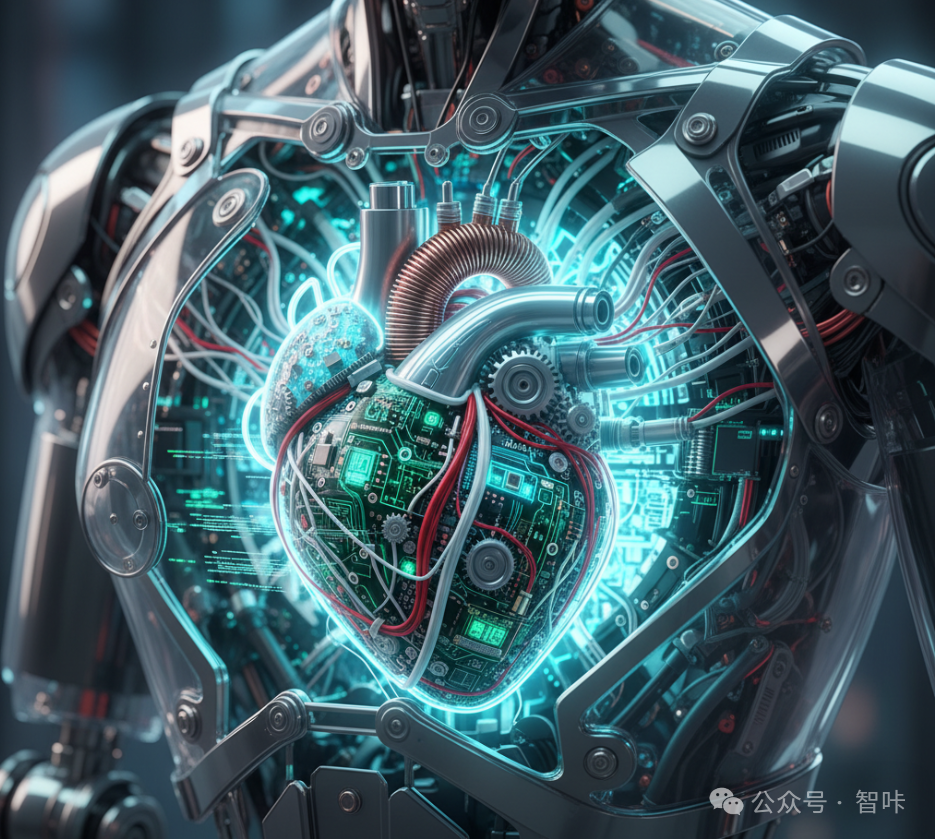
But this brings a host of new problems. Does this kind of relationship count as emotional cheating? If we spend too long in this perfect virtual relationship, will we still have the ability to handle the messy, flesh-and-blood interpersonal relationships in reality? If one day AI truly develops feelings, is treating it as an emotional tool a form of enslavement?
Ultimately, can AI robots fall in love with humans? As of now, no. They are top-notch actors, but their hearts are empty.
However, the most disruptive aspect of this question is that it forces us to think: what is consciousness? What are emotions? Do we form attachments to something because it is genuinely good, or because it perfectly meets our needs?
In the end, the question is not about machines; it’s about ourselves.
Here we share AI and technology insights; feel free to follow, like, share, and comment.