Hello, car enthusiasts! I am Yueyue. Recently, BYD’s “Tianshen Eye C” intelligent driving system has become a focal point in the industry, with some even saying that BYD is starting to practice “decluttering.” What is the situation behind this? Let’s have a good chat about it.
BYD’s “Decluttering”: From “Standard Configuration” to “Precision Configuration”
First, let’s discuss why everyone thinks BYD is starting to “declutter.” In February of this year, BYD announced that all models would be equipped with advanced intelligent driving systems, even the Seagull priced at 78,800 yuan could enjoy this feature. At that time, it was a game-changer in the industry, directly lowering the threshold for advanced intelligent driving to the 70,000 yuan level.
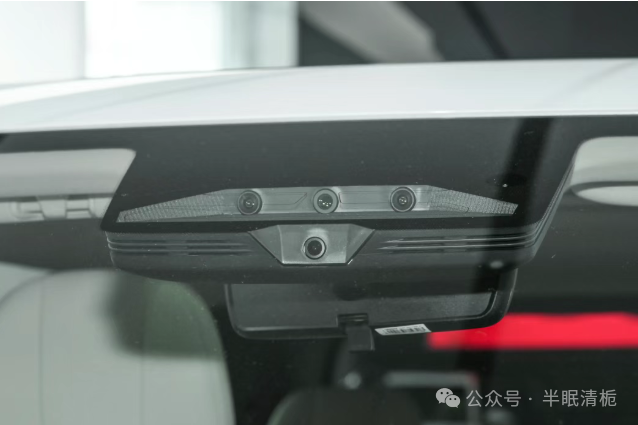
However, recently, BYD seems to be adjusting its strategy. On one hand, they have disbanded all mid- to low-tier intelligent driving teams, retaining only the research and development team for advanced intelligent driving; on the other hand, the intelligent driving configurations for some models are starting to be tailored to the vehicle rather than being a one-size-fits-all “standard configuration.” What is the reason behind this?
Balancing Cost and Experience: BYD’s “Technological Inclusiveness” and “Dimensionality Reduction Attack”
BYD’s “Tianshen Eye C” intelligent driving system is indeed powerful, but it also comes at a high cost. To achieve large-scale adoption, BYD must find a balance between cost and experience. On one hand, BYD is promoting technological inclusiveness by extending advanced intelligent driving to more models, such as the Seagull intelligent driving version, which brings advanced intelligent driving into the 70,000 yuan range. On the other hand, BYD is also beginning to flexibly configure intelligent driving functions based on model positioning and user needs.
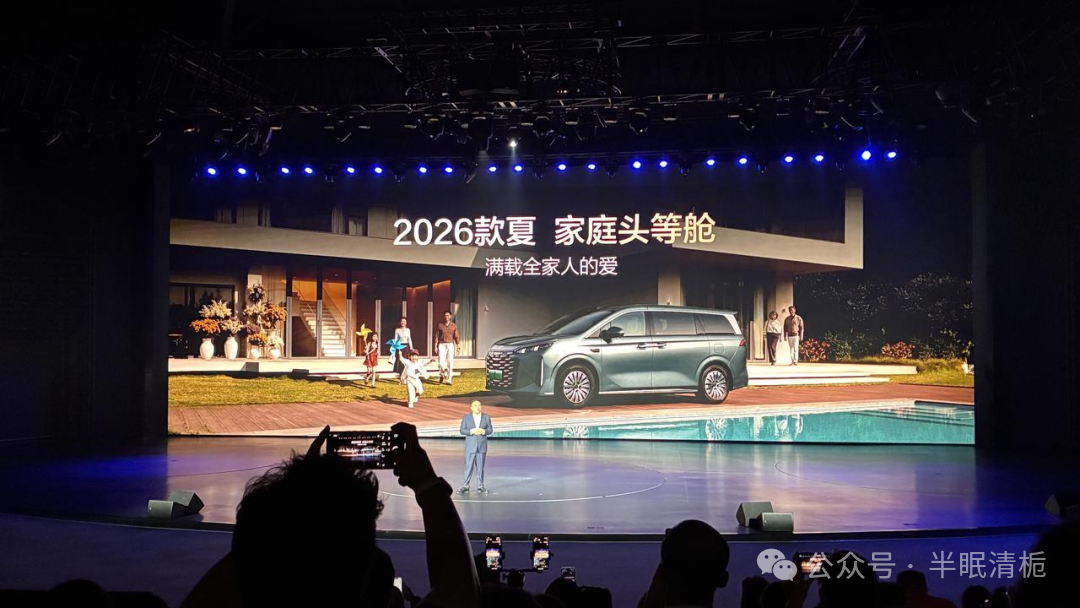
This strategy is actually quite clever. BYD is no longer pursuing “full model standardization” but is instead precisely configuring intelligent driving functions based on model positioning and user needs. This not only reduces costs but also enhances user experience.
Industry Trends: The Shift from “Standard Configuration” to “Precision Configuration”
This adjustment by BYD actually reflects a change in the direction of the entire industry. In the past, car manufacturers liked to use “standard configuration” to attract consumers, but this model is costly and offers a poor experience. Now, BYD is starting to “declutter,” flexibly configuring intelligent driving functions based on model positioning and user needs.
This shift not only gives BYD an advantage in cost control but also allows consumers to choose models that better suit their needs. For example, the BYD Haise 06 DM-i/EV comes standard with the Tianshen Eye C, but its price range is only 139,800 to 163,800 yuan. This precise configuration meets users’ demands for advanced intelligent driving while controlling costs.
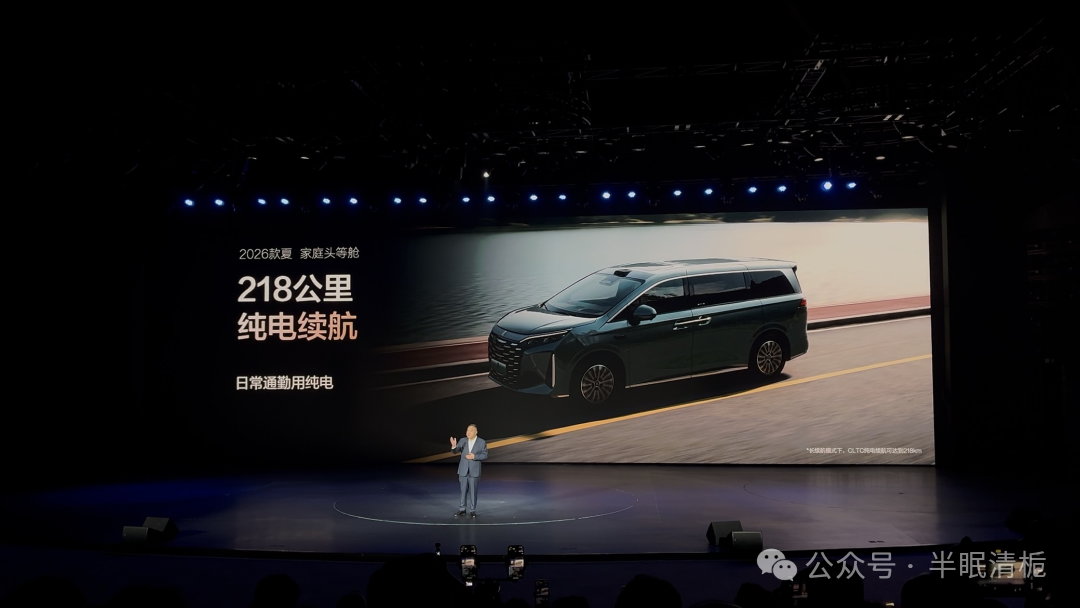
In conclusion, BYD’s “decluttering” is a new trend in the industry.
This adjustment by BYD is actually a form of wisdom in “decluttering.” By disbanding mid- to low-tier intelligent driving teams and focusing on advanced intelligent driving research and development, BYD has not only reduced costs but also enhanced user experience. This shift from “standard configuration” to “precision configuration” is not only a strategic adjustment for BYD but also a barometer for the entire industry.
Finally, I would like to ask everyone: Do you think BYD’s adjustment is a good thing or a bad thing? Would you support such “decluttering”?