On September 11, 2025, Antarctic Bear learned that Boeing has successfully applied 3D printing technology to the manufacturing process of the main structural panel for satellite solar arrays. This innovation reduces the production cycle by approximately six months and improves efficiency by 50%, providing strong support for the rapid deployment needs of spacecraft.
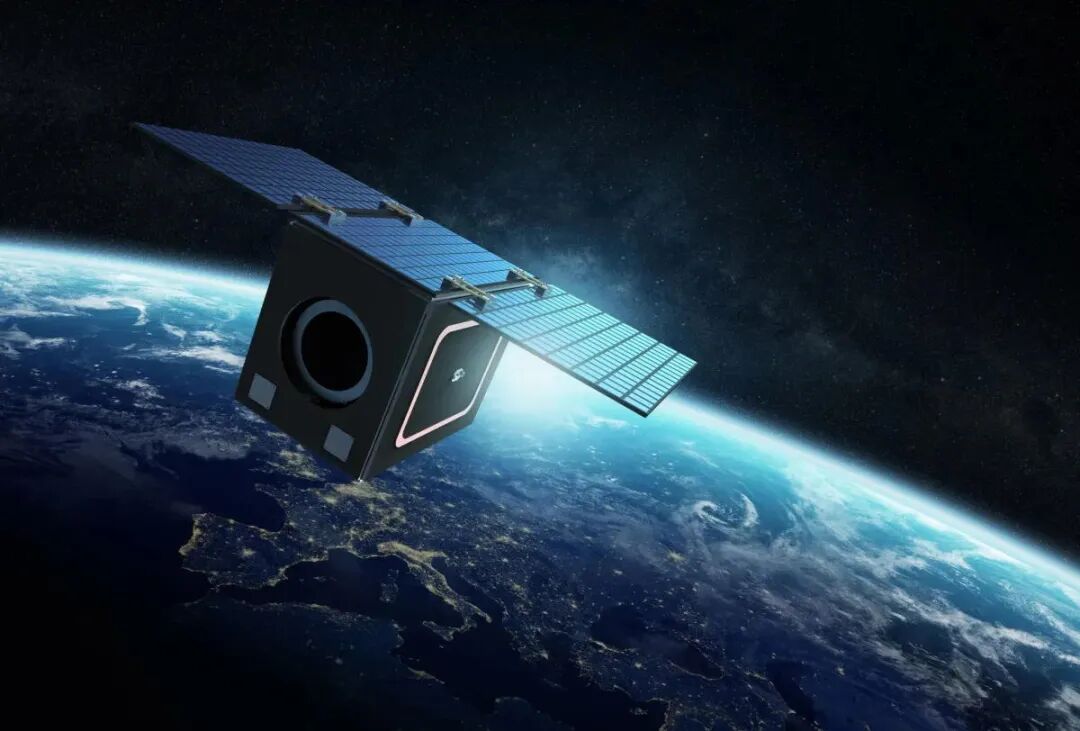
The first batch of 3D printed arrays will be equipped with Spectrolab solar cells and used in small satellites produced by Millennium Space Systems, a subsidiary of Boeing’s Space Systems division. The solar array substrate is the core structure that holds the solar cells in place, requiring rigidity and precise alignment to efficiently capture sunlight in the orbital environment. Traditional composite manufacturing processes take weeks and are highly reliant on manual operations.
Boeing’s adoption of additive manufacturing technology allows structural components and built-in functions to be directly printed onto the substrate, achieving simultaneous array assembly with battery production. Spectrolab’s robotic-assisted assembly and automated inspection systems further enhance production speed and consistency, reducing labor-intensive handover processes.
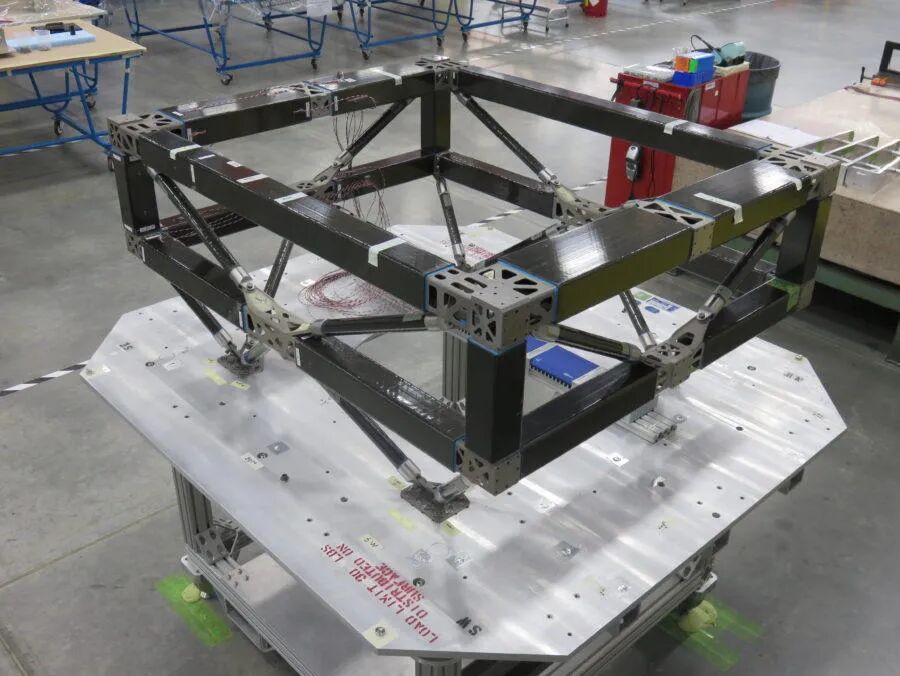
SES-15 satellite with 3D printed components
3D printed space components for aerospace
As early as 2017, Boeing announced plans to 3D print entire satellites and launched the SES-15 satellite that year, which included over 50 3D printed components. In recent years, Boeing has collaborated with cold spray 3D printing technology company Titomic to research the application of sustainable titanium powder in additive manufacturing for aerospace systems. Boeing provides design knowledge and engineering expertise to assist Titomic in demonstrating the Titomic Kinetic Fusion (TKF) process. This process is based on cold spray technology principles and differs from traditional surface coating or repair applications, enabling the integrated formation of large parts through layer-by-layer accumulation of titanium material.
Additionally, Boeing has widely applied additive manufacturing technology in aerospace product manufacturing. For example, in the production of the Wideband Global SATCOM (WGS) satellites for the U.S. Space Force, 3D printed components have significantly improved production efficiency, reducing the original ten-year delivery cycle to five years..
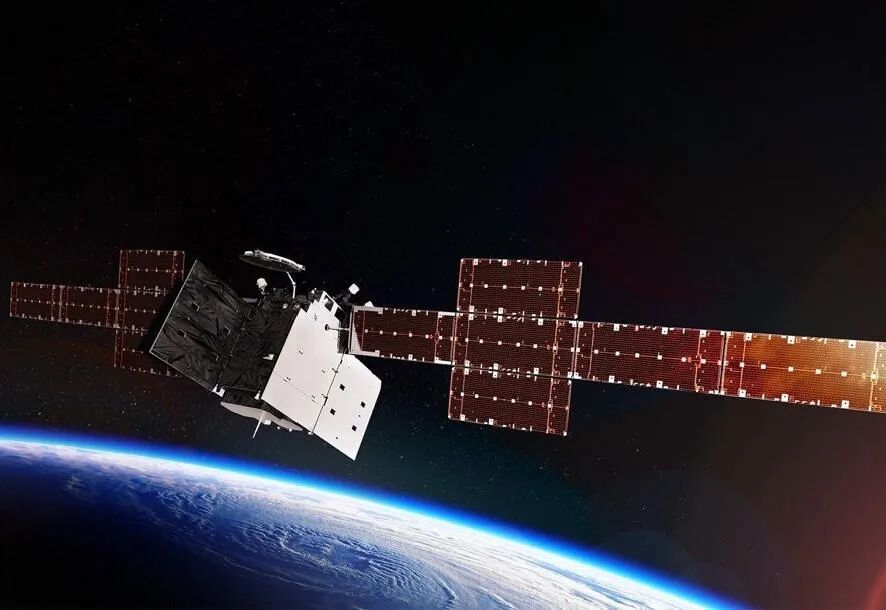
Integrated manufacturing of spacecraft solar arrays
Boeing’s adoption of additive manufacturing technology allows structural components and built-in functions to be directly printed onto the substrate, achieving simultaneous array assembly with battery production. Spectrolab’s robotic-assisted assembly and automated inspection systems further enhance production speed and consistency, reducing labor-intensive handover processes.
The 3D printing process is planned to gradually expand from small satellite platforms to Boeing’s larger spacecraft, including the flagship 702 product line, with market application expected in 2026. Melissa Orme, Vice President of Materials and Structures at Boeing’s Technology Innovation division, stated: “By combining qualified materials, universal digital threads, and high-efficiency production, we not only reduce structural weight but also achieve innovative designs that can replicate successful experiences across various projects.”
Additive manufacturing has become an important part of Boeing’s space and defense strategy. Currently, Boeing’s product portfolio includes over 150,000 3D printed parts, including more than 1,000 RF components on each Wideband Global SATCOM (WGS) military satellite, as well as complete structures for multiple small satellite product lines.
Although 3D printing has long been used for brackets, pipes, and smaller spacecraft components, the solar array substrate presents more severe challenges, as they must possess ultra-low weight, rigidity, and thermal stability while withstanding the stresses of launch and orbit. Boeing’s technological advancement is expected to provide new industry references for optimizing spacecraft structures and improving production efficiency.