Edge-side AI is accelerating its implementation!
Recently, there have been many good news in the AI field. Internationally, Google has released the Gemini 3 large model and Nano Banana Pro multimodal technology, which can understand videos and write code; domestically, Alibaba has followed closely, launching the “Qianwen” App and Ant Group’s “Lingguang”.
This means that AI applications are accelerating their implementation, and behind this lies a super track—edge-side AI, as AI becomes increasingly intelligent and user-friendly, the implementation of edge-side AI is expected to speed up.
Edge-side AI simply means enabling smart speakers, cars, and robots—these “end devices” to possess “thinking capabilities”, eliminating the need to connect to cloud servers every time, resulting in faster response times, enhanced privacy, and improved usability.

In this race of edge-side AI, there is a company from Fuzhou, Fujian, that has quietly taken the lead, and that is Rockchip.
Previously, Rockchip faced skepticism due to a decline in its quarterly report, raising questions about its progress in edge-side AI. Is its growth momentum really slowing down? How much can it benefit from edge-side AI in the future?
Today, let’s have a good discussion about it.
Rockchip was established in 2001, initially starting in the audio field. During the peak of cassette players, it collaborated with BBK to develop the world’s first product equipped with 10 bit ADC original playback technology + “speed change without pitch change” technology, the RK80x series, which once led the market share.
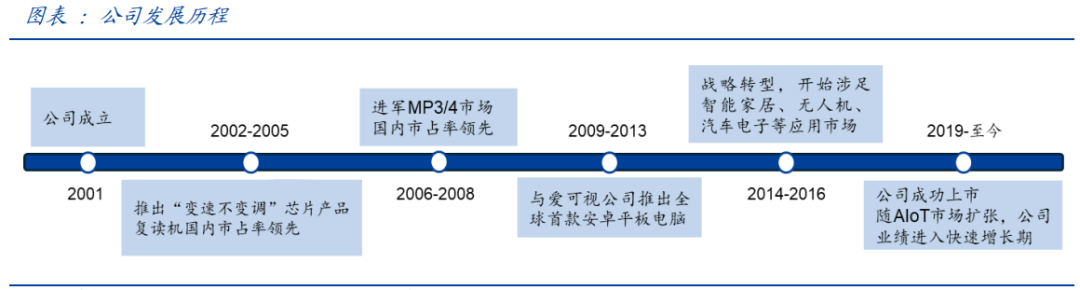
From 2006 to 2008, the company quickly transitioned from cassette players to the MP3 market, launching the RK2606 chip for MP3/MP4 devices, achieving video playback functionality and regaining a leading position in the domestic market.
From 2009 to 2013, with the advent of the smart era, the company partnered with Archos from France to launch the world’s first Android tablet, seizing the golden period of consumer electronics development.
From 2014 to 2016, the company entered a strategic transformation period; by 2020, the company successfully went public and targeted the AIoT market, ushering in a new growth point.
Over the years, the company has focused on AIoT SoC chips, becoming a leading enterprise in the industry, with multiple products empowering the intelligent upgrade of AIoT, automotive, industrial, and smart home sectors.
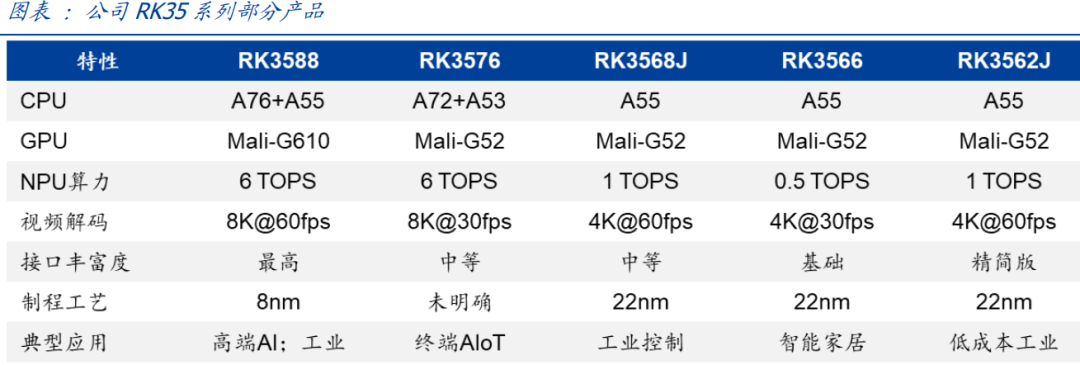
In recent years, the company has achieved rapid growth through its layout in AIoT, and although this year’s third quarterly report was slightly below expectations, it is not a major issue.
With the release of ChatGPT at the end of 2022, AI technology has driven an increase in AIoT demand, bringing new opportunities to the company and entering a phase of rapid growth.
In 2024, the company’s revenue is expected to grow by 46.94%, and net profit is expected to increase by 341.01%; in the first three quarters of 2025, the company’s revenue is expected to grow by 45.46%, and net profit is expected to increase by 121.65%.
However, in the third quarter, the growth rate of revenue and net profit showed a quarter-on-quarter decline, at 20.26% and 47.06%, respectively.
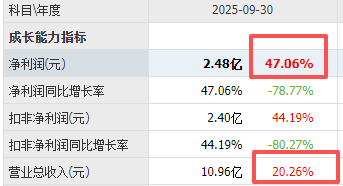
In response, the company explained in its third quarterly report that due to DDR4 memory chip supply shortages and skyrocketing prices, some customers are transitioning their mid-to-high-end AIoT products to DDR5, and this adjustment in plans has led to a slight slowdown in revenue growth in the third quarter.
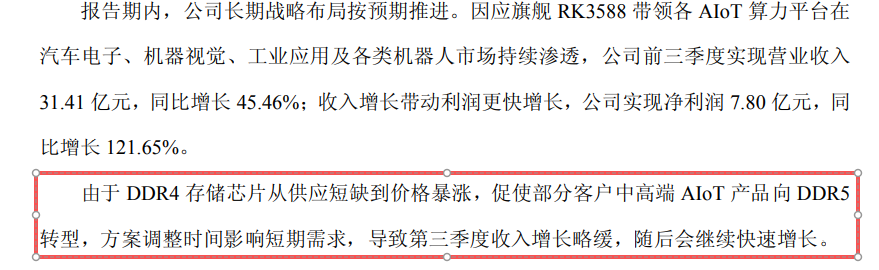
However, the company also stated that the AIoT market is growing rapidly, and various industries are entering an innovative development cycle under the advancement of AI technology, and the company’s future performance will continue to grow rapidly.
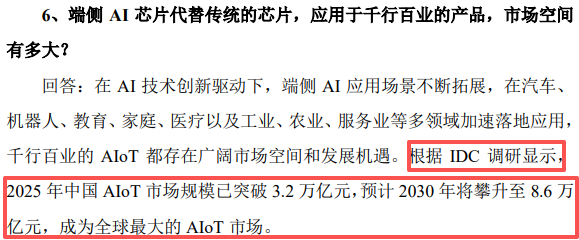
This is not blind optimism from the company. According to IDC‘s research, by 2025, the scale of China’s AIoT market will exceed 3.2 trillion yuan, and it is expected to grow to 8.6 trillion yuan by 2030, becoming the largest AIoT market in the world.
It is worth noting that edge-side AI is closely linked to the AIoT market. As AI models mature and technology upgrades occur, AIoT can deploy models on the edge side, allowing various industries to more easily leverage efficient and low-cost advantages, reshaping the industry landscape.
This presents new opportunities for Rockchip. In July 2025, the company will launch its first edge-side computing co-processor, currently offering RK1820/RK1828, supporting 3B/7B parameter-level edge-side model operations.
In addition, the company is laying out multiple edge-side AI fields to seize high ground in advance.
First is the automotive electronics field.
With the trend of electrification and intelligence in automobiles, automotive electronics has become a major application area for edge-side AI.
For example, in the smart cockpit area, the company’s RK3588M chip has collaborated with several domestic automotive manufacturers, with dozens of mass-produced models, and more customer models are expected to be launched next year;
For instance, the HL from GAC Group, which uses the RK3588M based ADiGO SPACE 6.0 smart cockpit system; and with SAIC Group, it is collaborating on integrated solutions for edge-side large models based on RK3588M.
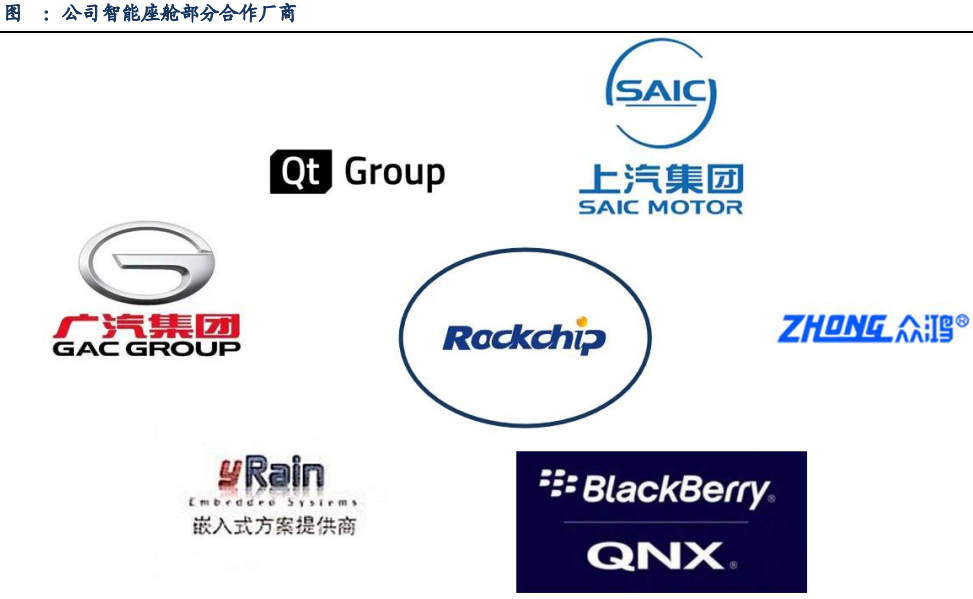
Additionally, the company’s latest RK182X series can serve as the computing center in the front cabin of vehicles, providing AI computing support, enabling the application of edge-side models in the automotive industry.
The company is advancing the RK182X smart cockpit AI Box solution, utilizing multimodal fusion perception technology to achieve intelligent upgrades for vehicles.
In the field of in-car audio, the company’s RK2118M and RK2116M are used for external and internal amplifiers, respectively, and have already been adopted in over thirty projects.
Next is the robotics field.
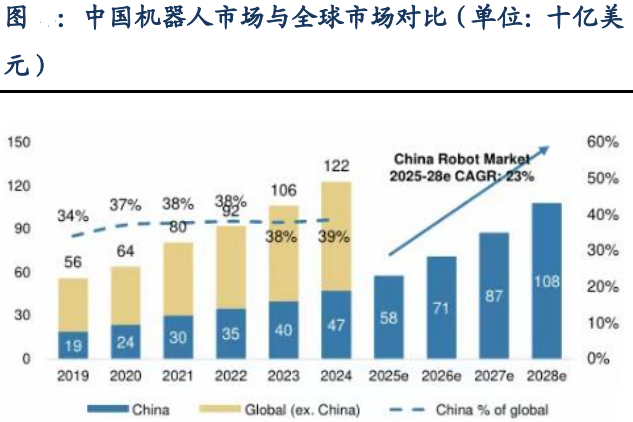
In recent years, China has become the largest robotics market globally, with the market size expected to reach 47 billion USD in 2024, accounting for 40% of global total sales. According to Morgan Stanley’s forecast, by 2028, the scale will exceed 108 billion USD.
In this “hottest” track, the company has not only participated but has also been deeply engaged for many years. Its products include those based on RK3588, RK3576, RK3568, RK3566, RK3562, RV1126B, etc., which can be applied in industrial robots, service robots, companion robots, and vacuum cleaning robots.
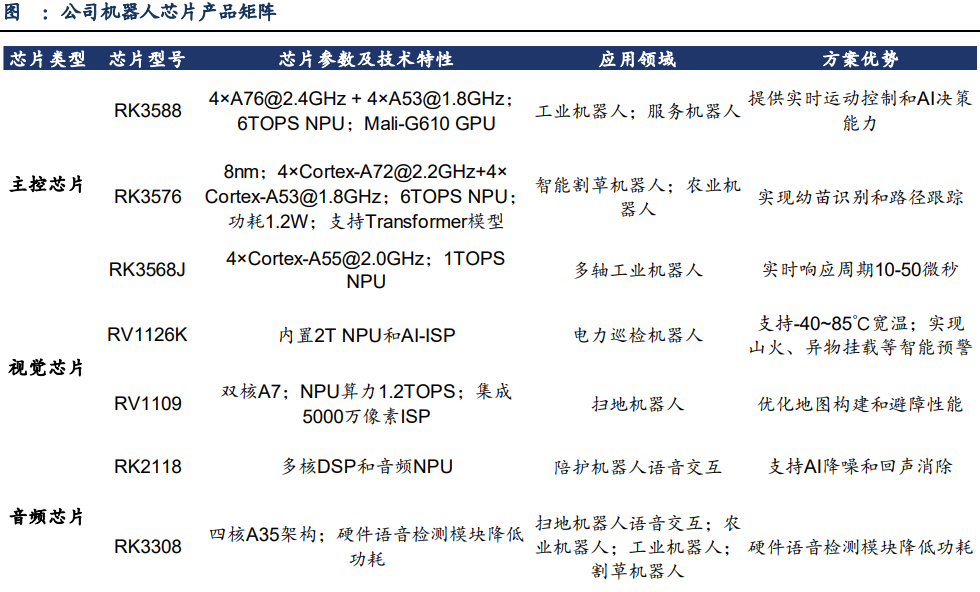
Moreover, the company is also entering the humanoid robot scene. With the integration of AI technology and robotics, robots will be able to “see clearer” and “move more accurately,” and be endowed with the ability to “think.”
In the desktop AI robot field, several of the company’s products, such as RK3576 and RK3566, are applied in desktop robots, enabling video calls, remote care, and voice interaction capabilities.
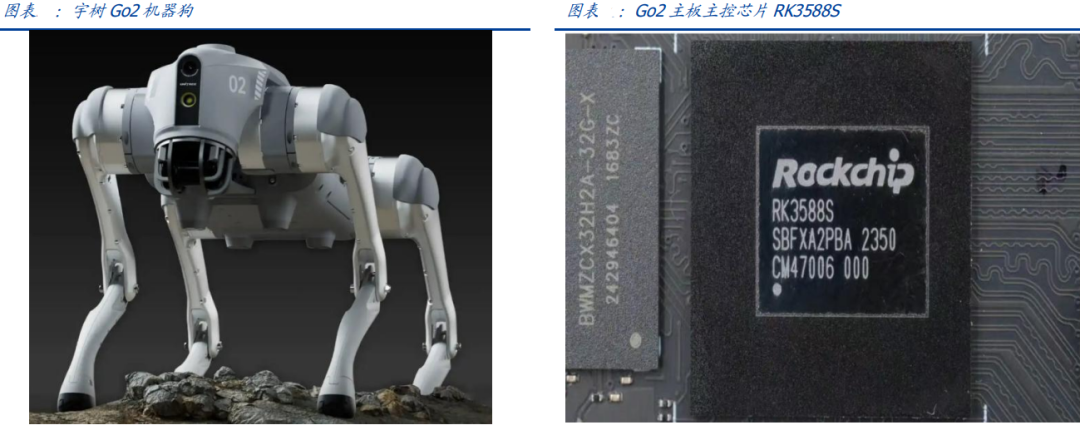
In the quadruped robot field, according to information from Charging Head Network, the Go2 robotic dog product from Yushu Robotics has chosen Rockchip’s flagship product 3588 series, specifically the 3588S, as its main control chip.
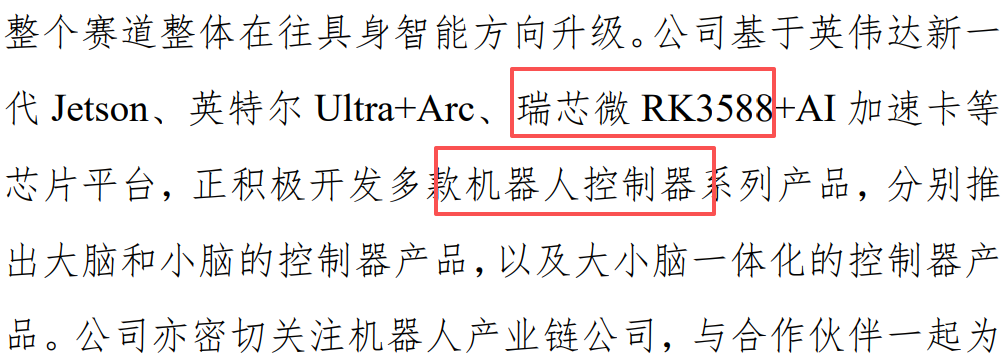
In the humanoid robot field, the company’s RK3588 chip has strong overall performance and high AI support efficiency, making it suitable for humanoid robot scenarios. For example, Zhiwei Intelligent uses the company’s RK3588 chip to develop integrated controller products for the brain, cerebellum, and other components.
Looking ahead, the company’s performance remains secure by investing in R&D for next-generation products to maintain competitiveness.
The company is developing the next-generation flagship chip RK3688 to meet the demands of edge-side AI scenarios in the AIoT 2.0 landscape, while also advancing the new mid-range flagship chip RK3668, improving the company’s overall design efficiency and reducing customer chip investment costs.
Additionally, the company is advancing the new generation of AI visual processors RV1126B, which can be applied in various IPC, vacuum cleaning robots, conference cameras, sports DV, and other products;
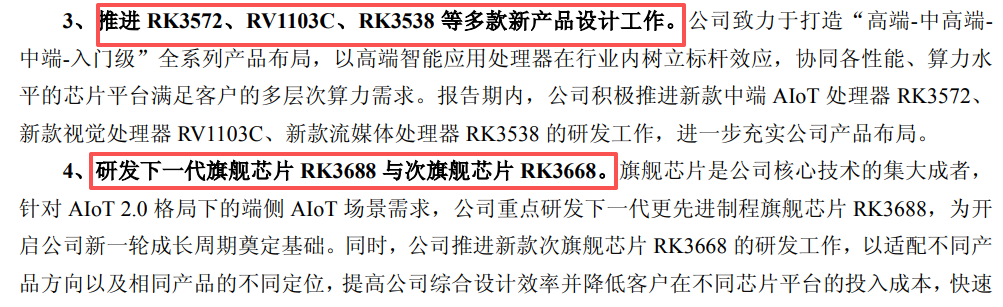
and is advancing the development of new mid-range AIoT processors RK3572, visual processors RV1103C, streaming media processors RK3538, and other new products.
Overall, although Rockchip faces international competitive pressure in entering high-end products, the company is strategically positioned in edge-side AI, robotics, and other emerging fields, while also maintaining a forward-looking approach to R&D efforts. This “chip business” is expanding more and more.