In today’s intelligent era, embedded technology is ubiquitous. Whether in smart homes, industrial control, or IoT devices, the support of microcontrollers is indispensable. Among various microcontrollers, the 51 microcontroller stands out as the preferred choice for countless engineers and enthusiasts.
Introduction to Microcontrollers
A microcontroller, also known as a single-chip microcontroller, is not just a chip that performs a specific logical function, but rather integrates a complete computer system onto a single chip. It is akin to a miniature computer, lacking only I/O devices compared to a full computer. In summary, a single chip constitutes a computer. Its small size, light weight, and low cost provide convenient conditions for learning, application, and development. Moreover, learning to use microcontrollers is the best way to understand computer principles and architecture.
The application fields of microcontrollers are already very broad, including smart instruments, real-time industrial control, communication devices, navigation systems, home appliances, and more.
Since the 1990s, microcontroller technology has developed significantly. With the advancement of the times and technology, the practical application of this technology has matured, and microcontrollers are widely used in various fields. Nowadays, there is an increasing emphasis on the development and application of microcontrollers in intelligent electronic technology. The development of microcontrollers has entered a new era, where their presence can be seen in both automatic measurement and the practice of smart instruments. In the current industrial development process, the electronics industry is an emerging sector. In industrial production, people have successfully applied electronic information technology, integrating it with microcontroller technology, which effectively enhances the application effects of microcontrollers. As a branch of computer technology, microcontroller technology enriches the functionality of electronic products and provides new avenues for the development and application of intelligent electronic devices, achieving innovation and development in intelligent electronic devices.
A microcontroller, also known as a single-chip microcontroller, is a type of integrated circuit chip. It mainly includes CPU, read-only memory ROM, and random access memory RAM. A diverse data acquisition and control system allows the microcontroller to perform various complex calculations, whether controlling operators or issuing calculation instructions to the system. Thus, it is evident that microcontrollers can be fully utilized in intelligent electronic devices due to their powerful data processing technology and computational capabilities. Simply put, a microcontroller is a chip that forms a system, integrating data computation and processing capabilities onto the chip through the application of integrated circuit technology, enabling high-speed processing of data.
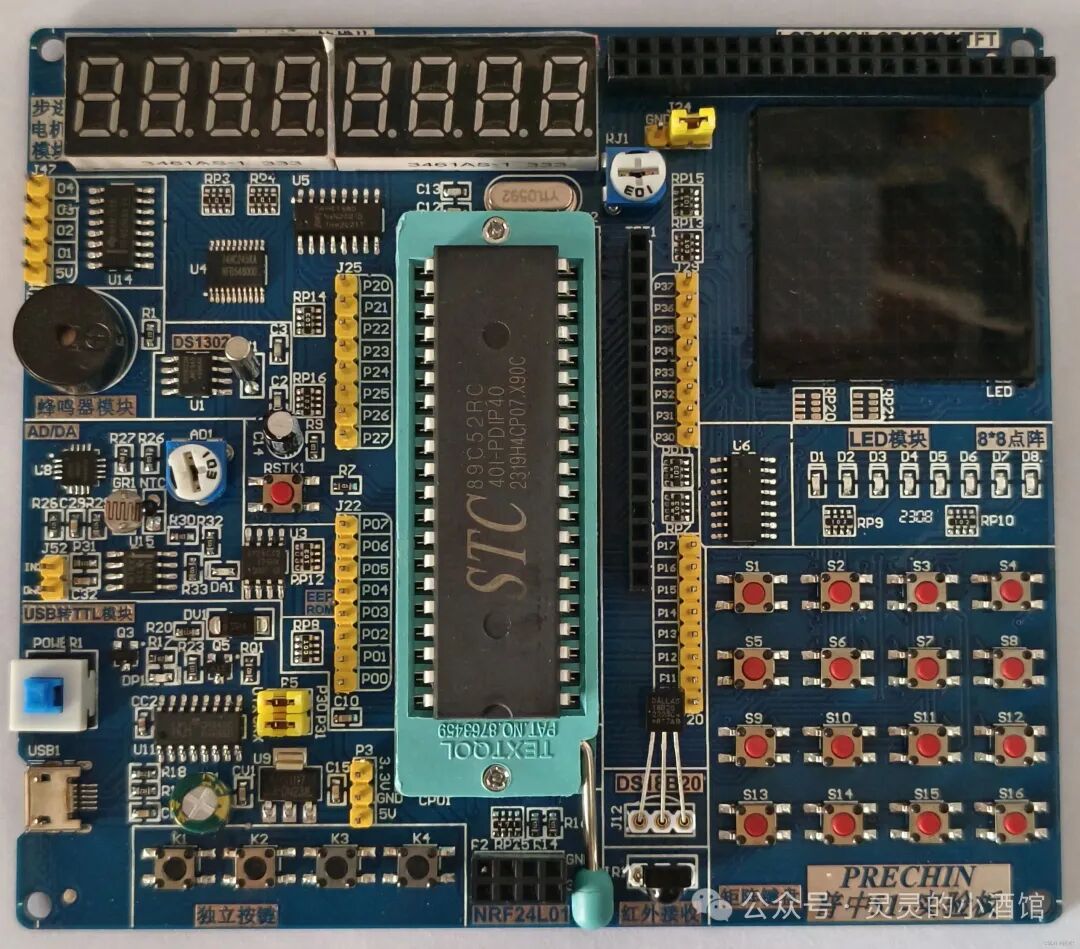
The 51 microcontroller was born in the 1980s and has developed a complete ecosystem over more than 40 years. Abundant learning materials, mature technical communities, and a vast number of project cases enable beginners to quickly find solutions.
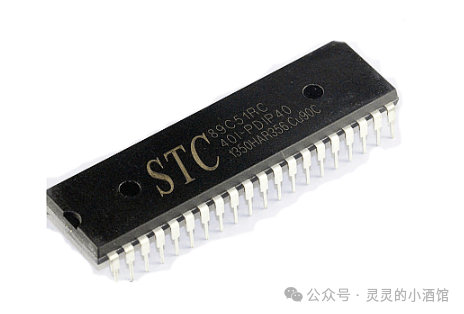
The 51 microcontroller refers to microcontrollers that are compatible with the Intel 8051 instruction set. It is a microcomputer integrated onto a single chip, characterized by its small size, low power consumption, strong functionality, and low cost, making it widely used in industrial automation control, smart instruments, home appliances, and other fields.
1. Introduction to the STC89C52 Microcontroller
- Company: STC
- Bit: 8-bit
- RAM: 512 bytes
- ROM: 8K
- Operating Frequency: 12MHz
The STC89C52 microcontroller is a classic 8051 series microcontroller produced by STC, featuring rich peripherals and powerful functions, suitable for various embedded system development.
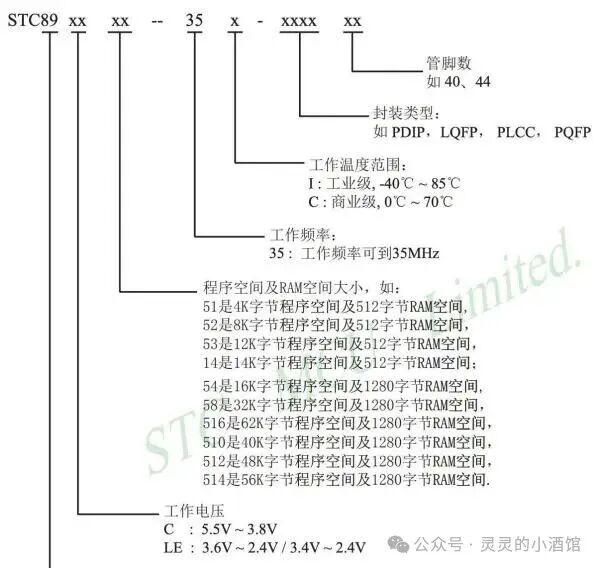
2. Naming Rules
The naming rules for 51 microcontrollers typically include information about the manufacturer, series model, and functional characteristics. Below is an example image of the naming rules for 51 microcontrollers:
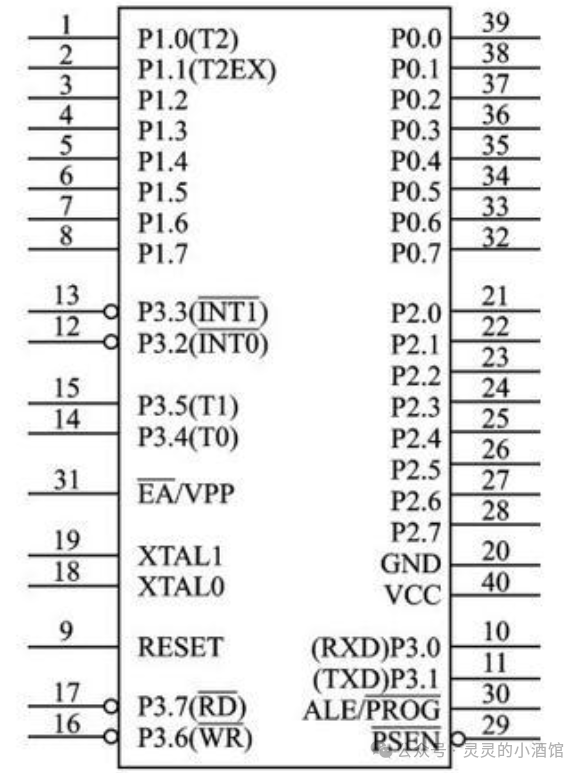
3. Pin Distribution
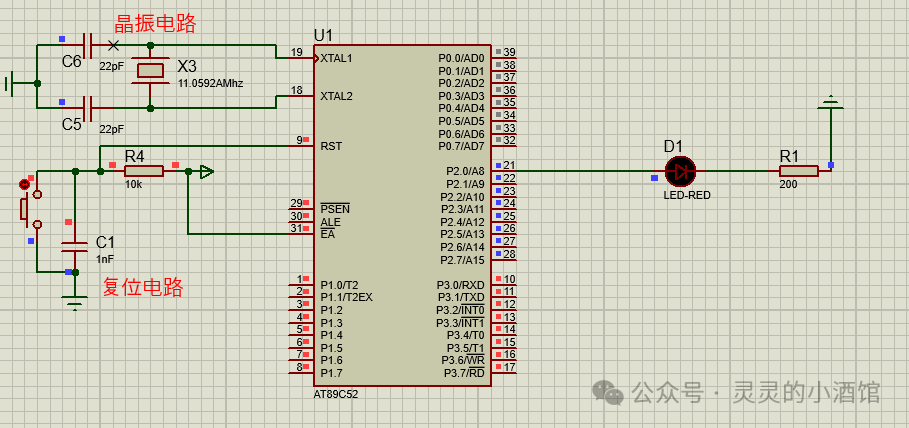
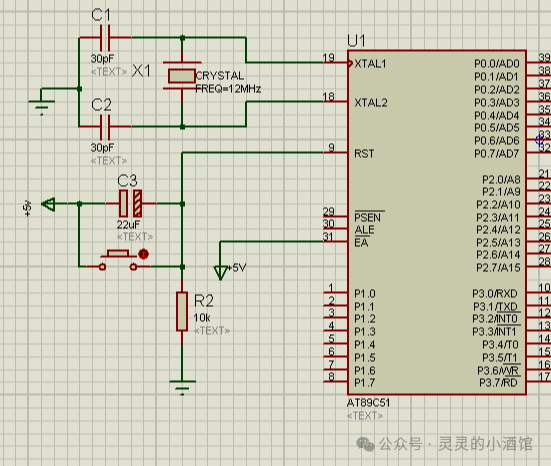
4. Minimum System Schematic
5. Development Environment
-
Keil C51
-
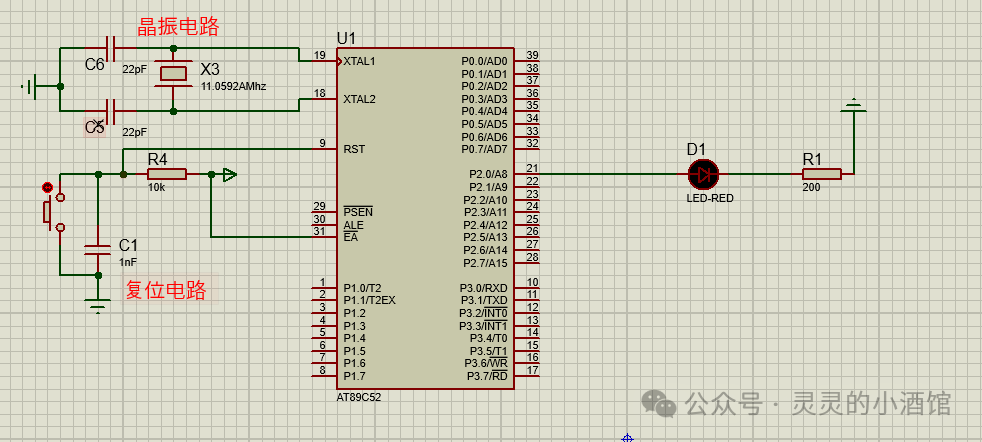
Proteus 51 Simulation Diagram
6. Hello Program Code
#include<reg52.h>
#define LED P2 // Define P2 port to control LED
void delay_ms(unsigned int ms) // Simple delay function
{
    unsigned int i, j;
    for(i =0; i < ms; i++)
        for(j =0; j <114; j++);
}
void main()
{
    while(1)
    {
        LED =0x01; // LED1 on
        delay_ms(1000);
        LED =0x00; // All LEDs off
        delay_ms(1000);
    }
}
This program makes the LED connected to port P1 blink, serving as the “Hello World” of the embedded world.
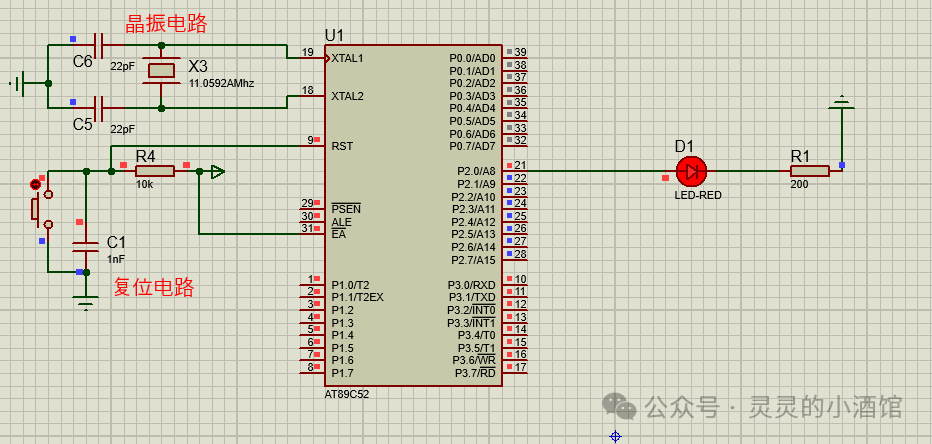
7. The program effect is as follows:
LED1 on
LED1 off