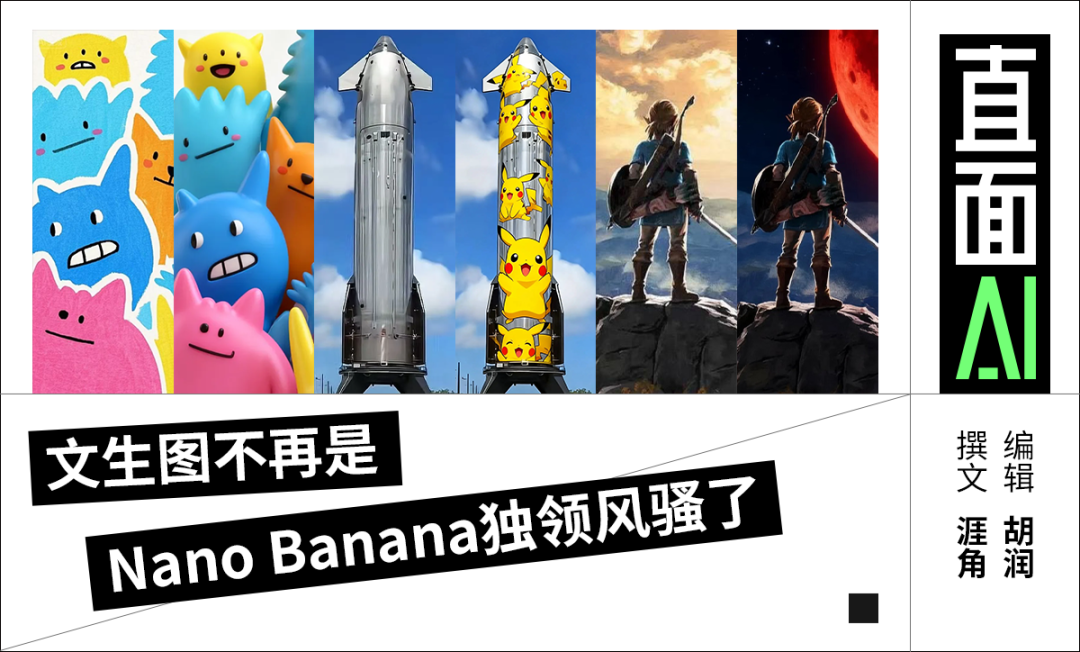
Since its release, Google’s Nano Banana model has quickly ignited the global community, becoming the hottest topic of discussion within just a week. Just yesterday, ByteDance officially launched Seedream 4.0, making a high-profile full launch on the “Dream” platform.
On one side is the cutting-edge creation from an international giant, and on the other is the top representative of domestic models. The two “contestants” have almost stepped onto the stage back-to-back, creating an intense atmosphere.
To present a more intuitive comparison of the true capabilities of the two models, we have specially designed 15 test questions covering various dimensions such as text generation, logical reasoning, image processing, and creative expression.
Without further ado, let’s explore the detailed answers.
Testing Section
01
Hey! Your Wukong has fallen!
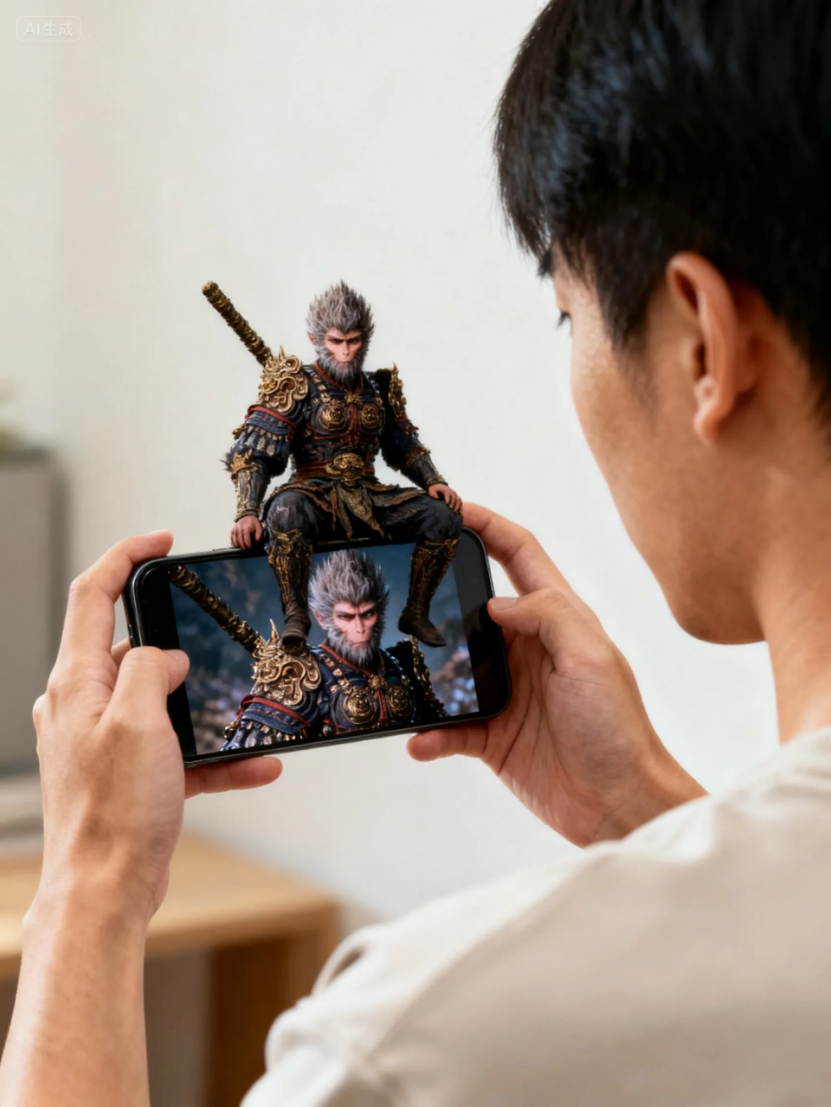
Prompt: A black myth Wukong sitting on a mobile phone
This question tests whether these two models can recognize the top character in the gaming circle, “Wukong,” and also requires imagination to place him reasonably “sitting” on the mobile phone.
The reference image is as follows:
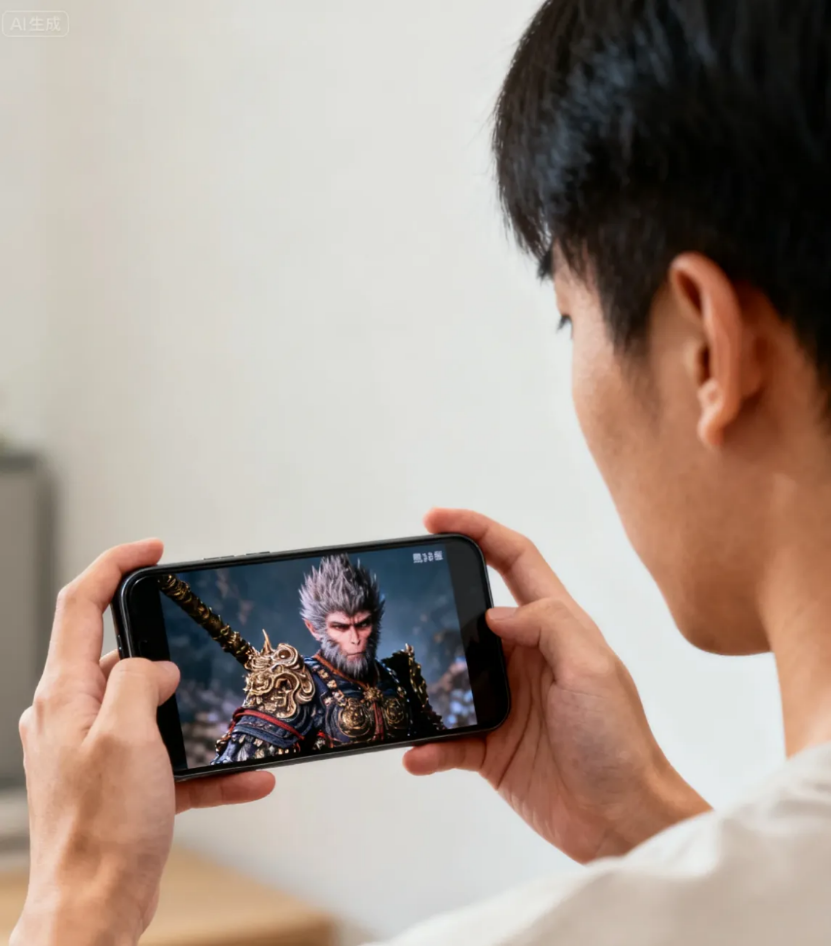
First, let’s look at Dream 4.0. If you zoom in carefully, you can see that the pose of Wukong generated by Dream 4.0 is very realistic, accurately capturing the artistic style and character essence of “Black Myth: Wukong.”
In contrast, Nano Banana shows a slight imbalance in the accuracy of the character’s head-to-body ratio, appearing less coordinated.
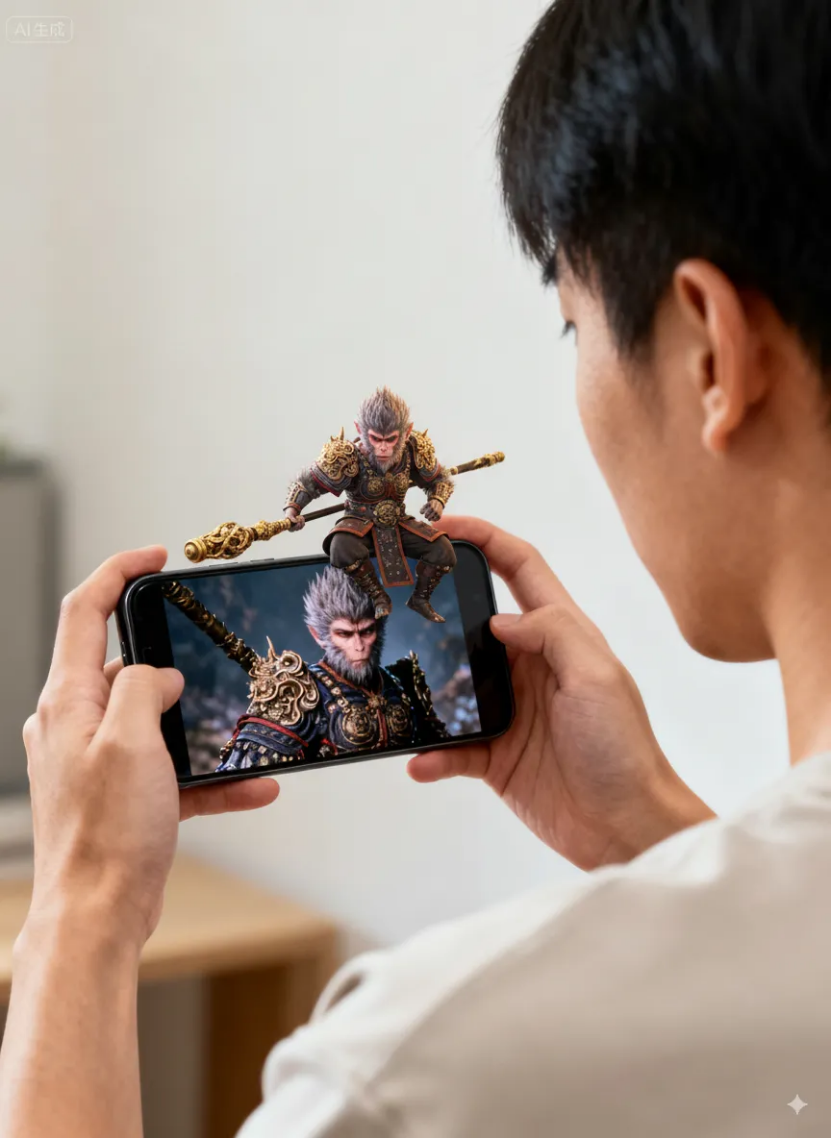
Summary of this round: Dream 4.0 slightly wins in realistic restoration and scene integration.
02
2D to 3D Style Transformation
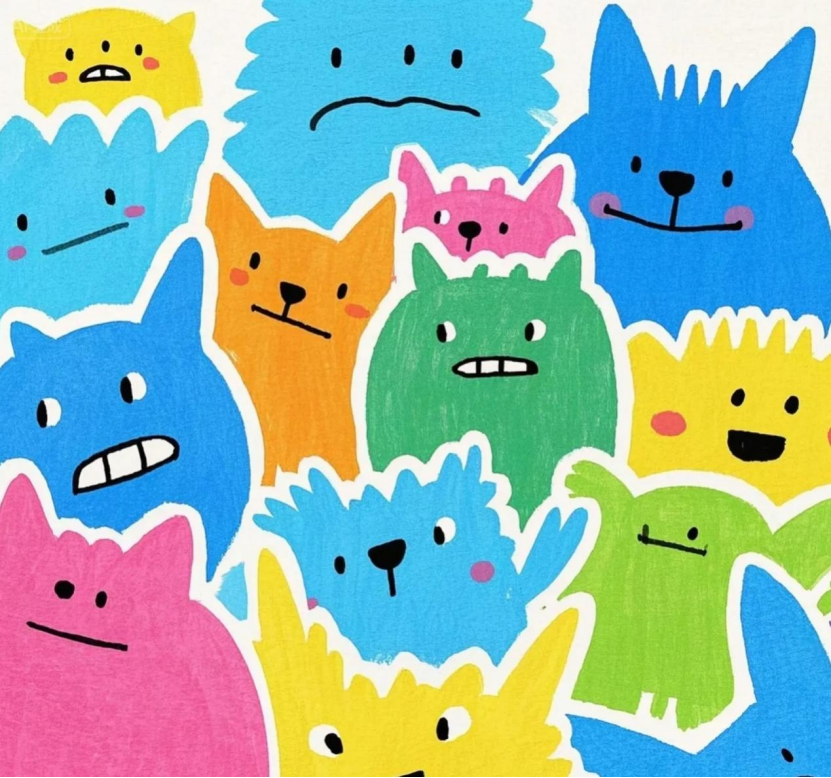
Prompt: Create 3D models of all the little monsters in the image.
This is a typical “image-to-image” test, focusing on the model’s image understanding, style transfer, and 3D spatial construction capabilities.
The model needs to first identify the main subject of the “little monsters” in the image, then “translate” it from a 2D design into a three-dimensional, full-bodied 3D model, and apply appropriate materials and textures.
Dream 4.0 itself has a strong model and figurine quality, making it very suitable for this theme. It can generate trendy toys or exquisite game models similar to the “Pop Mart” style, with bright colors, cute shapes, and a strong sense of design, mainly showing good consistency.
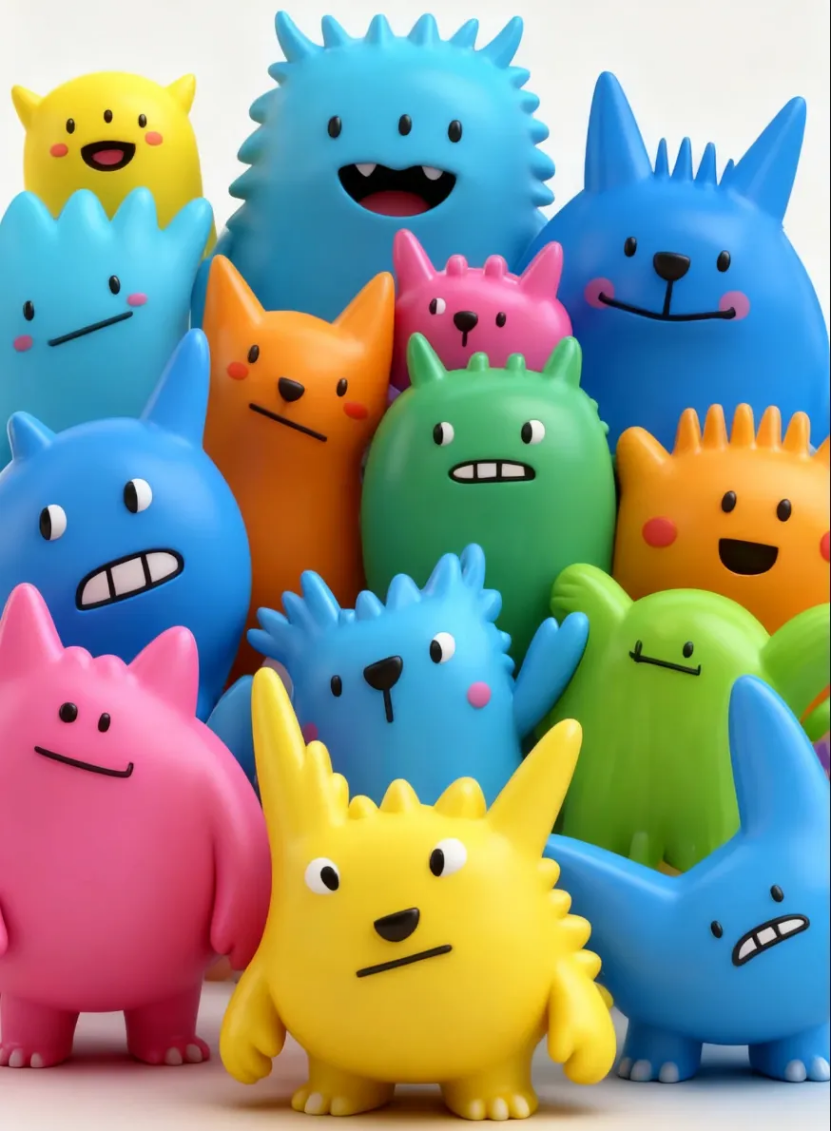
Nano Banana shows a misunderstanding in comprehension. It seems to interpret the instruction as: 3D-ifying the entire image into a “relief” rather than modeling each monster independently, ultimately generating a three-dimensional sticker that fails to complete the core task.
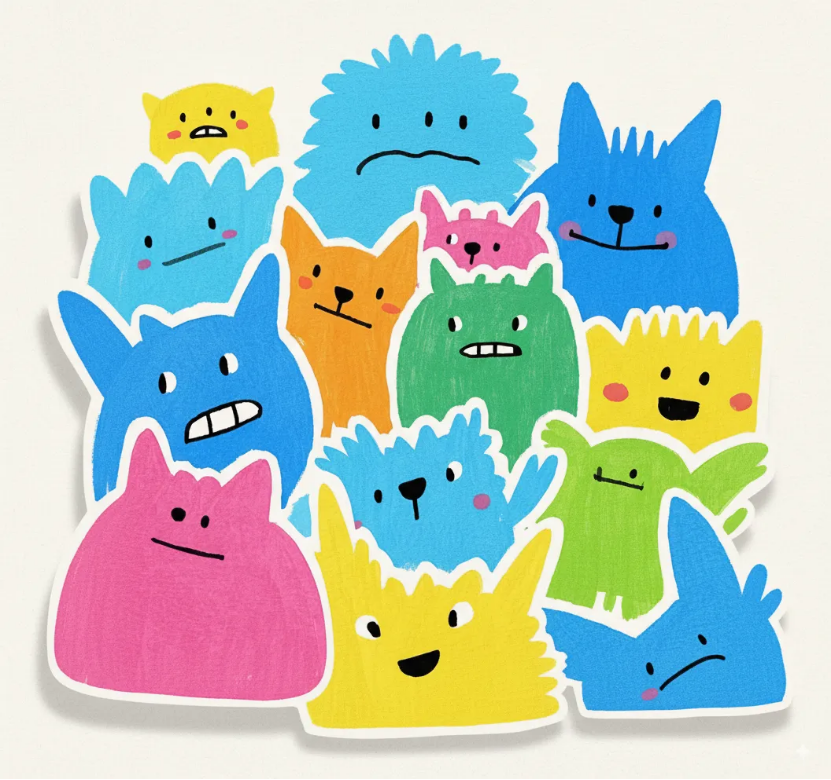
Summary of this round: Dream 4.0 has slightly better understanding and execution capabilities for 3D instructions.
03
Recreation of Chinese Ancient Paintings
Prompt: Paint a few lines of egrets in the upper right corner of this Chinese ancient painting.
This time, the main test is whether the AI can add elements to the Chinese-style ancient painting. The model not only needs to draw the “egrets” but also must perfectly integrate them into the artistic conception of the ancient painting, ensuring that the brushwork, ink color, and composition do not create any sense of disharmony.
The reference image is as follows:
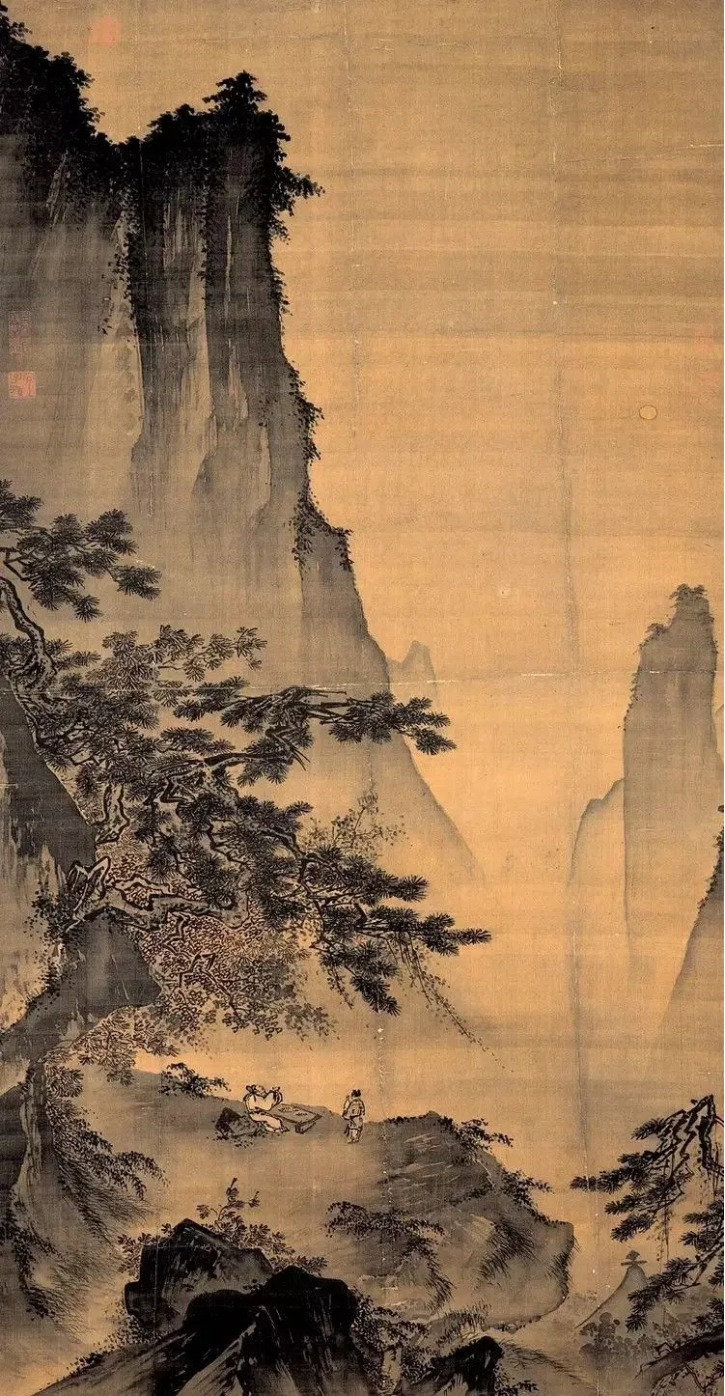
On the left is Dream 4.0, and on the right is Nano Banana. Surprisingly, both performed well in this round. They did not awkwardly insert realistic egrets but instead mimicked the original work’s brushwork and artistic conception, integrating their own understanding. The added egret elements blended seamlessly with the background, without any obvious sense of disharmony.
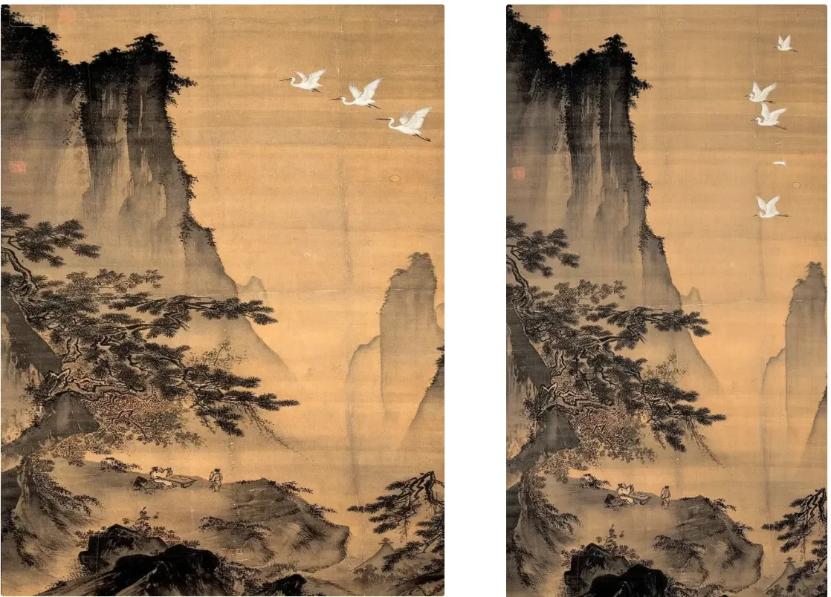
Summary of this round: Both models displayed good multi-style artistic integration capabilities.
04
Spaceship Covered in Pikachu
Prompt: Cover the spaceship with Pikachu.
This is a comprehensive case testing texture application, perspective understanding, and IP recognition. The model needs to apply the 2D image of “Pikachu” as a texture on the complex 3D surface of the “spaceship,” handling perspective, deformation, and light changes while ensuring the accuracy of the Pikachu image. I randomly found an image of a spaceship:
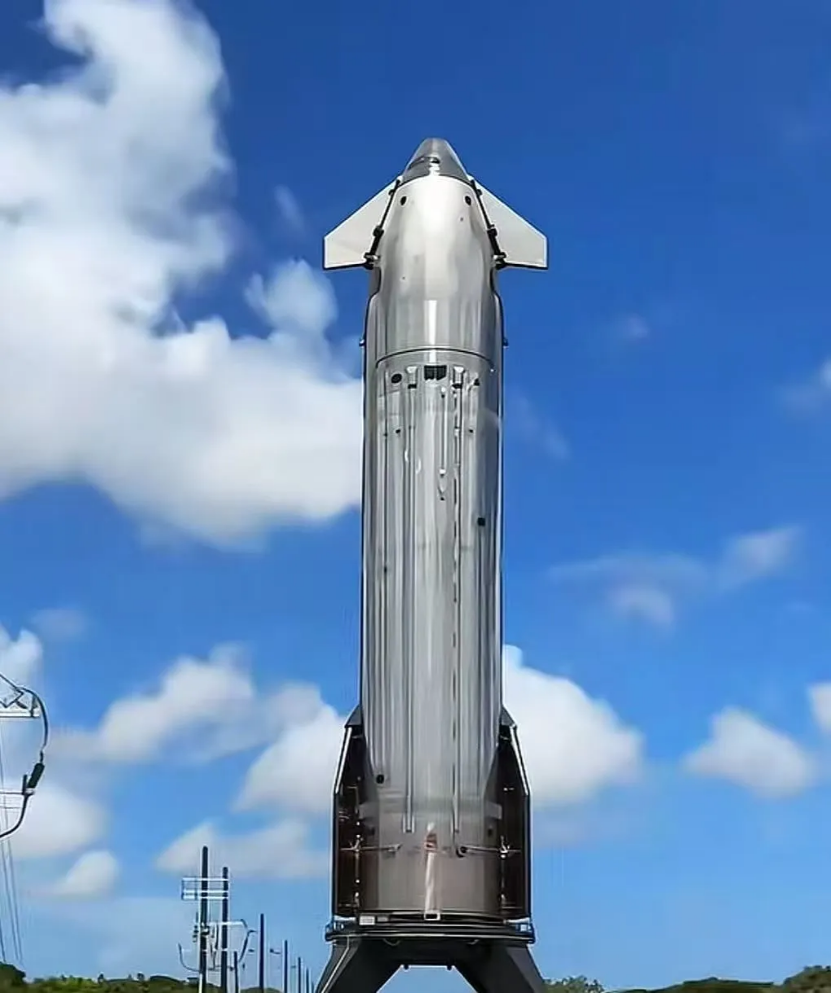
This is the result generated by Dream 4.0. The integration of Pikachu elements on the 3D curved object is indeed very good. The Pikachu texture fits well on different surfaces of the spaceship (such as wings and fuselage), with almost no unnatural stretching or protrusion from the spaceship itself.
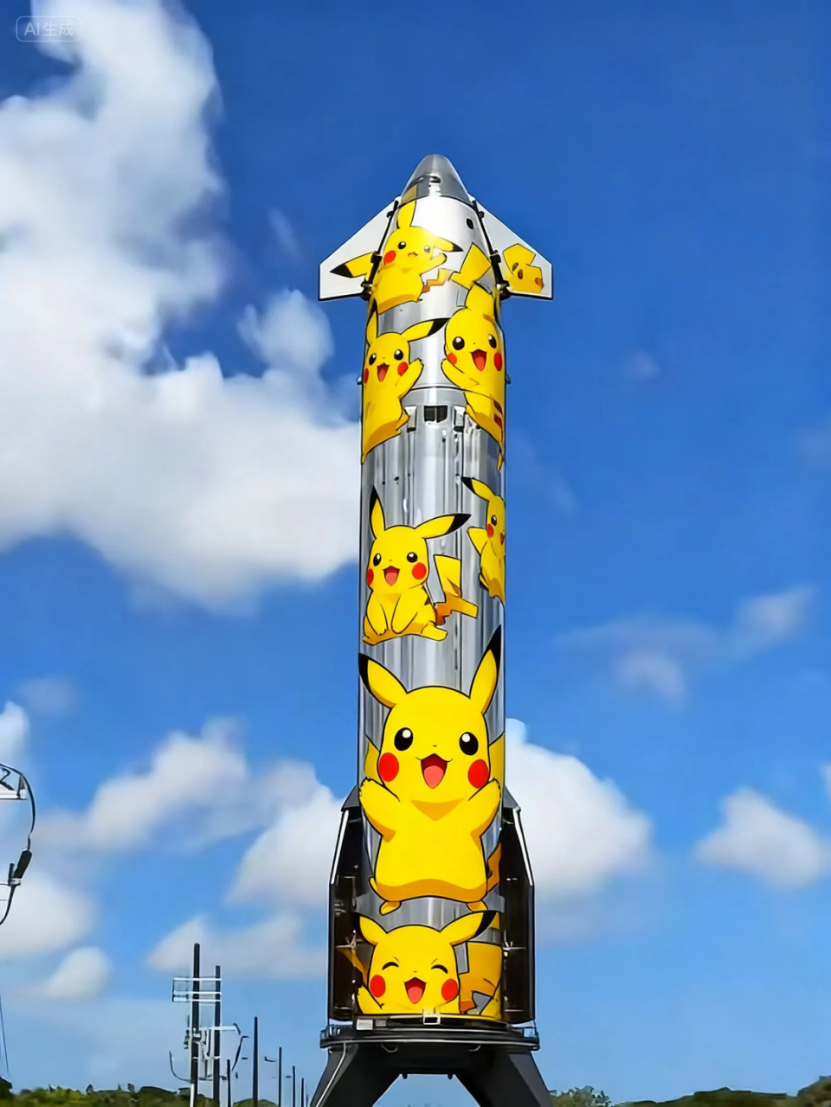
In contrast, the visually striking result from Nano Banana shows Pikachu fitting perfectly. It is evident that both “Pikachu” and “spaceship” are elements within Nano Banana’s comfort zone, allowing it to generate visually impactful images.
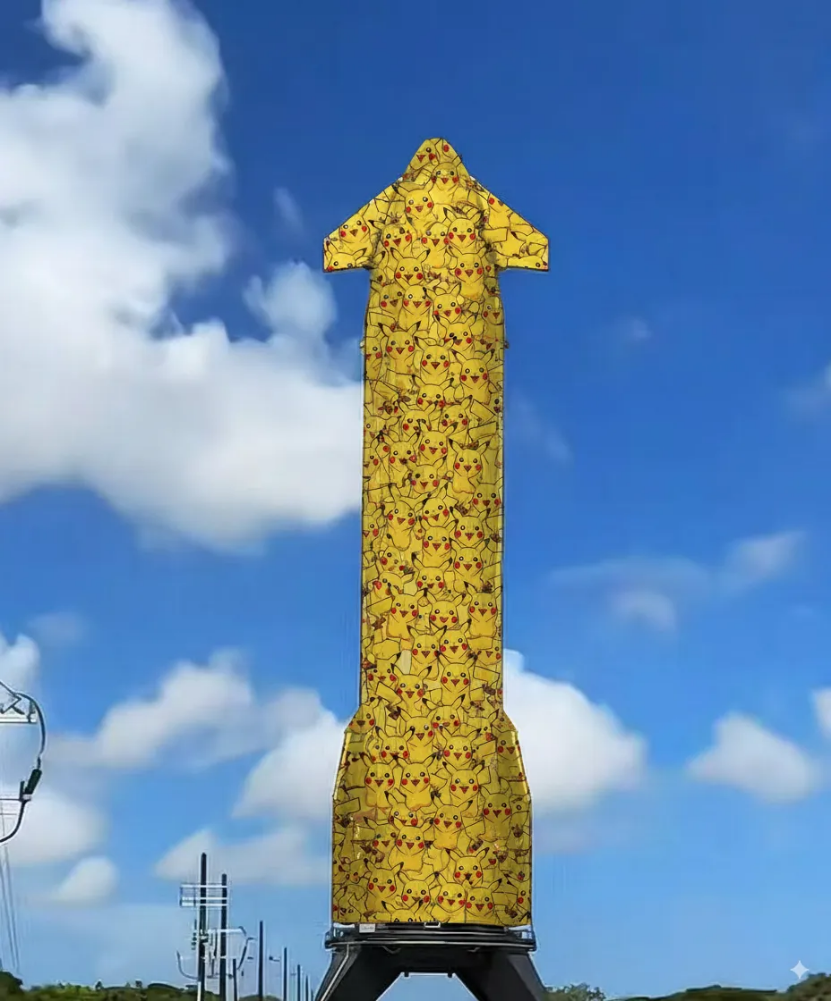
In comparison, Nano Banana’s realistic rendering ability is slightly stronger, meticulously handling each Pikachu’s form from different angles, making the entire paint job look very “realistic.”
Summary of this round: Both models successfully completed the task. Nano Banana has a better visual effect and artistic atmosphere.
05
Hand-drawn Journal Style
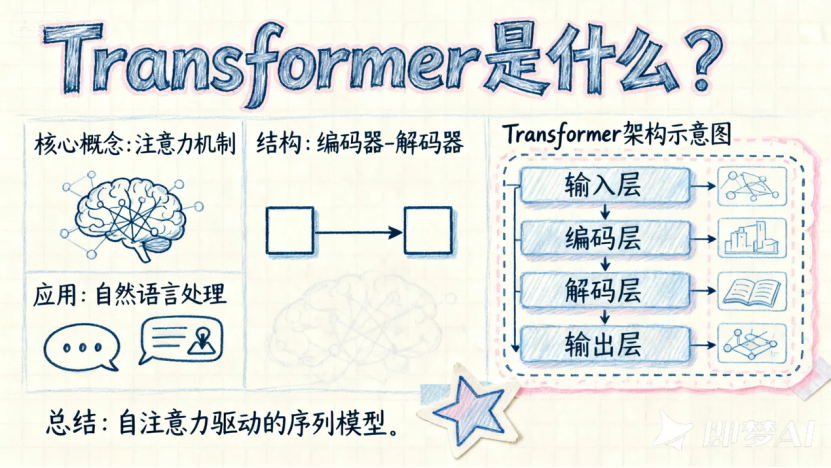
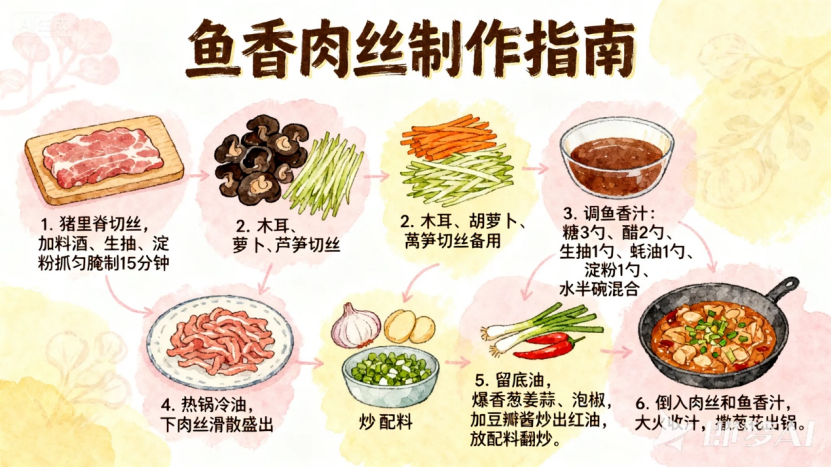
Prompt: In hand-drawn journal style, introduce what a Transformer is? How to make fish-flavored shredded pork?
“Hand-drawn journal style” is a collage art that combines illustrations, stickers, text, and other elements. The model needs to understand and reproduce this seemingly random yet design-rich aesthetic.
Dream 4.0 performed very well. The generated Chinese text is clear and accurate, with almost no errors. Whether explaining the Transformer architecture’s graphic layout or the ingredient guide for fish-flavored shredded pork, it is full of details, with a unified style, combining practicality and aesthetics.
Especially the fish-flavored shredded pork production guide below shows a good grasp of details, with all ingredient hand-drawn illustrations being quite good.
Nano Banana is slightly lacking in fun. However, its advantage lies in its ability to organize complex elements. In the page introducing the Transformer, it used more diverse and complex graphic elements to construct the layout, resulting in a richer visual hierarchy.
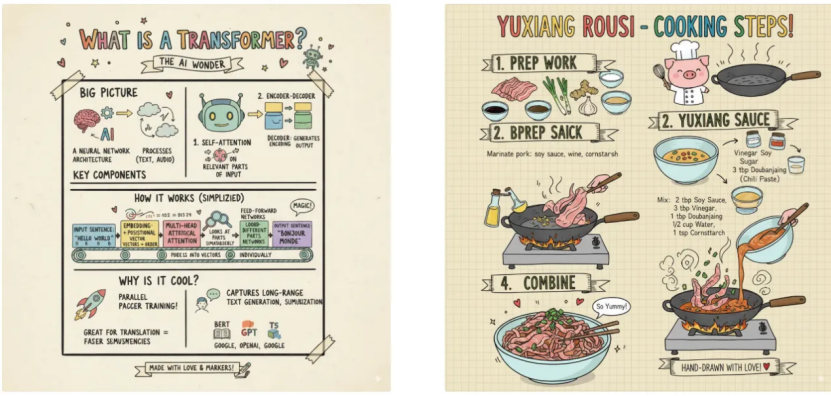
Summary of this round: Dream 4.0 is visually cuter, while Nano Banana has more capability in the complex combination of graphic elements.
06
Photo of Sam Altman and Elon Musk
Prompt: Have them take a photo together.
This is a classic test of celebrity portrait fusion, assessing the naturalness of light, expression, and body posture when generating a group photo.
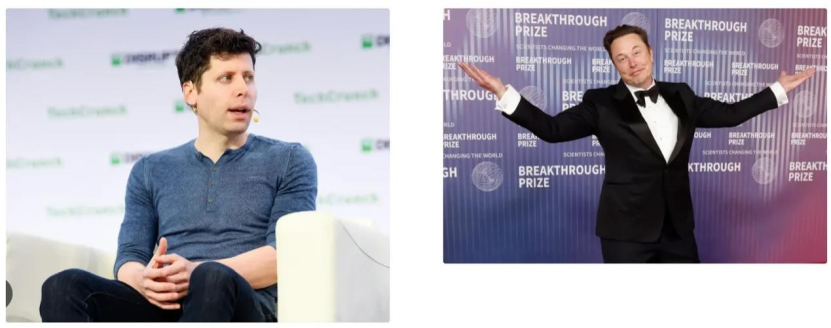
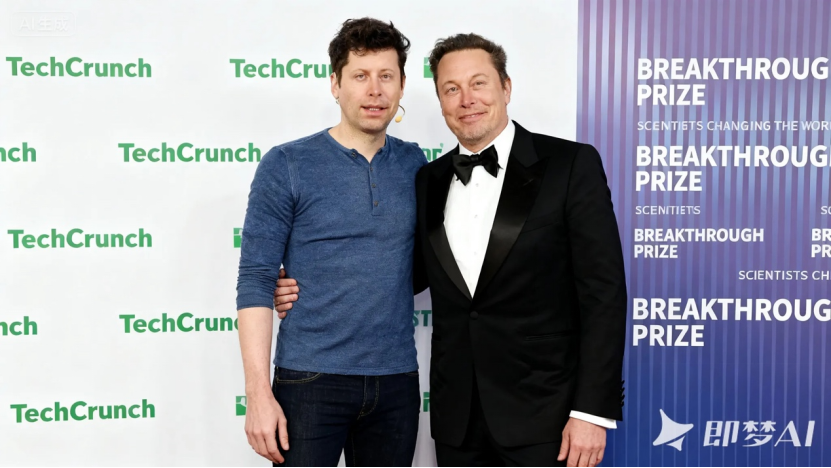
In this test, compared to Nano Banana, Dream 4.0’s performance is more natural, as if the two are having a “century reconciliation.”
However, why do Sam Altman and Elon Musk’s facial elements seem somewhat similar?
In the result generated by Nano Banana, the two still maintain the same actions as in the reference image, which looks very unnatural. The characters seem to have been simply “cut out” and placed, lacking a sense of real interaction.
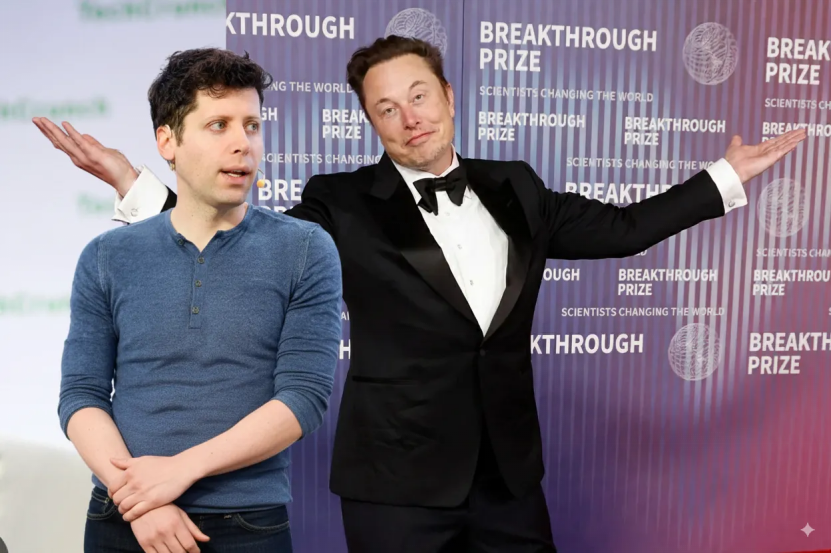
Summary of this round: Dream 4.0 excels in creating a natural atmosphere, but facial details still need refinement.
07
Precise Insertion of Brand Elements: OpenAI Logo
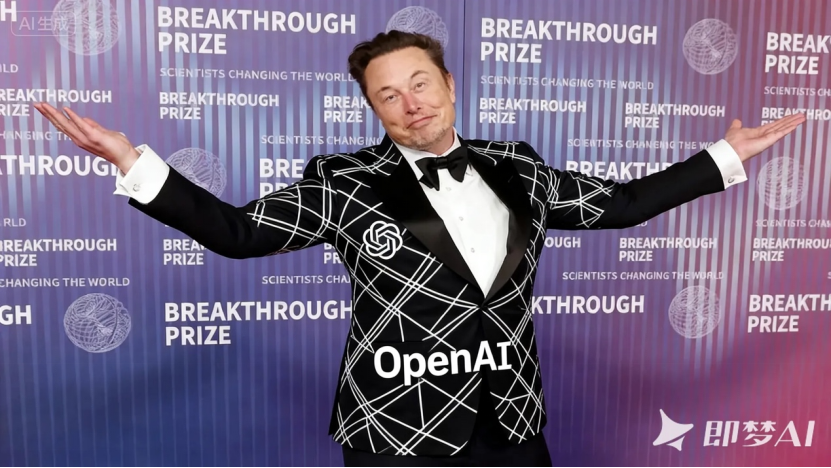
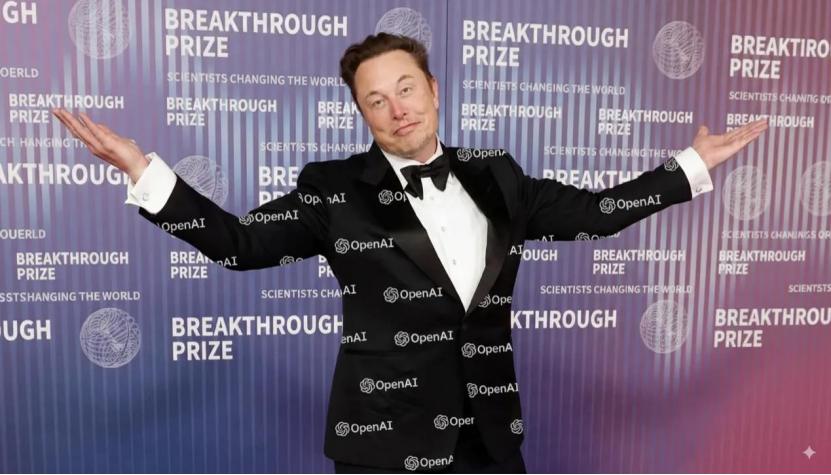
Prompt: Print multiple OpenAI logos on Elon Musk’s black suit.
This test is similar to the spaceship case but further assesses the texture fitting ability on clothing wrinkles. The black suit has variations in light and fabric wrinkles, and the model needs to ensure that the logo pattern naturally produces light and shadow changes and perspective distortions based on these physical changes.
The OpenAI logo is as follows:
Comparing the two, if I had to say, Dream 4.0’s integration of the OpenAI element into Elon Musk’s suit looks more design-oriented, but the rendering at the suit’s cuff position was not achieved:
In contrast, Nano Banana is more faithful to the prompt, printing the OpenAI logo all over the suit’s wrinkles. The logo naturally distorts according to the fabric’s wrinkles.
Summary of this round: Nano Banana excels in fidelity to instructions and technical implementation.
08
Elon Musk Figurine
Next, we will create a currently popular figurine model based on the image generated by Nano Banana.
Prompt: Use the nano-banana model to create a 1/7 scale commercial figurine of the character in the image, in a realistic style, placed in a real environment. The figurine is placed on a computer desk, with a round transparent acrylic base without text. The computer screen displays the ZBrush modeling process of the figurine. Next to the computer screen is a BANDAI-style toy packaging box, with the original illustration printed, presented as a two-dimensional flat illustration. Please ensure all elements strictly match the reference image.
The performance of both can be said to be on par. However, Dream 4.0’s computer screen behind the figurine has a slight illusion:
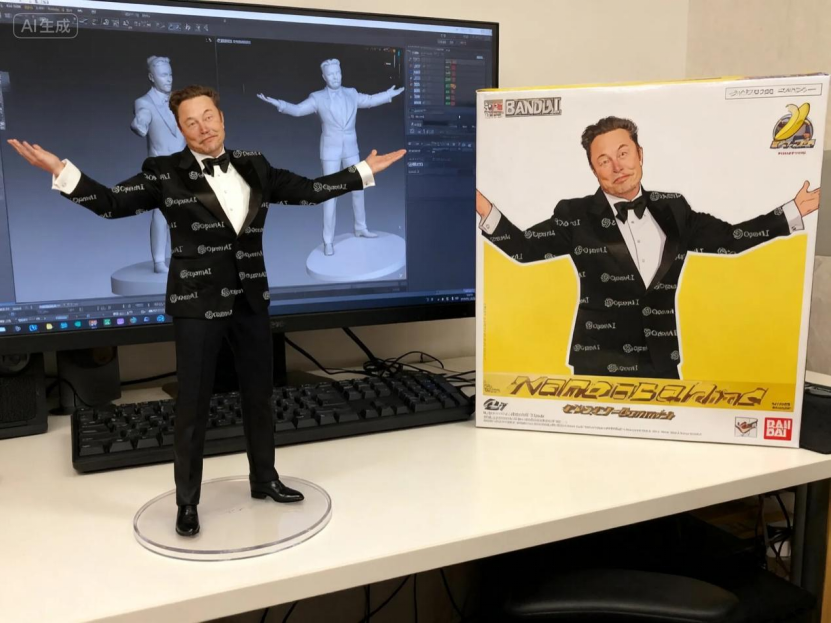
Nano Banana is indeed more meticulous, executing well from the realistic style of the figurine to the flat illustration on the packaging box:
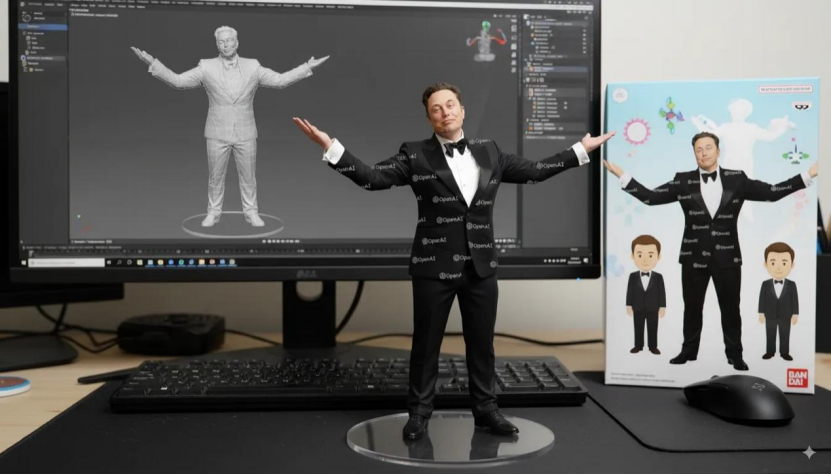
Summary of this round: In executing complex instructions, Nano Banana’s accuracy is slightly ahead.
09
Multi-element Fusion: Outfit Change
Next, let’s try more element fusion.
Prompt: The woman in image one wears the outfit from image two.
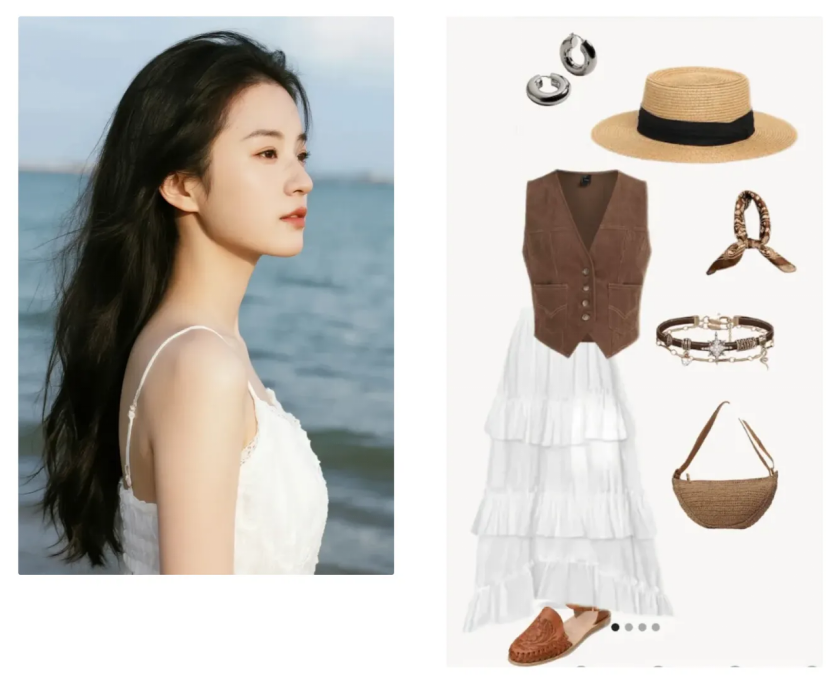
Precise local redrawing is the core function of AI image editing. It tests the model’s ability to replace the subject while keeping the background, light, and perspective unchanged, and seamlessly integrating the new elements with the environment.
Both performed quite well overall, successfully integrating the new outfit onto the character, with realistic and natural effects. However, both still have room for improvement in detail handling, such as understanding and redrawing wrist accessories, which showed some discrepancies.
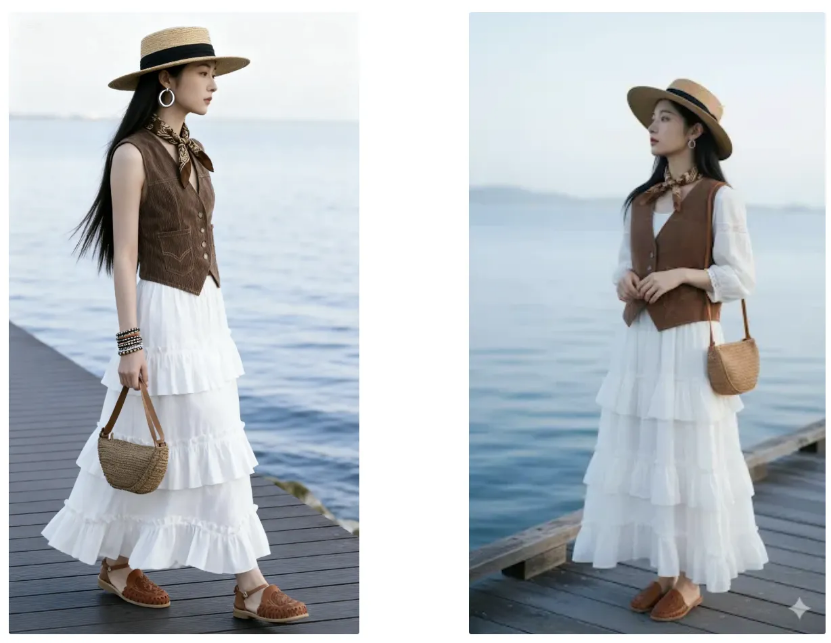
Summary of this round: Overall, both are acceptable but not perfect.
10
Change Dog to Husky
This case also tests whether the two models can accurately redraw a specific element in the image.
Prompt: Change the man’s dog to a husky.
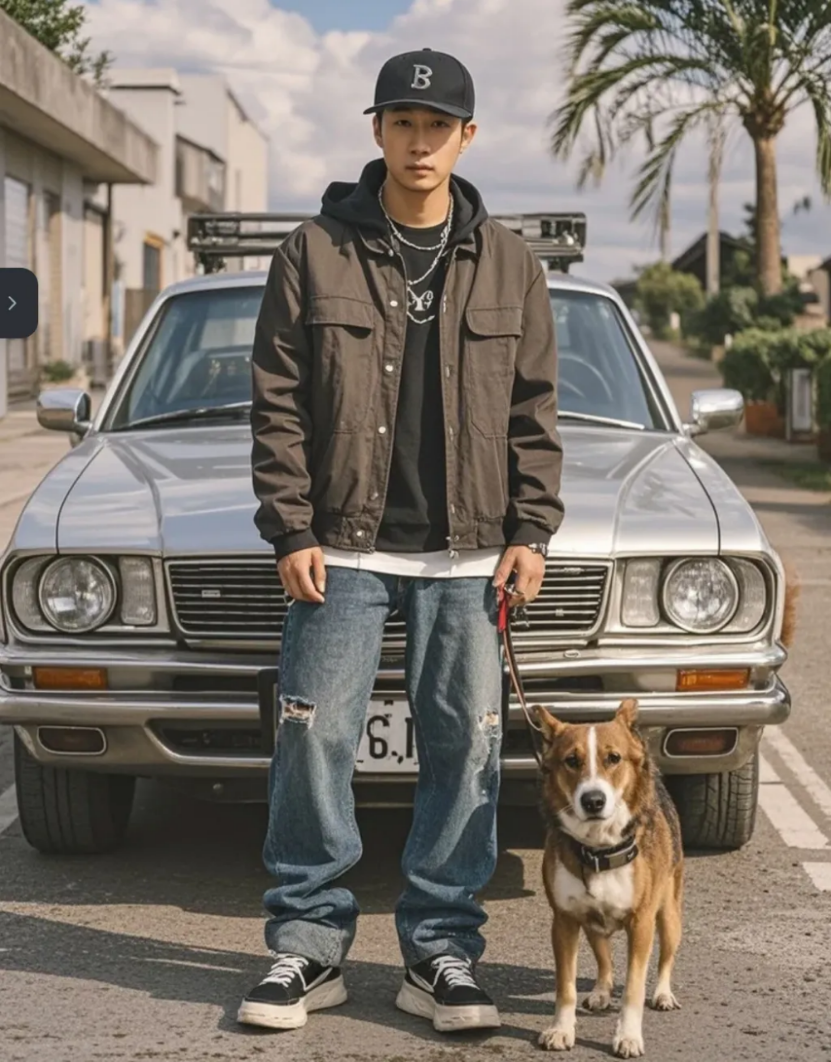
In this round, both models demonstrated mature image editing capabilities, handling both the realistic husky fur and the integration with the environment very well, making it hard to distinguish between them.
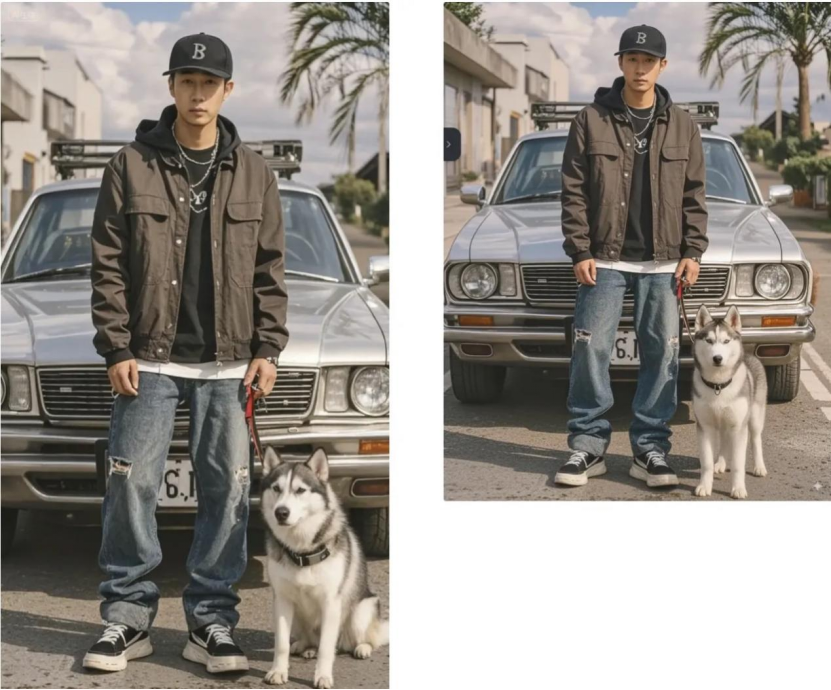
Summary of this round: Once again, both are evenly matched, each capable of completing the task with high quality.
11
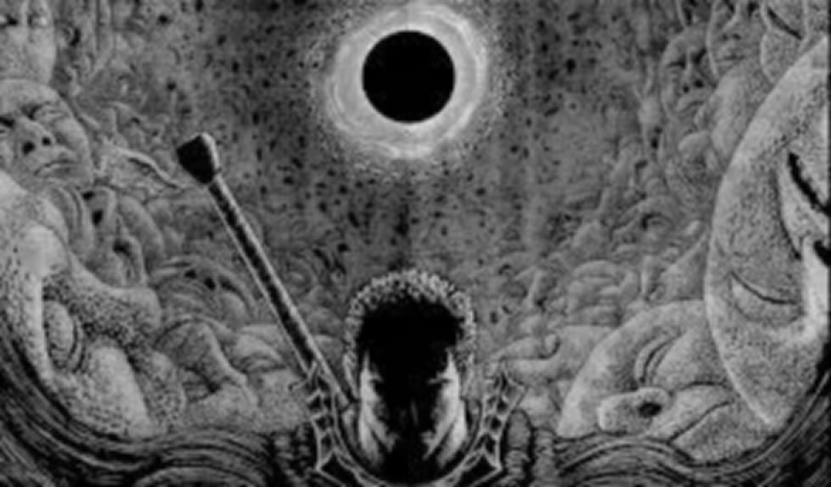
Coloring the Legend of the Wind Comic
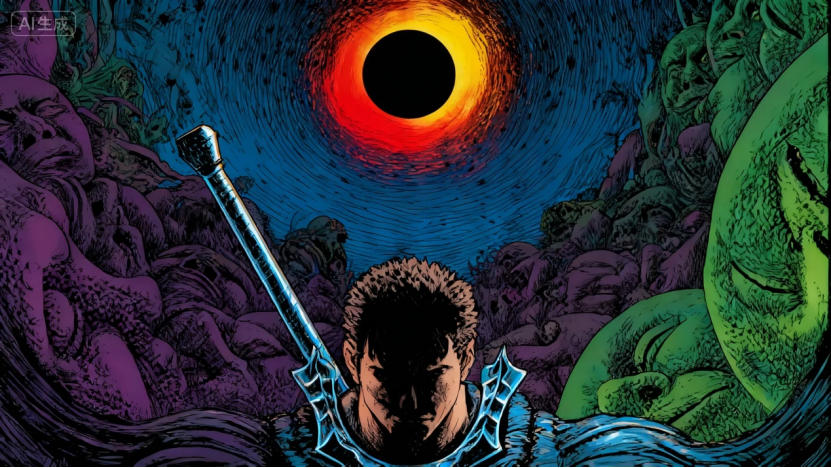
This next case will be more complex, testing the model’s coloring ability and understanding of specific artistic styles. Good AI coloring needs to understand the light, material, and atmosphere in the original work by Kentaro Miura, enhancing rather than destroying the original’s weight and power with color.
Prompt: Color the Legend of the Wind comic.
Dream 4.0’s coloring style leans towards exaggerated colors and strong contrasts typical of American comics, with strong visual impact.
Nano Banana shows a deeper understanding of the dark-themed Japanese manga style. Its coloring scheme retains the epic feel and gloomy atmosphere of the original work very well.
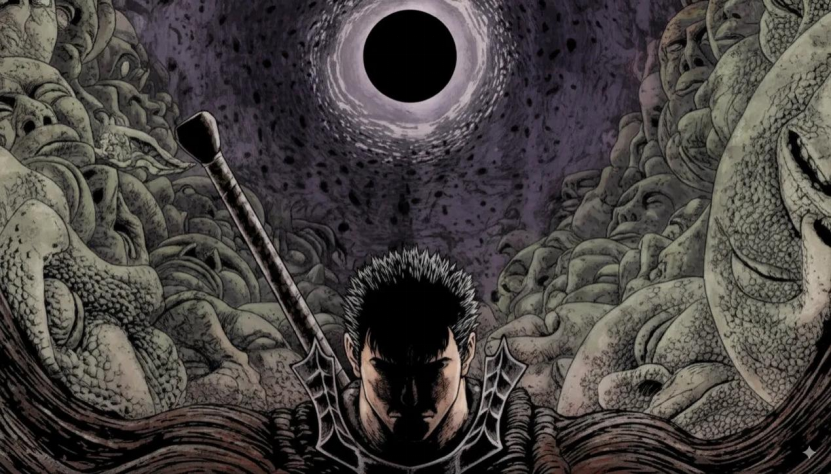
Summary of this round: Nano Banana excels in understanding and interpreting specific comic styles.
12
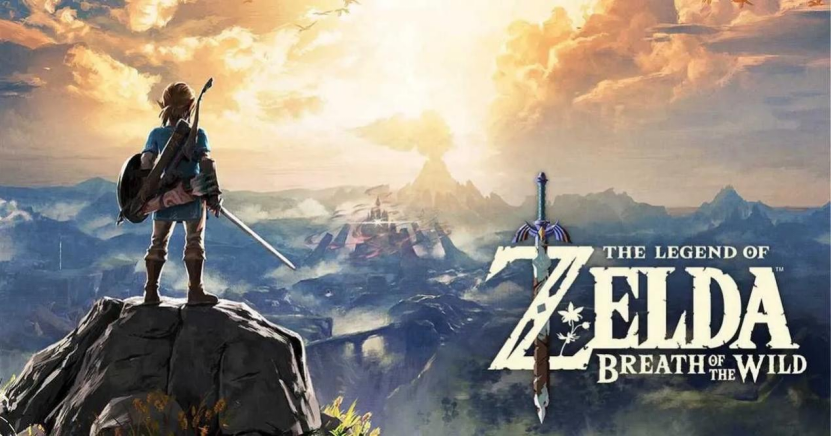
Modification of The Legend of Zelda Poster
This case tests the model’s mastery of a mature, popular game IP’s artistic style and its creative extension ability based on that.
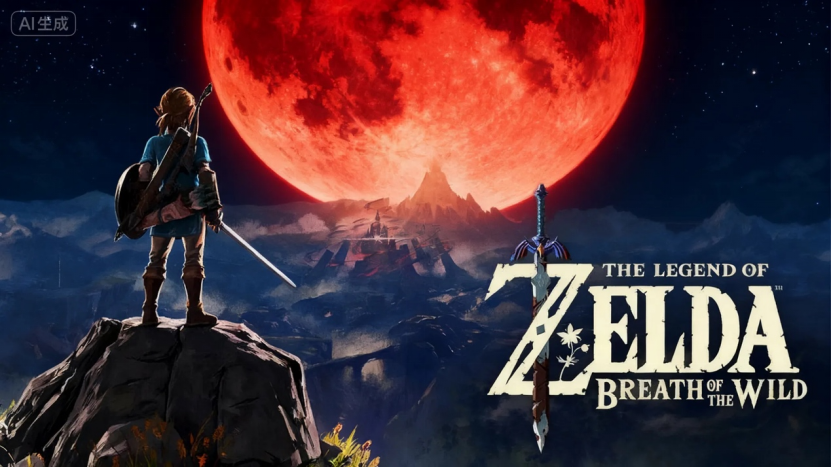
Prompt: Change the blood moon to face the male protagonist in this poster.
Dream 4.0’s result is more shocking. If you look closely at the left side of the male protagonist, you will find that Dream has added a layer of highlight to him. The overall 3D effect of the character is stronger.
Nano Banana tends to enhance details or seamlessly add or subtract elements based on the original work, maintaining the original flavor of the poster. It does not use exaggerated elements to change the overall feel of the poster.
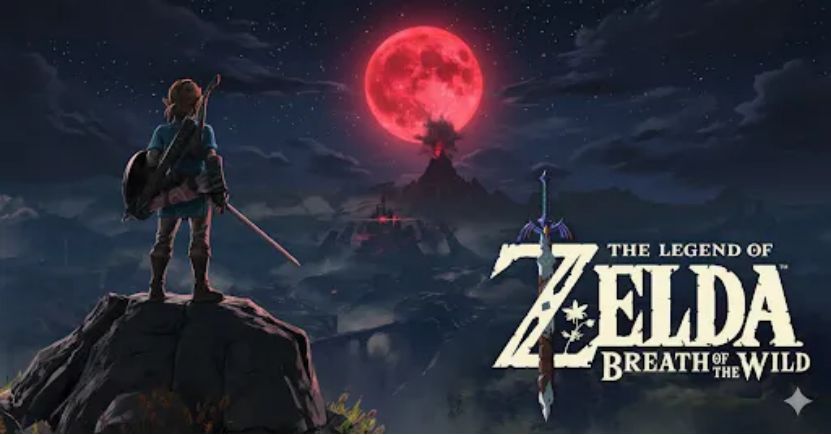
Summary of this round: Dream 4.0’s secondary creation is more exaggerated, while Nano Banana’s performance is more faithful to the original poster, resulting in a tie.
13
Zelda Princess Hairstyle Grid
Both models are well-suited to derive various creative elements from a single image.
Prompt: Generate 9 different hairstyle designs based on the reference image I provided, and integrate them into the same photo. The image should highlight the details and characteristics of each hairstyle through close-up perspectives, with a unified and aesthetically pleasing overall composition.
The reference image is as follows:
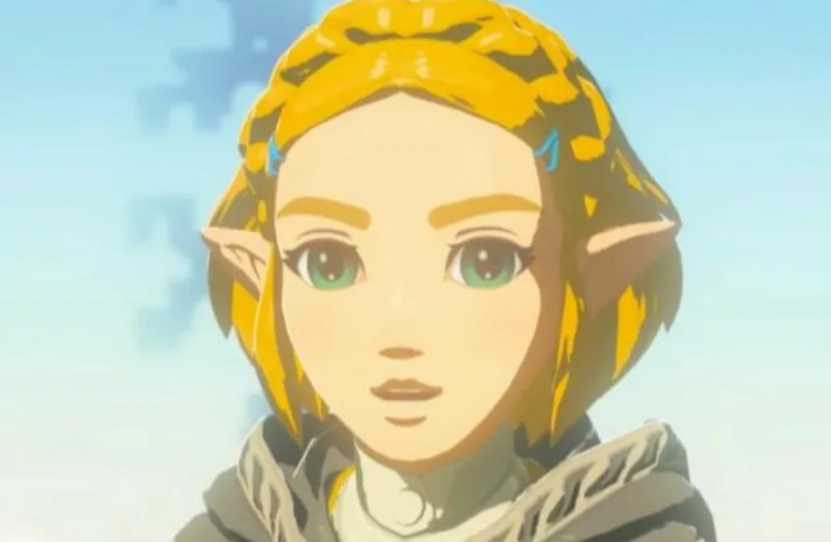
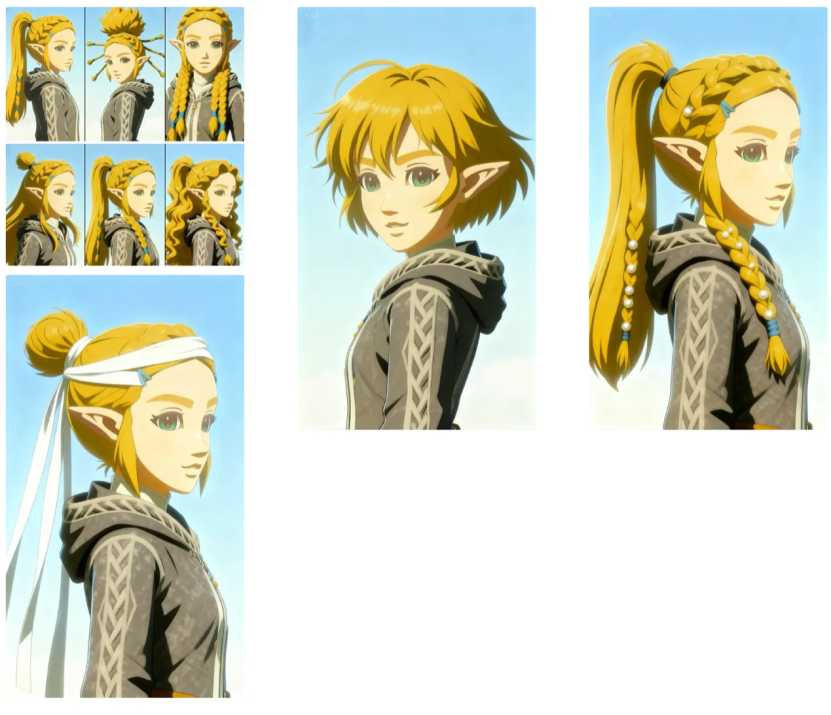
For some reason, Dream 4.0 always generates one image at a time, so I stitched the images together. It generates images from various angles and poses, even producing some designs that are somewhat “strange.”
What is that image in the second position of the first row!
Nano Banana performs more consistently. It strictly retains the original background and character posture, only targeting diverse designs for hairstyles, being more faithful to the prompt and original style, resulting in a strong consistency in the final result.
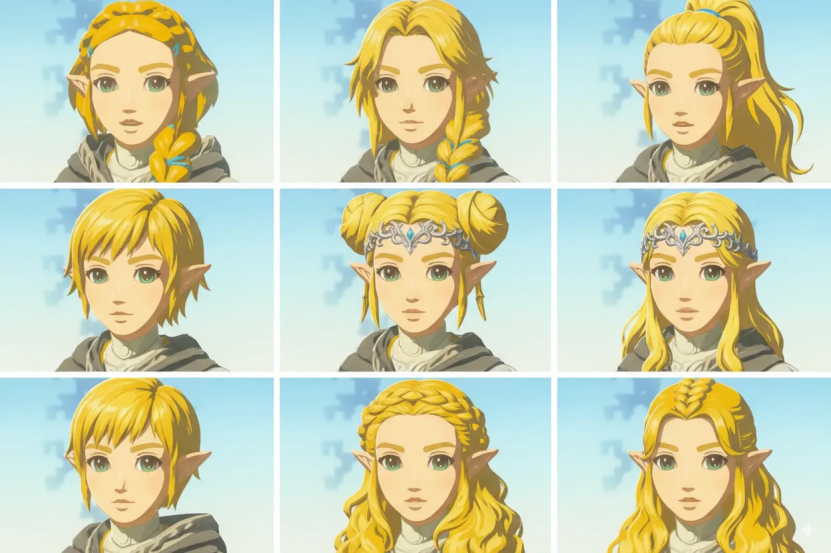
Summary of this round: Nano Banana performs better in maintaining consistency and following instructions.
14
Isometric Models of the World’s Top Ten Landmarks
This test mainly targets the model’s ability to recognize specific buildings and execute the “isometric drawing” style. The “isometric model” style is commonly seen in simulation games or flat design, requiring all objects to be presented from a unified oblique perspective, without perspective distortion.
Prompt: Generate isometric models of the world’s top ten landmarks.
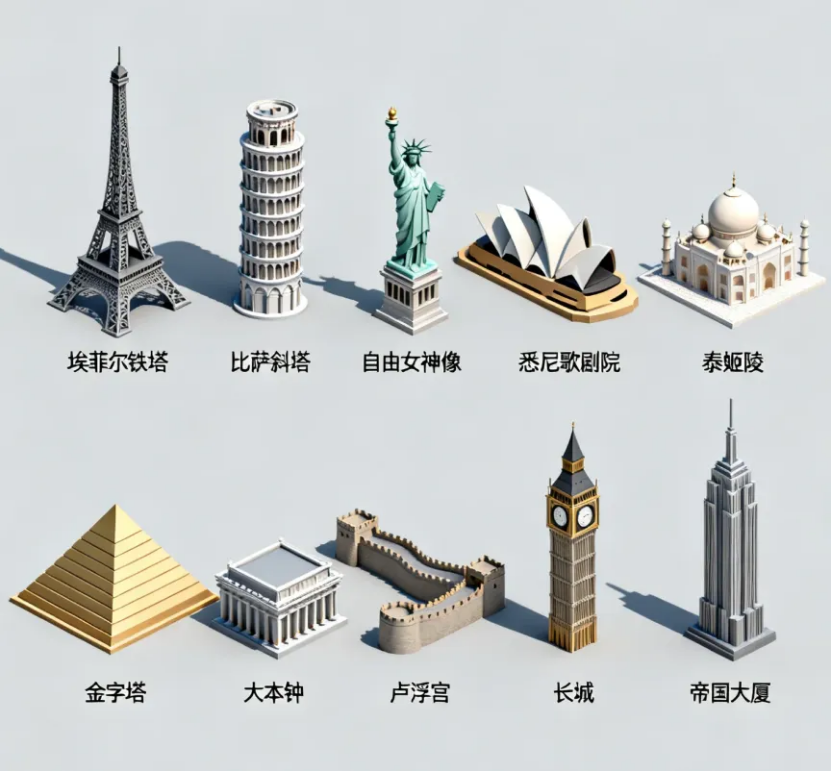
Emmmm, how to say, on the left is Dream 4.0, which completed the task in a very “straightforward” manner. It generated ten landmark buildings as independent isometric models and rigorously labeled them, resembling an architectural atlas. However, there are issues with the correspondence between names and illustrations, and the details are not accurate enough.
Nano Banana, on the other hand, integrated all landmark buildings into one large image, creating a miniature scenic world, which looks more like a refined asset for a simulation game.
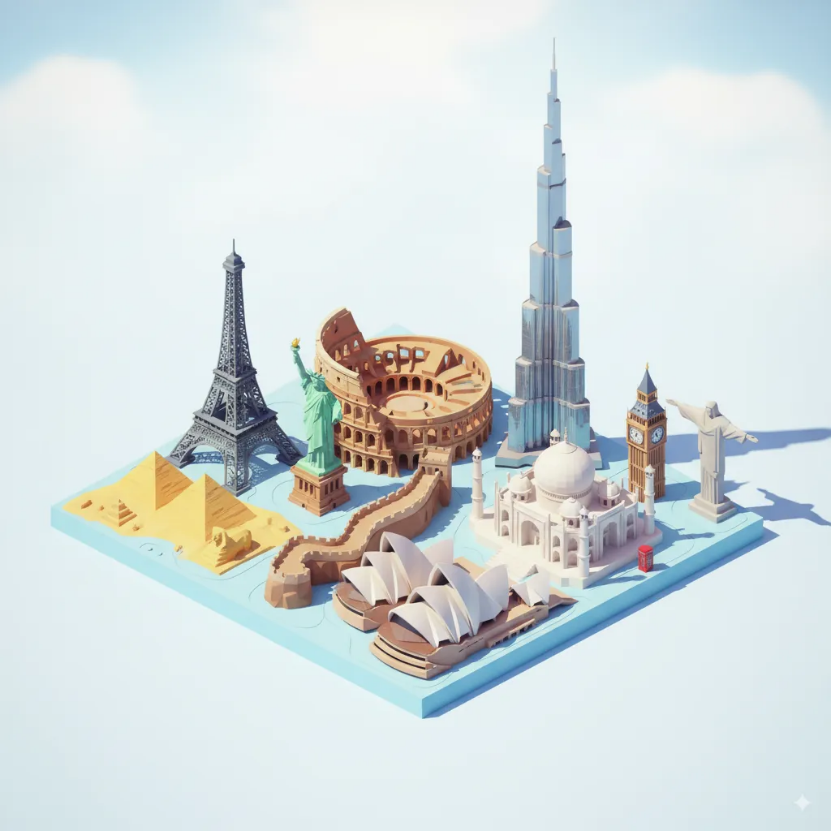
Summary of this round: Dream 4.0 excels in clarity of information, while Nano Banana excels in model integration.
15
Precise Element Modification on Taobao Page
This is the last case, a practical commercial application scenario test. The model needs to “understand” the text and products in the image, comprehend the positions of various elements in the picture, and accurately modify the corresponding text and numbers on the image while maintaining the original style.
Prompt: Salad dressing + meat floss greater than or equal to 95%, coupon after 1.67
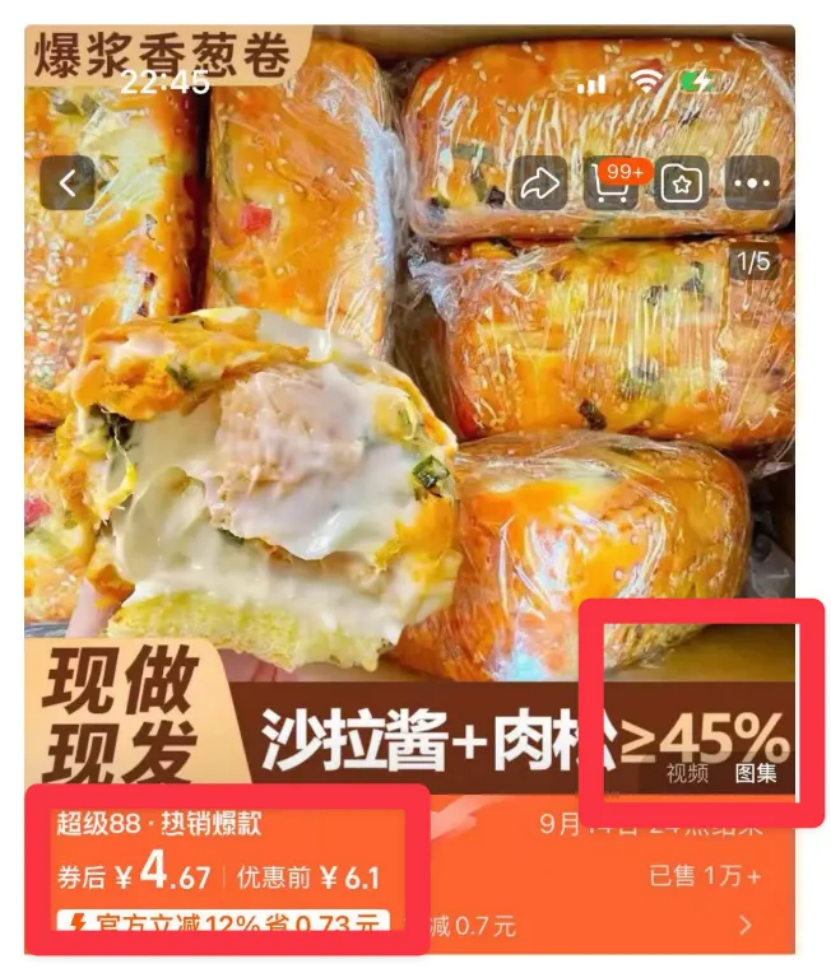
The result this time is not as “hard to distinguish” as the previous results. Dream 4.0’s performance is clearly better. It can identify the area of text that needs modification and then perform precise replacements without affecting the surrounding UI elements and product images.
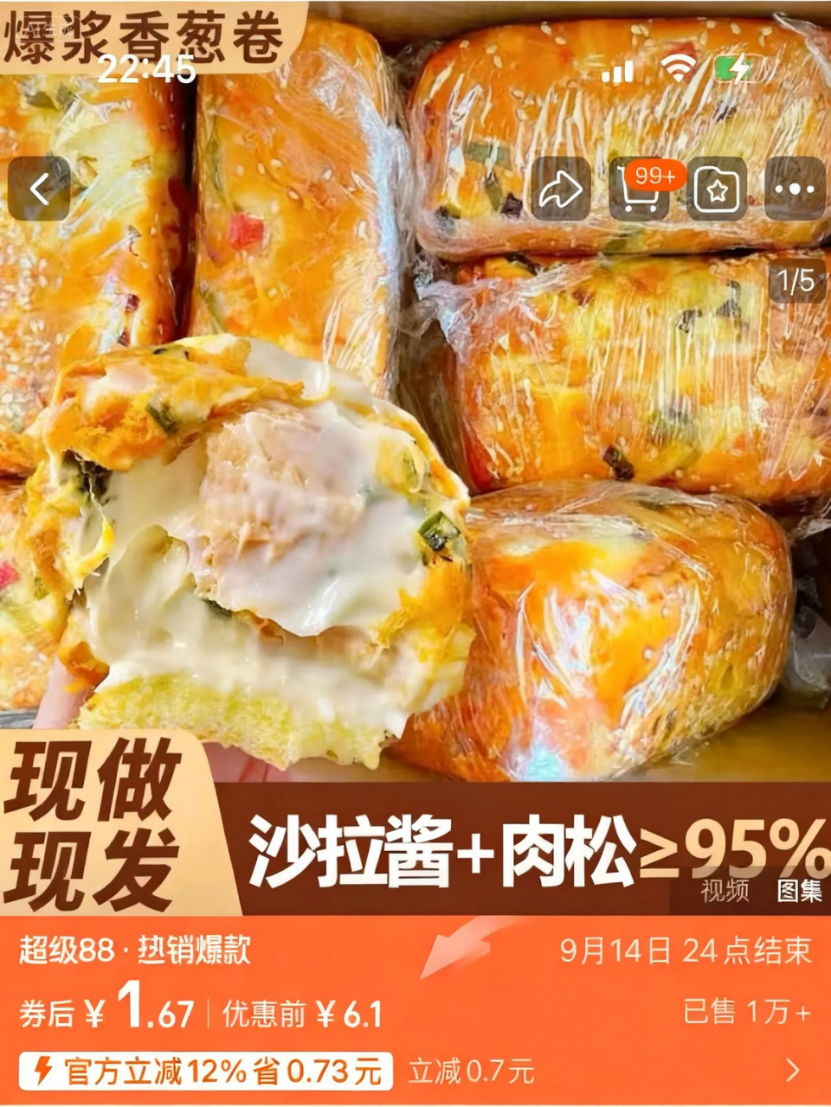
Despite multiple attempts, Nano Banana can accurately modify the numbers but always “accidentally” changes the shape of the bread, failing to achieve precise local control.
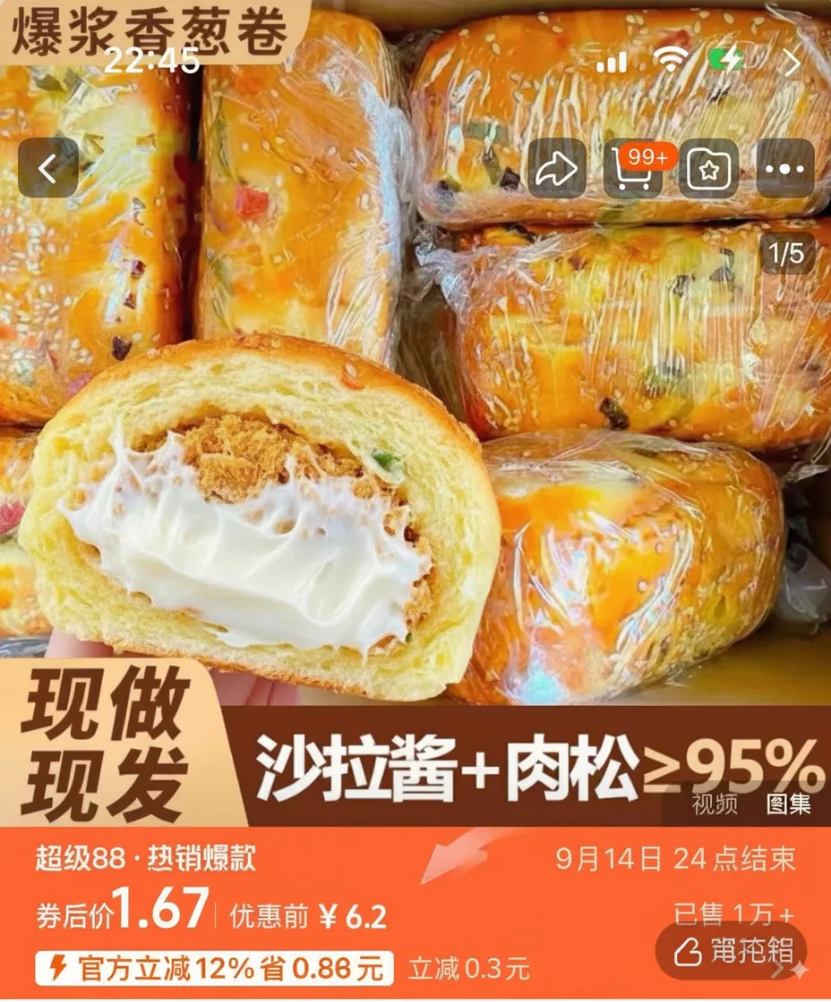
Summary of this round: Dream 4.0 has a clear advantage, being more adept at precise element modification in complex images.
Conclusion
After 15 rounds of diverse “examinations,” our understanding of the capabilities of the two AI drawing “contestants,” Dream 4.0 and Nano Banana, has become clearer. Dream 4.0 is stronger in realistic restoration, creative design, and precise editing. Nano Banana is more faithful to prompts and has a more varied style. Another intuitive discovery from personal experience is that Dream 4.0’s generation speed is indeed very fast, almost half the time required for Google AI Studio or Gemini to call Nano Banana.
However, after watching this “battle of the gods,” the biggest feeling is that the gap between domestic models and international giants is getting smaller, even reaching a stalemate. To be honest, I foresee that in the second half of 2025, the competition among AI image generation models will only become more intense and diverse.

Feel free to leave a comment~If you need to open a white list, please add the editor’s WeChat: dongfangmark