Research shows that the AI toy market reached over 10 billion yuan in 2023, and it is expected to exceed 100 billion yuan by 2030, with a compound annual growth rate (CAGR) of over 50%. This growth rate indicates a strong market demand for intelligent toys. However, concerns and doubts regarding the privacy and information security of AI toys have attracted public attention, with several alarming cases emerging recently. The author believes that the following issues regarding privacy and information security in AI toys need to be primarily addressed: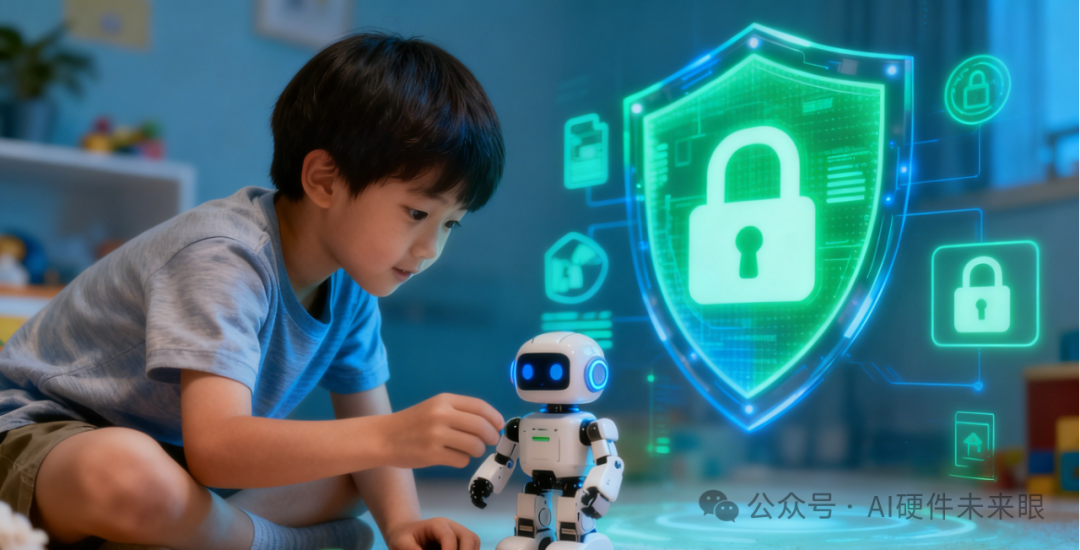
01
Privacy and Data RisksExcessive data collection: Collecting data on voice, appearance, behavior, emotions, and family environment.Data storage and transmission risks: If data is not encrypted during cloud storage and transmission, it can be easily stolen by hackers.Covert data usage: User agreements may default to using data for commercial research or require access to home Wi-Fi, posing risks. Personal information of children (such as name, birthday, preferences) may be collected and used for commercial marketing or even worse purposes.
02
Content Safety RisksProviding inappropriate content: May discuss sexual or sensitive topics with children or provide guidance on dangerous behaviors.Lack of effective protection: In longer conversations, the ability to guide children away from inappropriate topics may weaken.
03
Psychological and Social ImpactsEstablishing false trust: Toys designed as “friends” and “confidants” may lead children to disclose family privacy or secrets.Replacing real interactions: Over-reliance may take away time from children for imaginative play and real interpersonal interactions.With the rapid development of technology and the AI toy industry, ethics and safety are the bottom lines that the industry must adhere to. The protection of children’s privacy is paramount—these toys collect a large amount of children’s voice data and behavioral habits during voice interactions. Establishing a secure system for data encryption storage and anonymization to prevent information leakage or misuse has become a compliance issue that companies must address. Additionally, improving content review mechanisms is equally critical: some products have shown inappropriate responses due to biases in large model training data, highlighting the importance of establishing a dedicated content filtering system for toys. The industry urgently needs to form unified technical standards and ethical norms to find a balance between innovation and safety. #AI Toys #Information Security #Privacy Protection #Regulation #Compliance #AI HardwareWhat do you think about this? Feel free to leave a comment below.More historical articles about AI toysHuawei releases AI toy – Smart HanhaiLearn about a small AI product – the AIBI pocket pet that sold 850,000 unitsNot just competing on parameters but on “temperature”: Ropet validates the commercial value of emotional AIDon’t just focus on Labubu, AI is revolutionizing the toy industryTrue AI or shell AI, which side are you on in this debate?Followme to touch the future of AI together!Some images in this article are sourced from AI and are not for commercial use.