With the accelerated development of the silver economy and the increasingly prominent trend of population aging, traditional elderly care service models can no longer meet diverse needs. Against this backdrop, artificial intelligence technology and robotics are integrating into the elderly care industry at an unprecedented speed, constructing a smart elderly care ecosystem that covers multiple dimensions such as daily care, health management, and emotional companionship through seamless connections between intelligent algorithms and IoT devices. This transformation not only enhances service efficiency but also redefines the quality standards of elderly life, allowing technology to warmly protect every elder.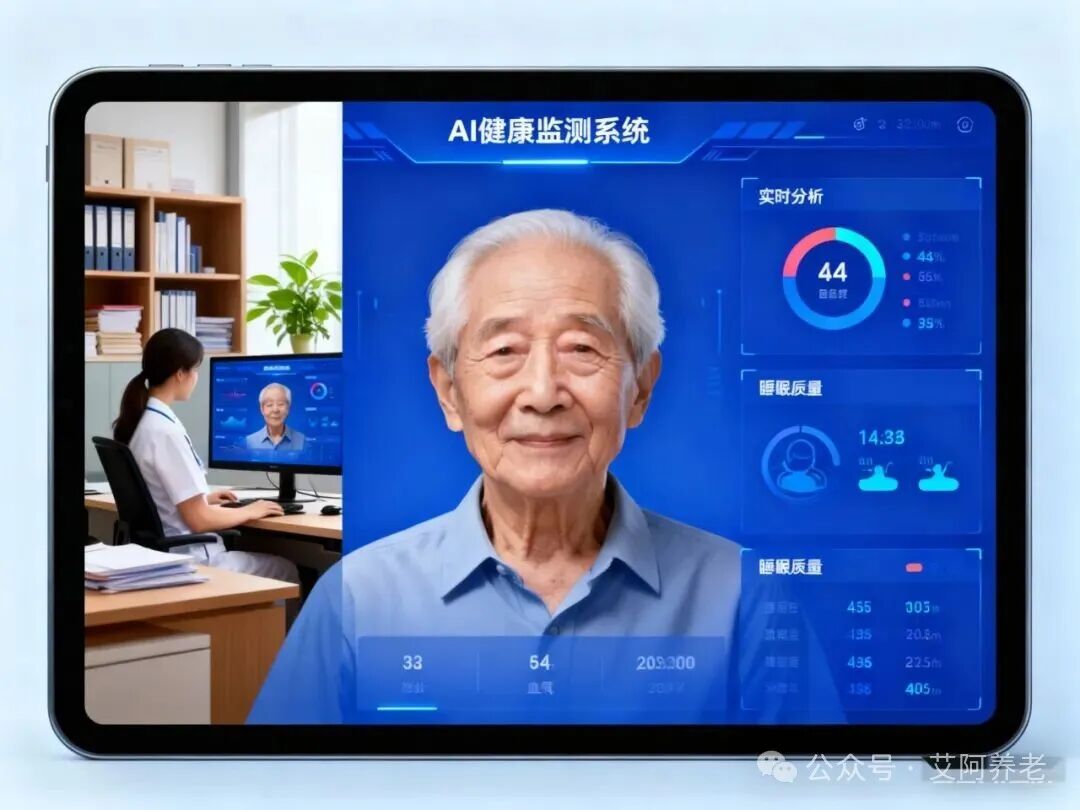
The core application of artificial intelligence in the elderly care field is reflected in precise health monitoring and early warning systems. Through wearable devices, environmental sensors, and other IoT terminals, AI can collect real-time physiological data such as heart rate, blood pressure, and sleep quality of the elderly, and utilize machine learning models to analyze abnormal trends. For example, when the system detects a fall or abnormal heart rate in an elder, it automatically triggers an alarm and contacts medical personnel, significantly shortening emergency response times. At the same time, AI-driven chronic disease management platforms can provide personalized dietary and exercise recommendations based on individual health records, achieving a shift from treatment to prevention.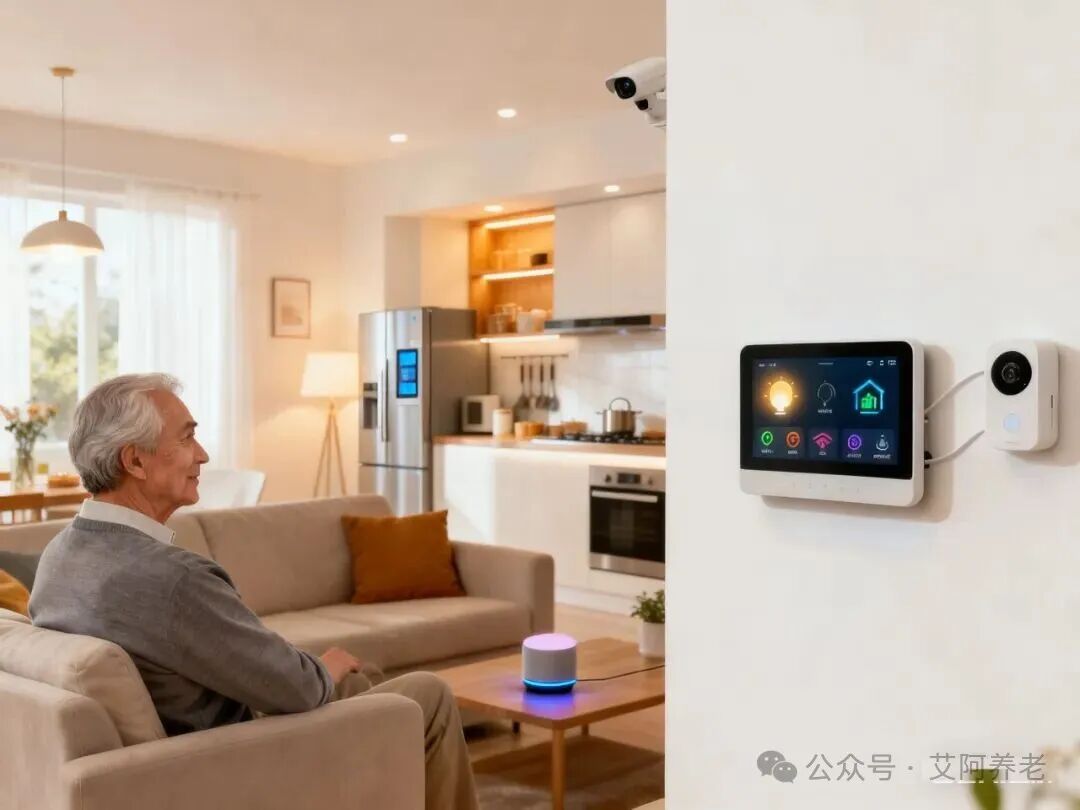
Robotic technology plays an increasingly important role in smart elderly care, especially in daily nursing and emotional support. Care robots can assist the elderly with physical tasks such as getting up, feeding, and taking medication, reducing the burden on caregivers; companion robots interact with the elderly through natural language processing technology, providing chatting, entertainment, and reminder services to alleviate feelings of loneliness. Some advanced robots also have remote medical collaboration functions, allowing doctors to conduct preliminary diagnoses through robots, ensuring timely intervention. These robots not only enhance service efficiency but also increase the autonomy of the elderly through human-centered design.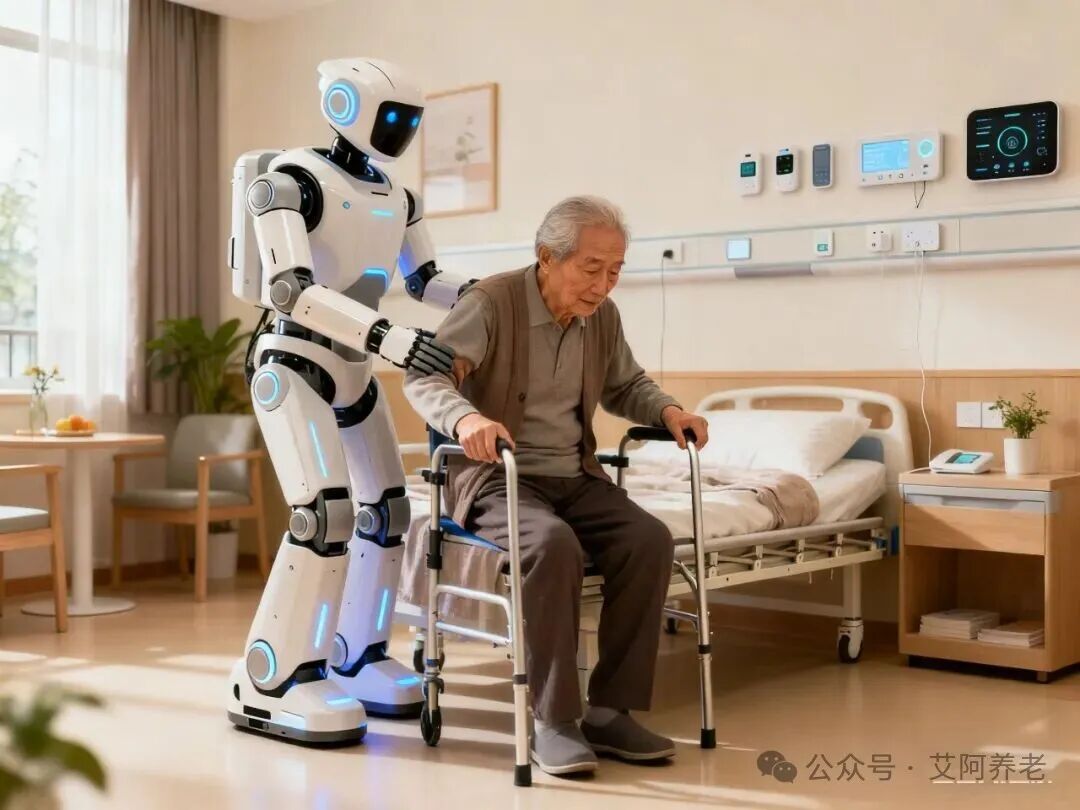
The integration of IoT devices is a key element in achieving full-scenario smart elderly care. Smart home systems interconnect lighting, air conditioning, security, and other devices, allowing the elderly to control their living environment through voice or simple interfaces; smart mattresses monitor sleep status and adjust support strength, while kitchen sensors remind users about gas safety and dietary planning. These devices connect to a cloud platform and AI center, forming a data closed loop, enabling elderly care services to break spatial limitations, providing a consistent smart experience whether at home or in the community.
Compared to traditional elderly care models, AI and robotics-driven smart elderly care achieves full-scenario coverage, significantly improving service efficiency and elder satisfaction. Traditional services often rely on manual inspections, leading to delayed responses and uneven resource allocation, while smart systems optimize nursing resource distribution through predictive maintenance and automated processes. For example, AI can analyze behavioral data to identify cognitive decline risks in advance, robots assist in reducing human error, and IoT ensures seamless monitoring 24 hours a day, ultimately lowering operational costs while granting the elderly more dignity and independence.
Looking ahead, as technologies such as 5G and edge computing mature, AI and robotics will play a greater role in the elderly care field. Personalized robot customization, emotional interaction AI, and cross-device intelligent collaboration will become trends, driving the elderly care industry towards more refined and human-centered development. Governments, enterprises, and society need to collaborate to improve data security and ethical standards, ensuring that technological benefits reach every elder, and building an inclusive and intelligent new era of elderly care.