Industry weatherman

In 2025, the integration of AI and imaging technology is giving rise to an unprecedented array of innovative products. From Kohler’s toilet camera Dekoda to the Pontbot tennis ball launcher that intelligently feeds balls like a professional coach, and the global hunting camera market, which reaches $85 million annually, AI imaging technology is reshaping product forms and user experiences across various traditional industries.
Behind these seemingly disparate products lies a common technological logic: optical modules capture images, AI chips process data, and algorithm models understand content. In the future, enormous opportunities are hidden within these new scenarios unlocked by high computational power, presenting a chance for AI Native imaging companies.
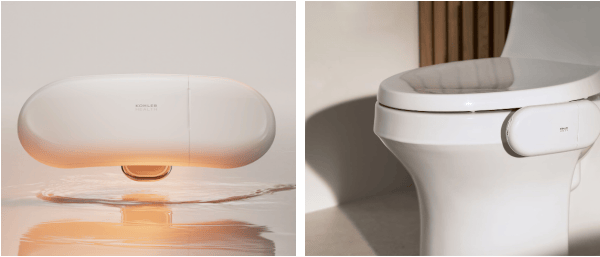
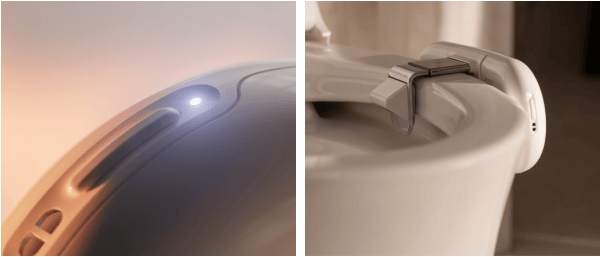
KohlerDekoda Toilet Camera
The Dekoda is equipped with a high-performance sensor and relies on breakthrough innovative technology to scan the contents of the toilet bowl and provide precise analysis, offering users data-driven health insights. With a minimalist streamlined design language, its elegant curves can seamlessly integrate into various bathroom spaces and daily life.
AI TelescopeSolvia
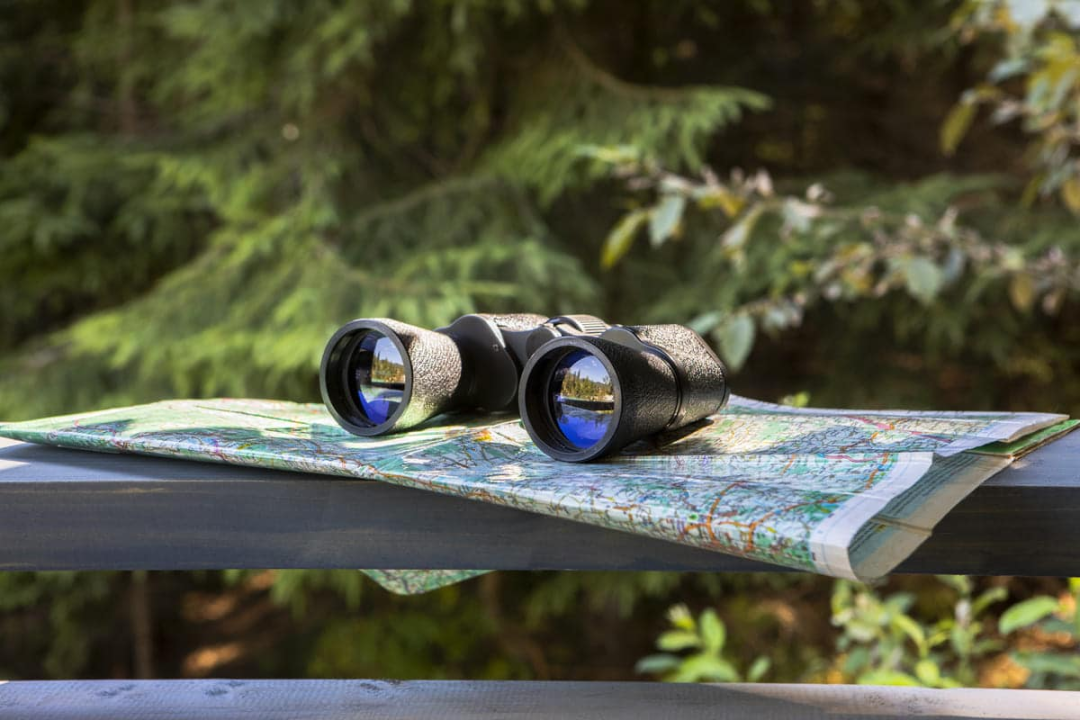
Solvia is an AI binocular telescope, one of the few intelligent telescopes in the world that completely integrates “seeing” and “shooting”. Its core relies on a system called TrueFrame, which allows it to almost simultaneously record what you see through the telescope.
The built-in AI system, trained on over 100GB of bird data, can identify over 10,000 species of birds in one second with an accuracy rate of up to 98%, eliminating the need for guesswork. Additionally, Solvia uses a roof prism system, is compact, weighing only 560 grams, making it easy to carry, suitable for long hikes and extended observation.
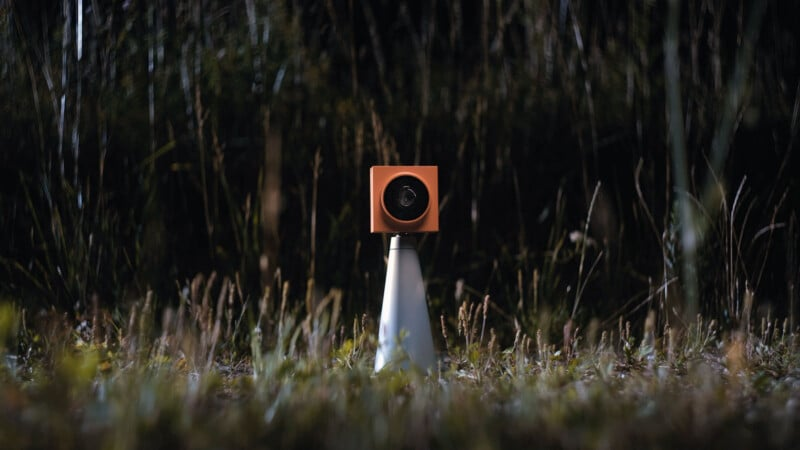
AI Hunting CameraBehold Cam-1
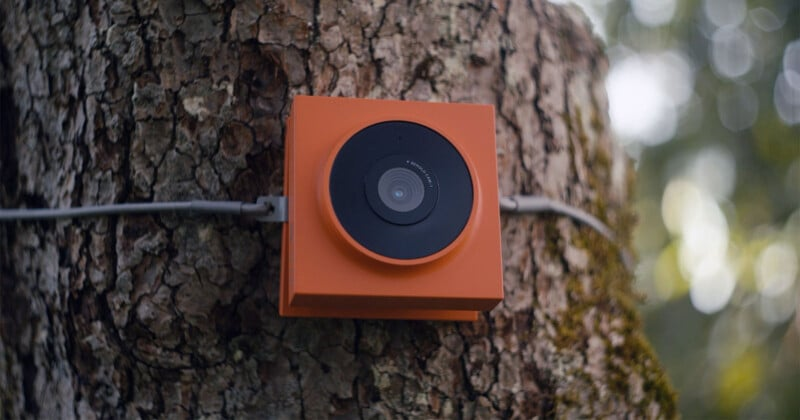
By capturing photos and videos of moving objects, the Behold Cam-1 combines artificial intelligence and motion sensors for subject detection, promising to only record animals and not passing people, making it more appealing to nature enthusiasts living in busy communities.
This camera can capture “extremely clear 2K” resolution video at 60 frames per second, and with infrared sensors and 850nm infrared LEDs, it ensures high-quality performance in low-light environments, with a range of up to 10 meters (33 feet) and a built-in wide-angle lens with a 68-degree field of view.
AI Children’s Exploration Camera
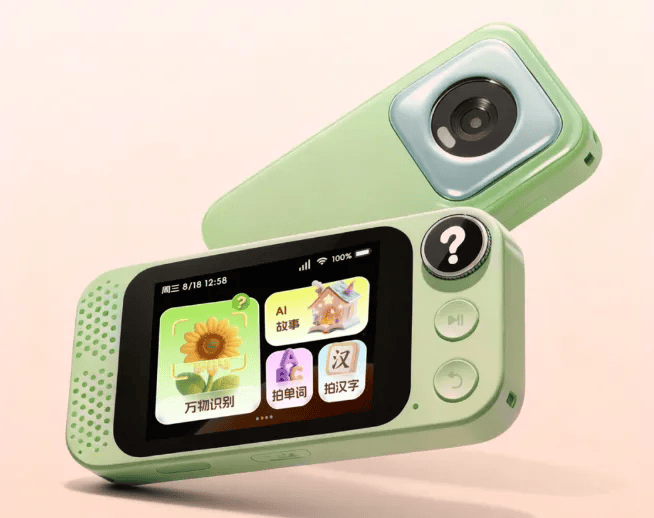
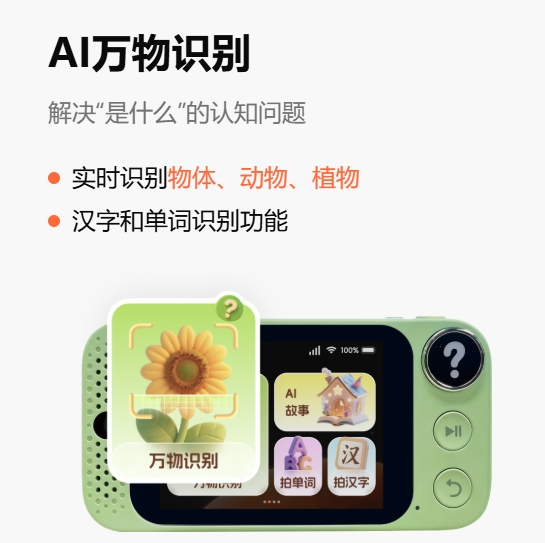
KidoAI has officially launched the “One Hundred Thousand Whys” AI Children’s Exploration Camera. This camera is co-developed by the Children’s Publishing House and KidoAI, transforming the classic science content “One Hundred Thousand Whys” into a real-world classroom for children to learn while exploring, opening a new paradigm of “scene-based, visual, and interactive” science education.
AI-Driven Language Learning Camera Dex Camera

The AI-driven language learning camera Dex focuses on “real-world interaction + AI assistance”, allowing children to naturally learn foreign languages while exploring through photography, supporting multiple languages and dialects, while ensuring children’s safety through multiple design and privacy policies.
AI Agricultural Robot
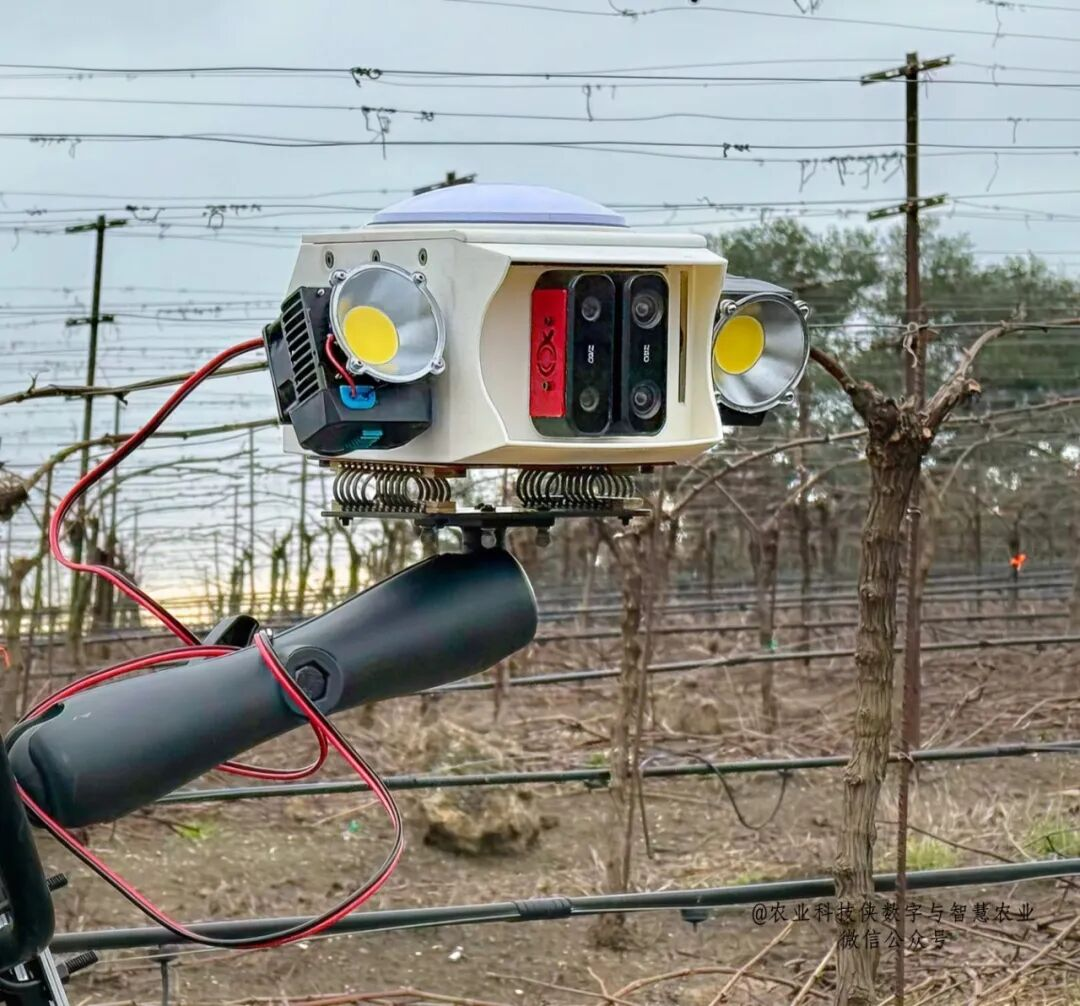
The FruitScope Vision System is an AI vision platform that can be installed on tractors or agricultural machinery, capable of capturing and analyzing millions of crop images to assess tree health, fruit size, and distribution.
The accompanying FruitScope Vault & OS acts as an agricultural “operating system”, structuring and analyzing this data to help growers make more precise decisions regarding fertilization, irrigation, labor scheduling, and harvesting arrangements.
XbotGoAI Follow Camera
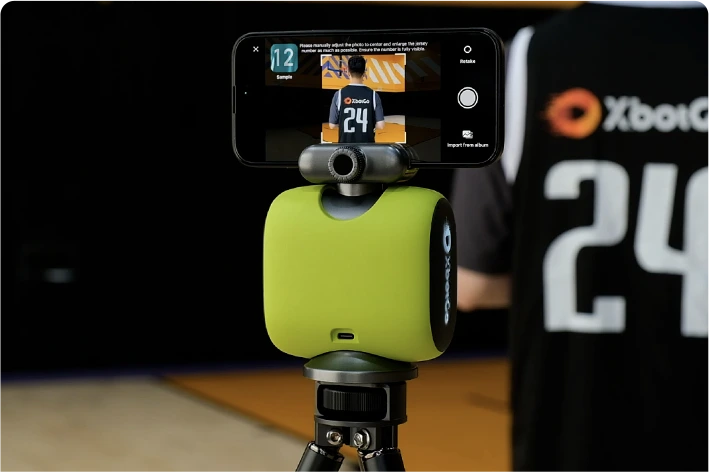
The XbotGo Chameleon AI camera features automatic tracking with AI recognition technology, accurately locking onto players, with automatic zoom and 360° rotation, suitable for recording team sports like basketball and soccer. It is ideal for sports teaching, event editing, and content creators, and is recommended to be used with action cameras or mirrorless cameras to avoid interference from complex lighting environments.
From smart bathrooms to sports training, outdoor monitoring to medical diagnostics, AI imaging technology is penetrating various fields at an unprecedented speed. As optical modules become more precise, processing chips more powerful, and algorithm software more intelligent, we will see more “strange products” emerging, continuously expanding the application boundaries of AI imaging.
Optical modules are the “eyes” of AI imaging products, and their technological evolution is moving towards higher resolution, smaller size, and more diverse spectral responses. Human-computer interaction will become more natural, and product functions will become smarter, all driven by the continuous collaborative evolution of the three technological chains: optics, chips, and algorithms.
<img src=”https://mmbiz.qpic.cn/sz_mmbiz_jpg/X3Peyy3k1QNic3DAUPwia2ty9aqXwZ46ib8k9fayDY5eqxnas9EsEPicCEQLRP3Zlbe7jlQNc8VNFnn4tt3ZKNiaVTg/640?wx_fmt=jpeg&from=appmsg#imgIndex=11″