As a special karst landform, the sky pit is fascinating.
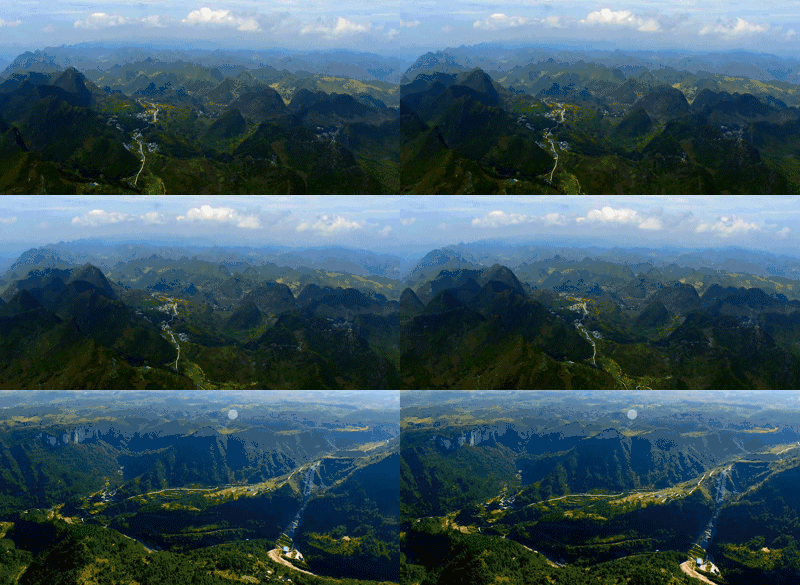
Recently, the Shaanxi Provincial Department of Land and Resources released the interim results of geological relics investigation, one of which is: geological personnel in Hanzhong, Shaanxi, discovered four groups of sky pits consisting of 49 sky pits, ranking among the world’s top in terms of quantity, meeting the standards for world-class geological relics. This news has attracted widespread attention. So, how was such a large-scale group of sky pits discovered? What is the scientific value of the Hanzhong sky pit group, and how will it be protected and developed after its discovery?
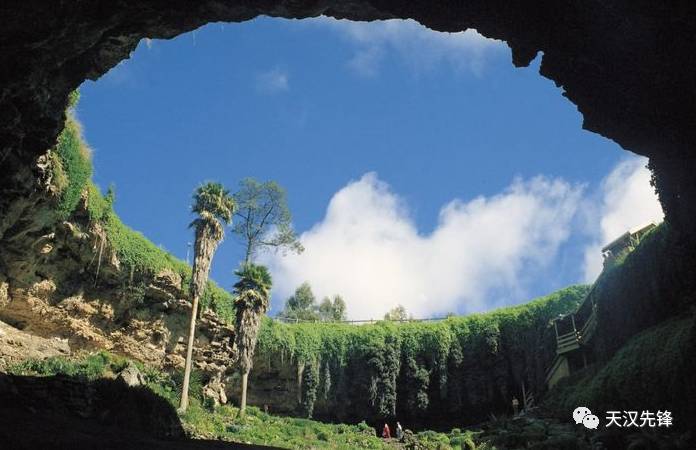 Sky pits
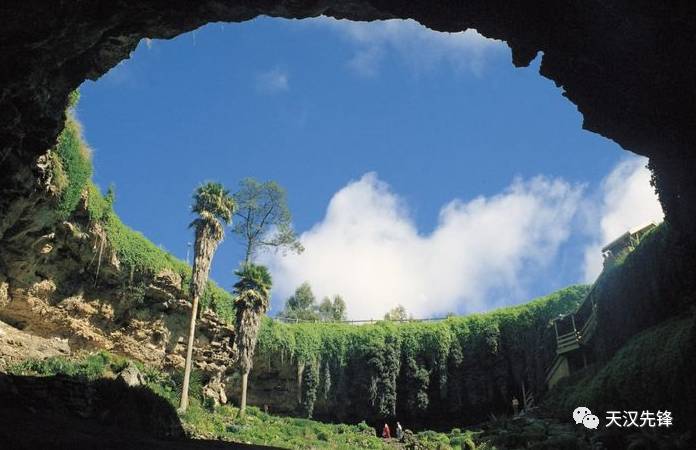
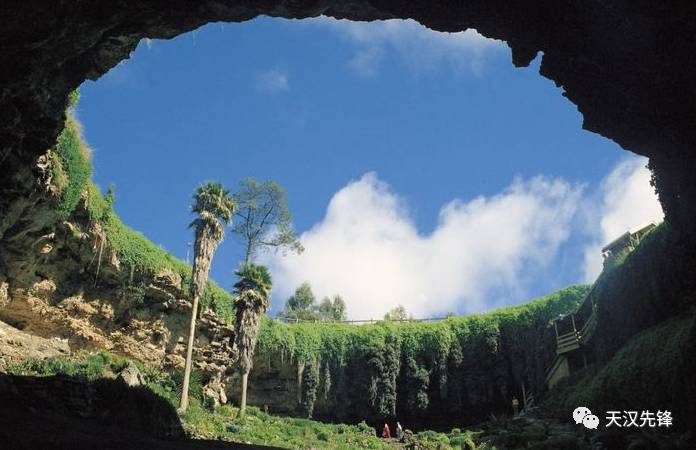
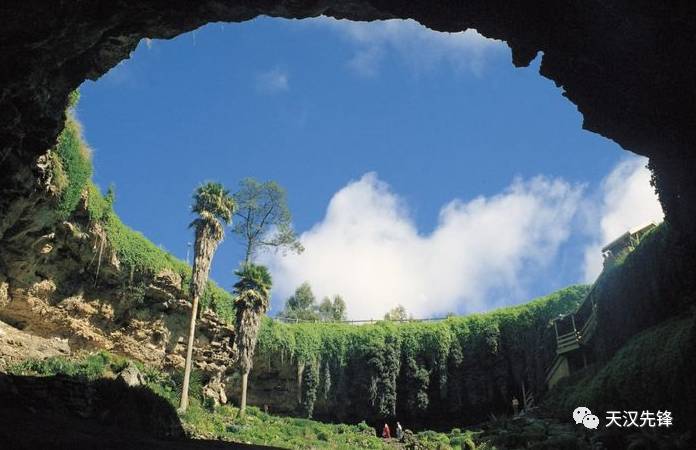
are funnel-shaped karst geological landscapes, mostly surrounded by steep cliffs. According to experts, sky pits are formed under the strong erosion and corrosion of underground rivers, where limestone is continuously dissolved, leading to the collapse of rock layers and connecting to the surface.
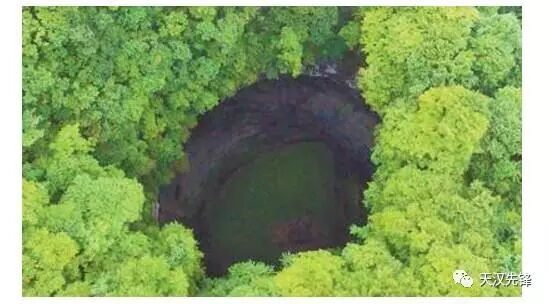
“The Zhenba Sanyuan Circle Cliff sky pit is quite large, with a diameter estimated at about four to five hundred meters. Looking down, the cliffs below are lush and beautiful!” said Zhang Junliang, director of the Remote Sensing Institute of the Shaanxi Geological Survey Center. The sky pit is isolated from the outside world, creating a unique microclimate that provides special ecological geological conditions for the growth and development of certain plants and animals, and also offers a venue for studying biodiversity in the Daba Mountains.
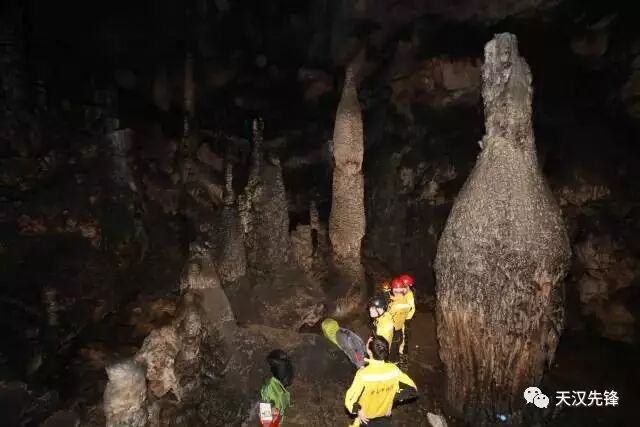
The Hanzhong sky pit group is highly primitive and well-preserved, with many unique plants and animals discovered. There are rhododendron trees over two meters tall, white nematodes about one foot long and completely transparent, and endangered species such as flying squirrels (“flying cats”).
In December 2016, Yuan Daoxian, an academician of the Chinese Academy of Sciences and a domestic expert in karst geology, visited the Hanzhong sky pit group for investigation. He said: “The Hanzhong sky pit group is at the northernmost boundary of the sky pit karst landforms discovered in China, which is very significant.”
Efforts in sky pit investigation
The Hanzhong sky pit group is so valuable that it is hard to imagine that their discovery was initially related to a satellite photo..
 April 2016
The Shaanxi Provincial Department of Land and Resources organized a geological relics investigation across the province, and staff from the Shaanxi Geological Survey Center went to various locations to carry out related work. A small team led by Zhang Junliang conducted investigations in the southern Shaanxi areas of Shanyang County and Zhen’an County.
 May 2016
Colleagues sent Zhang Junliang a photo via mobile phone, claiming that there was a suspected sky pit in southern Shaanxi. Zhang Junliang used remote sensing interpretation analysis and drone aerial photography to preliminarily determine the specific locations and sizes of more than ten sky pits..
 July 2016
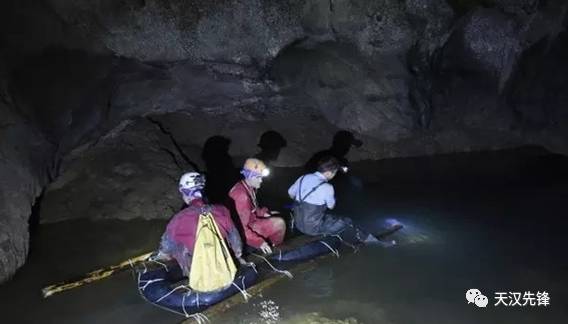
Zhang Junliang, along with four senior engineers including Huang Jianjun, Ning Shejiao, Li Xinlin, and Li Yichao, formed the first exploration team for the Hanzhong sky pit group and began field investigations.
 End of October 2016
The Shaanxi Geological Survey Institute invited domestic and foreign experts to discuss the interim results of the geological relics investigation project of the Hanzhong sky pit group. Experts from the International Karst Research Center of UNESCO and the Karst Geology Research Institute of the Chinese Academy of Geological Sciences participated in the project’s field investigations, verification, and research, and formed the opinion: The Hanzhong sky pit group has a complete type, a good ecosystem, and features such as “rare, unique, steep, majestic, dangerous, and beautiful” scenery, possessing scientific, typical, rare, aesthetic, and protectable resource attributes. The number of sky pits ranks among the world’s top, reaching the standards for world-class geological relics.
The Hanzhong sky pits have high scientific research value
Before the discovery of the Hanzhong sky pit group, approximately 130 sky pits had been discovered and confirmed worldwide, all located between latitudes 24°-31° north and within 20° north and south. Nearly 100 of these sky pits are distributed across 23 regions in Guangxi, Yunnan, Guizhou, and other areas of China. The newly discovered sky pit group is distributed along the Daba Mountains, within the latitude range of 32°-33° north, marking the first discovery of karst geological landscapes in the northernmost boundary of the humid tropical-subtropical karst landform area in China at latitude 32° north.
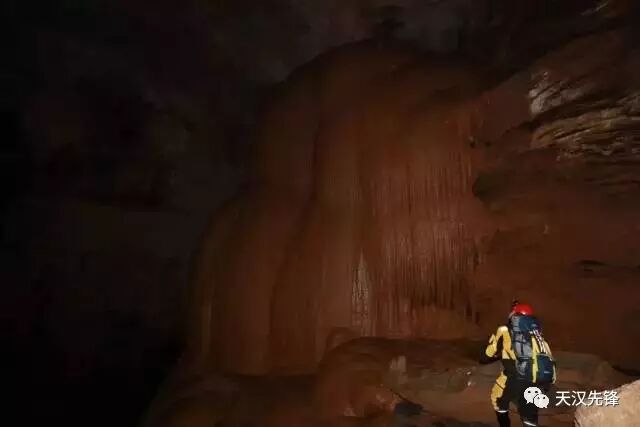
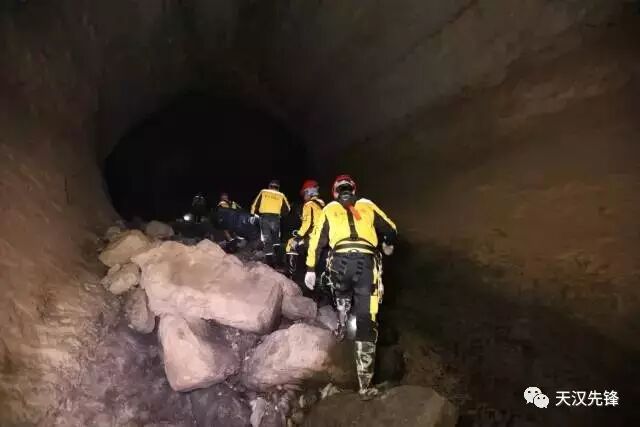
Experts also determined that the clustered distribution of Hanzhong sky pits, with large cave corridors, fissures, canyons, stone forests, and lakes, forms a complete karst landform system. The karst caves preserve rich ancient underground river alluvial materials, secondary chemical sediments, and gravitational collapse deposits, providing materials for studying the evolution of underground rivers and ancient environmental changes in the southern Qinling Mountains.
“The discovery of the Hanzhong sky pit group fills a gap in the global karst geological research, increases the original samples for biological research, and is of great significance for studying the ancient geographical environment and climate change in both northern and southern China and even globally,” said Wang Weihua, director of the Shaanxi Provincial Department of Land and Resources. The next step is for Shaanxi to establish a karst geological research workstation for the sky pit group, to conduct long-term observation, exploration, and research on the causes, evolution, and biodiversity of the geological relics, and to timely initiate the application for national and even world geological parks and natural heritage status.
Tourism resources will drive local poverty alleviation
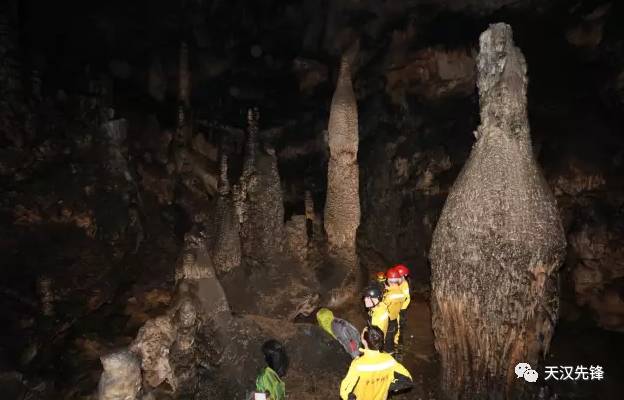
“The discovered sky pit group is basically in its original state, undamaged by human activities, and is extremely well-preserved,” said Li Xinlin, chief engineer of the Shaanxi Geological Survey Center. The geological relics of the Hanzhong sky pit group present a multi-layered touring space that combines surface and cave landscapes, which can be integrated with cultural, ecological, and red tourism resources to form a complete tourism resource configuration, capable of various functions such as sightseeing, vacation, adventure scientific research, and popular science education.
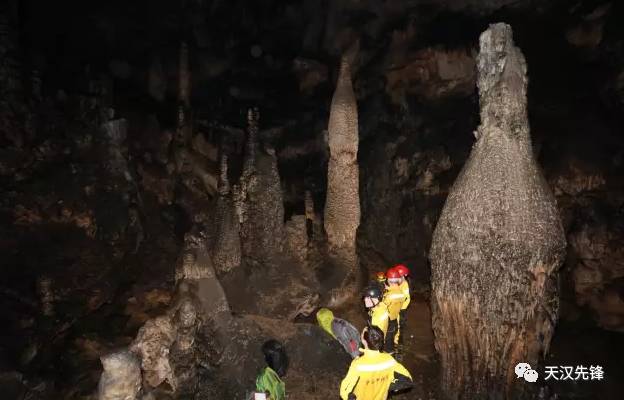
The Tian Keng group in Chanjia Yan Town covers an area of about 120 square kilometers, with major geological relics including sky pits, underground rivers, caves, and canyons, among which there are four sky pits. In the winter of 2016, reporters visited the Chanjia Yan sky pit group area and could clearly see the large sky pit at the core, surrounded by large high pit waterfalls, stream river canyons, grassland stone forests, and the Chanjia Yan peak cluster lowland geological relics. The area also has rich cultural resources such as the Western Ditch hanging wall road, Qiang ethnic culture, and Jin Niu Gorge, Wu Ding Pass.
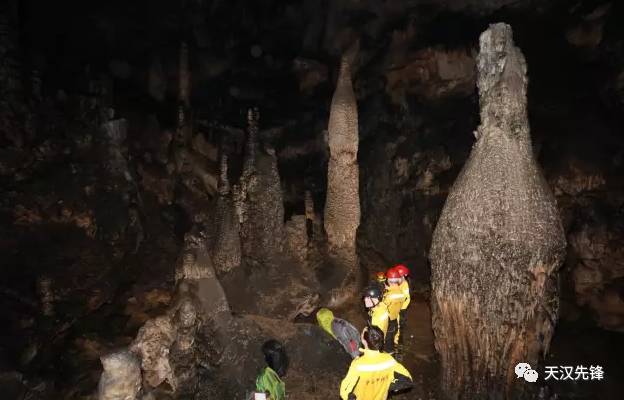
It is understood that there are currently six natural villages in Chanjia Yan Town. Due to natural conditions, the local population lives in extreme poverty. The locals hope that the discovery of the sky pit group can drive infrastructure construction, promote the development of natural resources and the sale of agricultural products through ecological tourism, providing opportunities for poverty alleviation.
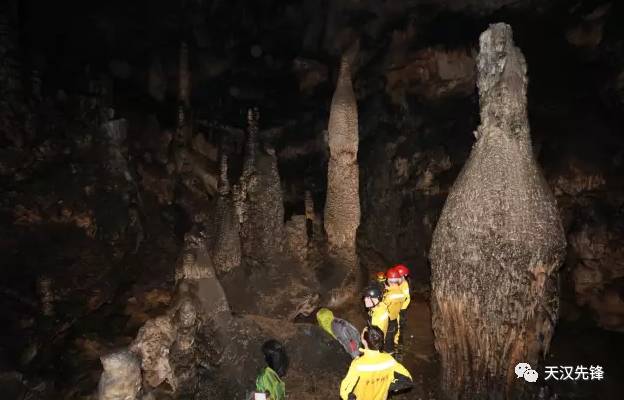
Xiao Fanghao, the town mayor of Chanjia Yan, said that to the north of the town is the Erlangba Tianhu Scenic Area, to the west is the Maba River and Caocaozi Scenic Area, to the south is the Longtanzi Scenic Area, and to the east is the Liping Forest Park. It is hoped that the sky pits can serve as a starting point to form an ecological tourism loop with surrounding natural landscapes. Chanjia Yan Town is a provincial-level ecological town with a forest coverage rate of 83%. It is hoped that provincial, municipal, and county departments will plan uniformly to develop in an orderly manner without damaging natural vegetation and ecological environment.
Yuan Daoxian reminded local managers that some sloped farmland around the Hanzhong sky pit group has significant soil and water conservation pressure. Once the eroded soil and water enter the caves, it is detrimental to both cave protection and subsequent tourism development. Therefore, if the sky pits are to be developed and utilized, this issue must be resolved first.
It is understood that since the exploration work of the Hanzhong sky pit group has just begun, the security measures are not yet complete, and for the safety of tourists, it is temporarily not open to the public. The local authorities have begun to formulate plans for further investigation, protection, and development. Shaanxi Province plans to continue in-depth geological exploration of the remaining karst relic areas and initiate the drafting of management measures for geological relic protection.
(Source: Hanzhong Tourism)
Tian Han Pioneer
Official WeChat public platform of the Hanzhong Municipal Committee of the Communist Party of China
Submission email: [email protected]


Disseminate Party Building Theory Focus on Party Building Dynamics
Show Party Building Achievements Promote Party Building Work
Educate Party Members and Cadres Serve Grassroots Communities