Recently, there has been news in the chip industry: the long-established semiconductor IP company MIPS has been sold again, this time to the chip foundry giant GlobalFoundries.
Upon hearing the news, many people lamented: MIPS’s 40-year history of ups and downs is like a “journey of wandering”—from being acquired by Imagination, to being split and sold to Wave Computing, then abandoning MIPS to shift towards RISC-V, and finally even “remarrying” itself.
However, amidst this chaotic plot, there is one character that withdrew early and instead observed clearly from the sidelines—that is Loongson.
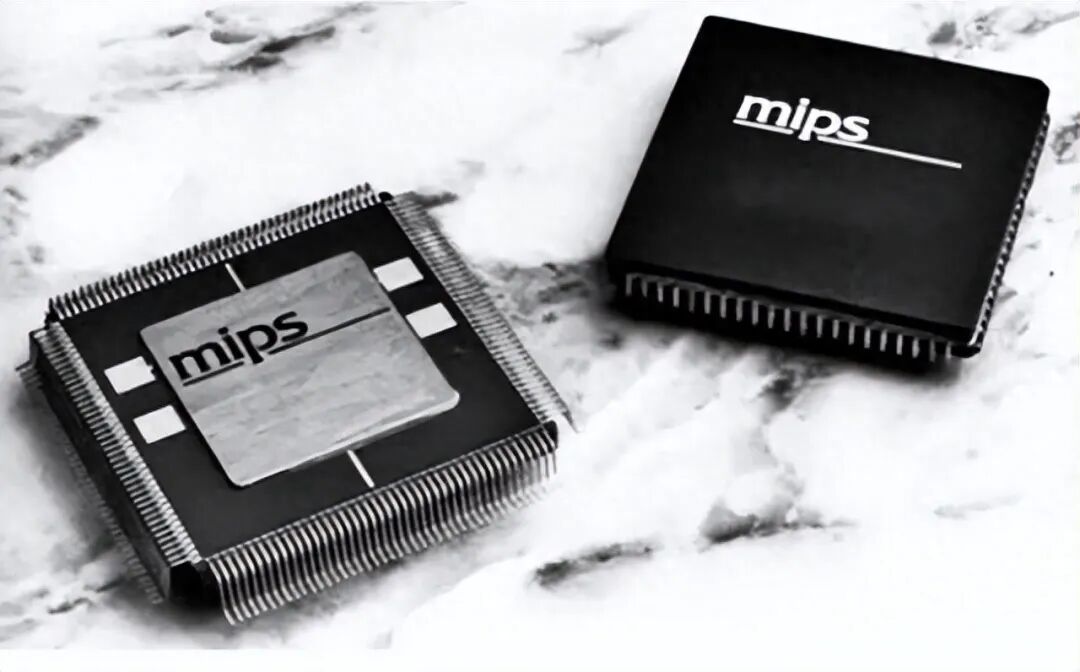
Rewind to 2011, when Loongson was still designing CPUs using the MIPS architecture. What is MIPS? Simply put, it is both a company name and a type of chip instruction set, akin to the “blueprint” for building a house. Loongson signed a “perpetual license” with MIPS, paying a fee every few years based on shipment volume. It sounds quite flexible, but the initiative was actually in Loongson’s hands: Loongson could choose not to renew the license at any time, while MIPS could not unilaterally terminate the cooperation.
However, Loongson was not satisfied with just “renting the blueprint.” In 2021, they accomplished a significant feat—launching the fully self-developed LoongArch instruction set, completely saying goodbye to MIPS. This matter even led to disputes: at that time, the company holding the operational rights for MIPS in China, ChipLink, sued Loongson, but Loongson provided evidence proving that LoongArch was entirely their own design, unrelated to MIPS. After this lawsuit, Loongson could finally breathe a sigh of relief.
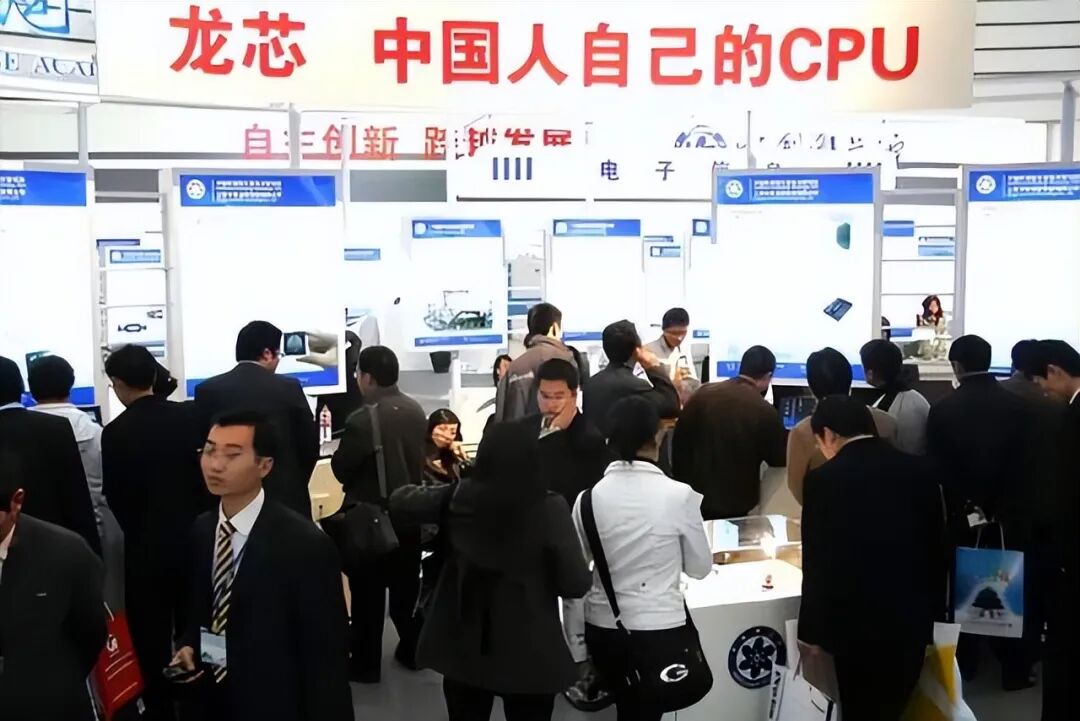
Looking back now, Loongson’s move was crucial. Why? First, the self-developed instruction set allows for complete autonomy in research and development, enabling optimizations as desired, with performance improvements being visibly significant. Currently, Loongson’s performance is nearly catching up to Intel and AMD, with only a 1-3 year gap. Second, with MIPS being transferred multiple times, if Loongson had not moved on, they could have been affected by GlobalFoundries today—after all, in the chip industry, when companies change hands, partners can turn against each other at any moment.
Moreover, it is worth mentioning that among domestic CPUs, Loongson is currently the only one that is 100% self-developed from the instruction set level. Other manufacturers either use ARM or x86, which ultimately means they are “building houses using someone else’s blueprints.” While this allows for quick product launches in the short term, in the long run, having core technology in someone else’s hands is always a risk.
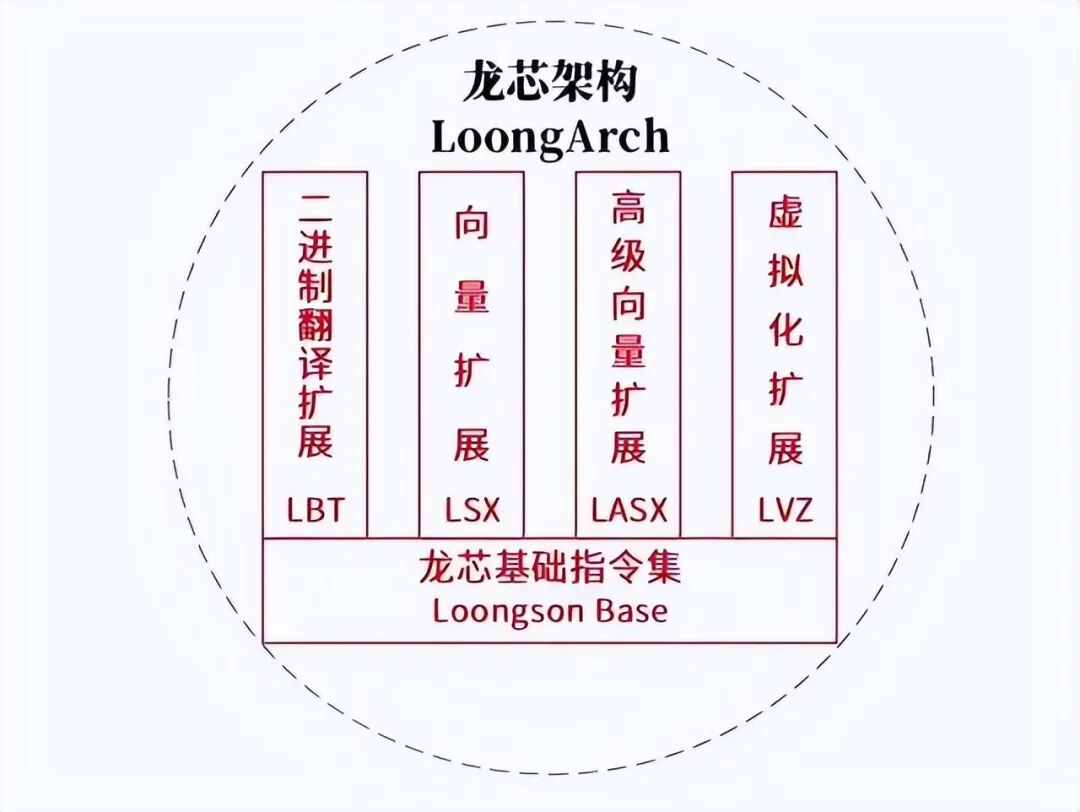
The story of Loongson serves as a reminder: in the chip industry, having production capacity is not enough, and having design capability is also insufficient; the core instruction set and architecture must be determined by oneself.
Just like building a house, if the foundation belongs to someone else, no matter how beautiful the decoration is, it cannot be relied upon. Currently, domestic chips are in a phase of climbing uphill; although Loongson’s path is difficult, successfully navigating it is a true skill. I hope other manufacturers can also reflect on this, not just focusing on the immediate market, but looking at the long term—after all, core technology cannot be bought or begged for; it can only be conquered through one’s own efforts.