Many people think that 3D printing is just about extruding material from a hot nozzle and stacking it into shapes, but in fact, 3D printing is much more than that! Today, Nanji Bear will introduce seven major categories of 3D printing processes, allowing even 3D printing novices to clearly distinguish between different 3D printing technologies.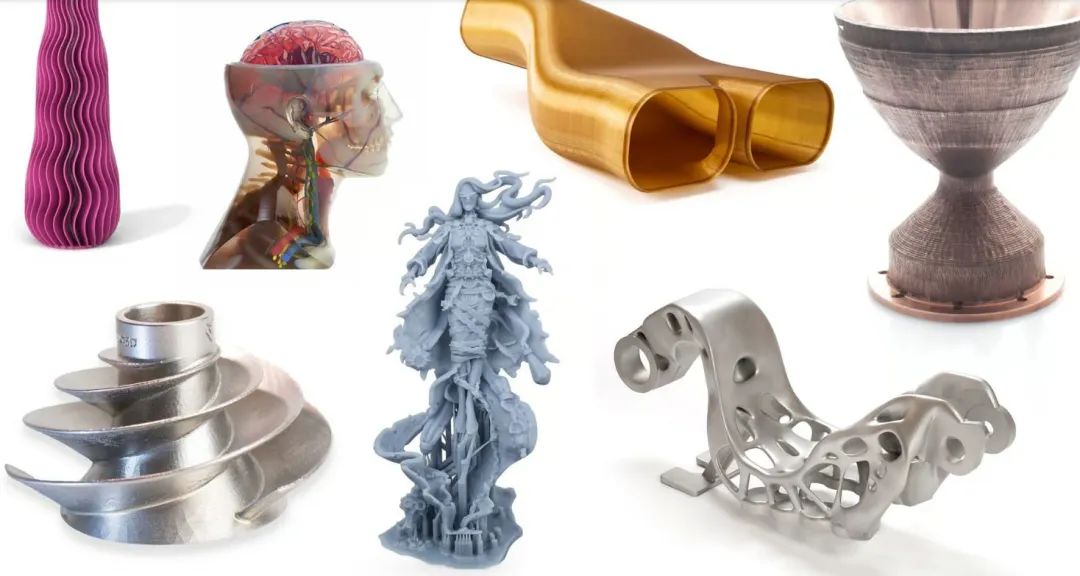 In fact, 3D printing, also known as additive manufacturing, is a general term that encompasses several distinctly different 3D printing processes. These technologies are fundamentally different, but the key processes are the same. For example, all 3D printing starts with a digital model, as the technology is inherently digital. Parts or products are initially designed using Computer-Aided Design (CAD) software or obtained from electronic files in a digital parts library. The design files are then broken down into slices or layers for 3D printing by special build preparation software, generating path instructions that the 3D printer must follow. Next, you will learn about the differences between these technologies and the typical applications of each.Why are there 7 types?The types of additive manufacturing can be classified based on the products they produce or the types of materials used. The International Organization for Standardization (ISO) divides them into seven general types (although these seven categories of 3D printing are also difficult to cover the increasing number of technological subtypes and hybrid technologies):● Material Extrusion● Reduction Polymerization● Powder Bed Fusion● Material Jetting● Binder Jetting● Directed Energy Deposition● Sheet Lamination1. Material Extrusion
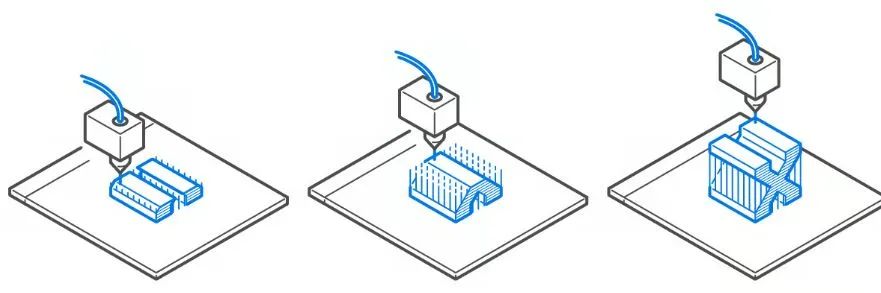 △Material extrusion 3D printingMaterial extrusion, as the name suggests, involves extruding material through a nozzle. Typically, this material is a type of plastic filament, melted and extruded through a heated nozzle. The printer deposits the material on the build platform along the process path obtained from the software. The filament then cools and solidifies to form a solid object. This is the most common form of 3D printing. At first glance, this may sound simple, but considering the extruded materials, including plastics, metals, concrete, bio-gels, and various foods, it is actually a very broad category. The prices of this type of 3D printer range from $100 to seven figures.● Subtypes of material extrusion: Fused Deposition Modeling (FDM), construction 3D printing, micro 3D printing, bio 3D printing● Materials: plastics, metals, food, concrete, etc.● Dimensional accuracy: ±0.5% (lower limit ±0.5mm)● Common applications: prototypes, electrical enclosures, shape and fit testing, fixtures and jigs, lost-wax casting models, houses, etc.● Advantages: the least expensive 3D printing method, wide range of materials● Disadvantages: often lower material performance (strength, durability, etc.), typically lower dimensional accuracy1. Fused Deposition Modeling (FDM)
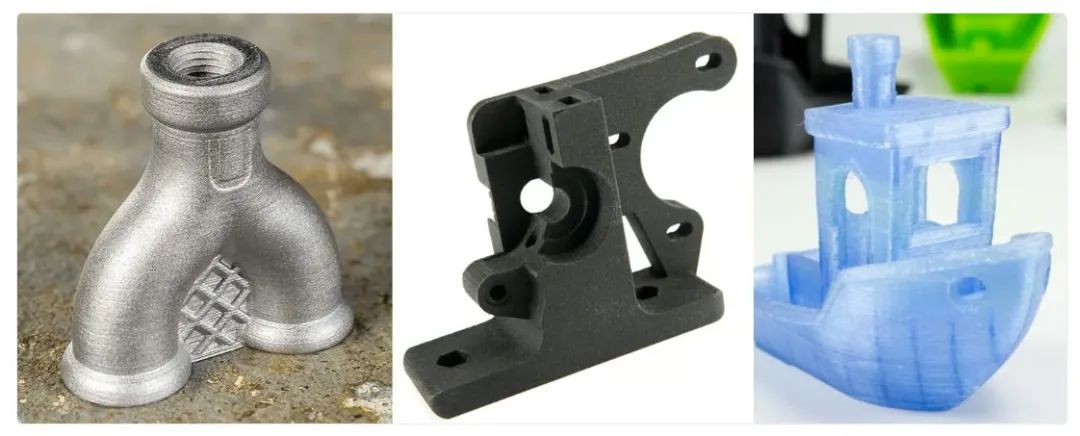 △FDM parts can be made from metal or plastic on various 3D printersThe FDM 3D printer is a multi-billion dollar market, with thousands of machines ranging from basic models to complex models from manufacturers. FDM machines are known as Fused Filament Fabrication (FFF), which is the same technology. Like all 3D printing technologies, FDM starts with a digital model and then converts it into a path that the 3D printer can follow. Using FDM, a filament from a spool (or several at once) is loaded into the 3D printer and fed into the printer nozzle in the extrusion head. The printer nozzle or multiple nozzles are heated to the required temperature, softening the filament, allowing continuous layers to connect to form a solid part.As the printer moves the extrusion head along specified coordinates on the XY plane, it continues to lay down the first layer. The extrusion head then rises to the next height (Z plane), repeating the process of printing the cross-section layer by layer until the object is fully formed. Depending on the geometry of the object, it may sometimes be necessary to add support structures to support the model during printing, such as if the model has steep overhangs. These supports are removed after printing. Some support material can dissolve in water or another solution.
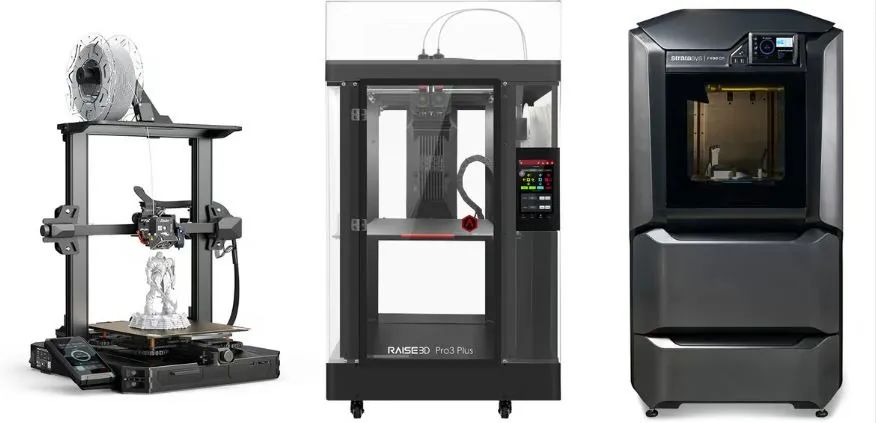 △FDM 3D printers offer a wide range of machines for hobbyists, small businesses, and manufacturers (Source: Creality, Raise3D, Stratasys)2. 3D Bioprinting
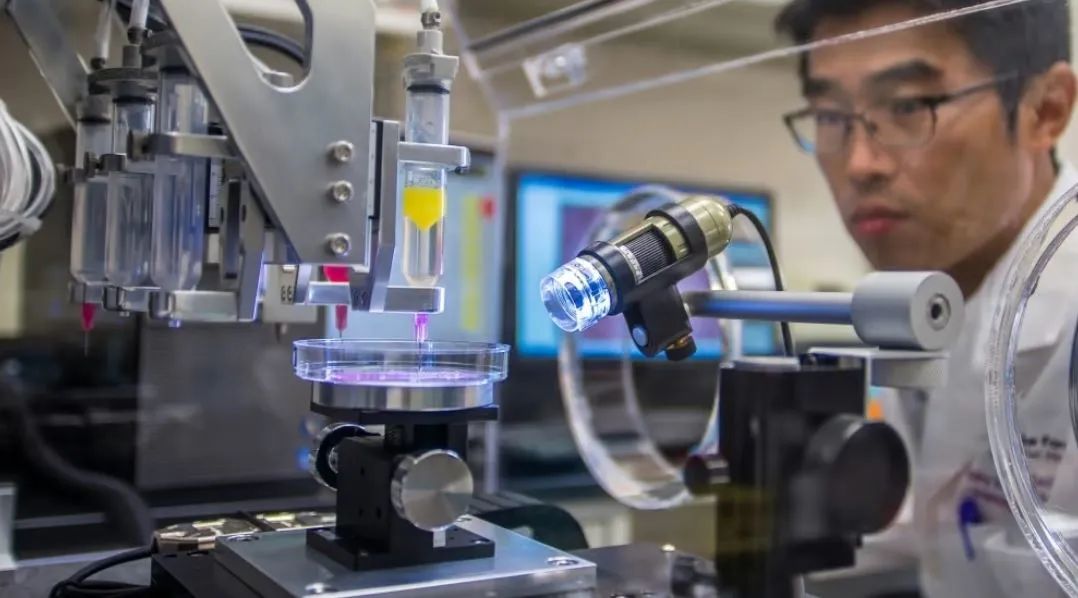 △3D bioprinting is similar to traditional 3D printing, but the raw materials differ greatly3D bioprinting or bio 3D printing is an additive manufacturing process that combines organic or biological materials (such as living cells and nutrients) to create natural three-dimensional structures resembling tissues. In other words, bioprinting is a type of 3D printing that can produce anything from bone tissue and blood vessels to living tissues. It is used in various medical research and applications, including tissue engineering, drug testing and development, and innovative regenerative medicine therapies. The actual definition of 3D bioprinting is still evolving. Essentially, the working principle of 3D bioprinting is similar to that of FDM 3D printing and belongs to the material extrusion series (although extrusion is not the only method of bioprinting).3D bioprinting uses materials extruded from a needle (bioink) to create printed layers. These materials, known as bioinks, mainly consist of living substances, such as cells in the carrier material—like collagen, gelatin, hyaluronic acid, silk, alginate, or nanocellulose—serving as molecular scaffolds for structural growth and nutrients.3. Construction 3D Printing
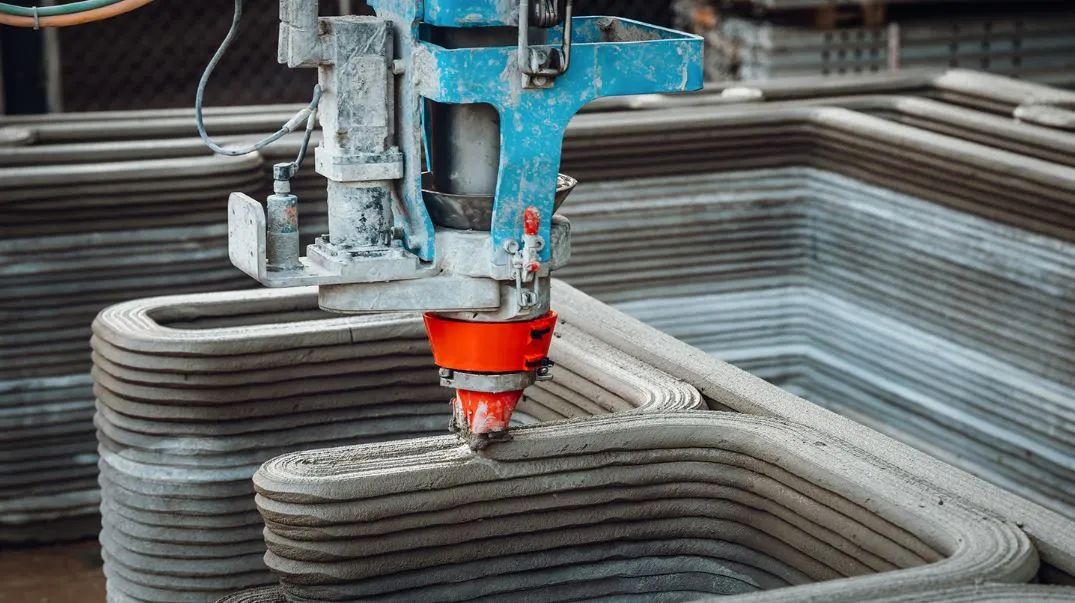 △Construction 3D printingConstruction 3D printing is a rapidly evolving area of material extrusion. This technology involves using oversized 3D printers (often several meters high) to extrude construction materials like concrete from nozzles. These machines typically appear in the form of gantry systems or robotic arms. 3D construction printing technology is now used for residential buildings, architectural features, and construction projects ranging from wells to walls. Researchers believe it has the potential to significantly change the entire construction industry by reducing labor demands and minimizing construction waste.There are dozens of 3D-printed houses in the United States and Europe, and research is underway to develop 3D construction technology that will use materials found on the Moon and Mars to build habitats for future exploration crews. The use of local soil instead of concrete for printing is also being considered as a more sustainable building method.2. Reduction Polymerization
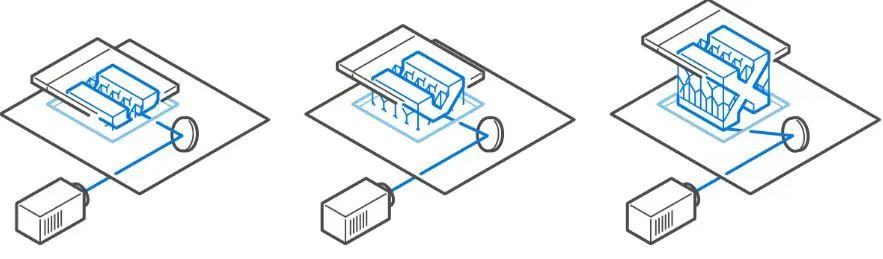 △Reduction polymerization using lasersBarrel polymerization (also known as resin 3D printing) is a series of 3D printing processes that use a light source to selectively cure (or harden) photosensitive polymer resin in a barrel. In other words, light is precisely directed at specific points or areas of liquid plastic to harden it. After the first layer is cured, the build platform moves up or down (depending on the printer) by a small amount (usually between 0.01 and 0.05 mm), and the next layer is cured, connecting with the previous layer. This process is repeated layer by layer until a 3D part is formed. After the 3D printing process is completed, the object is cleaned to remove any remaining liquid resin and undergo post-curing (in sunlight or a UV chamber) to enhance the mechanical properties of the part.The three most common forms of barrel polymerization are Stereolithography (SLA), Digital Light Processing (DLP), and Liquid Crystal Display (LCD), also known as Masked Stereolithography (MSLA). The fundamental differences between these types of 3D printing technologies lie in the light source and the method used to cure the resin.
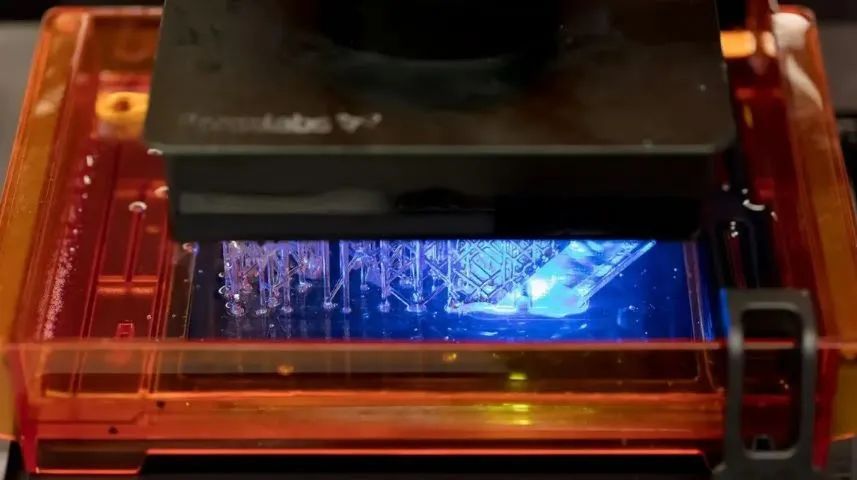 △Large barrel polymerization utilizes light to layer by layer cure photosensitive resinSome 3D printer manufacturers, especially those producing professional-grade 3D printers, have developed unique and patented variants of light polymerization, so you may see different technical names on the market. An industrial 3D printer manufacturer, Carbon, uses a barrel polymerization technology called Digital Light Synthesis (DLS), Stratasys’s Origin refers to its technology as Programmable Photopolymerization (P3), and Formlabs offers a technology known as Low Force Stereolithography (LFS), while Azul 3D was the first to commercialize a large-area rapid printing (HARP) form of barrel polymerization. There are also light-based metal manufacturing (LMM), Projection Micro-Stereolithography (PμSL), and Digital Composite Manufacturing (DCM), which is a light polymerization technology that introduces functional additives (such as metal and ceramic fibers) into the liquid resin.● Types of 3D printing technologies: Stereolithography (SLA), Liquid Crystal Display (LCD), Digital Light Processing (DLP), Micro-Stereolithography (μSLA), etc.● Materials: Photopolymer resins (castable, transparent, industrial, biocompatible, etc.)● Dimensional accuracy: ±0.5% (lower limit ±0.15 mm or 5 nanometers when using μSLA)● Common applications: Injection mold-like polymer prototypes and end-use parts, jewelry casting, dental applications, consumer products● Advantages: Smooth surface finish, fine feature details1. Stereolithography (SLA)
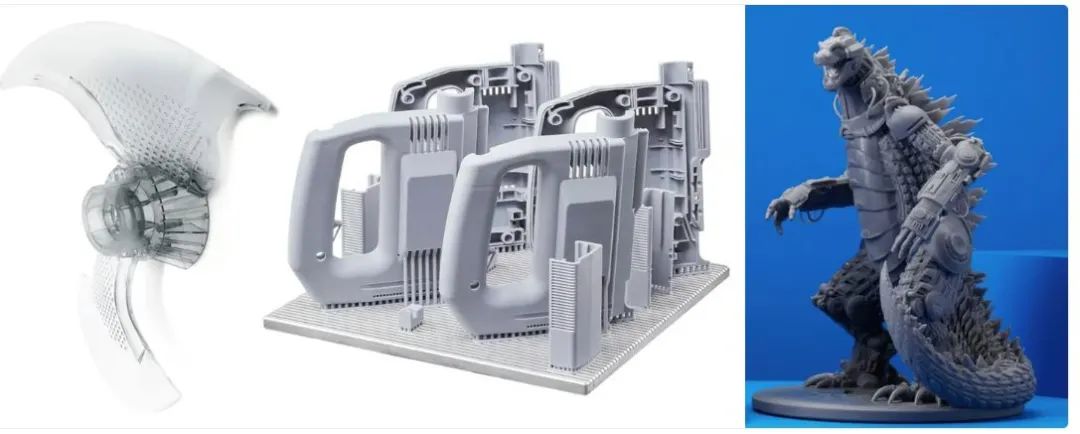 △Stereolithography (SLA) examples from 3D Systems, DWS, and FormlabsSLA is the world’s first 3D printing technology. The Stereolithography technology was invented by Chuck Hull in 1986, who patented the technology and founded 3D Systems to commercialize it. Today, the technology is available to enthusiasts and professionals from numerous 3D printer manufacturers. SLA uses a laser beam to target a vat of resin, selectively curing the cross-section of the object within the printing area, building it layer by layer. While most SLA printers use solid-state lasers to cure the parts, one drawback of this barrel polymerization is that, compared to our next method (DLP), point lasers may take longer to trace the object’s cross-section, the latter flashing light to instantly cure the entire layer. However, lasers can produce stronger light, which is required for certain engineering-grade resins.
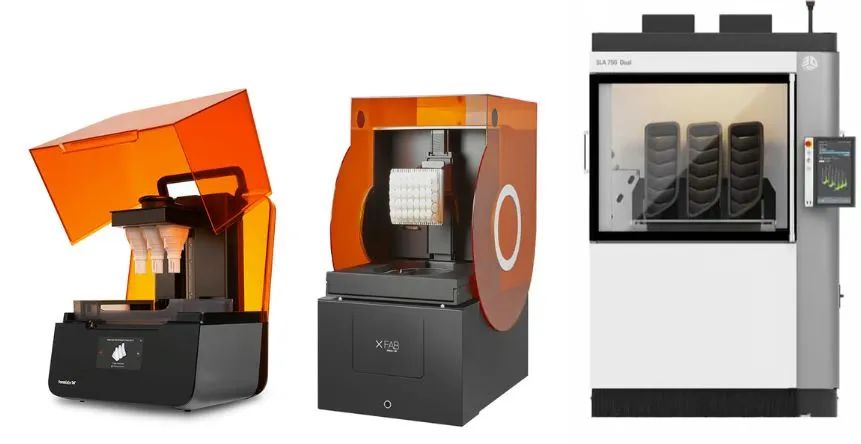 △SLA 3D printers use one or more lasers to trace and cure single layers of resinMicro-Stereolithography (μSLA)Micro-Stereolithography technology can print miniature parts with resolutions ranging from 2 micrometers (μm) to 50 micrometers. For reference, the average width of human hair is 75 micrometers. It is one of the “micro 3D printing” technologies. μSLA involves exposing photosensitive materials (liquid resins) to UV lasers. The difference lies in the specialized resins, the complexity of the laser, and the addition of lenses that produce almost unbelievably small light spots.
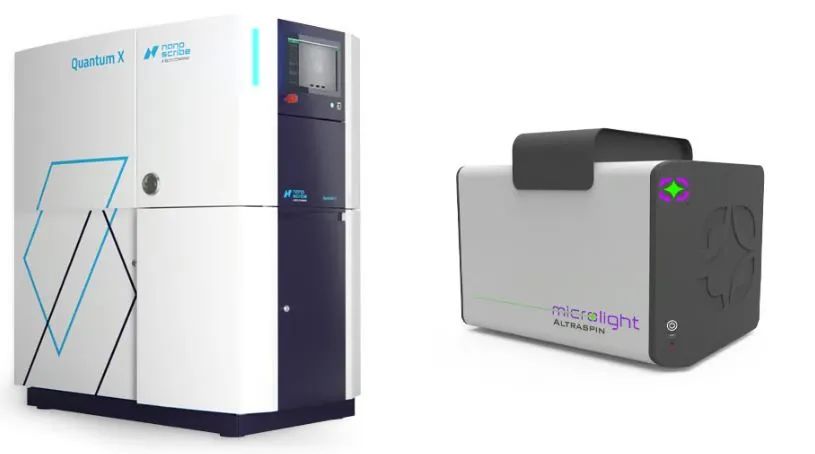 △Nanoscribe and Microlight3D are two leading manufacturers of TPP 3D printers (Source: Nanoscribe, Microlight3D)Two-Photon Polymerization (TPP)Another micro 3D printing technology, TPP (also known as 2PP), can be classified under SLA as it also uses lasers and photosensitive resins, and it can print parts smaller than μSLA, as small as 0.1 micrometers. TPP uses pulsed femtosecond lasers focused on a narrow point in a large vat of special resin. This point then cures individual 3D pixels, also known as voxels, in the resin. By curing these nano to micro-sized voxels layer by layer in a predefined path. TPP is currently used in research, medical applications, and the manufacturing of micro parts, such as microelectrodes and optical sensors.
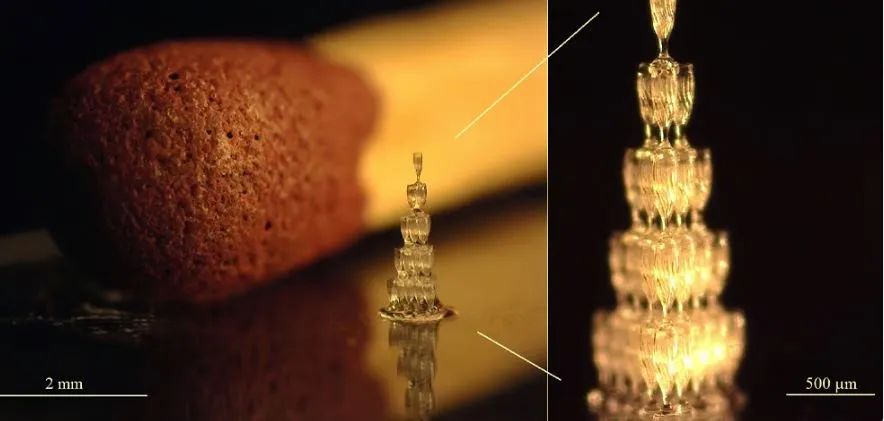 △Micro 3D printing: TPP technology2. Digital Light Processing (DLP)
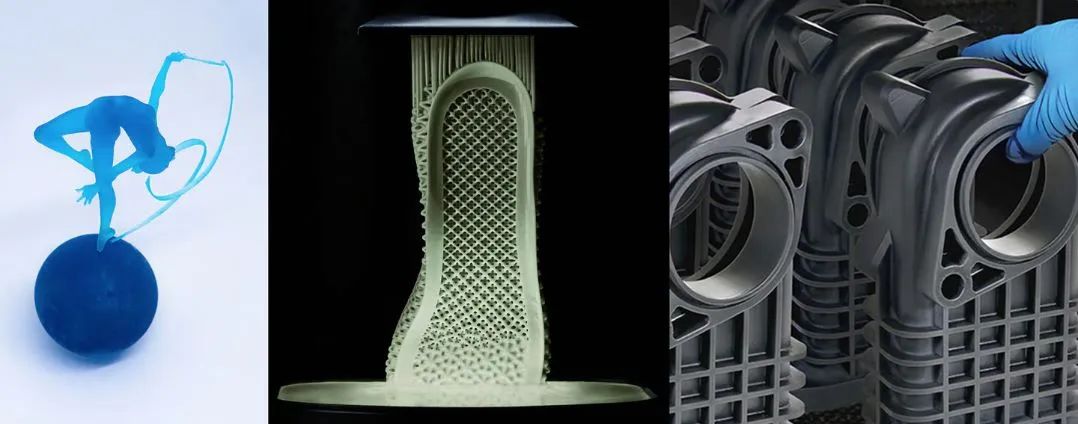 △DLP 3D printing parts from Anycubic, Carbon, and ETECDLP 3D printing uses digital light projectors (instead of lasers) to flash each layer’s individual image (or multiple exposures for larger parts) simultaneously onto a layer of resin. DLP (more common than SLA) is used to produce larger parts or larger volumes in a single batch because each layer’s exposure requires the same amount of time regardless of how many parts are in the build, making it more efficient than the point laser method in SLA. Each layer’s image consists of square pixels, resulting in a layer formed from small rectangular blocks known as voxels. Light is projected onto the resin using LED screens or UV light sources (lamps) and projected onto the build surface using Digital Micromirror Devices (DMD).
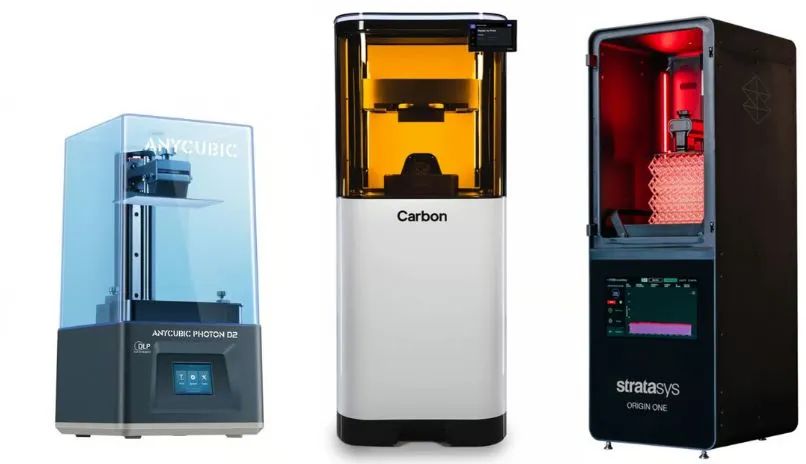 △Modern DLP projectors typically have thousands of micrometer-sized LEDs as light sources. Their switching states are individually controlled, which can improve XY resolution. Not all DLP 3D printers are the same; the power of the light source, the lens it passes through, the quality of the DMD, and many other components that make up a $300 machine can vary greatly compared to machines worth over $200,000.Top-Down DLPSome DLP 3D printers have their light sources mounted on the top of the printer, shining down onto the resin vat, rather than shining up. These “top-down” machines flash an image layer from the top, curing one layer at a time, and then return the cured layer back into the vat. Each time the build plate is lowered, the recoater mounted at the top of the vat moves back and forth over the resin to smooth the new layer. Manufacturers state that because the printing process does not fight against gravity, this method can produce more stable part outputs for larger printed parts. When printing from the bottom up, there are limits to how much weight can be vertically suspended from the build plate. The resin vat also supports the printed part during printing, reducing the need for support structures.
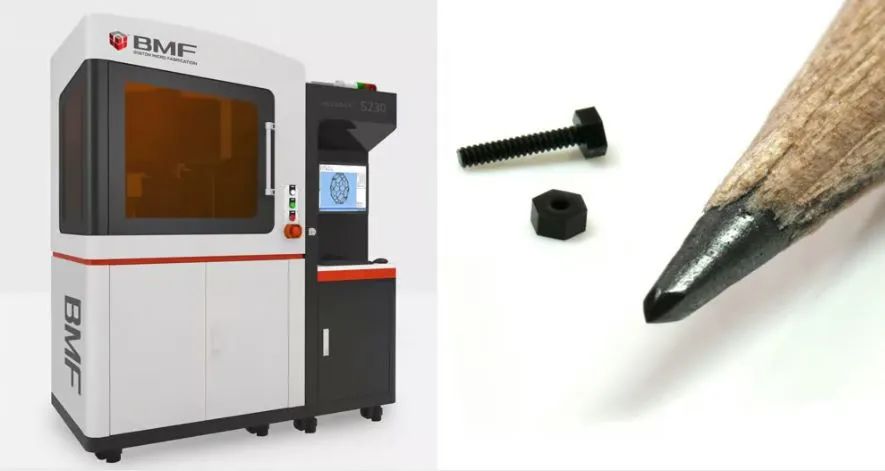 △BMF’s MicroArch S230 can print detailed parts of polymers or ceramics as small as 2 micrometers (Source: BMF)Binder Jetting
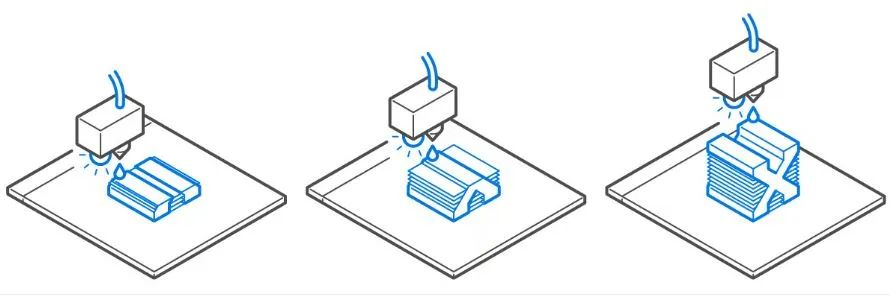 △Material jettingMaterial jetting is a 3D printing process in which tiny droplets of material are deposited and then cured or solidified on the build plate. Using light-sensitive polymer or wax droplets that cure when exposed to light, objects are built one layer at a time. The nature of the material jetting process allows for printing different materials on the same object. One application of this technology is the manufacture of parts with various colors and textures.● Types of 3D printing technologies: Material Jetting (MJ), NanoParticle Jetting (NPJ)● Materials: Photopolymer resins (standard, castable, transparent, high-temperature), wax● Dimensional accuracy: ±0.1 mm● Common applications: Full-color product prototypes, injection mold-like prototypes, low-run injection molds, medical models, fashion items● Advantages: Textured surface finish, full-color and multiple materials available● Disadvantages: Limited materials, not suitable for precision mechanical parts, costs more than other resin technologies used for visual purposes1. Material Jetting (M-Jet)
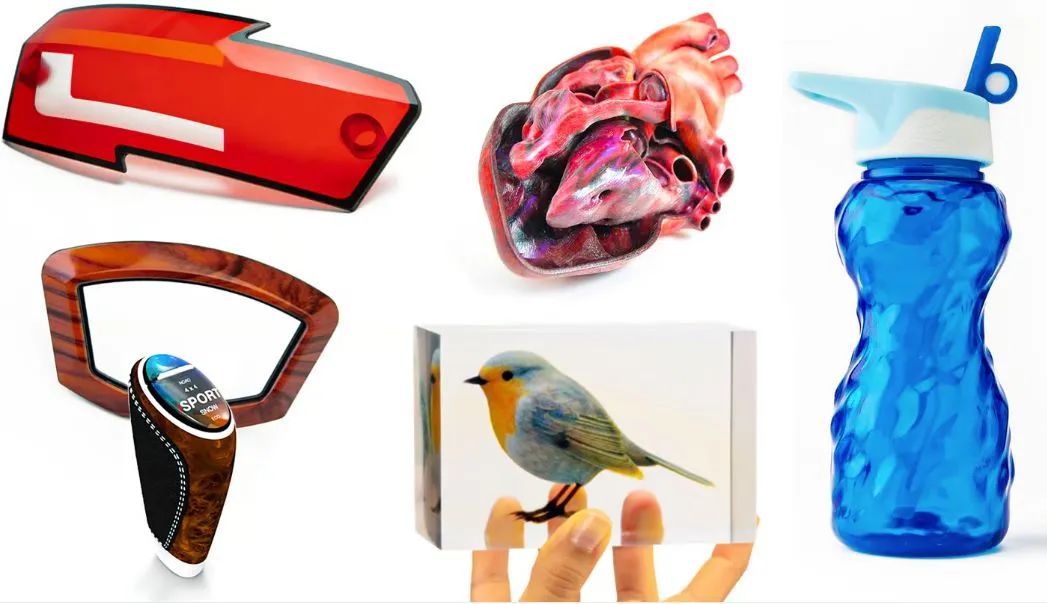 △3D printed parts using material jetting from StratasysPolymer material jetting (M-Jet) is a 3D printing process in which a layer of photosensitive resin is selectively deposited onto the build plate and cured with ultraviolet (UV) light. After a layer is deposited and cured, the build platform lowers by one layer thickness, and the process is repeated to build the 3D object. M-Jet combines the high precision of resin 3D printing with the speed of filament 3D printing (FDM) to create parts and prototypes with realistic colors and textures.All material jetting 3D printing technologies are not exactly the same. There are differences between printer manufacturers and proprietary materials. M-Jet machines deposit build materials in a line-by-line manner from multiple rows of print heads. This method allows the printer to produce multiple objects in a single line without affecting build speed. As long as the model is correctly arranged on the build platform and optimized for space within each build line, M-Jet can produce parts faster than many other types of resin 3D printers.
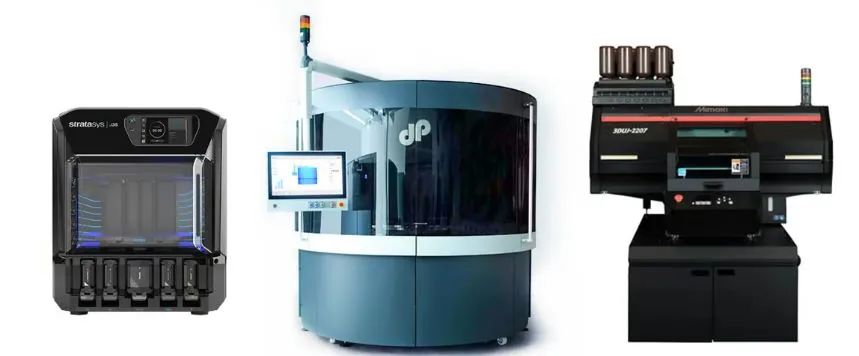 △Material jetting 3D printers from Stratasys, DP Polar / 3D Systems, and MimakiObjects made with M-Jet require supports, which are printed simultaneously with a dissolvable material that is removed during post-processing. M-Jet is one of the few 3D printing technologies capable of producing objects made from multi-materials and in full color. Material jetting machines do not have hobbyist versions; these machines are better suited for professionals in automotive manufacturing, industrial design companies, art studios, hospitals, and all types of product manufacturers who wish to create accurate prototypes to test concepts and bring products to market faster. Unlike barrel polymerization technologies, M-Jet does not require post-curing because the ultraviolet light in the printer fully cures each layer.Aerosol JetAerosol Jet is a unique technology developed by a company called Optomec, primarily for 3D printing electronic products. Components such as resistors, capacitors, antennas, sensors, and thin-film transistors are printed using aerosol jet technology. It can be roughly compared to spray painting, but it differs from industrial coating processes in that it can be used to print complete 3D objects.The electronic ink is placed in an atomizer, which generates droplets with diameters ranging from 1 to 5 micrometers. The aerosol mist is then delivered to the deposition head, focused by sheath air, resulting in a high-speed particle spray. Because the entire process uses energy, this technology is sometimes referred to as Directed Energy Deposition, but since the material is in droplet form in this case, we include it in material jetting.Plastic Freeform FabricationA technology called Plastic Freeform Fabrication (APF) was created by the German company Arburg, which is a combination of extrusion technology and material jetting technology. It uses commercially available plastic pellets, which are melted during the injection molding process and moved to a discharge unit. The high-frequency nozzle opens and closes rapidly to produce up to 200 small droplets of plastic with diameters ranging from 0.2 to 0.4 millimeters per second. The droplets bond with the hardening material as they cool. Generally, no post-processing is needed. If support materials are used, they must be removed.2. NanoParticle Jetting (NPJ)
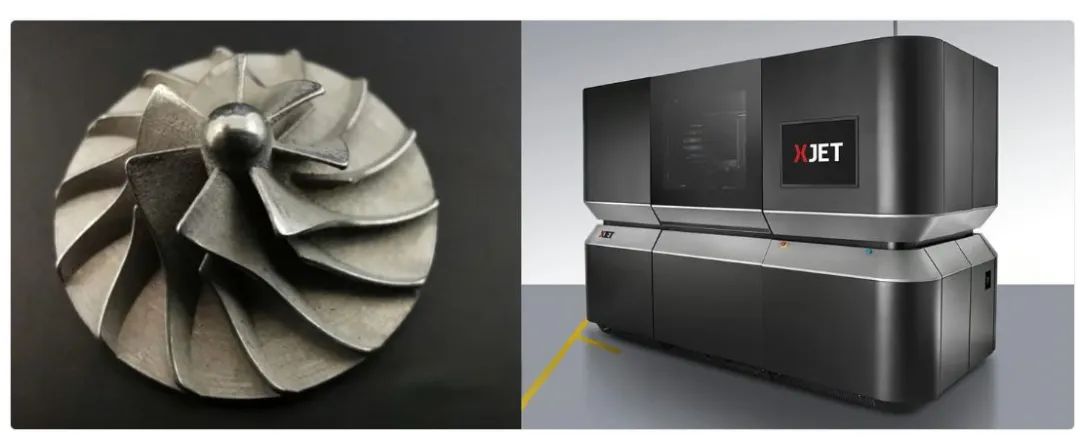 △Metal parts created using nanoparticle jetting technology and XJet 3D printersNanoParticle Jetting (NPJ) is one of the few proprietary technologies that is difficult to classify, developed by a company called XJet. It uses a print head array with thousands of inkjet nozzles to simultaneously jet millions of ultrafine material droplets onto a build tray in ultra-thin layers while simultaneously jetting support materials. Metal or ceramic particles are suspended in a liquid. The process occurs at high temperatures, and the liquid evaporates during jetting, leaving mostly metal or ceramic material. The resulting 3D parts contain only a small amount of binder, which is removed during the sintering post-processing.5. Binder Jetting
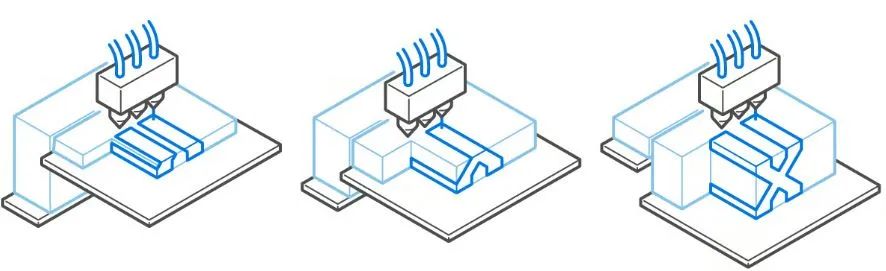 △Binder jettingBinder jetting is a 3D printing process in which a liquid binder selectively binds a layer of powder. This technology type combines characteristics of powder bed fusion and material jetting. Similar to PBF, binder jetting uses powder materials (metal, plastic, ceramic, wood, sugar, etc.), and like material jetting, the liquid binder polymer is deposited from an inkjet. Whether it is metal, plastic, sand, or other powder materials, the binder jetting process is the same.First, a thin layer of powder is spread on the build platform by a recoater. Then, the print head with inkjet nozzles passes over the bed, selectively depositing droplets of binder to bind the powder particles together. After a layer is complete, the build platform moves down, and the blade recoats the surface. This process is repeated until the entire part is finished.The uniqueness of binder jetting lies in the absence of heat during the printing process. The binder acts as glue to bind the polymer powder together. After printing, the parts are wrapped in unused powder, which is usually left to cure. The parts are then removed from the powder bed, excess powder is collected and can be reused. From here, depending on the materials, post-processing may be required, but not for sand, which can typically be used directly from the printer as cores or molds. When the powder is metal or ceramic, the post-processing involving heating will melt away the binder, leaving only the metal. Post-processing of plastic parts typically includes coating to improve surface finish. You can also polish, paint, and sand the polymer binder jetting parts.Binder jetting is fast and highly productive, allowing for the economical production of large quantities of parts compared to other AM methods. Metal binder jetting is popular for various metals, especially in end-use consumer goods, tools, and batch spare parts. However, the material selection for polymer binder jetting is limited, and the structural performance of the produced parts is lower. Its value lies in the ability to create full-color prototypes and models.● Subtypes of 3D printing technologies: Metal binder jetting, polymer binder jetting, sand binder jetting● Materials: Sand, polymers, metals, ceramics, etc.● Dimensional accuracy: ±0.2 mm (metal) or ±0.3 mm (sand)● Common applications: Functional metal parts, full-color models, sand castings, and molds● Advantages: Low cost, large build volume, functional metal parts, excellent color reproduction, fast printing speed, no support design flexibility● Disadvantages: A multi-step process for metals, polymer parts are not durable1. Metal Binder Jetting
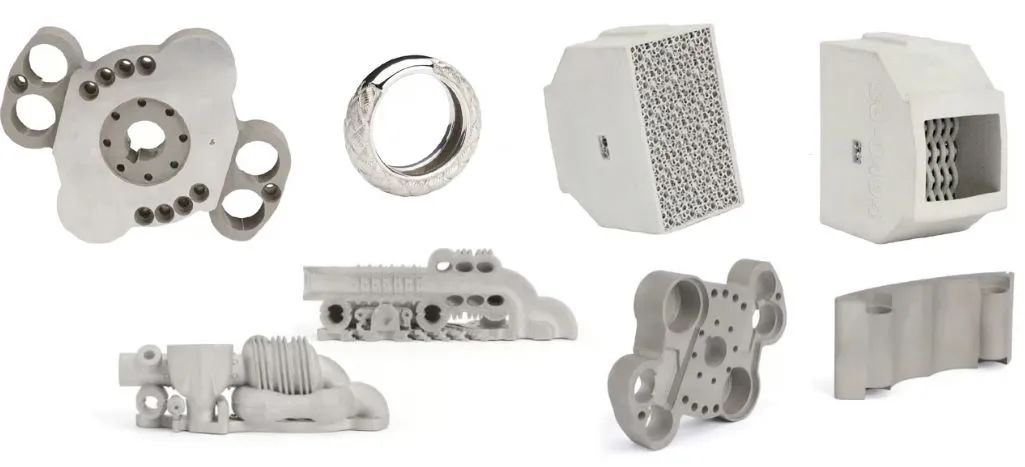 △3D printed stainless steel parts using metal jetting technology from HPMetal binder jetting can also be used to manufacture solid metal objects with complex geometries that far exceed the capabilities of traditional manufacturing techniques. Metal binder jetting is an attractive technology for mass-producing metal parts and achieving weight reduction. Because binder jetting can print parts with complex pattern fills rather than solid parts, the resulting parts are significantly lighter while maintaining strength. The porosity characteristics of binder jetting can also be utilized to achieve lighter end parts for medical applications, such as implants.Overall, the material properties of metal binder jetting parts are comparable to those of metal parts produced through metal injection molding, making it one of the most widely used manufacturing methods for mass-producing metal parts. In addition, binder jetting parts exhibit higher surface smoothness, especially in internal channels.
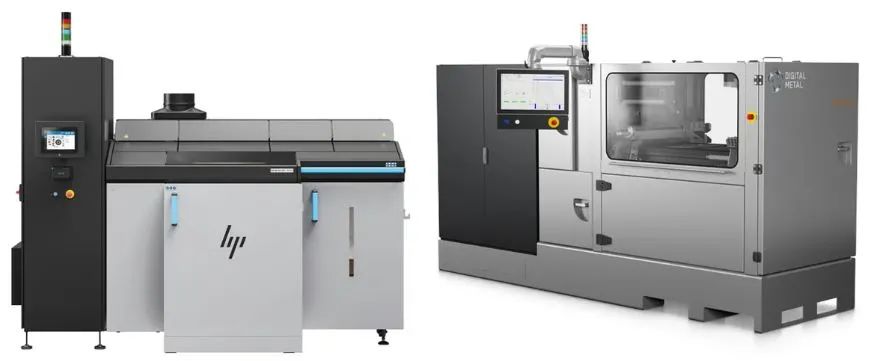 △Metal binder jetting 3D printers produce fine solid metal parts for end-use applicationsMetal binder jetting parts require secondary processing after printing to achieve good mechanical properties. Freshly printed parts are essentially made up of metal particles glued together with polymer binders. These so-called “green parts” are fragile and cannot be used as is. After the printed parts are removed from the metal powder bed (the process known as depowdering), they undergo thermal processing in a furnace (known as the sintering process). The printing parameters and sintering parameters are adjusted for the specific part’s geometry, materials, and desired density. Sometimes bronze or other metals are used to infiltrate the voids in the binder jetting parts to achieve zero porosity.2. Plastic Binder Jetting
 △Plastic binder jettingPlastic binder jetting is a process very similar to metal binder jetting as it also uses powder and liquid binders, but the applications are quite different. After printing, plastic parts are removed from their powder bed and cleaned, typically usable without further processing, but these parts lack the strength and durability found in 3D printing processes. Plastic binder jetting parts can be filled with another material to improve strength. Binder jetting with polymers is valued for its ability to produce multi-colored parts for medical modeling and product prototyping.3. Sand Binder Jetting
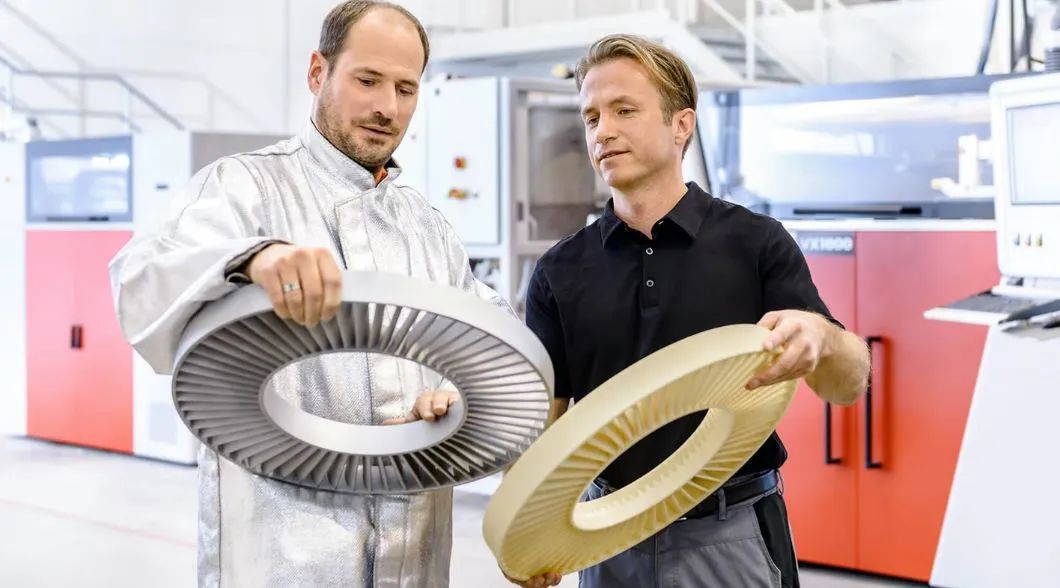 △Sand binder jettingSand binder jetting differs from plastic binder jetting in terms of printers and printing processes, so it is distinguished here. Producing large sand casting molds, models, and cores is one of the most common applications of binder jetting technology. The low cost and speed of this process make it an excellent solution for foundries, as it is difficult to produce fine pattern designs in just a few hours using traditional techniques.The future of industrial development continually presents high demands on contract factories and suppliers. Sand 3D printing is just beginning to realize its potential. After printing, operators need to remove and clean the cores and molds from the build area to remove any loose sand. The molds are usually ready for casting immediately. After casting, the molds are dismantled, and the final metal parts are removed.4. Multi Jet Fusion (MJF)
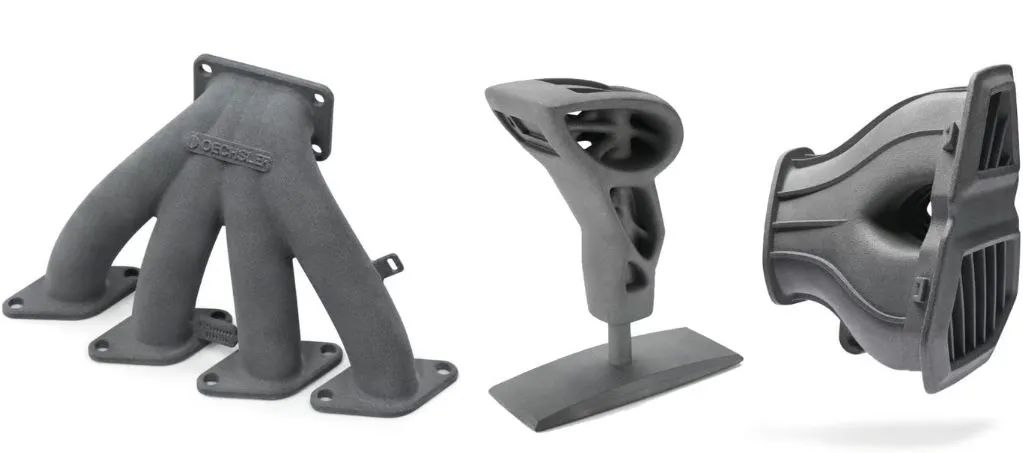 △BASF and HP collaborated to develop a new industrial-grade polypropylene for MJFAnother unique and brand-specific 3D printing process that does not easily fit into any existing category, and is indeed not binder jetting, is HP’s Multi Jet Fusion. MJF is a polymer 3D printing technology that uses powder materials, liquid fusing materials, and detail agents. It is not considered binder jetting because heat is added to the process, resulting in parts with higher strength and durability, and the liquid is not entirely a binder. The process’s name comes from the multiple print heads that execute the printing process.In the Multi Jet Fusion printing process, the printer lays down a layer of material powder, typically nylon, on the build bed. After this, the print heads move across the powder and deposit fusing agents and detailing agents on top. Infrared heating devices then move over the printed parts. Wherever a fusing agent is added, the lower layer melts together, while the areas with detailing agents remain powdery. The powdery sections fall away, producing the desired geometry. This also eliminates the need for modeling support, as the lower layers support the layers printed above them. To complete the printing process, the entire powder bed and the printed parts within it are moved to a separate processing station, where most of the loose, unmelted powder is vacuumed away for reuse.Multi Jet Fusion is a versatile technology that has been applied in various industries, including automotive, healthcare, and consumer goods.
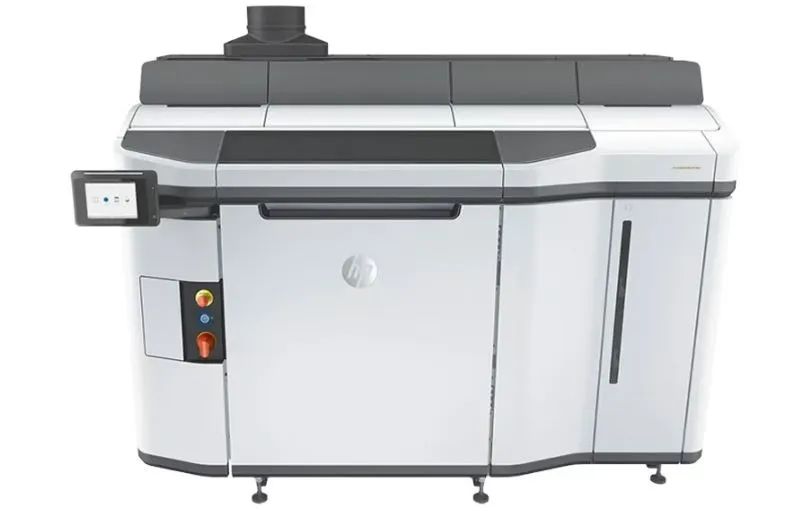 △The HP Jet Fusion 5200 series is one of the various sizes and styles of HP Multi Jet Fusion 3D printers (Source: HP)6. Powder Directed Energy DepositionDirected Energy Deposition (DED) is a 3D printing process where metal materials are deposited while being supplied and melted by powerful energy. This is one of the broadest categories of 3D printing, containing many subcategories depending on the form of the material (wire or powder) and the type of energy (laser, electron beam, arc, supersonic, heat, etc.). Essentially, it shares many similarities with welding.This technology is used for layer-by-layer printing, often followed by CNC machining to achieve stricter tolerances. The combined use of DED and CNC is very common, with a subtype of 3D printing known as hybrid 3D printing, which includes a combined DED and CNC unit in the same machine. This technology is considered a faster, cheaper alternative for small batch metal castings and forgings, as well as for critical repairs in offshore oil and gas industries and aerospace, power generation, and utility applications.
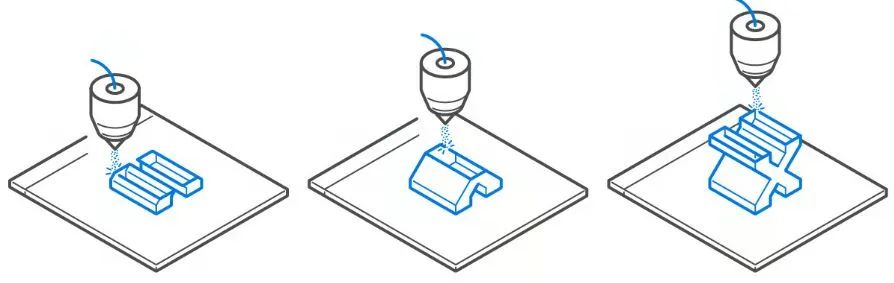 △DED metal 3D printing technology can quickly create a robust metal part that can then be machined to strict tolerances● Subtypes of directed energy deposition: Powder Laser Energy Deposition, Wire Arc Additive Manufacturing (WAAM), Wire Electron Beam Energy Deposition, Cold Spray● Materials: Various metals, in wire and powder forms● Dimensional accuracy: ±0.1 mm● Common applications: Repairing high-end automotive/aerospace components, functional prototypes, and end parts● Advantages: High deposition rate, ability to add metal to existing components● Disadvantages: Cannot create complex shapes due to inability to make support structures, typically poorer surface finish and precision1. Laser Directed Energy Deposition
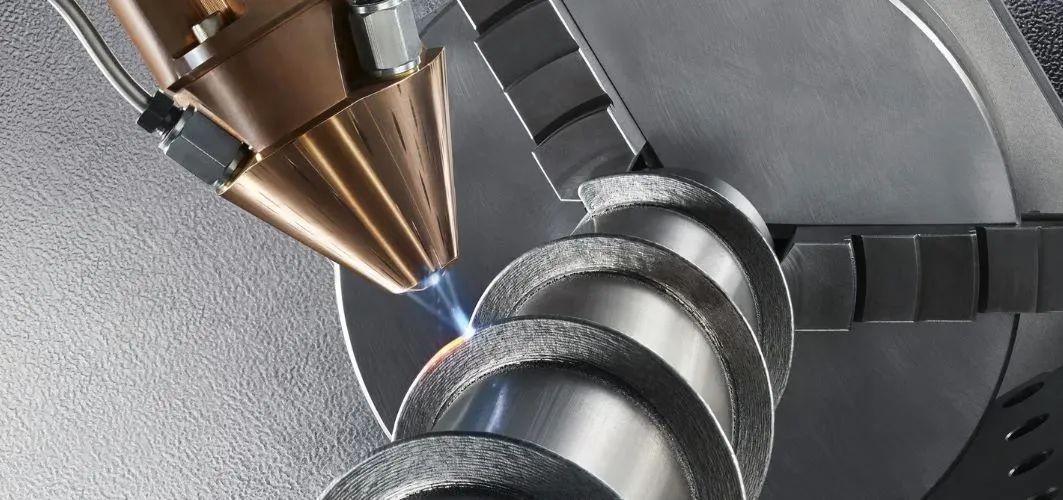 △3D printing metal using laser and powderLaser Directed Energy Deposition (L-DED), also known as Laser Metal Deposition (LMD) or Laser Engineering Net Shaping (LENS), uses one or more nozzles to deliver metal powder or wire, melted by a powerful laser, onto the build platform or metal part. As the nozzle and laser move, or the part moves on a multi-axis turntable, the object is built up layer by layer. The build speed is faster than powder bed melting, but it results in significantly lower surface quality and precision, often requiring extensive post-processing. Laser DED printers typically have sealed chambers filled with argon gas to avoid oxidation. When working with less reactive metals, they can also operate using only localized argon or nitrogen.The metals commonly used in this process include stainless steel, titanium, and nickel alloys. This printing method is typically used for repairing high-end aerospace and automotive components, such as jet engine blades, but is also used to produce entire parts.
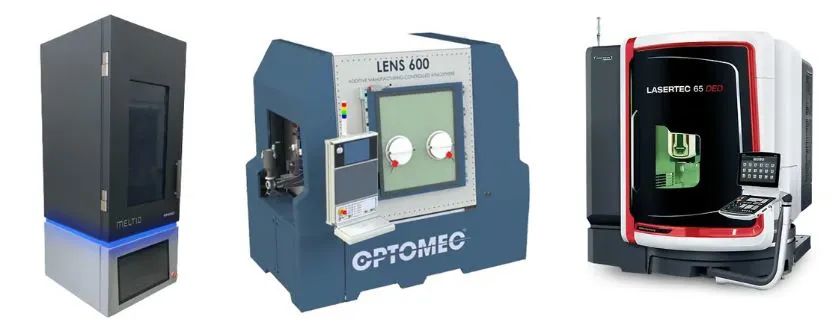 △Meltio M450 wire feed laser DED 3D printer, Optomec LENS CS 600 metal powder feed laser DED 3D printer, and DMG Mori Lasertec 65 DED wire feed laser DED 3D printer.2. Electron Beam Directed Energy Deposition
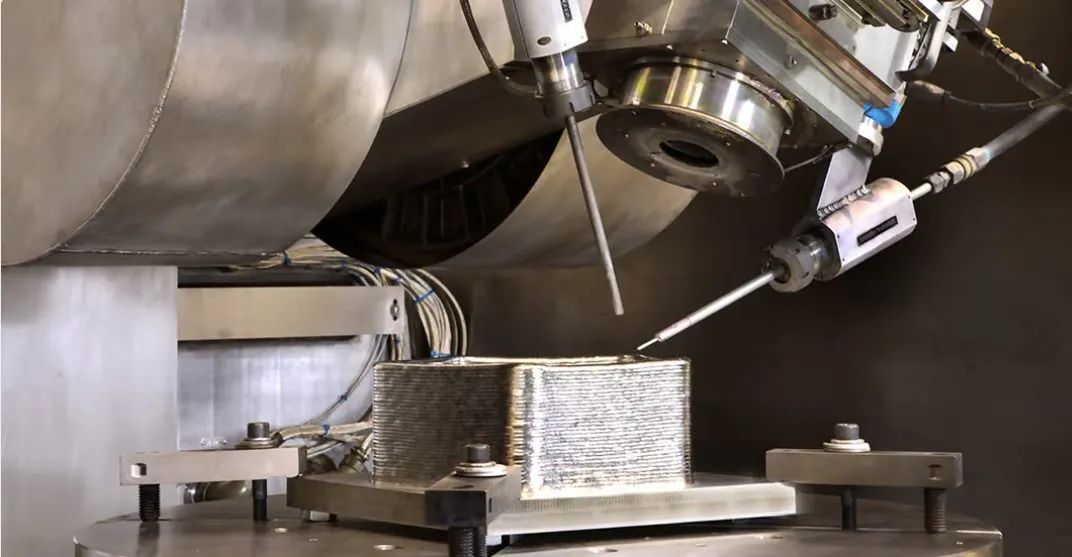 △Electron beam DED 3D printingElectron Beam DED, also known as Wire Electron Beam Energy Deposition, is a 3D printing process very similar to Laser DED. It is conducted in a vacuum chamber and can produce very clean, high-quality metals. As a metal wire is delivered through one or more nozzles, it is melted by the electron beam. Layers are built up individually, with the electron beam forming a tiny melt pool, into which the wire is fed by a wire feeder. Electron beam DED is chosen for processing high-performance and reactive metals (such as copper, titanium, cobalt, and nickel alloys).DED machines are practically unrestricted in terms of printing size. For example, the 3D printer manufacturer Sciaky has an EB DED machine that can produce parts nearly 6 meters long at a rate of 3 to 9 kilograms of material per hour. Electron beam DED is touted as one of the fastest methods for manufacturing metal parts, although it is not the most precise, making it an ideal processing technology for building large structures (such as fuselages) or replacement parts (such as turbine blades).
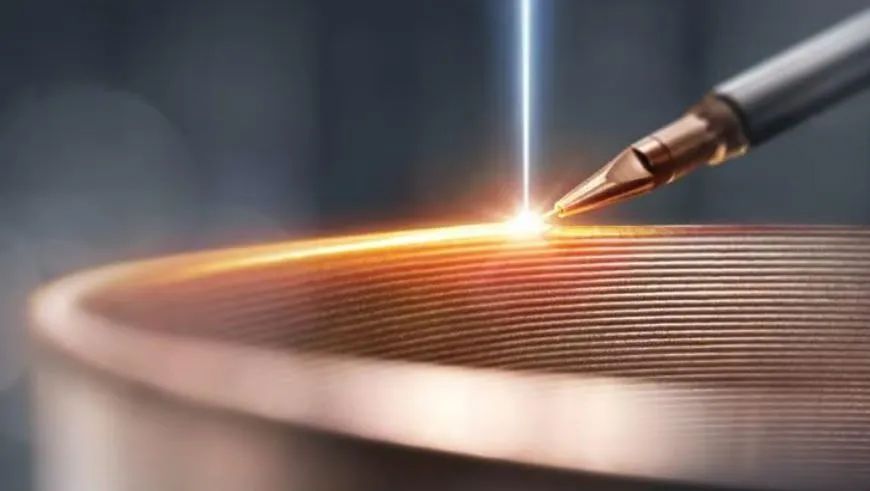 △Wire electron beam deposition 3D printing3. Wire Directed Energy Deposition
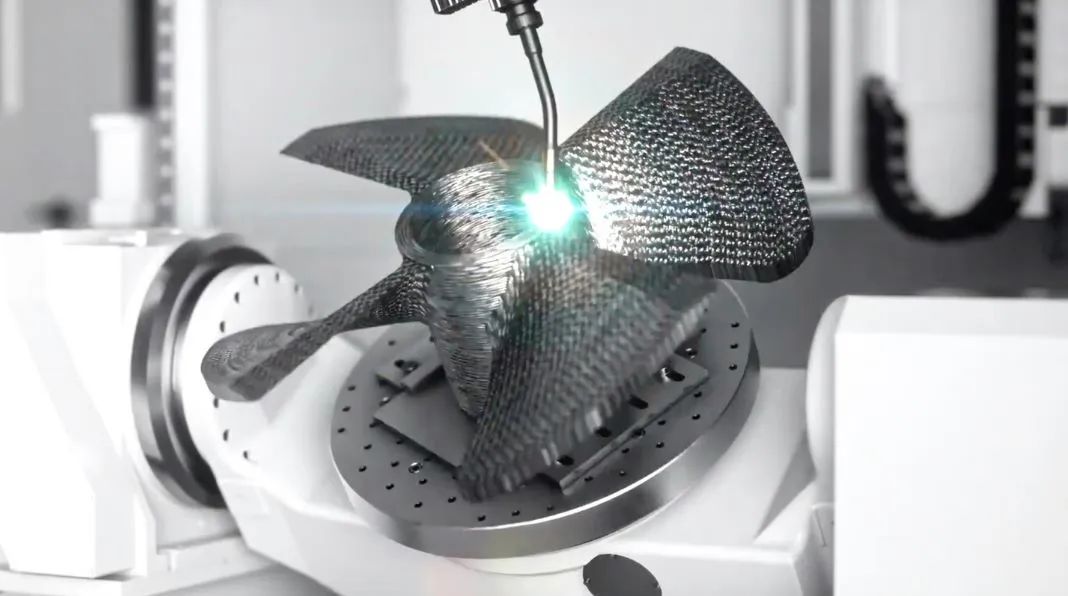 △Gefertec wire arc additive manufacturing (WAAM) printingWire Directed Energy Deposition, also known as Wire Arc Additive Manufacturing (WAAM), is a 3D printing process that uses energy in the form of plasma or an arc to melt metal in wire form and deposit it layer by layer onto a surface, such as a multi-axis turntable, to form a shape. This method is favored over similar technologies like laser or electron beam because it does not require a sealed chamber and can use the same metals as traditional welding (sometimes even the same materials).Wire directed energy deposition is considered the most cost-effective option among DED technologies, as it can utilize existing arc welding robots and power supplies, thus having a relatively low entry barrier. However, unlike welding, this technology employs sophisticated software to control a range of variables during the process, including thermal management of the robotic arm and tool path. This technology does not require support structures to be removed, and finished parts are typically CNC machined to achieve strict tolerances or surface polishing when necessary.
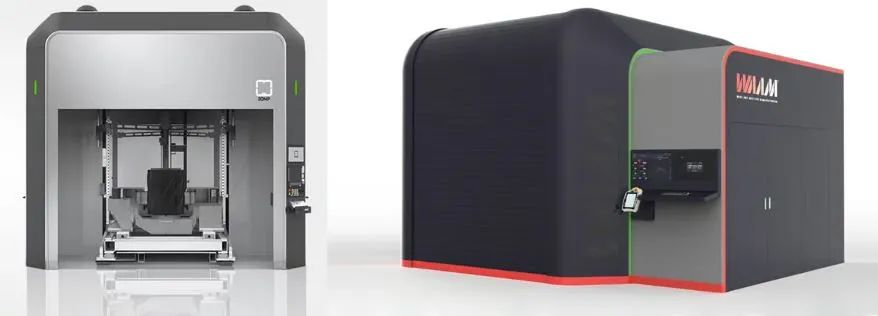 △Gefertec and WAAM3D’s wire arc additive manufacturing 3D printers.4. Cold Spray
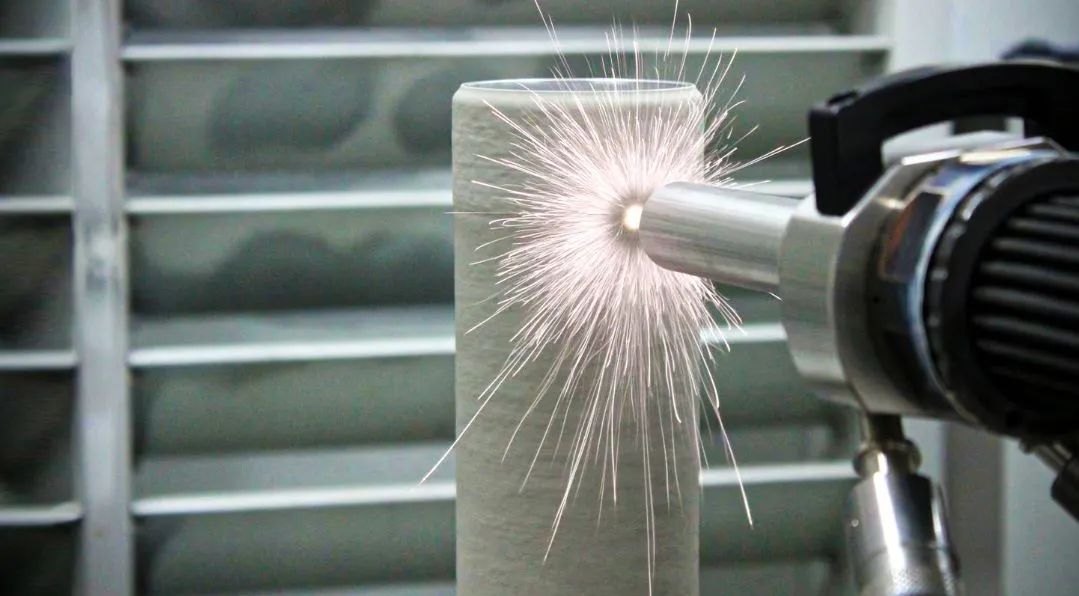 △Cold sprayCold spray is a DED 3D printing technology that uses supersonic spraying of metal powders to bond them without melting, producing almost no thermal cracking or thermal stress. Since the early 2000s, it has been used as a coating process, but recently several companies have begun to use cold spray for additive manufacturing, as it can print at 50 to 100 times the speed of typical metal 3D processes and does not require inert gases or a vacuum chamber.As with all DED processes, cold spray does not produce parts with good surface quality or detail, but parts can be used directly from the print bed.5. Melted Direct Energy Deposition
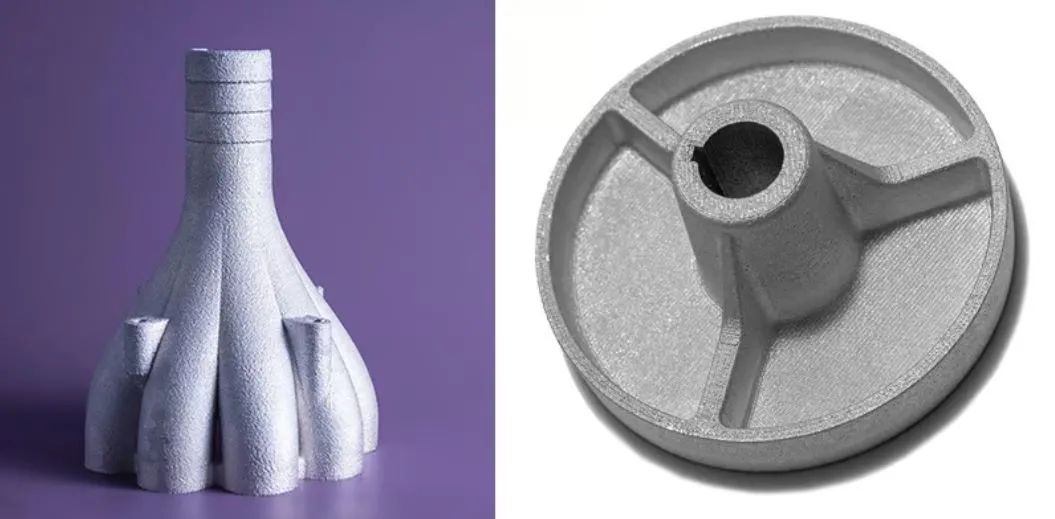 △Melted direct energy deposition: aluminum parts made using Xerox’s ElemX 3D liquid metal printerMelted direct energy deposition is a 3D printing process that uses heat to melt metal (usually aluminum) and then deposits it layer by layer on the build plate to form 3D objects. This technology differs from metal extrusion 3D printing in that extrusion uses a metal material containing a small amount of polymer to make the metal extrudable. The polymer is then removed during the heat treatment phase, while melted DED uses pure metal. Melted or liquid DED can also be compared to material jetting, but instead of a series of nozzles depositing droplets, liquid metal typically flows from the nozzle.Variants of this technology are under development, and melted metal 3D printers are rare. The advantage of using heat to melt and then deposit metal is the ability to use less energy than other DED processes and possibly use recycled metal as raw material instead of wire or highly processed metal powder.7. Sheet Lamination
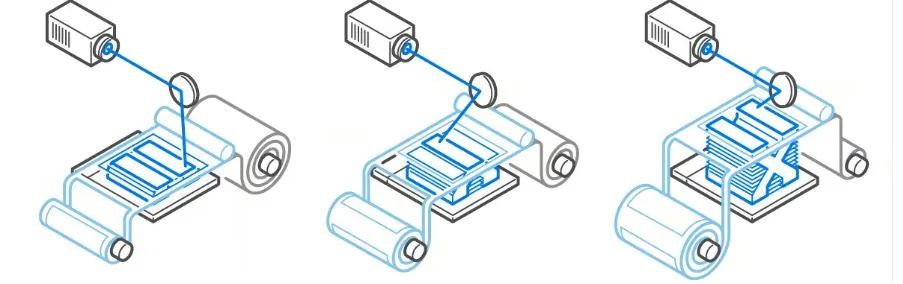 △Sheet laminationSheet lamination is technically a form of 3D printing that is quite different from the above technologies. Its function is to stack and laminate very thin sheets of material together to produce 3D objects or stacks, which are then cut into the final shape through mechanical or laser cutting. The material layers can be fused together using various methods, including heating and sound, depending on the material, which can range from paper and polymers to metals. When parts are laminated and then laser cut or machined into the desired shape, more waste is produced than with other 3D printing technologies.Manufacturers use sheet lamination to produce cost-effective non-functional prototypes at relatively high speeds, which can be used in battery technology and composite materials since the materials used can be interchangeable during the printing process.● Types of 3D printing technologies: Laminated Object Manufacturing (LOM), Ultrasonic Consolidation (UC)● Materials: Paper, polymers, and sheet metals● Dimensional accuracy: ±0.1 mm● Common applications: Non-functional prototypes, multi-color printing, casting molds.● Advantages: Can be produced quickly, composite printing● Disadvantages: Low precision, high waste, some parts require post-processingLaminated additive manufacturing
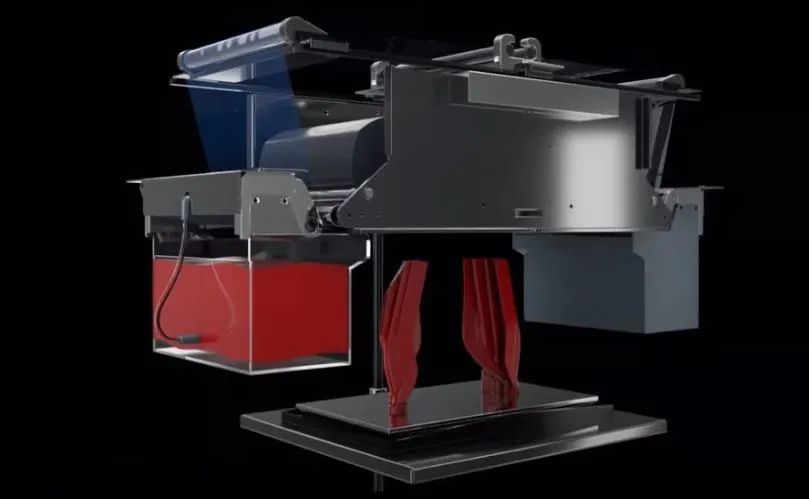 △Laminated additive manufacturingLamination is a 3D printing technology in which material sheets are stacked together and glued together, then cut into the correct shape using a knife (or laser or CNC router). This technology is less common today, as the costs of other 3D printing technologies have decreased, and speed and ease of use have significantly increased.
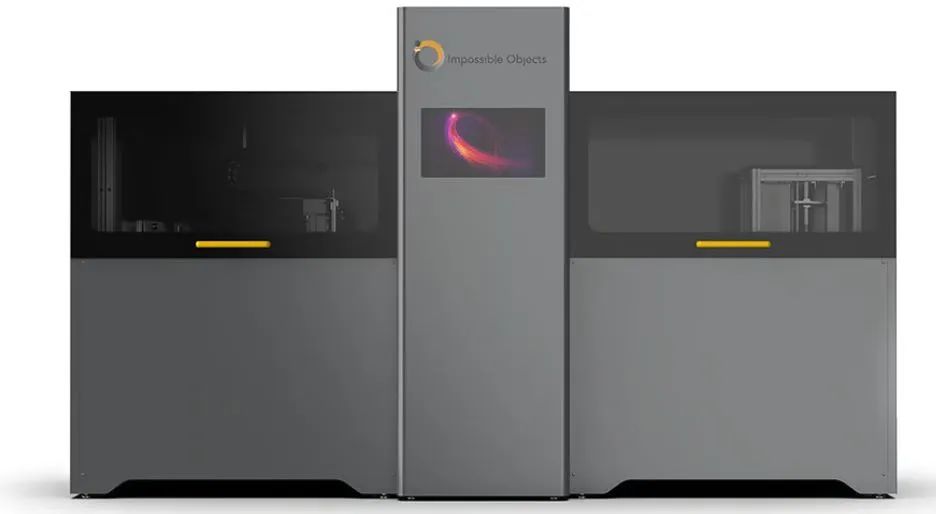 △BCN3D’s viscous lithography manufacturing (VLM) 3D printing process using resin (Source: BCN3D)Viscous Lithography Manufacturing (VLM):VLM is a proprietary 3D printing process from BCN3D that laminates thin layers of high-viscosity photosensitive resin onto a transparent transfer film. The mechanical system allows the resin to be laminated from both sides of the film, enabling the combination of different resins for multi-material parts and easy-to-remove support structures. This technology has not been commercialized yet, but it could also belong to one of the laminated 3D printing technologies.Composite-Based Additive Manufacturing (CBAM):Startup Impossible Objects has patented this technology, which fuses carbon, glass, or Kevlar mats with thermoplastics to manufacture parts.Selective Laminate Composite Manufacturing (SLCOM):EnvisionTEC, now owned by ETEC, developed this technology in 2016, which uses thermoplastics as base materials and woven fiber composites.Note: There are many types of 3D printing technologies; the above are the seven most common categories of additive manufacturing in 3D printing and do not cover all 3D printing technologies available in the market.Source: Nanji Bear 3D Printing