 With the advent of 3D printing technology, a patient’s bone model can be printed at a 1:1 scale based on imaging data, visually and tangibly presenting the condition to the patient and their family,which aids in doctor-patient communication. Additionally, the lead surgeon can use the 3D printed bone model for preoperative planning.

1. What is 3D Printing Technology?
3D printing technology, also known as additive manufacturing, is a type of rapid prototyping technology that constructs objects based on digital model files, using powder metal or plastic and other adhesive materials through a layer-by-layer printing method.It is now widely used in medical, educational, and scientific research fields.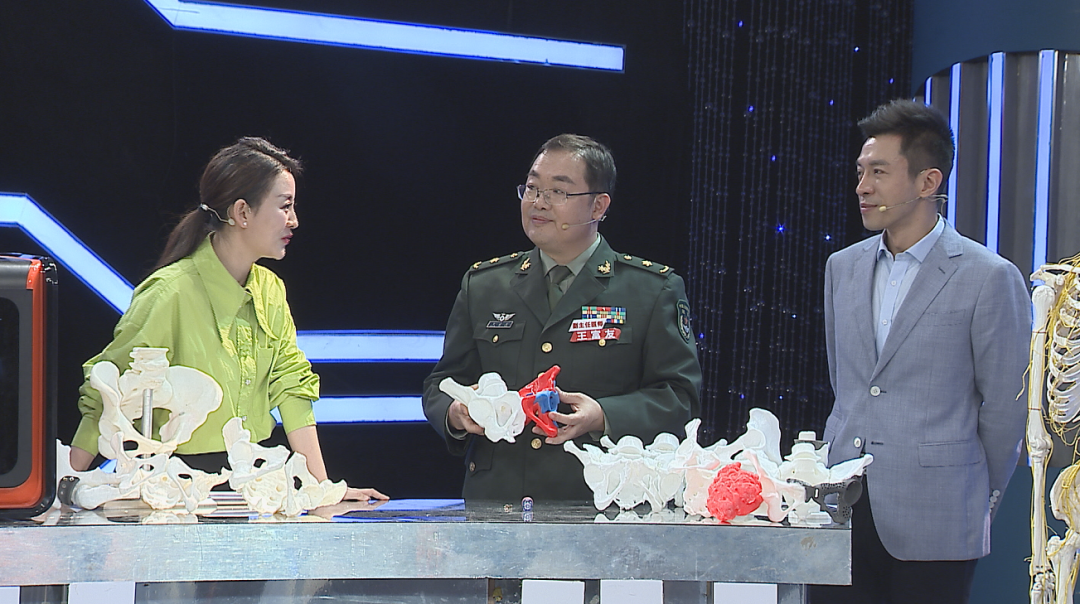
2. The Medical 3D Printing Process
The medical 3D printing process mainly includes:(1) Data CollectionUsing CT, MRI, and other equipment to perform thin-layer scans of the patient and saving the data in DICOM format for future use.(2) Three-Dimensional Reconstruction and DesignImporting the patient’s imaging data into medical 3D reconstruction software to reconstruct the bone model based on threshold levels, designing the bone model, surgical guide, and bone defect implant’s three-dimensional shape according to the patient’s condition.(3) 3D Printing of the Physical ObjectThe 3D printer prints the physical object layer by layer based on the digitized three-dimensional shape.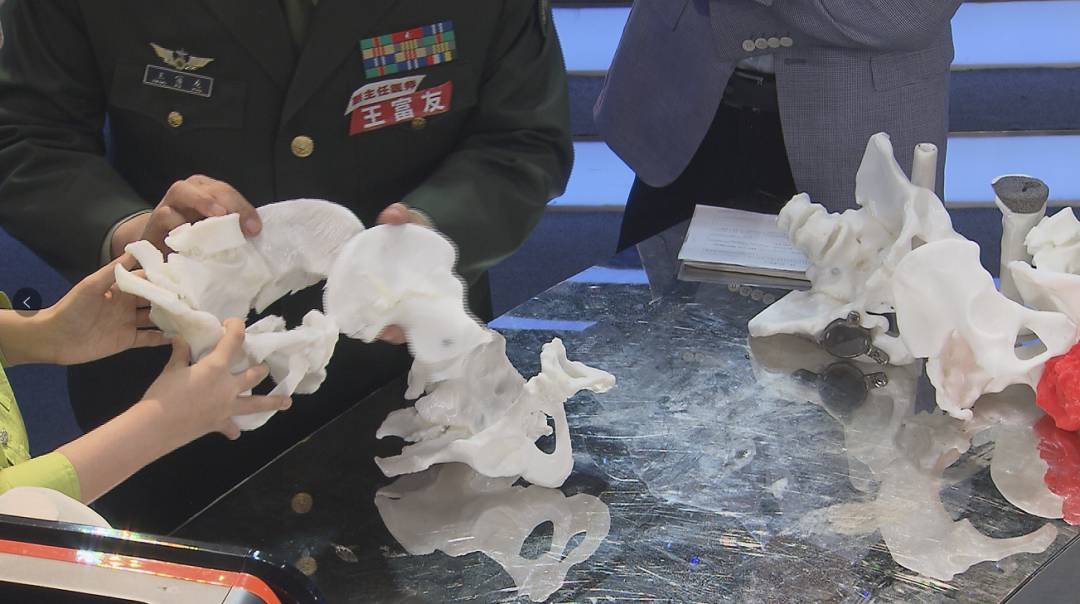
3. Applications of 3D Printing in Orthopedics
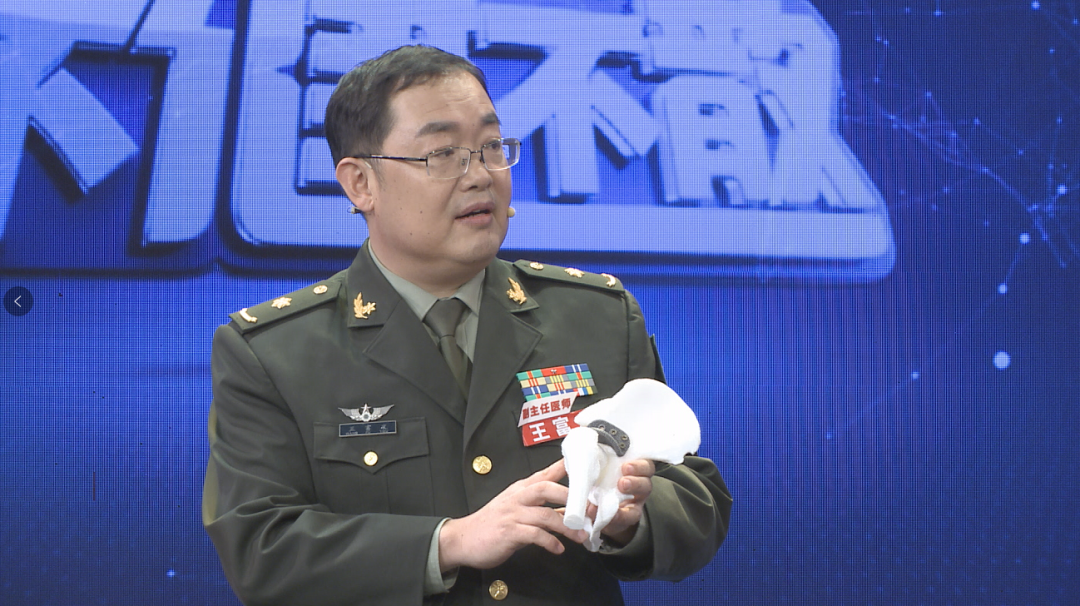 ▲Trauma Joint Surgery Department, Southwest Hospital, Army Medical UniversityAssociate Chief Physician, Associate Professor Wang Fuyou
1. Preoperative Planning
For fracture patients, especially those with comminuted fractures, the preoperative 3D printed anatomical model helps analyze or simulate surgical operations, providing more guidance than solely relying on 2D CT or MRI scans.Using 3D printing technology preoperatively allows doctors to gain a more intuitive understanding of the patient’s condition, especially beneficial for less experienced young doctors in diagnosing and treating diseases.Clinical results show that the 3D model group has shorter surgical times and less intraoperative blood loss and postoperative drainage compared to the non-3D model group,which is conducive to precise fracture reduction, improving surgical accuracy, shortening surgical time, and achieving better surgical outcomes.2. Preparation of Surgical GuidesThe main function of surgical guides is to assist inprecise fracture reduction, aiding screws and other implants or instruments to reach predetermined positions,enhancing the convenience of surgical operations while reducing error rates, significantly improving the precision of surgical procedures.Using 3D printed surgical guides can significantly enhance surgical accuracy, reduce intraoperative risks, and substantially improve surgical safety and clinical efficacy, making it an effective, feasible, and promotable technology.The application of 3D printed surgical guides aligns with the concept of precision medicine in the 21st century, enhancing surgical efficacy while reducing patient trauma.3. Customized Implants for Bone DefectsIn the repair of bone defects, implants are often required. Traditional orthopedic implants have fixed sizes and shapes, necessitating the use of bone files to adjust the host bone during surgery to match the shape and size of the prosthesis and internal implants. However, 3D printing can create ‘custom-made’ implants for bone defects for patients. 3D printing can achieve biomimetic trabecular structures, adjusting porous structure parameters to ensure its elastic modulus is between cancellous and cortical bone, avoiding stress shielding, enhancing the initial stability of porous tantalum implants, and inducing new bone tissue growth while improving the long-term stability of implants. The use of 3D printed implants to repair bone defects has achieved good mid- to long-term clinical outcomes, showing significant advantages over conventional surgical methods.4. Customized Rehabilitation AidsFor adults and children with limb paralysis, functional disabilities, and developmental deformities, rehabilitation aids can significantly improve functional disabilities, correct deformities, and promote rehabilitation efficacy. However, traditional manufacturing processes have many limitations, such as long production times, bulkiness, unattractiveness, and poor fit to the patient’s body contour.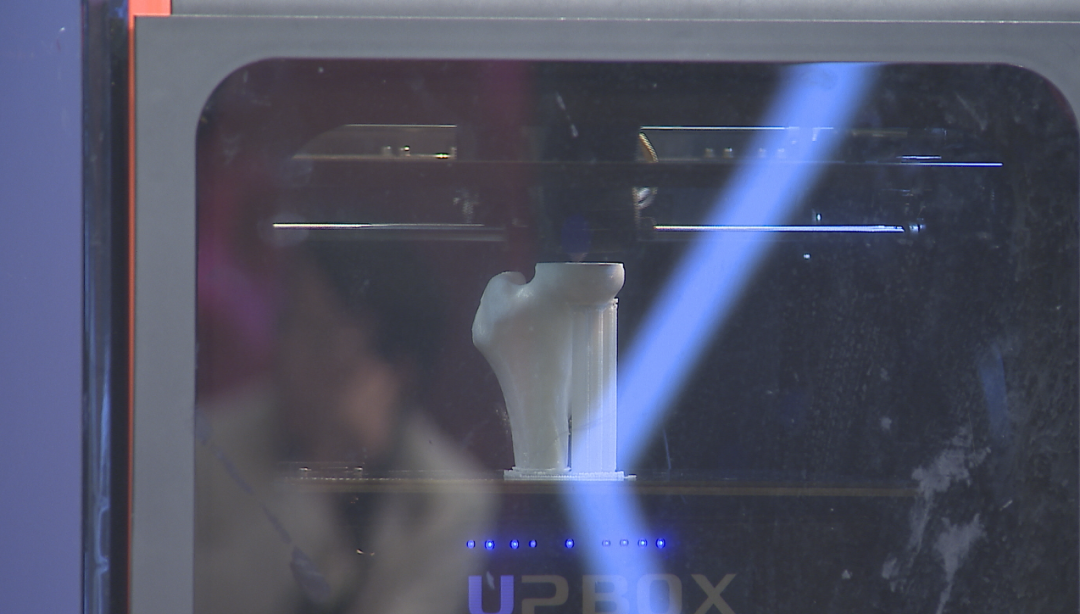 The greatest advantage of 3D printing technology is its ability to freely shape rehabilitation aids based on the patient’s body contour, effectively solving the matching problem between rehabilitation aids and the patient’s body; lightweight design can reduce the weight of rehabilitation aids; aesthetic design makes it easier for patients to accept, compensating for the shortcomings of traditional processes.Currently, 3D printed rehabilitation aids have achieved phased results and are being clinically promoted.
Doctor’s Introduction

Wang Fuyou
MD, Harvard UniversityVisiting Scholar, Associate Chief Physician of Joint Surgery at Southwest Hospital, Master’s Supervisor
Currently serves as the President of the Medical 3D Printing Branch of the Chongqing Additive Manufacturing Industry Association; Standing Committee Member of the Regenerative Medicine Technology Industry Professional Committee of the China Medical Device Industry Association; Member of the Orthopedic Basic Work Committee of the Orthopedic Physician Branch of the Chinese Medical Doctor Association; Reviewer for the journals “Chinese Journal of Tissue Engineering Research” and “Journal of Third Military Medical University.” Mainly engaged in research on bone and cartilage tissue engineering and biological 3D printing. He was the first to propose the “Three Biomimetic” construction principle for tissue engineering, which includes structural biomimicry, compositional biomimicry, and functional biomimicry. Under the guidance of the “Three Biomimetic” principle, he established the “one-step” cartilage repair technique and allogeneic BMSCs treatment for OA. He has led key research projects and published 62 academic papers, including 28 SCI papers; holds 1 US patent, 14 national invention patents, and 22 utility model patents. In 2010, he received the second prize for military scientific and technological progress (ranked seventh). In 2017, he was awarded the third-class merit of the Army Medical University. In 2019, he was selected as a key support object of the excellent talent pool of the Army Medical University. In 2020, he received the second prize of the university-level teaching achievement award (ranked fourth).
Selected Past Articles

Organized by: Political Work Department of Southwest Hospital, Army Medical UniversitySome images sourced from the internet, infringement will be deletedSource:Bu Jian Bu San Service AccountSupervised by: Liu Changman, Gong BoEditor-in-Chief: Huang XiaotongEditor: Tang JieProofreader: Li Juan