Unity ECS + Ascend NPU: New Approaches to Performance Optimization

Unity ECS + Ascend NPU: New Approaches to Performance Optimization

1. Introduction In the field of game development, Unity has always been a favorite among many developers. With the continuous advancement of technology, developers are beginning to explore how to combine Unity with cutting-edge computing technologies to further tap into the potential of game performance. The emergence of the Unity ECS (Entity Component System) architecture … Read more


HTTP/3 vs HTTP/2: A Performance Revolution! An In-Depth Analysis Before Upgrading

HTTP/3 vs HTTP/2: A Performance Revolution! An In-Depth Analysis Before Upgrading

In today’s internet era, website performance is the lifeblood of user experience and SEO rankings! The HTTP protocol, as the core of web communication, has made a remarkable leap from HTTP/1.1 to HTTP/2, but does the emergence of HTTP/3 truly bring about a revolutionary improvement? This article will delve into the performance differences between HTTP/3 … Read more

Frontend Performance Optimization: HTTP Caching Mechanism

Frontend Performance Optimization: HTTP Caching Mechanism

Introduction When a user enters a URL in the browser, the server returns resource files such as HTML, JS, CSS, and images. The process from initiating the request to rendering the page involves CPU computation, page rendering, and network requests. Among these, CPU computation and page rendering can usually be completed quickly, while the speed … Read more

Fundamentals of Machine Language and Assembly Language

Fundamentals of Machine Language and Assembly Language

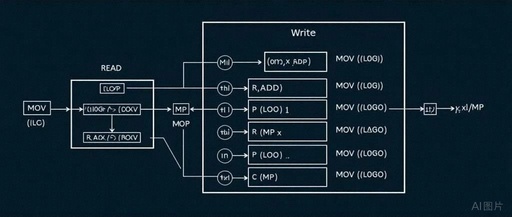
1. Basics of Machine Language Composition of Machine Instructions Machine instructions are binary codes that the CPU can execute directly, consisting of two parts: Opcode: Specifies the operation to be performed (such as addition, subtraction, transfer, etc.) Operand: Specifies the target of the operation and the location for storing the result (registers, memory addresses, etc.) … Read more

3 Techniques to Solve Slow PLC Program Execution and Instantly Boost Device Performance

3 Techniques to Solve Slow PLC Program Execution and Instantly Boost Device Performance

3 Techniques to Solve Slow PLC Program Execution and Instantly Boost Device Performance Five years ago, on a late night, I was urgently called to a packaging production line. The client was frantic—the newly commissioned equipment was running 30% slower than expected, packaging 20 fewer products per minute, leading to significant daily losses. Upon inspecting … Read more

Practical Guide to GCC Link Time Optimization (LTO): Enhancing C++ Performance

Practical Guide to GCC Link Time Optimization (LTO): Enhancing C++ Performance

Introduction When optimizing the performance of C++ projects, we often enable -O2 or -O3 to enhance the compilation optimization level. However, many developers are unaware that GCC’s Link Time Optimization (LTO) is a powerful technique that breaks the boundaries of object files, enabling cross-file function inlining and the removal of unused code, further improving program … Read more

Learning the CAN Bus Communication Protocol: (6) How to Avoid Long Execution Times in Interrupt Service Routines During CAN Interrupt Reception

Learning the CAN Bus Communication Protocol: (6) How to Avoid Long Execution Times in Interrupt Service Routines During CAN Interrupt Reception

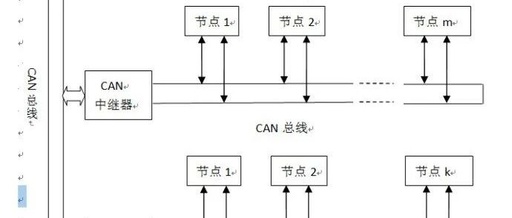
Click the blue text Follow us 1. Problem Description Performing a large number of complex operations during CAN interrupt data reception can indeed lead to long execution times for the Interrupt Service Routine (ISR). This may cause issues such as missing other interrupt requests and affecting the real-time performance of the system. Since the ISR … Read more

In-Depth Analysis and Application Scenarios of HTTP Long Connections and Short Connections

In-Depth Analysis and Application Scenarios of HTTP Long Connections and Short Connections

HTTP Long Connections and Short Connections: In-Depth Analysis and Application Scenarios In today’s rapidly developing internet technology, the choice of connection method in the HTTP protocol, as the foundation of network communication, has a crucial impact on website performance and user experience. This article will explore the differences, advantages, disadvantages, and application scenarios of HTTP … Read more

From HTTP 1.0 to HTTP/2: The Evolution of Internet Protocols (Part 1)

From HTTP 1.0 to HTTP/2: The Evolution of Internet Protocols (Part 1)

From HTTP 1.0 to HTTP/2: The Evolution of Internet Protocols (Part 1) 1. Introduction: Why is HTTP the “Universal Language” of the Internet? When you open the Taobao homepage, there may be over 50 instances of “client-server” communication happening simultaneously in the background. The rules governing these communications are defined by the HTTP protocol. From … Read more

Top 10 Pitfalls to Avoid with C# HttpClient: From Socket Leaks to Performance Optimization

Top 10 Pitfalls to Avoid with C# HttpClient: From Socket Leaks to Performance Optimization

As a C#.NET developer, I have witnessed memory leaks, performance degradation, and even security vulnerabilities caused by improper use of HttpClient. I have made these typical mistakes early in my development career, and after years of practice, I have summarized the following ten common issues and their solutions. 🚨 1. Not Reusing HttpClient Instances (Leading … Read more