HTTP Long Connections and Short Connections: In-Depth Analysis and Application Scenarios
In today’s rapidly developing internet technology, the choice of connection method in the HTTP protocol, as the foundation of network communication, has a crucial impact on website performance and user experience. This article will explore the differences, advantages, disadvantages, and application scenarios of HTTP long connections and short connections from multiple perspectives, helping readers better understand and apply these two connection methods.

1. Basic Concepts of HTTP Long Connections and Short Connections
1. HTTP Long Connection
HTTP long connection, also known as persistent connection, refers to the ability to send and receive multiple HTTP requests/responses over a single TCP connection, rather than establishing a new connection for each request. This method is implemented by adding `Connection: keep-alive` in the HTTP header.
2. HTTP Short Connection
HTTP short connection, also known as non-persistent connection, requires establishing a new TCP connection for each HTTP request and immediately closing the connection after the request is completed. This method is the default mode of HTTP/1.0.
2. Comparison of Advantages and Disadvantages of Long Connections and Short Connections
1. Advantages of Long Connections
Reduced Latency: Avoids frequent connection establishment and disconnection, reducing network latency.
Increased Efficiency: Reduces the processing burden on servers and clients, improving network communication efficiency.
Resource Savings: Reduces the overhead of TCP handshakes, saving network resources.
2. Disadvantages of Long Connections
Resource Consumption: Keeping connections open for long periods can consume server resources, potentially leading to low resource utilization.
Complex Management: Requires more complex connection management mechanisms to prevent resource leaks and connection timeouts.
3. Advantages of Short Connections
Simple Management: Each request is independent, making connection management relatively simple.

Quick Resource Release: Resources are released immediately after the request is completed, without long-term occupation of server resources.
4. Disadvantages of Short Connections
High Latency: Each request requires establishing a new connection, increasing network latency.
Low Efficiency: Frequent connection establishment and disconnection reduce network communication efficiency.
3. Application Scenario Analysis
1. Application Scenarios for Long Connections
Applications with High Real-Time Requirements: Such as online chat, real-time data push, etc., which require quick response scenarios.
Frequent Request Applications: Such as web browsing, API calls, etc., which require multiple requests.
Resource-Intensive Applications: Such as video streaming, large file downloads, etc., which require stable connections.
2. Application Scenarios for Short Connections
One-Time Request Applications: Such as simple web access, API queries, etc., where there is no need to maintain a connection after the request is completed.
Applications with High Security Requirements: Such as payment transactions, sensitive information transmission, etc., where each request is independent, providing higher security.
4. Strategy Selection in Practical Applications
When choosing between long connections and short connections, it is necessary to weigh the specific application scenarios and requirements. Here are some strategy selections in practical applications:
1. Web Browsing
For web browsing, long connections are typically used. Modern browsers and servers support HTTP/1.1 or HTTP/2, which default to using long connections to improve page loading speed and user experience.
2. API Calls
For API calls, the choice can be based on request frequency and real-time requirements. High-frequency, real-time API calls are recommended to use long connections, while low-frequency, one-time API calls can use short connections.
3. Mobile Applications
In mobile applications, due to complex network environments, it is recommended to dynamically choose the connection method based on network conditions and business needs. For example, use long connections when the network is stable and short connections when the network is unstable to ensure application stability and user experience.
5. Technical Implementation and Optimization
1. Implementation and Optimization of Long Connections
Connection Pool Management: Use connection pools to manage long connections and avoid resource waste.
Heartbeat Mechanism: Regularly send heartbeat packets to check connection status and prevent connection timeouts.
Load Balancing: Use load balancing technology to allocate server resources reasonably and avoid single point overload.
2. Implementation and Optimization of Short Connections
Connection Reuse: Reuse TCP connections within a short time to reduce the overhead of connection establishment.
Cache Optimization: Use caching technology to reduce duplicate requests and improve response speed.
Request Merging: Merge multiple requests into one request to reduce the number of connections.
6. Case Analysis
Case 1: E-commerce Platform
An e-commerce platform adopted long connections when handling user browsing of product pages. By using long connections, the page loading speed significantly improved during operations such as browsing product details and adding items to the cart, greatly enhancing user experience.
Case 2: Payment System
A payment system adopted short connections when processing user payment requests. Each payment request was handled independently, ensuring transaction security and avoiding potential risks associated with long connections.
7. Future Development Trends
With the gradual popularization of HTTP/3, the introduction of the QUIC protocol will further optimize the performance of long connections. The QUIC protocol, based on UDP, reduces the overhead of TCP handshakes, providing faster connection establishment speeds and better congestion control, making the application scenarios for long connections more extensive in the future.
8. Recommended Tools
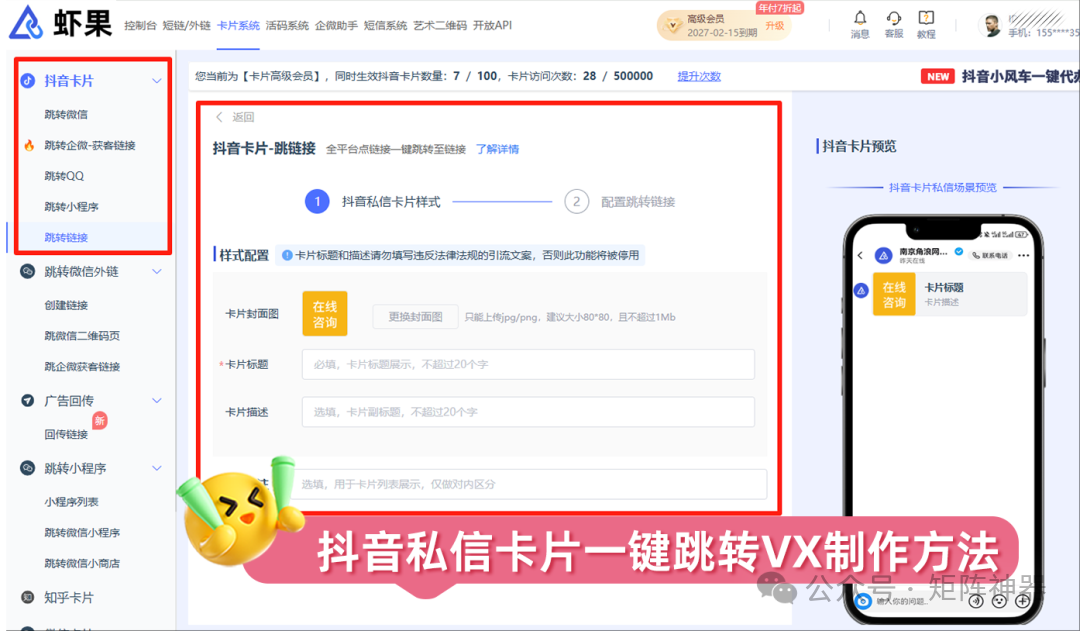
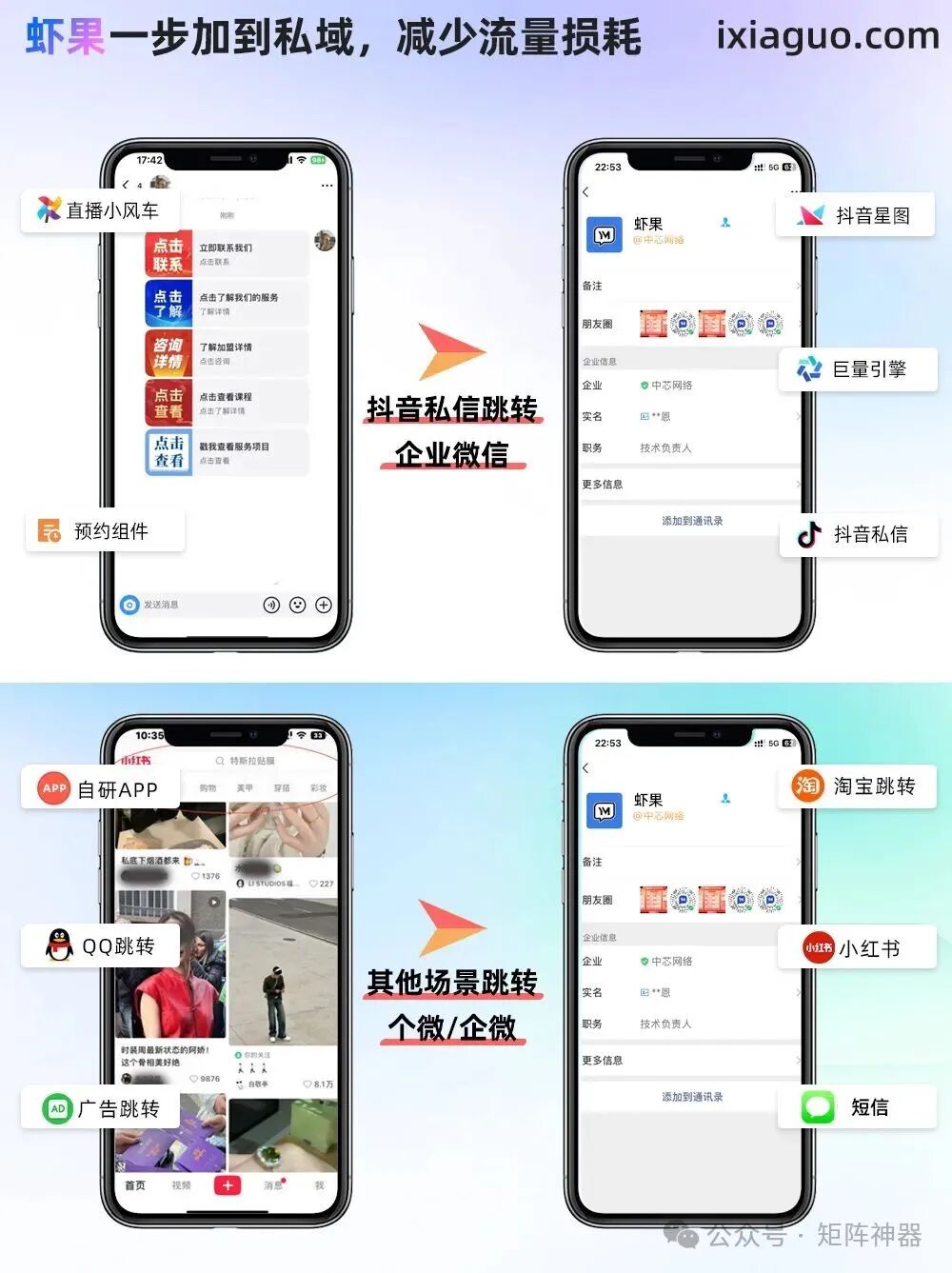
In the management and optimization of long connections and short connections, suitable tools can help us achieve more with less effort. For multi-platform content distribution and account management, Yimei Assistant provides powerful multi-platform one-click distribution and self-media multi-account management functions, effectively improving content publishing and management efficiency. For generating and managing short connections, Xiaguo offers a stable short connection system that supports channel-based generation, group management, and access data collection, helping enterprises optimize promotional effects.
Conclusion
HTTP long connections and short connections each have their advantages and disadvantages. Choosing the appropriate connection method requires a comprehensive consideration of application scenarios, performance requirements, and security factors. Through reasonable technical implementation and optimization, network communication efficiency and user experience can be effectively improved. In the future, with continuous technological advancements, the applications of long connections and short connections will become more diverse and efficient. It is hoped that the discussions in this article can provide beneficial references for readers in practical applications.