Overview of Antibody-Drug Conjugates (ADCs)
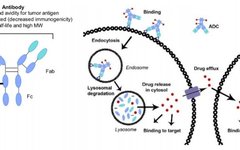
Overview of Antibody-Drug Conjugates (ADCs)

▉ Introduction Antibody-drug conjugates (ADCs) are composed of monoclonal antibodies that specifically target antigens linked to small molecule cytotoxic drugs via linkers, combining the powerful killing effect of traditional small molecule chemotherapy with the tumor-targeting capability of antibody drugs. ADCs consist of three main components: the antibody responsible for selectively recognizing cancer cell surface antigens, … Read more
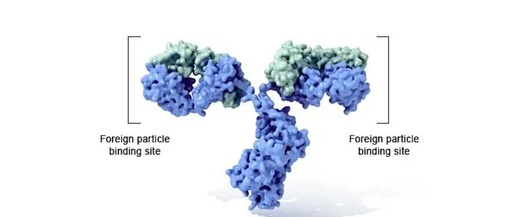
Antibody-Drug Conjugates (ADC) – A Review of Linkers (Including a List of Commonly Used Biodegradable Linkers)

Antibody-Drug Conjugates (ADC) - A Review of Linkers (Including a List of Commonly Used Biodegradable Linkers)

[Image] Antibody-drug conjugates (ADCs) are a class of emerging anti-cancer drugs that can directly deliver highly cytotoxic molecules to cancer cells. To date, 12 ADC drugs have received market approval. ADCs are formed by the covalent linkage of monoclonal antibodies and cytotoxins through linkers. Research indicates that linkers play a crucial role in ADC drugs, … Read more

Branch Linkers for ADCs: What Length is Appropriate?

Branch Linkers for ADCs: What Length is Appropriate?

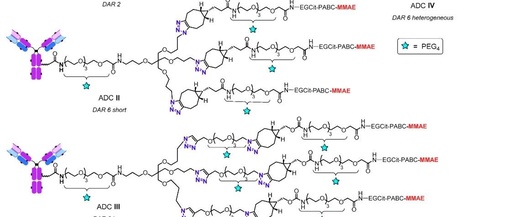
Selecting different lengths of branched amino triazole linkers for site-specificMTGase-mediated antibody modification, followed by strain-promoted azide-alkyne cycloaddition (SPAAC) for payload coupling. For the payload portion, clinically validated monomethyl auristatin E (MMAE) was used, coupled with hydrophilic EGCit linkers, resulting in homogeneous ADC I (DAR 2) and ADC II/III (DAR 6).At the same time, ADC IV … Read more