Unlocking Chromium Decarboxylative Ligand-to-Metal Charge Transfer: Efficient and Redox-Neutral Allylation of Aldehydes Using Carboxylic Acids
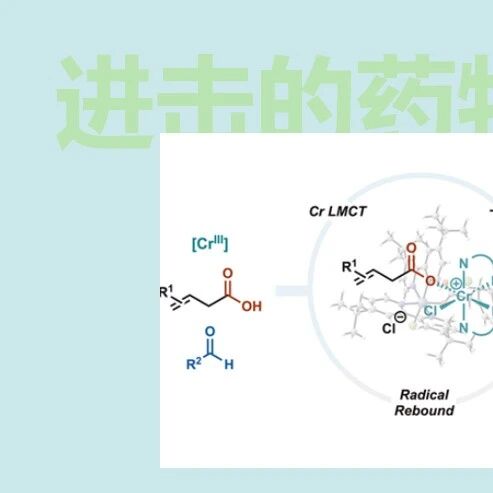
Unlocking Chromium Decarboxylative Ligand-to-Metal Charge Transfer: Efficient and Redox-Neutral Allylation of Aldehydes Using Carboxylic Acids

Recently, Professor Alexander W. Schuppe’s team from Vanderbilt University reported in J. Am. Chem. Soc. the decarboxylative ligand-to-metal charge transfer (LMCT) reaction of photoinduced Cr (III) carboxylate complexes, applying it to the stereoselective Nozaki-Hiyama-Kishi (NHK) allylation reaction. This method directly utilizes carboxylic acids without the need for external redox reagents, achieving good yields and high … Read more

New Trojan Based on Rust Language Targets Chromium-Based Browsers for Data Theft

New Trojan Based on Rust Language Targets Chromium-Based Browsers for Data Theft

Recently, researchers discovered a new type of information-stealing malware written inRust that can extract sensitive data fromChromium-based andGecko-based web browsers. Part01 Overview of the Malware Situation This malware, namedMyth Stealer, represents a significant evolution in cybercriminal strategies, combining modern programming techniques with traditional social engineering methods to steal user credentials and financial information. Sincelate December … Read more

Impact of 3D Printing on the Surface Quality of Chromium Materials

Impact of 3D Printing on the Surface Quality of Chromium Materials

3D printing has the following effects on the surface quality of chromium materials: 1. Surface Roughness The 3D printed chromium material parts typically exhibit high surface roughness, especially during the printing process, where layer lines and uneven textures may appear due to the layer-by-layer accumulation characteristic. The magnitude of surface roughness is closely related to … Read more