Solder joint processing in printed circuit board assembly (PCBA) is crucial, as the quality of solder joints directly affects the performance and reliability of the entire product. However, in the actual production process, issues of solder joint failure may arise. How can we reasonably address this issue?
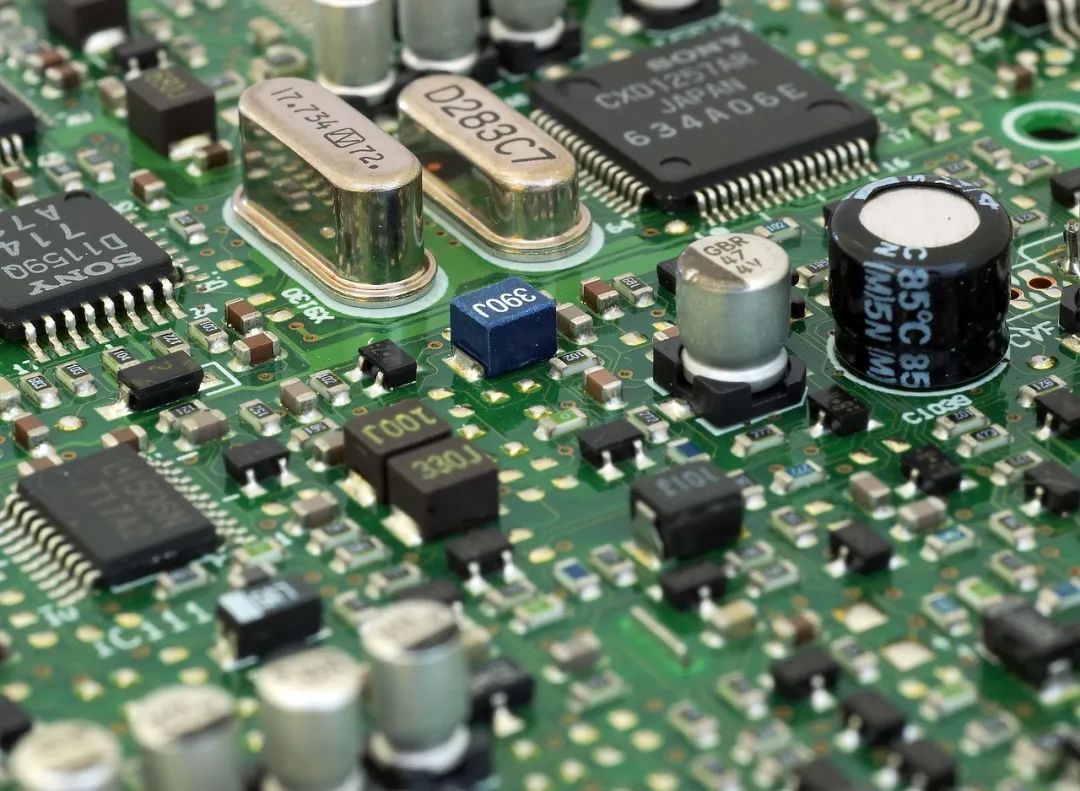
1. Why Do Solder Joints Fail?① Improper Welding Process: Unreasonable settings of welding parameters such as temperature, time, and pressure, or issues like vibration and misalignment during the welding process can lead to poor solder joint quality and subsequent failure; ② Material Mismatch: Mismatched welding materials and the material of the workpiece, or quality issues with the welding materials themselves, such as oxidation or contamination, can affect the performance of solder joints; ③ Design Defects: Unreasonable PCB design, such as overly small pad sizes or narrow spacing, or improper component layout can make it difficult for solder joints to form or lead to unstable quality; ④ Environmental Factors: Environmental factors during the welding process, such as humidity, temperature, and air cleanliness, can also impact solder joint quality.
2. How to Solve the Causes of Solder Joint Failure?① Optimize the Welding Process: By adjusting welding parameters, using stable welding equipment, and enhancing monitoring during the welding process, ensure the stability and reliability of the welding process; ② Choose Appropriate Welding Materials: Select suitable welding materials based on the material and performance requirements of the workpiece, ensuring that the quality of the welding materials meets the standards; ③ Improve PCB Design: Optimize PCB design to ensure appropriate pad sizes and reasonable spacing, while properly arranging component layout to reduce the difficulty of welding and the risk of solder joint failure; ④ Improve the Welding Environment: Control environmental factors such as humidity, temperature, and air cleanliness during welding to minimize their impact on solder joint quality; ⑤ Strengthen Quality Inspection and Monitoring: In the PCBA processing, enhance quality inspection and monitoring to promptly identify and address solder joint failure issues, ensuring the stability and reliability of product quality.
This article is an original piece by Fany Enterprises Training. Please indicate the source when reprinting!
For submissions/recruitment/advertising/course cooperation/resource exchange; please add WeChat: 13237418207