When the ‘Zhouyi’ X3 Meets Emotional Value: How a Small NPU Chip Can Leverage Future Industry’s Emotional Leverage?
Have you ever thought that the AI in your phone actually understands “emotions” better than you do? On the day Arm Technology released the “Zhouyi” X3 NPU IP, a group of geeks celebrated in their social circles, while another group of ordinary users looked confused: what does this have to do with my short video scrolling or grabbing red envelopes? Hold on, this chip, touted as the “new benchmark for edge AI computing efficiency,” is quietly translating high-tech terms like technology, artificial intelligence, the internet, and blockchain into “emotional value” that everyone can perceive.
Don’t be intimidated by the term “Zhouyi”; it’s not here to tell your fortune, but to calculate your next second’s likelihood of getting likes. The highlight of the X3 lies in cramming deep learning into a chip the size of a fingernail, with absurdly low power consumption, yet performance as fierce as having three iced Americanos. This means that future smartphones, headphones, and even refrigerators can run large models locally without having to cry out for cloud support. Just imagine, when you’re in the subway complaining to your voice assistant about your boss, it immediately responds in a human-like tone, joining you in your rant, and casually recommends a healing bubble tea shop—this is the moment when emotional value is materialized through hardware.
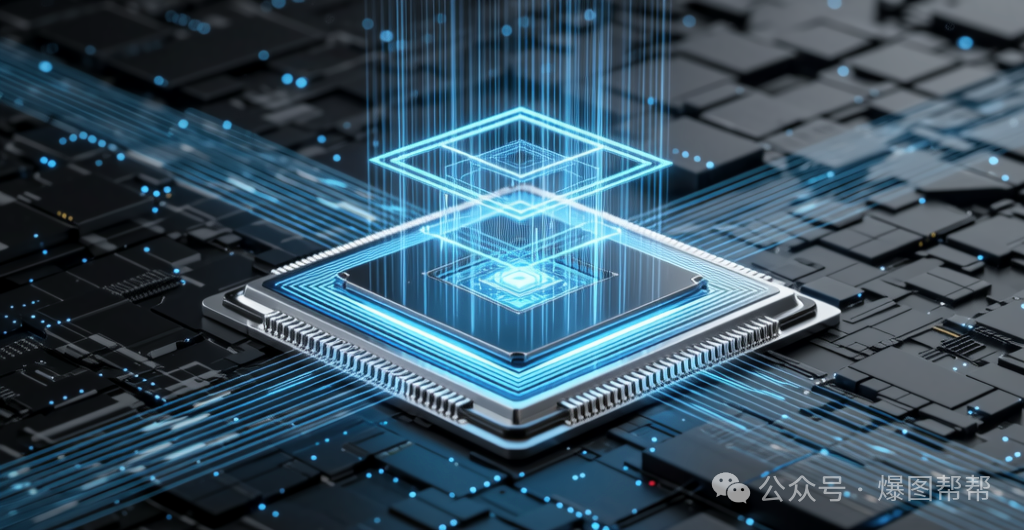
On a deeper level, the X3 drags “machine learning” out of the black box of laboratories and into daily life. In the past, AI’s emotional recognition relied on the cloud, which had high latency and exposed privacy; now, chip-level neural networks can capture your frown’s micro-expression in 0.2 seconds, process it locally, and then encrypt and upload it to the blockchain for distributed training. This not only protects the little secret of “not wanting to go to work today” but also allows the model to understand you better the more you use it. This combination of “edge intelligence + on-chain consensus” directly tears a hole in the data moat monopolized by internet giants, redistributing the cake of future industries, giving small companies a chance to join the table.
Speaking of cake, don’t forget about the “Hubei Exchange” that is being planned. On the day of the provincial meeting, I imagined a scene: the X3 chip like a high-speed train, and the Hubei Exchange like a platform, with artificial intelligence, blockchain, and liquid-cooled servers as the carriages, speeding along with Hubei’s innovative enterprises. When the “Hubei Exchange” can truly trade computing power, models, and even emotional data, entrepreneurs will be able to use algorithms that “understand users” to secure funding, rather than relying solely on deep learning curves in PowerPoint presentations. Emotional value will be quantified into stock codes for the first time, which is exciting to think about.
Of course, behind the celebration, there are shadows. When the false resume of the “high school graduate chief scientist” from Jiangsu University of Science and Technology was exposed, social media instantly switched from “AI changes the world” to “when will academic fraud end?” This actually serves as a wake-up call for all future industries: when technology runs too fast and humanity cannot keep up, emotional value can shift from “healing” to “depression.” We need not only faster NPUs but also more transparent blockchain audits, and a set of mechanisms for “social deep learning” that harmonizes technology, ethics, and emotions.
So, the next time you see news about chips like the “Zhouyi” X3, don’t just focus on the performance scores and parameters. Ask yourself: after it understands your emotions, will it lead you to a freer future or more targeted advertisements? When hardware starts selling “understanding you,” perhaps we should first learn to understand ourselves. After all, in the upcoming era of edge AI, the greatest emotional value may be preserving a bit of humanity that cannot be calculated.
Related News:
Arm Technology releases “Zhouyi” X3 NPU IP, setting a new benchmark for edge AI computing efficiency
2025-11-18
Hubei Governor Li Dianxun presides over a provincial government meeting to discuss building the new era technology “Hubei Exchange”
2025-11-18
The concept of liquid-cooled servers is once again active, with Chunzong Technology hitting the limit and reaching a historical high
2025-11-18
Tencent leads investment in Uzbekistan fintech company Uzum, valuing it at $1.5 billion
2025-11-18
It is reported that the chief scientist of Jiangsu University of Science and Technology only has a high school diploma, and has forged resumes to defraud research funds. Insiders say he has been taken away for investigation, exposing what issues?
2025-11-18