In an era where even community security guards can casually chat about “the cost of Tesla’s humanoid robot dropping to $20,000,” a listed company announcing “not currently involved in humanoid robot business” surprisingly became a financial headline. It was like suddenly interrupting a New Year’s Eve gala with a broadcast of the “News Broadcast”. Chuncheng Precision’s “anti-routine operation” left those competitors busy renaming their factories as “intelligent robot system integrators” at a loss.

1. The ‘Emperor’s New Clothes’ of Concept Hype: A 48-Hour Magical Drama from PPT to Limit Up
A new magic trick is trending in the A-share market: a company replies on an interactive platform in the morning that it is “paying attention to humanoid robot-related technology,” and by the afternoon, the phone in the secretary’s office is bombarded with calls from retail investors. By evening, brokerages are rushing out research reports proclaiming “target prices doubling,” and the next day, the stock opens with a limit up. The entire process is smoother than a livestream sales event, with the only difference being that at least the influencer has to send an empty package, while some listed companies can’t even be bothered to complete a PPT.
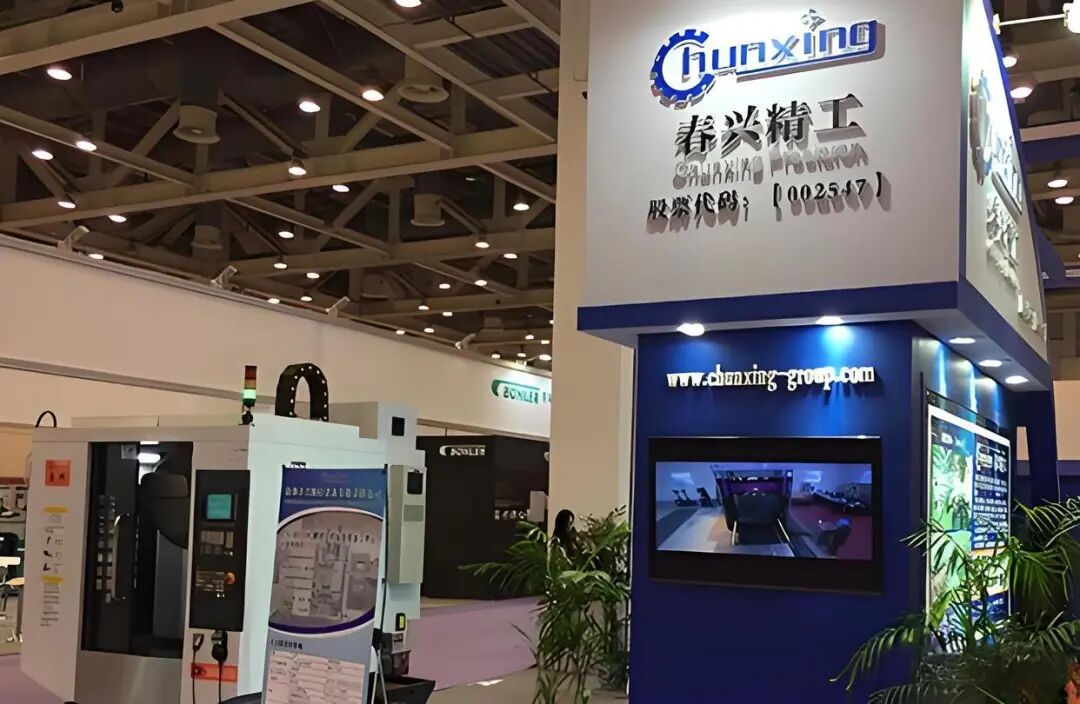
Chuncheng Precision’s announcement was like suddenly turning on the lights at a wild party, exposing the speculators running around naked. When the market automatically assumes “precision aluminum alloy structural components” to be “core suppliers of robot joints,” this company straightforwardly states, “We only make parts for communication base stations and automotive components.” This untimely honesty is akin to preaching value investing at a Bitcoin pyramid scheme conference, feeling out of place yet strikingly resonant.
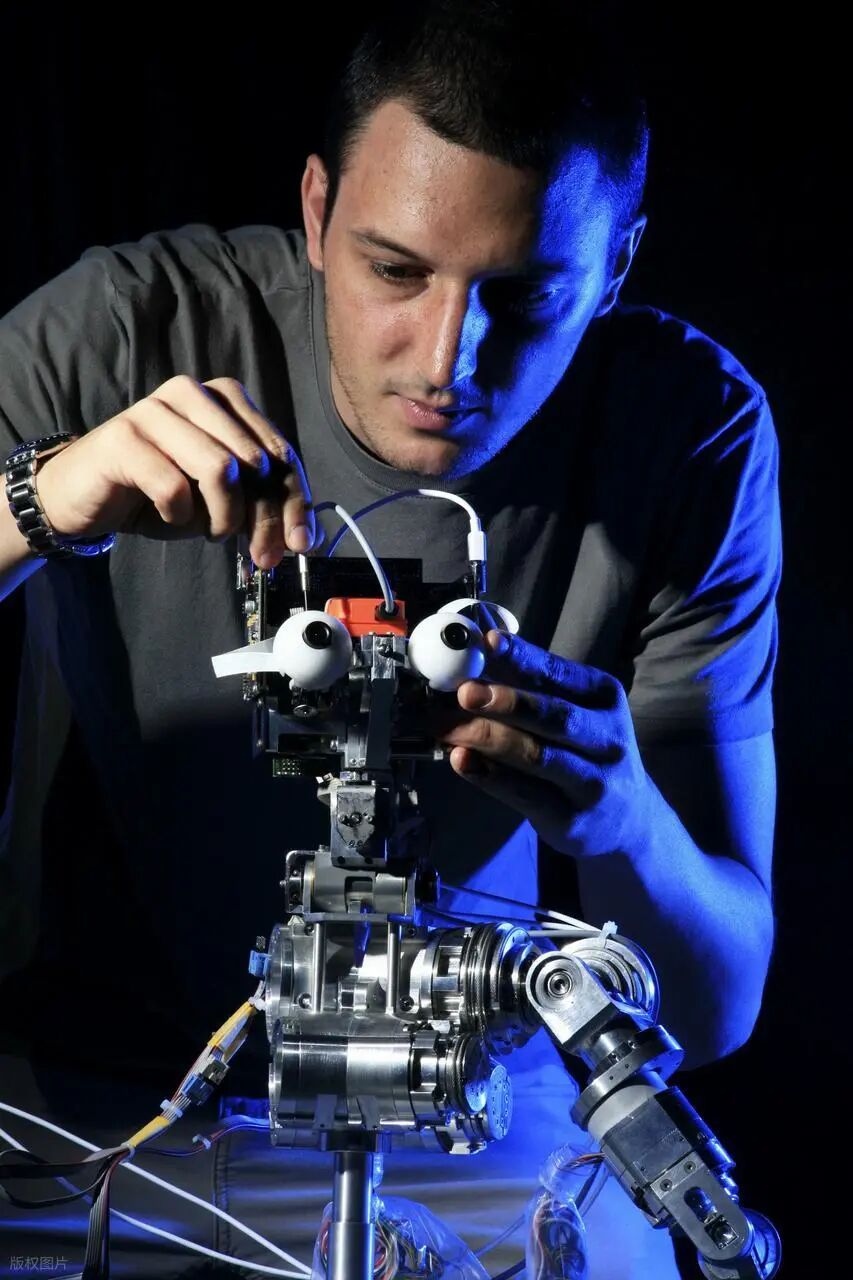
Look at those star companies in the humanoid robot concept sector: a bearing seller suddenly claims to master “black technology for robot joints,” a motor manufacturer declares, “we have provided samples to a leading robot company,” and even a screw manufacturer dares to boast as a “provider of robot skeletal connection system solutions.” The most outrageous is a toy company that renamed its Barbie dolls as “humanoid intelligent interactive terminals,” and its stock price surged with three consecutive limit ups.
2. The ‘Honest Person Dilemma’ in Manufacturing: When Craftsmanship Meets Capital Flash
Behind Chuncheng Precision’s “no-copy” stance lies the collective anxiety of traditional manufacturing. In this capital market where “stories are worth more than performance,” companies that focus on making products have become the disadvantaged group. A strategy analyst from a brokerage privately complained: “Now, if you don’t add some robot, AI, or quantum computing concepts to your roadshow, fund managers won’t even bother to pour you tea.”
This distorted ecology has given rise to a group of “concept nomads”: migrating to whichever track is hot, adding “digital” to their names last year during the metaverse hype, changing to “intelligent” this year with AI’s rise, and rushing to register several related trademarks as humanoid robots become the trend. It’s like street vendors changing locations when the city management arrives, as their stalls are temporary, and making quick money is the real deal.
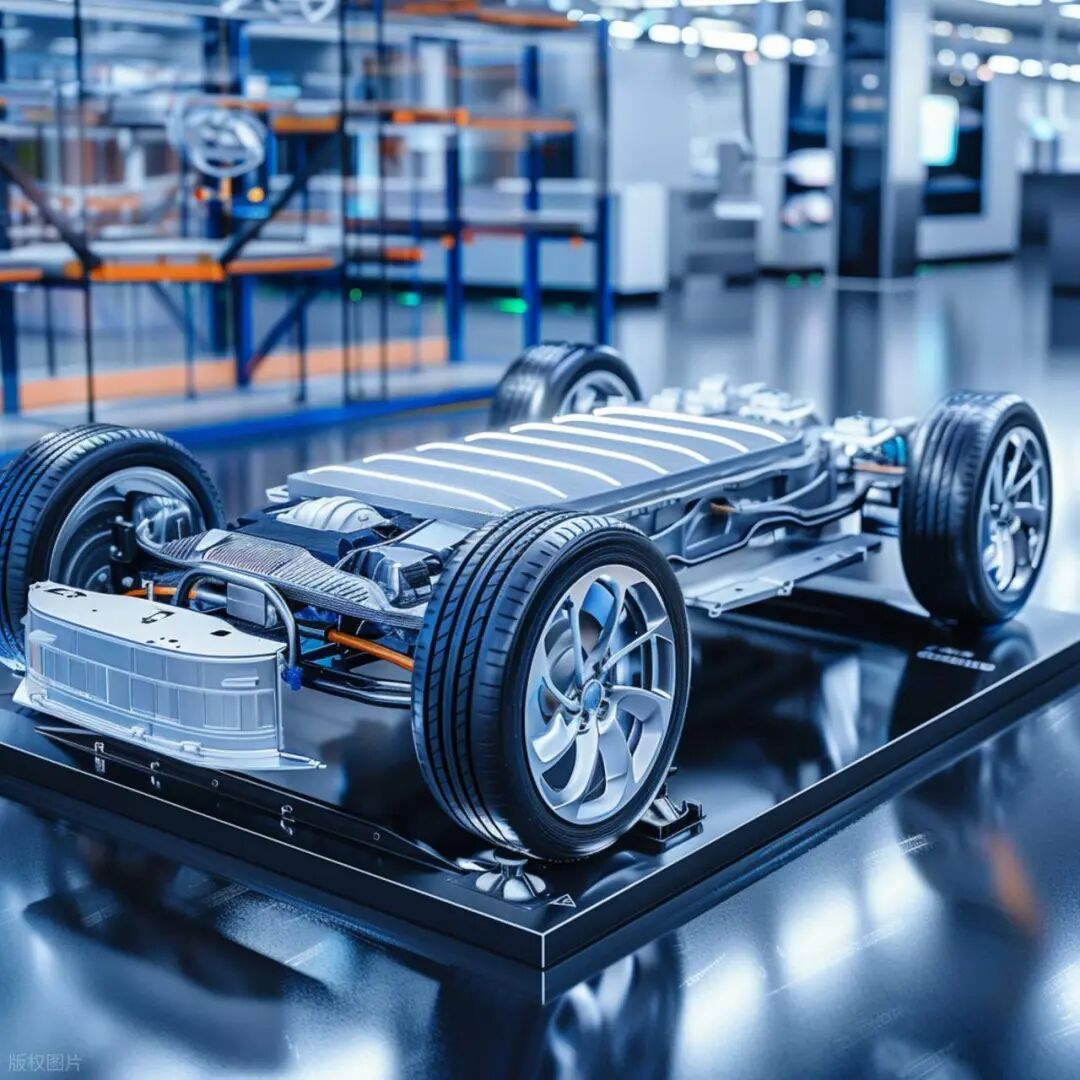
However, the essence of manufacturing has never been about chasing trends. Huawei spent ten years developing 5G chips, and CATL built a global battery empire over eight years. Which of these true industry giants rose by riding on concepts? Although Chuncheng Precision is not a giant, its attitude of “let’s first become the global leader in communication base station parts” is endearingly reminiscent of old-fashioned industrialists.
3. The ‘Leek Evolution Theory’ of Retail Investors: From Chasing Gains to Self-PUA
Interestingly, after Chuncheng Precision announced “not currently involved in humanoid robot business,” a stock forum surprisingly featured interpretations like “this is a strategy of feigned capture” and “there’s no silver here.” This retail investor mentality is even more imaginative than a girl in love, taking the company’s honesty as a romantic ploy.
This reminds me of last year’s ChatGPT craze, when a printer-selling company saw its stock price double, and the secretary, unable to bear it, clarified, “We have nothing to do with AI,” only to be besieged by investors on the interactive platform: “What do you know! Printers are the output terminals of AI!” This forced association logic would make even pyramid scheme organizations shout for their ancestors.
Even more surreal are some “concept training courses” charging 998 yuan to teach retail investors “how to capture robot concept stocks in advance,” with the core content being “look for keywords like ‘intelligent,’ ‘precision,’ and ‘automation’ in company names.” According to this logic, the most authentic robot concept stock should be “Shenyang Machine Tool”—after all, aren’t machine tools just “humanoid” in a way, at least having arms and legs?
4. The Regulatory ‘Cat and Mouse Game’: Inquiry Letters Never Catch Up with Limit Up
The regulatory authorities are also helpless. When a company announces “plans to establish a robot subsidiary,” and the next day it hits the limit up, the inquiry letter from the exchange is still on its way; by the time the inquiry letter arrives, the stock price has already surged and started to unload. It’s like police chasing a thief; by the time you arrive panting at the scene, the thief has already taken the high-speed train to the next city to continue their crime.
What’s more troublesome is the “gray area” play. A company that hyped solar energy last year is now riding the energy storage wave, and now claims to be “exploring business opportunities in the robot field,” always leaving a loophole, never stating definitively. If you say they are violating regulations, they haven’t lied; if you say they are compliant, the stock price moves like a roller coaster. This “Schrödinger’s business” leaves the regulatory inquiry letters unsure of where to start.
Chuncheng Precision’s “blanket clarification” actually simplifies things: it directly blocks the road, saving them from being constantly asked, “Can your precision aluminum alloy structural components be used for robot finger joints?” “Can your die-casting technology produce robot hip joints?”—according to this line of questioning, even those selling aluminum alloy doors and windows could be asked about their potential identity as “robot shell suppliers.”
5. The ‘Long-Termism’ of Manufacturing: When the Tide Goes Out, Who is Swimming Naked Becomes Clear
In this era where “everything can be a robot,” we need more “honest people” like Chuncheng Precision. The essence of manufacturing is “to make good products,” not “to tell a round story.” Tesla’s humanoid robot Optimus can walk and carry things, backed by thousands of engineers honing their skills for a decade; Boston Dynamics’ Atlas can do backflips, having burned billions of dollars for those few seconds of amazement.
These hardcore technologies cannot be achieved by riding on concepts. Just like when smartphones became popular, how many counterfeit manufacturers used “Android system” and “full-screen” as gimmicks, yet the ones that survived were Apple and Huawei, who genuinely focused on R&D. The capital market is a voting machine in the short term and a weighing machine in the long term; concept hype is like blowing up a balloon for a pig, looking big until it pops with a poke.

Those companies busy renaming and chasing trends might as well take a look at Chuncheng Precision’s main business: communication system equipment and automotive components, both core areas of the national new infrastructure and new energy vehicles. Achieving global leadership in these businesses is far better than chasing concepts every day. It’s like an old farmer tending to his fields; rather than dreaming of becoming an internet celebrity, it’s better to grow the crops well and wait for the harvest.
As I write this, a joke comes to mind: a stock investor asked a Zen master, “Why do the robot concept stocks I buy never rise?” The Zen master pointed out the window, and the investor suddenly realized: “Are you saying I should be visionary like an eagle?” The Zen master shook his head: “I mean, their main business is making speakers for square dance aunties; what do they have to do with robots?”
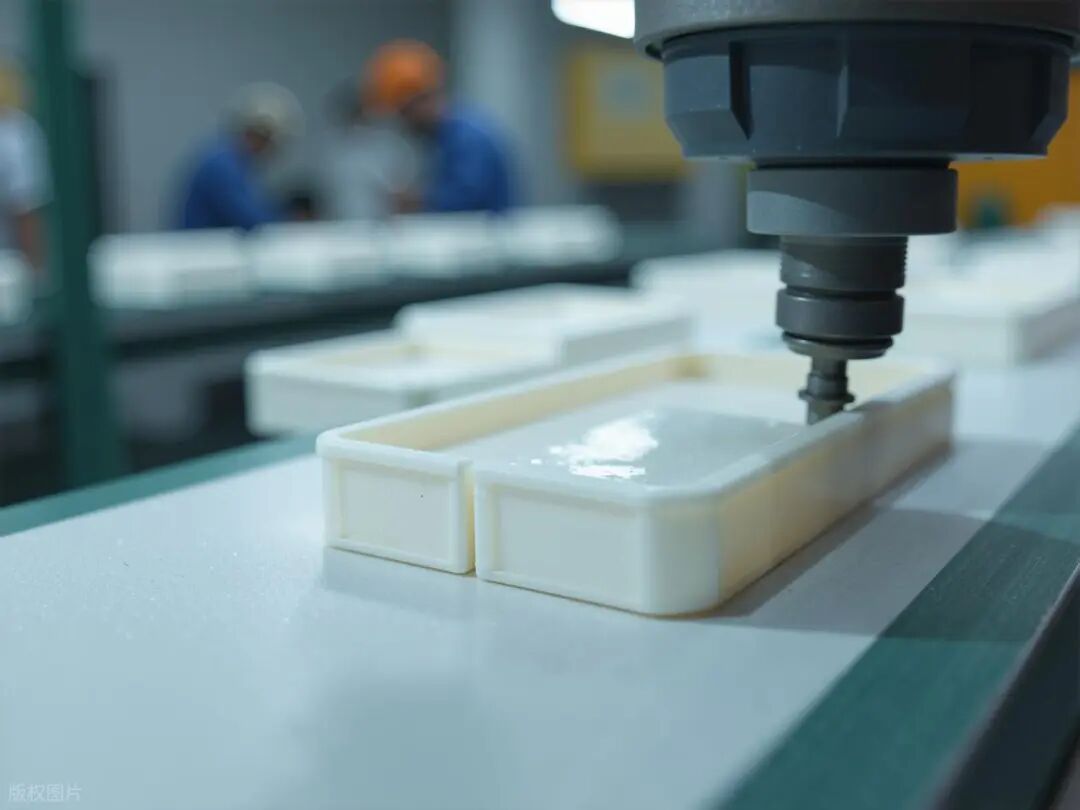
In this era of rampant concepts, Chuncheng Precision’s “not currently involved” is like a breath of fresh air, and a slap in the face—waking up those listed companies obsessed with concept hype and those retail investors fantasizing about getting rich overnight. After all, what can truly change the world is not the robots in PPTs, but the craftsmanship of those quietly tightening every screw in the workshop. When the tide goes out, we will find that the real robot concept stocks might just be those honest people who are currently mocked for “not understanding how to ride trends.”