What? Are there environmentally friendly circuit boards? What exactly is halogen-free PCB, which is widely used abroad? How does halogen-free board differ from the regular boards we usually make? Today, I will help you solve these questions! Halogen-free PCB from Lieban has attracted the attention of some users, especially environmentally friendly technology companies, which have strict green requirements for board manufacturing due to the special nature of their industry, and Lieban’s halogen-free PCB just meets these companies’ needs.
What are halogens?
In the periodic table of chemical elements, the elements in group VIIA are halogens, including fluorine (F), chlorine (Cl), bromine (Br), iodine (I), and astatine (At).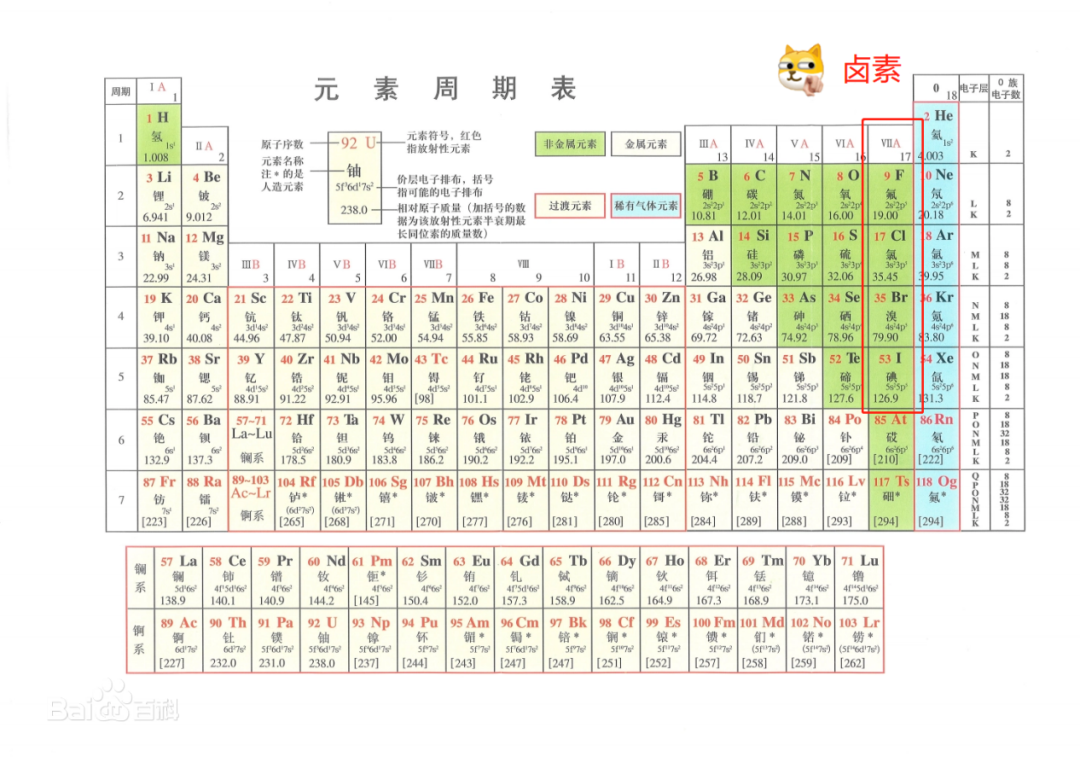
What is a halogen-free circuit board?
According to the JPCA-ES-01-2003 standard, copper-clad laminates with chlorine (Cl) and bromine (Br) content of less than 0.09% Wt (by weight) are defined as halogen-free copper-clad laminates. Note: JPCA is the abbreviation for the Japan Printed Circuit Association.
How does halogen-free circuit board differ from the regular boards we usually make?
Currently, the flame-retardant substrates used in the circuit board market include FR4, CEM-1, CEM-3, etc., and the flame retardants are mostlybrominated epoxy resins. Relevant organizations have conducted studies on epoxy resin substrates: halogen-containing flame-retardant substrates release harmful substances such as dioxins when incinerated, which have a foul odor, high toxicity, and can be carcinogenic. Once inhaled, they cannot be expelled from the human body, posing a significant threat to health. Halogen-free boards achieve environmentally friendly and non-toxic PCBs by replacing or reducing these harmful elements. Currently, most halogen-free materials are primarily based on phosphorus and phosphorus-nitrogen compounds. Interestingly, polymer resins containing phosphorus-nitrogen compounds produce non-combustible gases when burned, which can isolate the burning surface of the resin from the air, achieving flame retardancy. 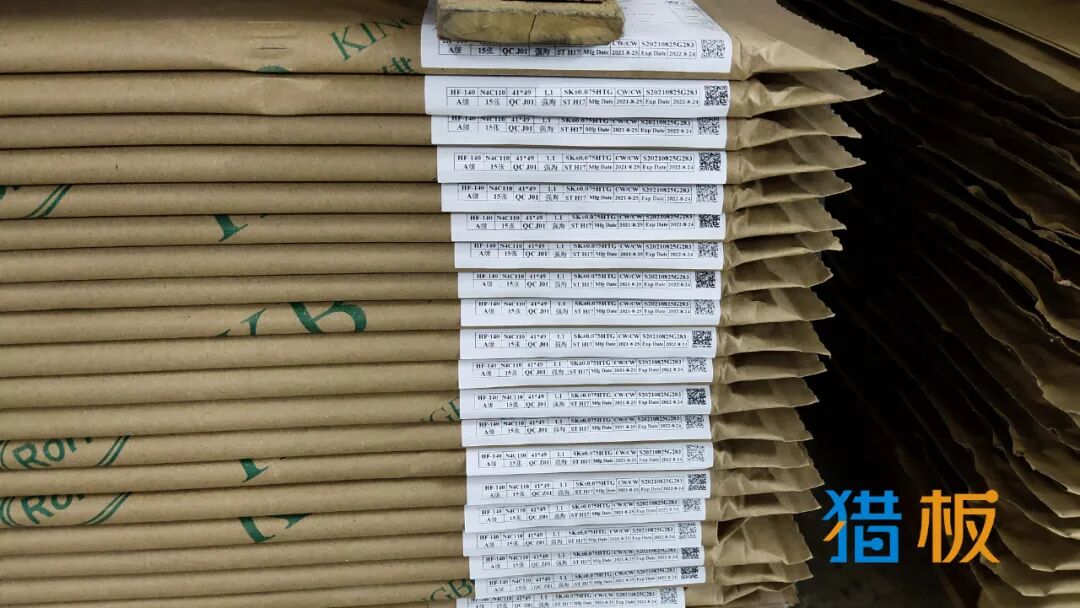
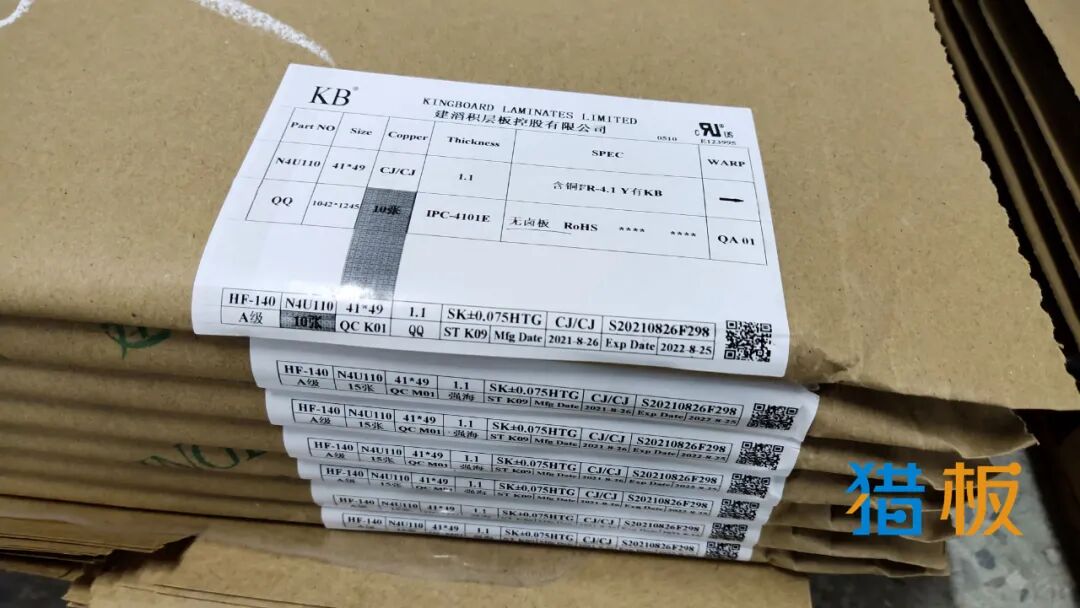
What are the advantages of halogen-free PCB?
In addition to being environmentally friendly, halogen-free PCB also has good thermal conductivity reliability, making it more suitable for high-temperature processes required by lead-free circuits. Since halogen-free PCBs use P or N to replace halogen atoms, they reduce the polarity of the molecular bond segments of epoxy resin to some extent, thereby improving the insulation resistance and breakdown strength. Things often have two sides; the advantages of halogen-free boards come at the cost of increased complexity in both manufacturing and design. The production of halogen-free PCBs differs from conventional PCBs, such as drilling. The P and N functional groups used in halogen-free boards increase the molecular weight while enhancing the rigidity of the molecular bonds, resulting in increased material rigidity. Additionally, halogen-free materials generally have a higher TG point, so using standard FR-4 drilling parameters for drilling may not yield ideal results. When drilling halogen-free boards, some adjustments should be made under normal drilling conditions. In conclusion, the number of halogen-free PCBs is gradually increasing, but they are by no means universal. Lieban only provides a new option for everyone, and you can choose materials based on your needs!
Previous Recommendations
October 20-22, October 28-30 | Lieban will showcase the latest products and technologies at the Shenzhen International Convention and Exhibition Center (Baoan New Hall)!
How to bind WeChat public account and activate WeChat service assistant? Important things are said three times!!!
Lieban’s new process – nickel-palladium gold official website is online! What are the noteworthy issues with the new surface treatment technology?
Click to read the original text and register now!