Entering a modern factory, we can see various devices operating automatically: robotic arms precisely grabbing items, conveyor belts orderly transporting parts, and indicator lights flashing status information. Behind all this efficient operation lies a core control device – the PLC.
Many people find terms like “PLC” and “industrial automation” very complex, thinking they are advanced technologies. However, that is not the case. Today, we will help you thoroughly understand PLCs in just three minutes.
1. PLC: Programmable Logic Controller
The Chinese name for PLC is 可编程逻辑控制器. You can think of it as a “dedicated computer” designed specifically for industrial environments. Unlike our personal computers that can play games and watch movies, its sole task is to control machines and automation processes based on pre-written programs.
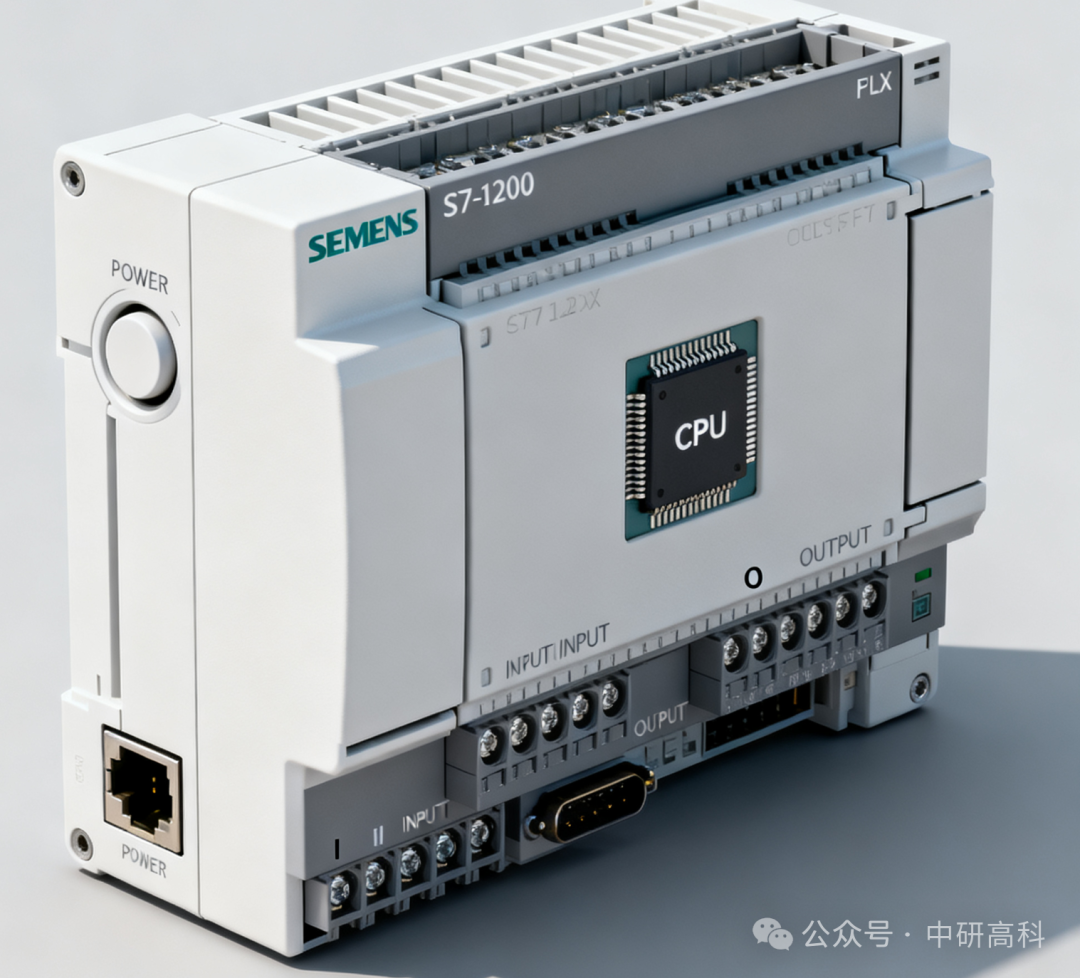
2. The ‘Five Senses’ and ‘Limbs’ of PLC
A complete PLC system can be compared to the human body:
-
Brain (CPU): This is the core of the PLC, responsible for executing user-written programs, making logical judgments, and processing data. It determines the PLC’s computation speed and capability.
-
Five Senses (Input Modules): The PLC needs to perceive the external world. Its “five senses” are various input devices, such as buttons, switches, and sensors (detecting temperature, pressure, position), etc. These devices convert external signals (e.g., “button pressed,” “object in position”) into electrical signals, informing the brain (CPU) of what is happening.
-
Limbs (Output Modules): After the brain makes decisions, it needs to command devices to act. The PLC’s “limbs” are output devices, such as relays, solenoids, indicator lights, and motor starters. The CPU sends signals through the output modules to make these devices act (e.g., “light up the indicator light,” “start the motor”).
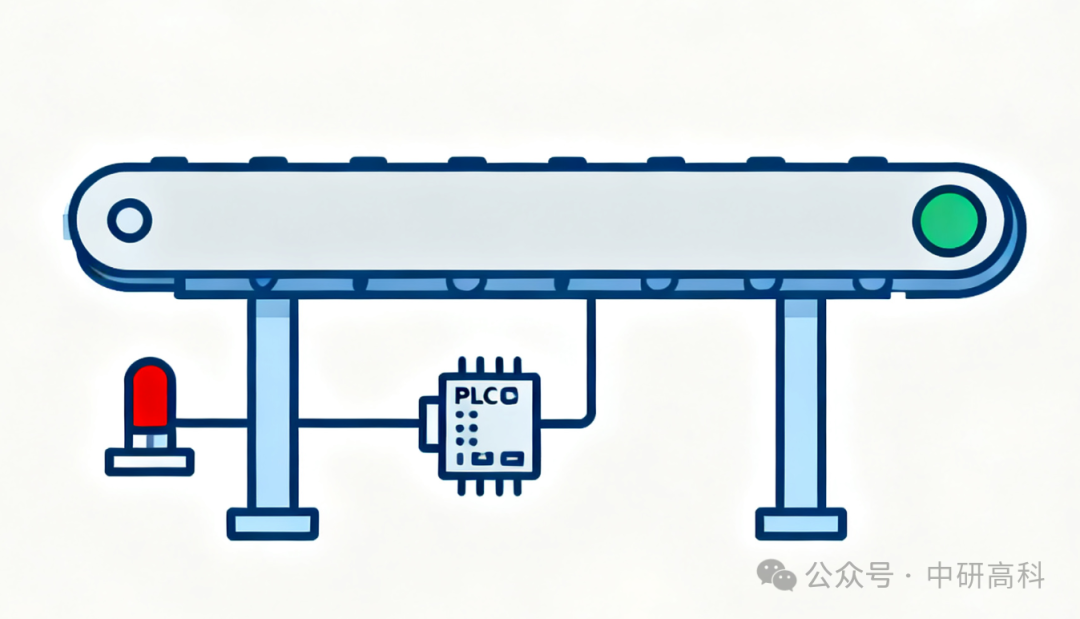
3. How Does a PLC Work?
The working method of a PLC is an unceasing “cyclic scanning” process, simply divided into three steps:
-
Input Sampling: First, it reads the status of all input devices at once (which button was pressed, which sensor was triggered).
-
Program Execution: Then, the CPU takes these input statuses and quickly executes the program logic you wrote, performing calculations and judgments.
-
Output Refresh: Finally, based on the results of the program calculations, it updates the status of all output devices (e.g., turning on a light, rotating a motor).
This process is repeated thousands of times per second, ensuring real-time control and reliability.
In summary: A PLC is an industrial control brain that receives signals -> makes logical judgments -> issues commands. It has strong anti-interference capabilities and is stable and reliable, serving as the cornerstone of industrial automation. Understanding this basic concept opens the door for further learning.