1. Memory Cards
-
Common memory cards for digital SLR cameras include: CF cards and SD cards.
-
The memory card is the only removable temporary storage device for data in digital cameras.
-
Data from the card can be transferred to a computer using a card reader.
-
CF card: Short for “Compact Flash card,” which translates to “standard flash card” in Chinese.
-
CF cards rarely experience mechanical failures, making the stored image data more secure.
-
CF cards have a long lifespan, low power consumption, large capacity, and fast speed.
-
SD card: Short for “Secure Digital Card,” which translates to “secure digital card” in Chinese.
-
SD memory cards are widely used, especially in ultra-thin digital cameras, and have a physical write protection switch.
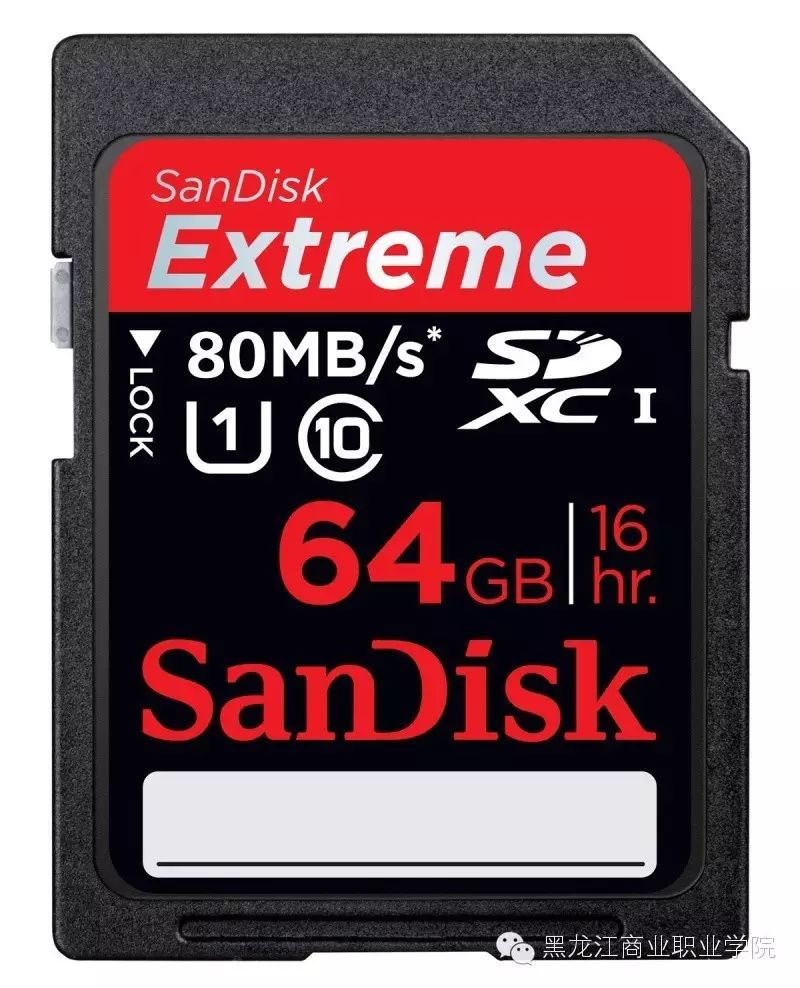
SD Card
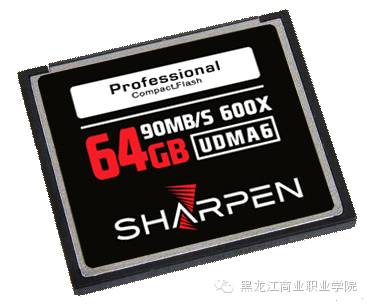
CF Card2. External Flash
An external flash refers to whether the digital camera has a hot shoe to connect an external flash. Most digital cameras are equipped with built-in flashes, which are increasingly sophisticated.
During daytime shooting, the flash can be set to automatic mode; when light is insufficient, the flash will automatically activate to provide additional light. At night, the flash should be set to red-eye reduction mode to mitigate red-eye effects through pre-flashes; when shooting against the light, the flash can be set to forced flash mode. Built-in flashes have a low guide number (below 10), making them inadequate for capturing subjects over 4 meters away or in large scenes. Therefore, some business-type digital cameras are equipped with external flash interfaces.
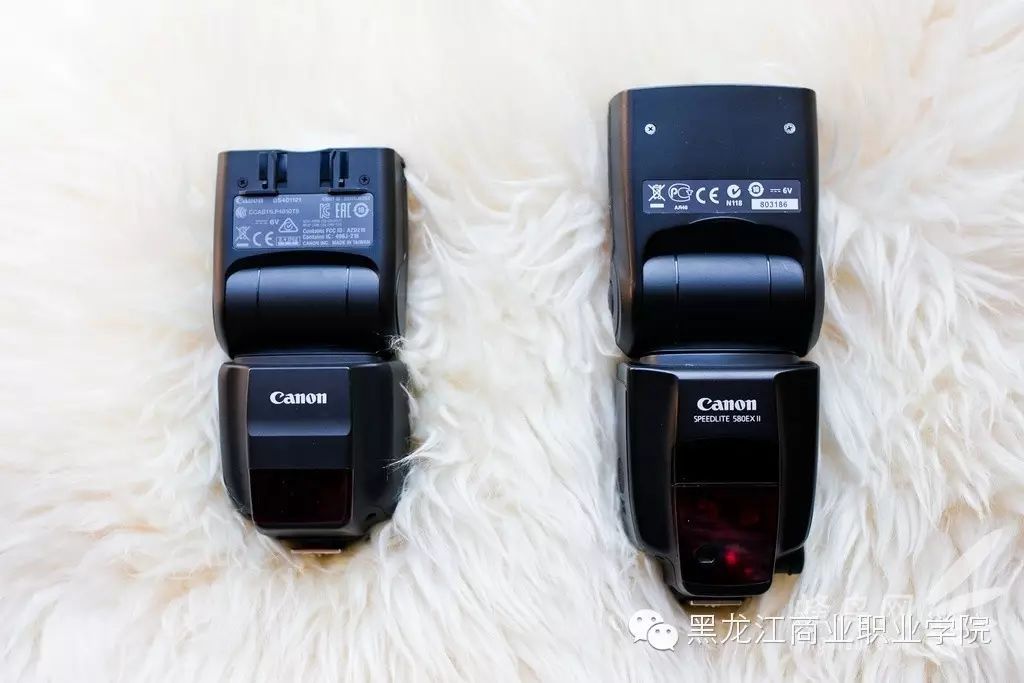
External Flash3. Trigger
Also known as a wireless trigger. It consists of a transmitter and a receiver; the receiver plugs into a large flash, while the transmitter plugs into the camera’s hot shoe, triggering via wireless frequency, and is generally universal.
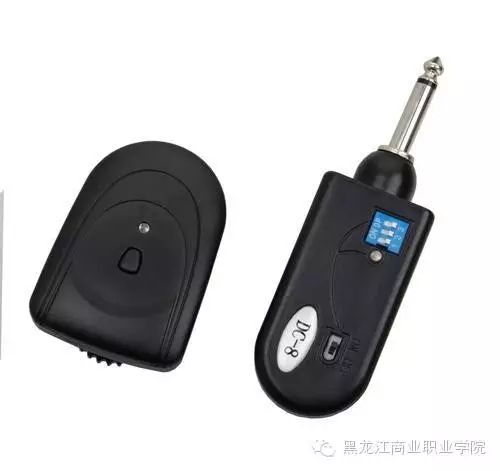
Trigger4. Vertical Grip
A vertical grip is a professional accessory for DSLR cameras, enhancing stability when shooting vertically. It is often placed on the bottom of the camera and fixed with a screw. The grip typically has a shutter button and usually accommodates AA or lithium battery packs.
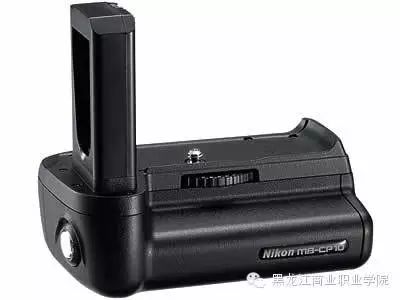
Vertical Grip5. Shutter Remote
The shutter remote has a separate receiver and transmitter structure, designed with a camera shutter line connection, compatible with various digital SLR cameras, with an impressive working distance of up to 100 meters in unobstructed conditions, and supports bulb exposure.
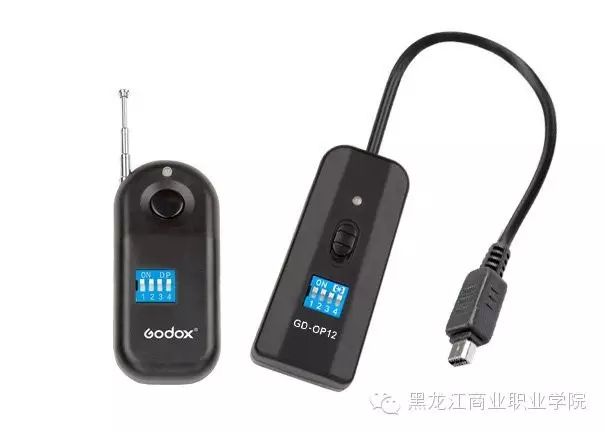
Shutter Remote6. Tripod
The purpose of a tripod is to provide a stable platform for the camera, ensuring it remains steady. Tripods can be classified by material into wood, high-strength plastic, alloy, steel, carbon fiber, etc.
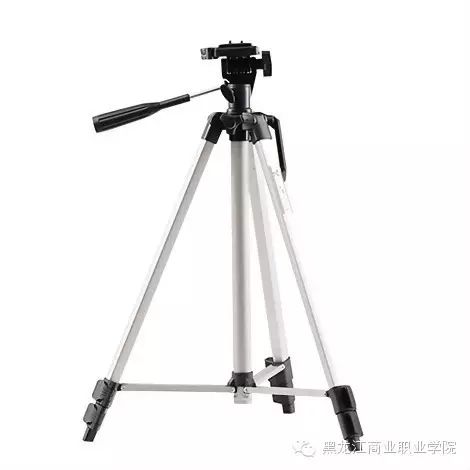
Camera Tripod7. Lens Hood
The lens hood prevents direct sunlight from hitting the lens, which can cause glare.
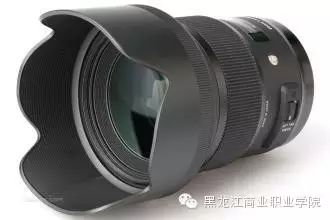
Lens Hood8. Camera Neck Strap
The camera neck strap can be hung around the neck; professional photographers can wrap it around their forearm to prevent accidental drops during hectic moments. It allows for a more relaxed grip on the camera.
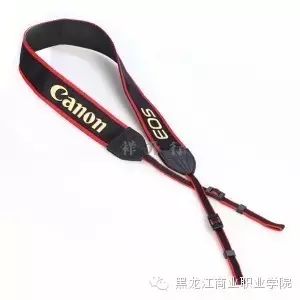
Canon Camera Neck Strap9. Camera Bag
A well-made camera bag is very important; it not only carries the camera and lens but also provides good shock absorption and waterproof protection, effectively safeguarding expensive equipment.
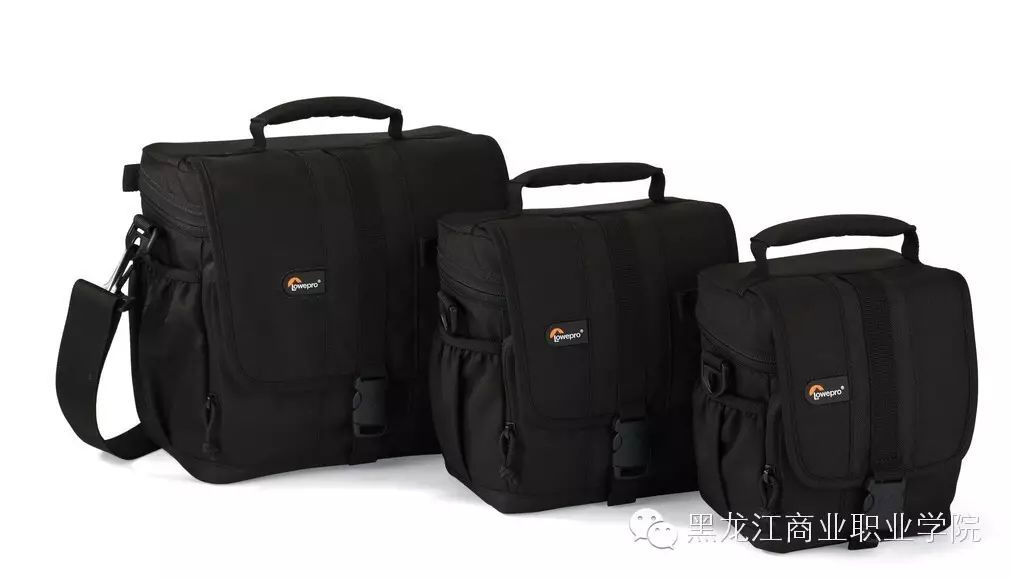
Camera Bag
How about it? Do you have a more professional understanding of DSLR cameras now? Photography is an art, and photography theory is a guiding light. I hope my explanations can help you achieve your photography dreams! See you next time!
We welcome submissions, support original works, and please credit non-original pieces!
Submission email: [email protected]
Image sources are from the internet; please contact us if there are any issues!
Please follow us! If you like, please give us a thumbs up!
Original submission by: The Adorable Little Bean Edited by: Zou Chengcheng Designed by: Jin Ming