Poor crankshaft position sensor signals can directly lead to the ignition system failing to operate normally, and in severe cases, it can even prevent the engine from starting completely. It is one of the most critical sensors in modern electronically controlled engines, often referred to as the “nerve center” of the engine.Here are the specific impacts and analyses:
1. Core Principle: Why Is It So Important?
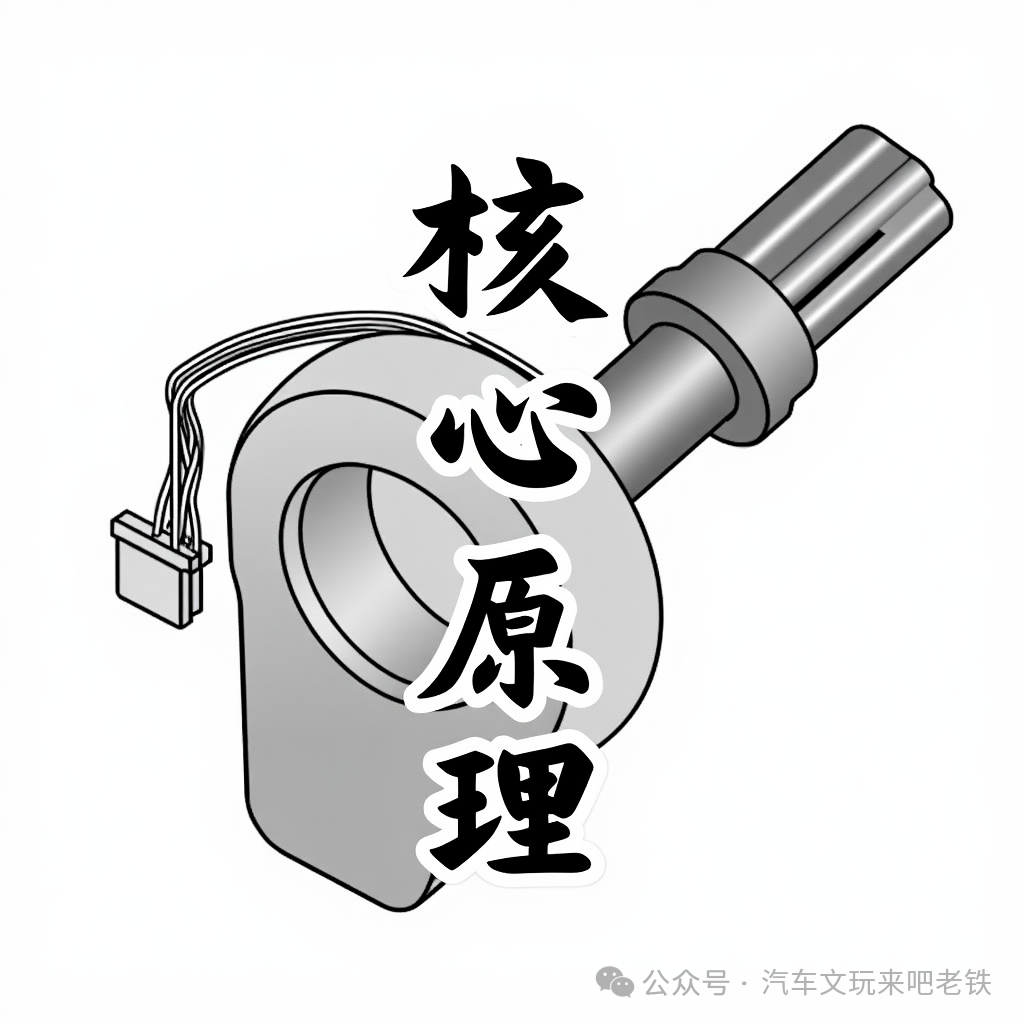
The main functions of the crankshaft position sensor are:
· Determine Crankshaft Position: It informs the Engine Control Unit (ECU) of the real-time position of the piston in the cylinder (such as top dead center).
· Detect Engine Speed: By calculating the speed and angle of the crankshaft’s rotation, the ECU determines the engine’s speed.
The ECU uses these two fundamental and core signals, combined with data from other sensors (such as the camshaft position sensor), to calculate:
· Ignition Timing: To ignite the spark plug at the precise moment.
· Fuel Injection Timing: To inject fuel at the precise moment.
If there is no accurate and reliable crankshaft position signal, the ECU becomes “blind” and cannot determine the position of each piston, thus it cannot issue correct ignition and fuel injection commands.
2. Specific Effects of Poor Signals on Ignition
Depending on the severity of the signal issues (such as complete signal loss, intermittent signals, or erroneous signals), different levels of impact can occur:
a) Completely Unable to Start (Most Common)
· Scenario: The sensor is completely damaged, the circuit is broken, or the signal is entirely lost.
· Reason: The ECU receives no crankshaft position signal at all, making it unable to determine piston position and engine speed. To protect the engine and avoid catastrophic errors (such as igniting when the piston is in the wrong position, leading to “valve interference”), the ECU will completely disable the ignition coil and fuel injectors.
· Phenomenon: The starter can turn the engine normally, but there are no signs of the engine starting; no ignition, no fuel injection.
b) Intermittent Stalling or Difficulty Starting
· Scenario: Poor internal contact in the sensor, loose wiring, or dirt on the sensor head causing the signal to be intermittent.
· Reason: While driving, if the ECU suddenly loses the signal, it will immediately stop ignition and fuel injection, causing the engine to stall suddenly. Sometimes, the signal may be unstable during starting, requiring the ECU to attempt multiple times to capture a valid signal, resulting in prolonged starting time.
· Phenomenon: The vehicle may stall suddenly while driving without warning, and may be able to restart immediately after stalling; or it may require multiple key turns to start successfully.
c) Engine Running Unsteadily, Shaking, or Weak Acceleration
· Scenario: The sensor signal has deviations or errors but has not completely failed.
· Reason: The ECU receives incorrect crankshaft position and speed signals, leading to erroneous ignition timing (ignition advance angle). This can cause ignition to occur too early or too late.
· Ignition too early: Causes knocking, reduced power, and potential engine damage.
· Ignition too late: Results in incomplete combustion, reduced power, increased fuel consumption, and excessive emissions.
· Phenomenon: The engine idles with severe shaking, feels “bogged down” during acceleration, backfires from the exhaust, and fuel consumption significantly increases. The engine fault light on the dashboard usually illuminates.
d) Incorrect Cylinder Ignition Sequence
· Reason: For engines that require both crankshaft and camshaft position sensors to determine cylinder position, an erroneous crankshaft signal can prevent the ECU from recognizing the top dead center of the first cylinder, potentially leading to incorrect ignition sequence.
· Phenomenon: The engine shakes severely and may even rotate in reverse, becoming unable to run.
It is important to note that poor crankshaft position signals not only affect ignition but will also inevitably impact fuel injection. Therefore, all the phenomena mentioned above are usually the result of simultaneous ignition and fuel injection failures.
What to Do?
If any of the above symptoms occur, especially if the engine fails to start or the fault light illuminates, priority should be given to reading the fault codes from the engine control system. Common fault codes related to the crankshaft position sensor include:
· P0335: Crankshaft Position Sensor “A” Circuit Malfunction
· P0336: Crankshaft Position Sensor “A” Circuit Range/Performance Problem
Conclusion: Poor crankshaft position sensor signals can directly disrupt the fundamental timing control of the ignition system, leading to poor engine performance at best, and complete engine failure to start at worst. It is a prerequisite for the normal operation of the engine.