

Effects of Vitamin C
-
Vitamin C mainly participates in hydroxylation reactions, redox reactions, etc., producing the following physiological functions:
-
Promotes collagen synthesis
-
Promotes neurotransmitter synthesis
-
Promotes steroid hydroxylation
-
Promotes detoxification of organic substances or toxins
-
Promotes antibody production
-
Promotes iron absorption
-
Promotes the formation of tetrahydrofolate
-
Maintains the activity of hydroxylase
-
Blocks the synthesis of N-nitroso compounds
-
Eliminates free radicals
-
The specific effects of the above physiological functions are:
-
Maintains the integrity of skin and mucous membranes (wound healing, oral ulcer healing)
-
Reduces the occurrence of osteoporosis (in the elderly)
-
Facilitates the regulation of mood and sleep (depression, insomnia)
-
Reduces cholesterol (hypercholesterolemia)
-
Detoxifies drugs, toxins, and heavy metal ions (lead, mercury, cadmium, arsenic)
-
Promotes antibody formation (neutralizing bacteria and viruses)
-
Assists in the treatment of iron deficiency anemia
-
Assists in the treatment of megaloblastic anemia
-
Prevents malignant tumors
What is Immunity
-
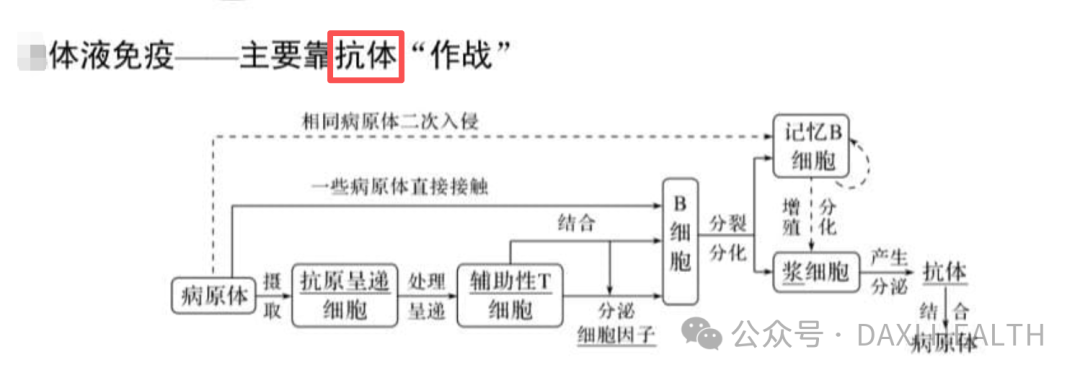
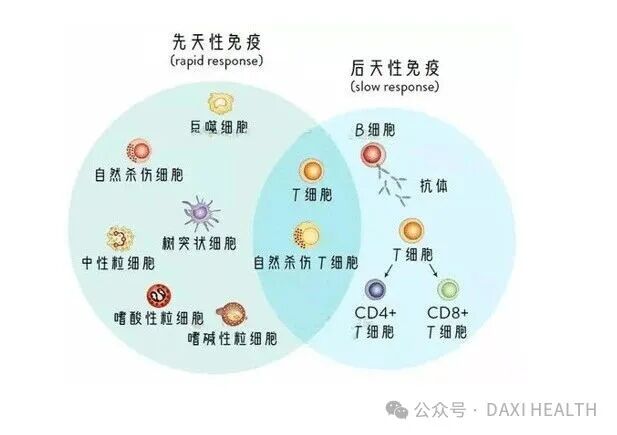
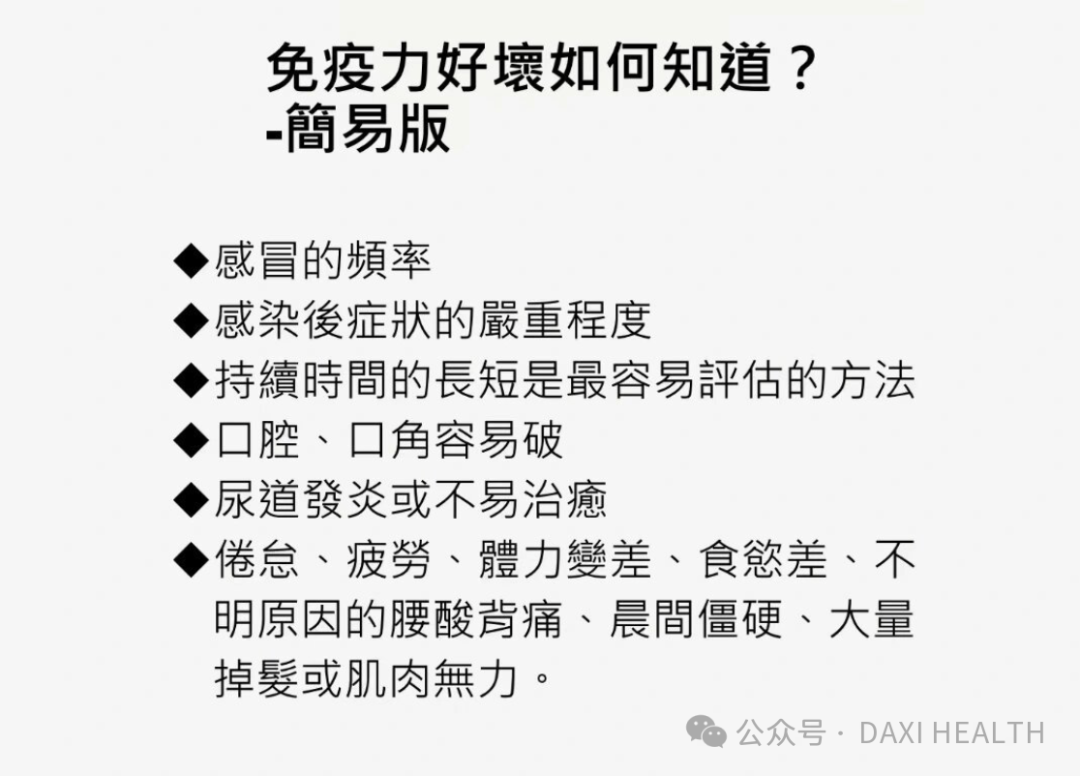
Immunity is the body’s ability to resist disease.
-
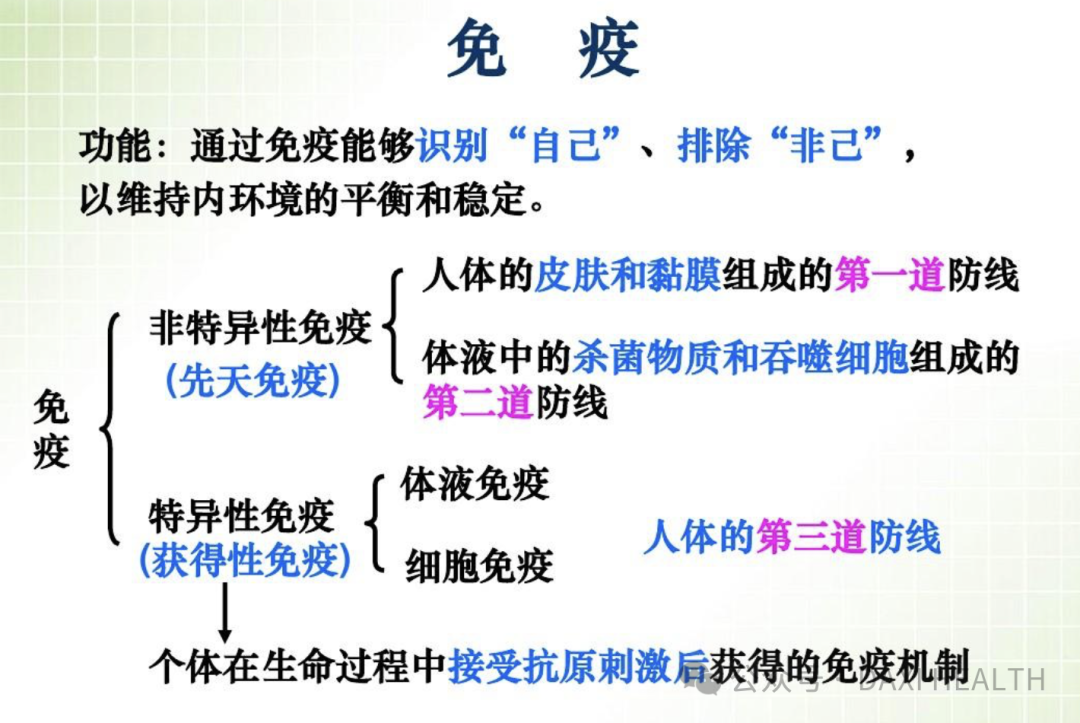
It includes innate non-specific immunity and acquired specific immunity.
-
The “non-self” that needs to be cleared by the immune system includes not only invading pathogens such as viruses and bacteria but also aging, damaged, mutated, or cancerous cells produced by the body.
-
Antibodies are important immune substances.
-
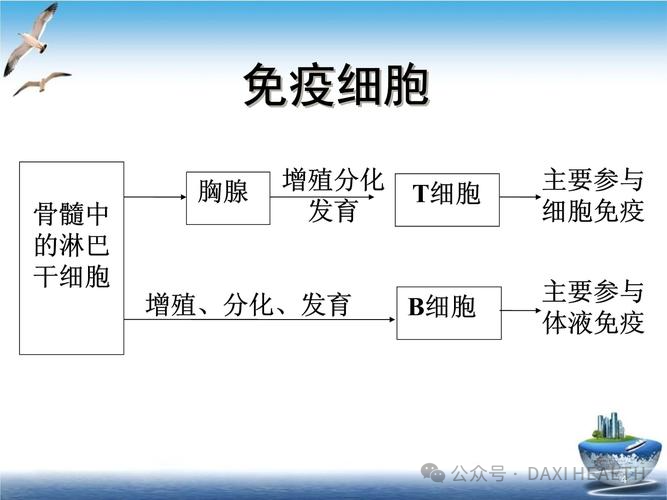
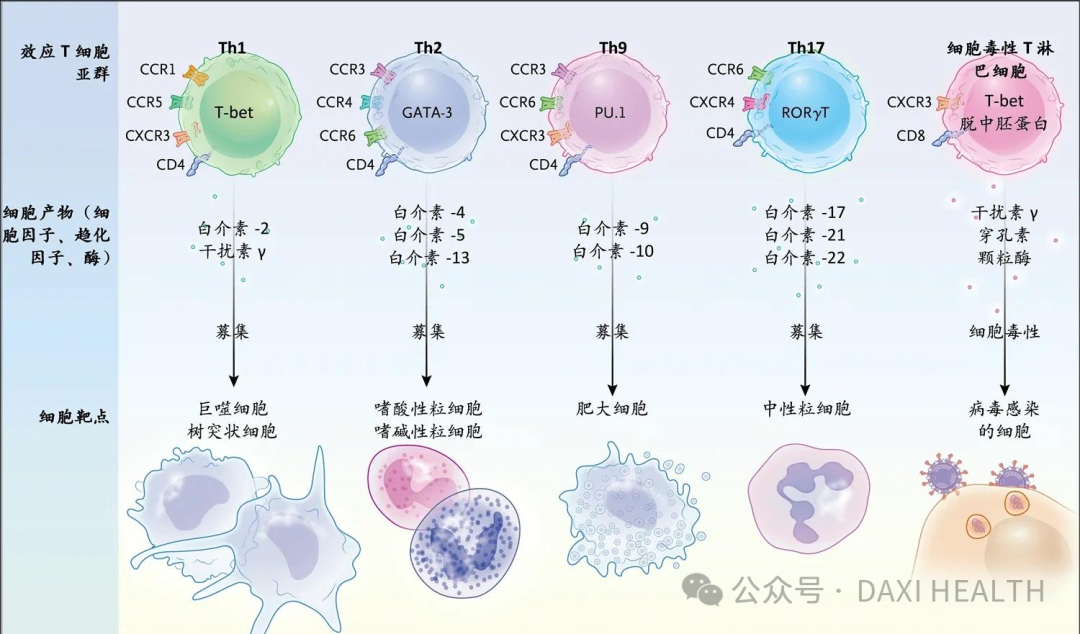
Immune cells are commonly known as white blood cells.
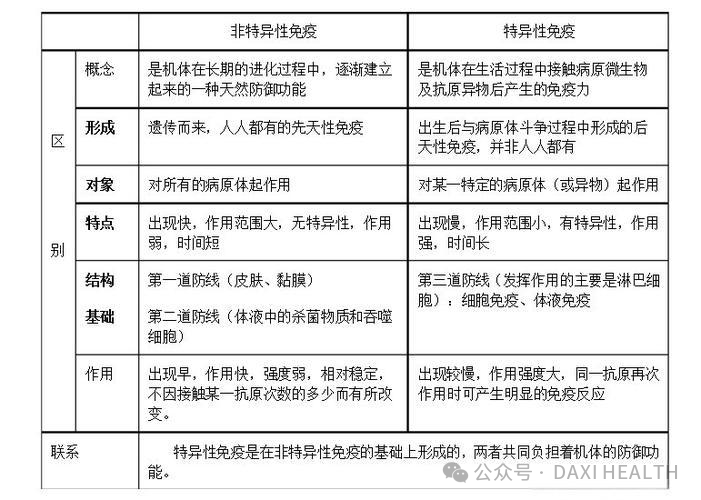
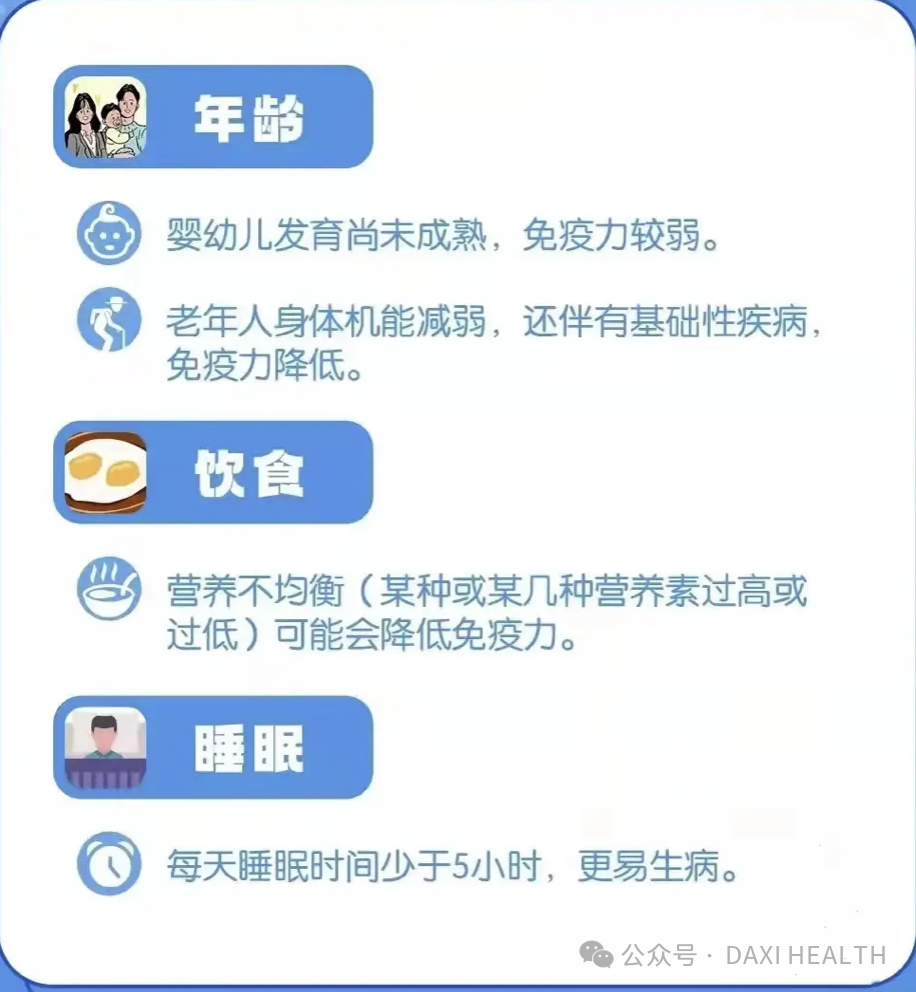
- Immunity is related to age, nutrient intake, sleep, stress, exercise, and other factors.
-
The frequency of illness and the outcome of diseases are related to immunity.
How Vitamin C Affects Immunity
-
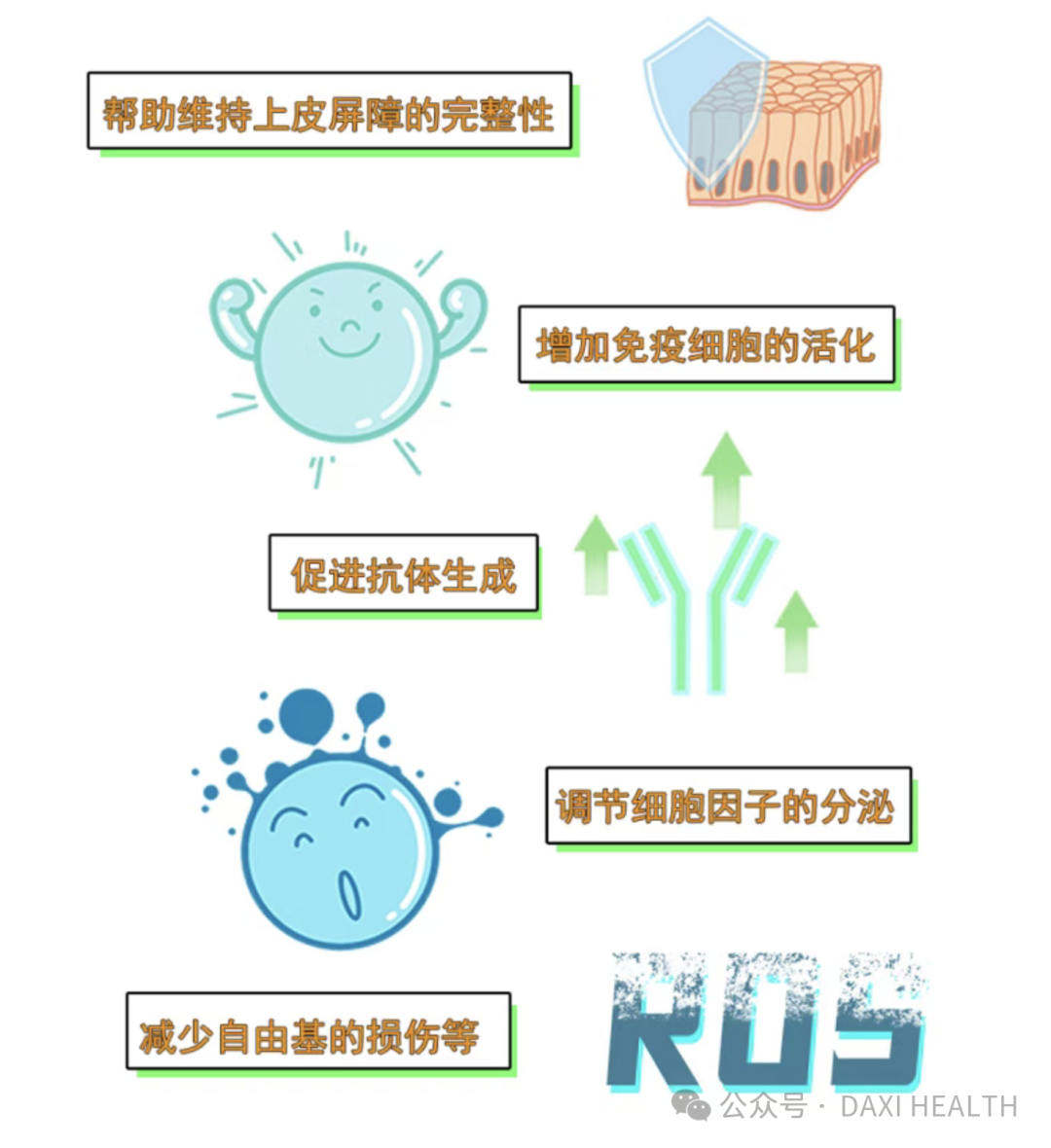
Vitamin C protects the integrity of skin and mucous membranes (the first line of defense)
-
Neutrophils and monocytes contain high concentrations of Vitamin C, which is crucial for the immune function of these cells.
-
Vitamin C promotes the maturation, proliferation, and survival of T cells, thereby enhancing immune function.
-
Vitamin C directly affects B cells to release immunoglobulins (antibodies).
-
Vitamin C also induces anti-inflammatory effects by regulating cytokine levels in the immune system, including interleukin-1a, interleukin-2, interleukin-8, and tumor necrosis factor-a.
Do You Need to Supplement Vitamin C?
-
Decide based on the presence of symptoms of Vitamin C deficiency.
-
Swollen gums
-
Bleeding (gum bleeding, nosebleeds, skin bruising, etc.)
-
Delayed wound healing
-
Fatigue
-
Weakness
-
Loss of appetite
-
Muscle atrophy
-
Excessive keratinization of skin follicles
-
Osteoporosis
-
Iron deficiency anemia
-
During the following stress periods, the excretion of Vitamin C increases, making it easy to cause Vitamin C deficiency:
-
Surgery
-
Serious diseases (tumors, strokes, ischemic heart disease, etc.)
-
Severe trauma (physical, psychological)
-
Intense physical activity (marathons, etc.)
-
Laboratory tests can determine if there is a Vitamin C deficiency.
-
Capillary fragility test
-
Measurement of Vitamin C levels in plasma and white blood cells
-
Vitamin C urine load test
-
Experimental treatment
How to Supplement Vitamin C
-
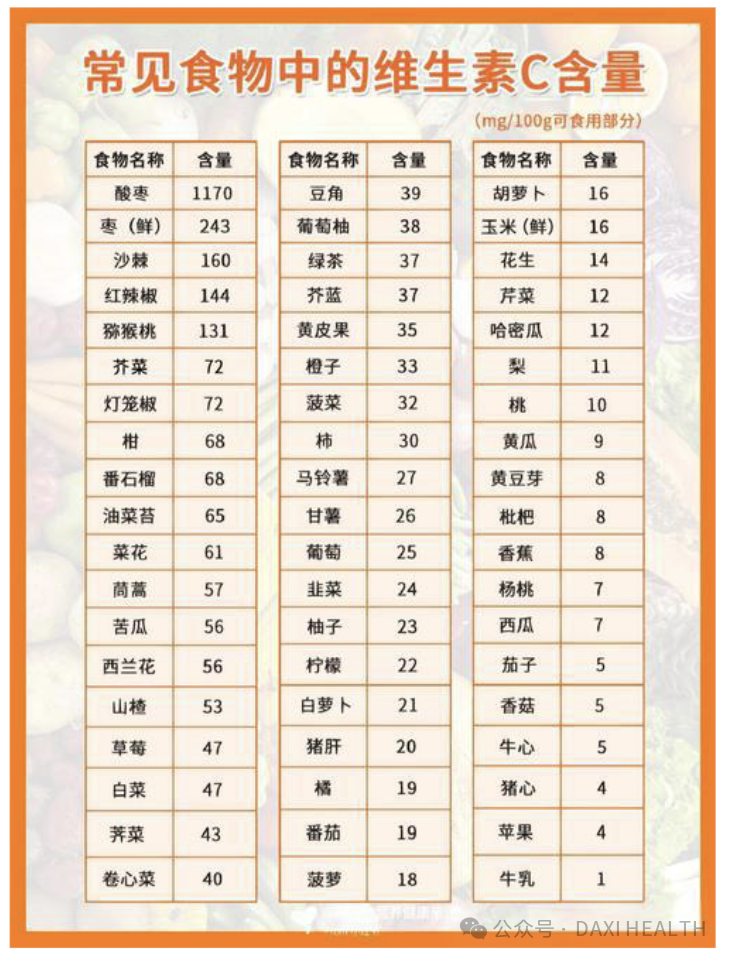
Obtaining from food
-
Dietary supplements
-
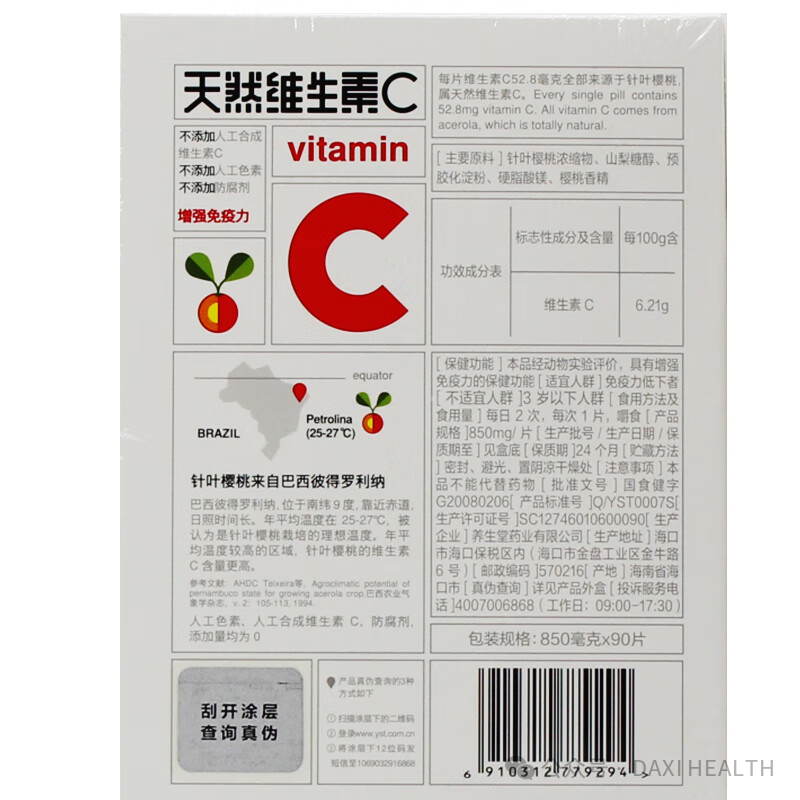
Natural Vitamin C: Extracted from plants
-
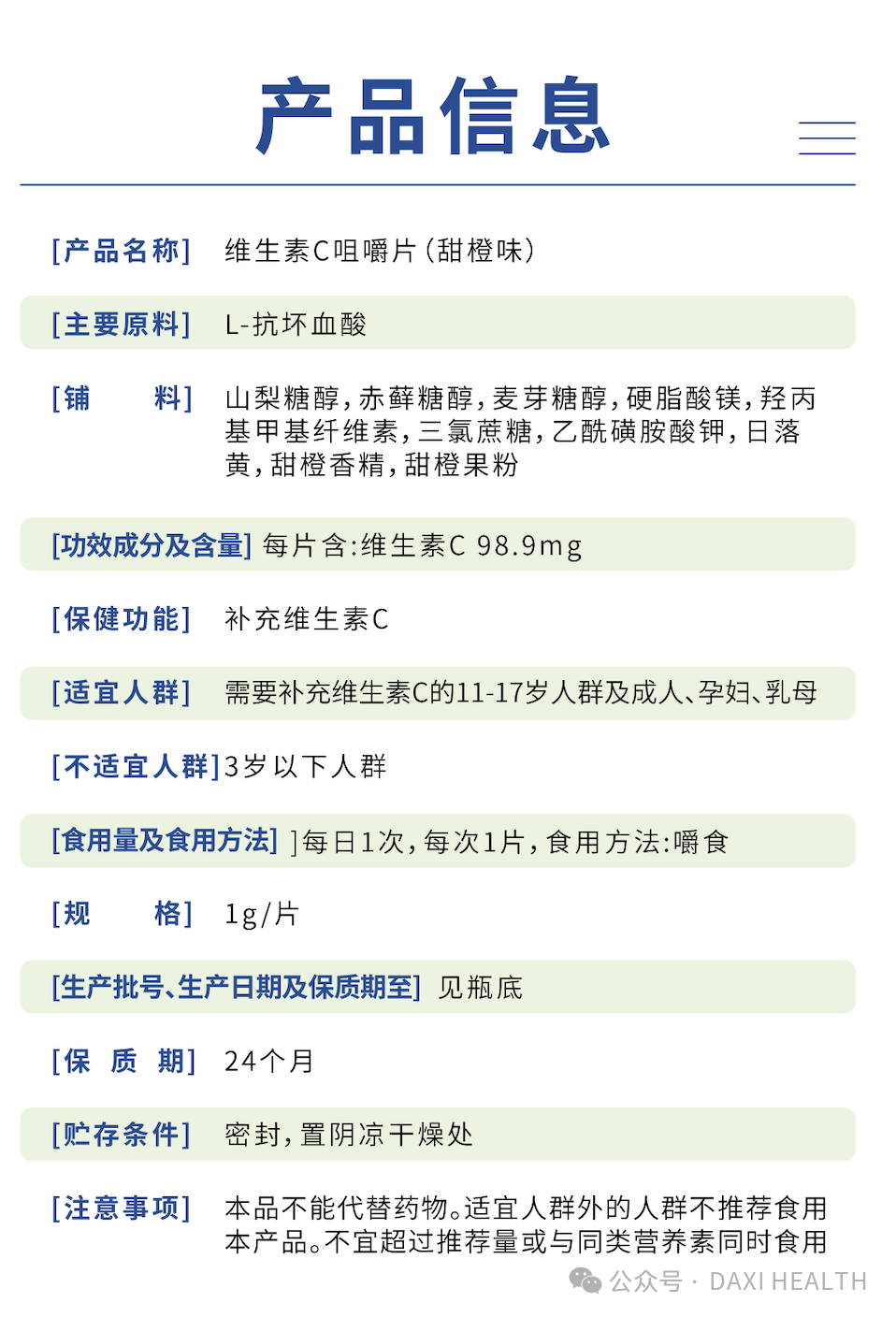
Common Vitamin C: Mainly made from L-ascorbic acid
How Much to Supplement
-
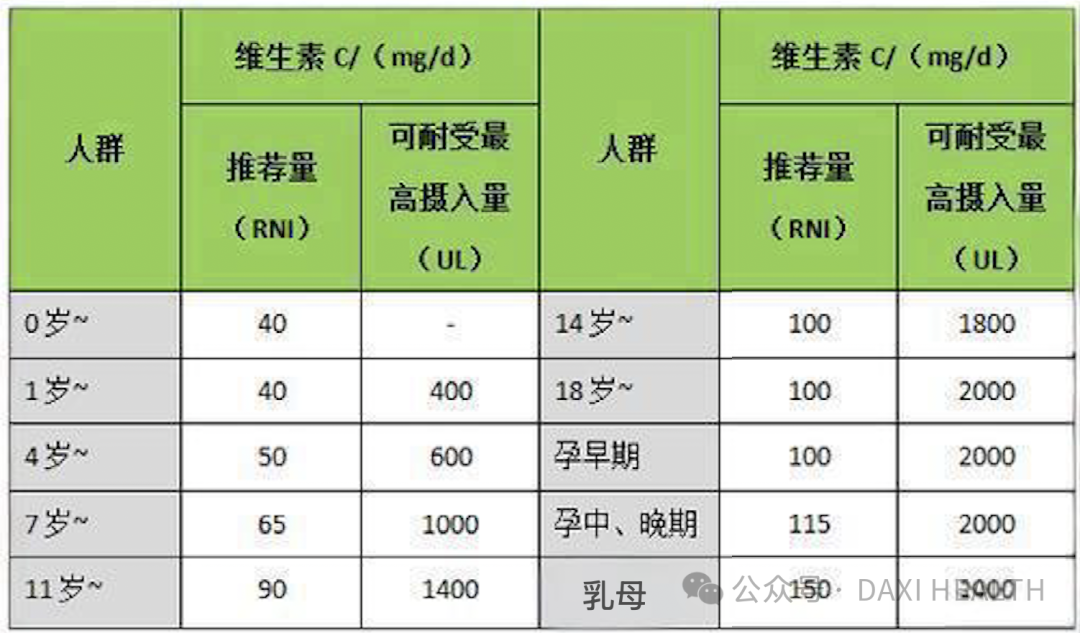
Supplement according to the reference intake of Vitamin C for Chinese residents.
Can You Over Supplement?
-
It is difficult to reach an overdose of Vitamin C. As it is a water-soluble vitamin, when taken in excess, the body will excrete it through urine to maintain Vitamin C within normal ranges.
-
However, long-term high doses of Vitamin C:
-
Increase the risk of calcium oxalate stones in the kidneys and urinary tract.
-
Risk of female infertility (changes in cervical mucus).
-
Affect embryonic development (in pregnant women).
-
Affect children’s absorption of calcium and phosphorus.
-
Long-term use exceeding 60 days, once stopped, may lead to symptoms of Vitamin C deficiency for several days or months.
-
Special patients must follow medical advice for medication; do not self-medicate:
-
Vitamin C can counteract the anticoagulant effects of heparin and coumarin, promoting thrombosis;
-
Increases sensitivity to hemolysis, which can cause severe hemolytic reactions;
-
Increased iron absorption can lead to hyperchromic anemia;
-
Destroys the chemical structure of Vitamin B12, reducing intestinal absorption of Vitamin B12, leading to megaloblastic anemia.
Vitamin C Supplementation for Colds
-
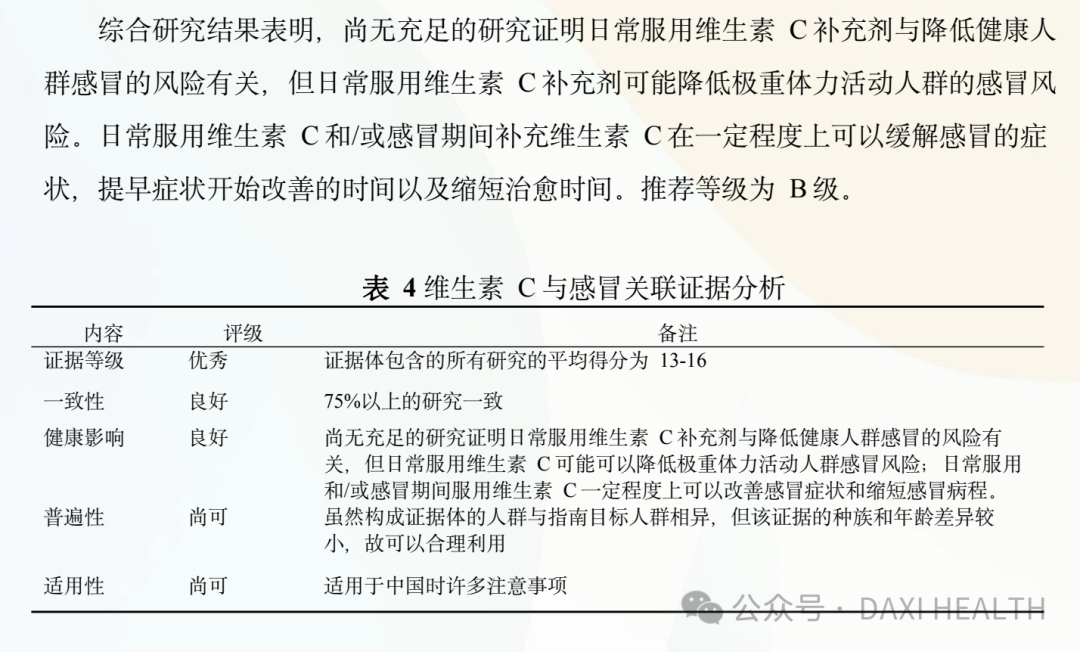
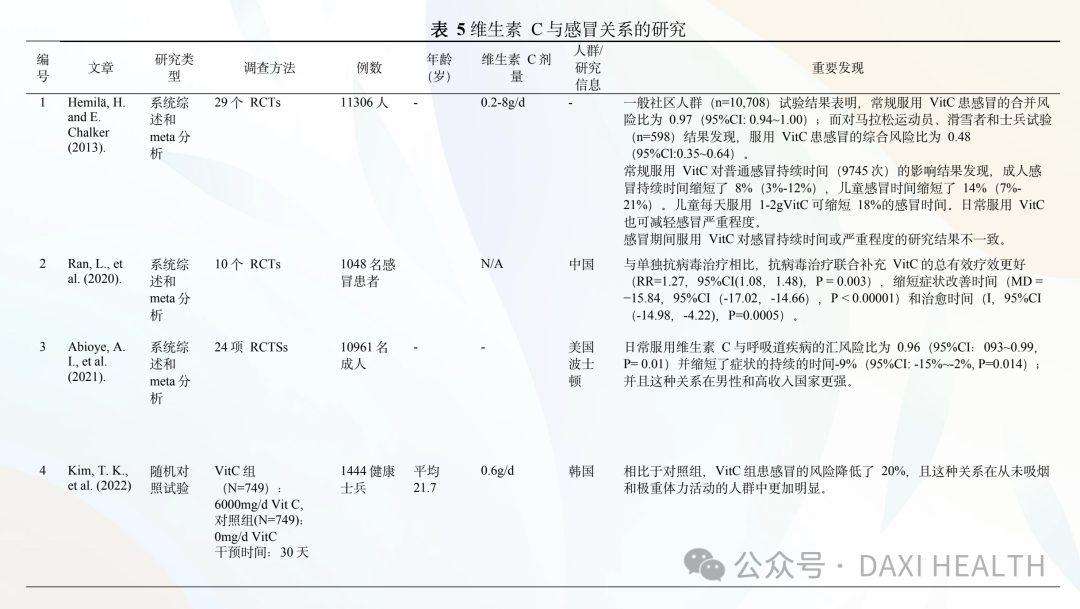
There is insufficient evidence that ordinary people supplementing Vitamin C reduces the risk of colds.
-
High-intensity fitness enthusiasts may reduce the risk of colds by supplementing Vitamin C.
-
Supplementing Vitamin C during a cold may alleviate symptoms and shorten the duration of the illness.
-
The recommendation level is B, meaning:
-
Weak recommendation
-
Benefits are greater than or equal to risks.
-
Evidence is valid but not sufficient.
-
Effects vary from person to person.
-
Can be considered for use.

References:
“Clinical Nutrition”
“Public Nutritionist”
“Vitamin C and Immunity Report”
-End-
“If you like it, click the link below to follow!”