


Phone | 010-82030532 Mobile | 18501361766
WeChat | tech9999 Email | [email protected]
Source: Electronic Xiaoxian
Author:DZXX
According to a report from defcros on September 20, 2025, Palantir Technologies and L3Harris are collaborating to upgrade the concept of a “Radio as a Sensor” data network. This initiative will fully utilize L3Harris’s software-defined radios to collect information, and with the help of Palantir’s software, transform this data into actionable intelligence for battlefield operations, meeting the dynamic needs of modern military actions.
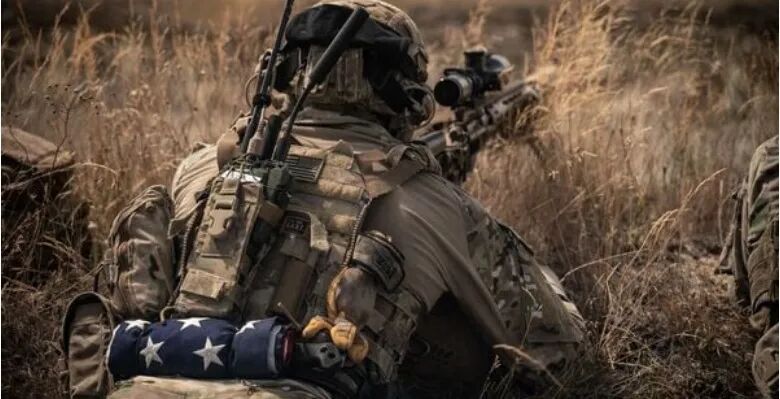
The concept of “Radio as a Sensor” originates from L3Harris’s integration of artificial intelligence (AI) in the U.S. Army’s Tactical Intelligence Targeting Access Node (TITAN) project. L3Harris points out that the current focus is on determining the necessary computational capabilities to be embedded in tactical communication devices, aiming to optimize radio functions so that their capabilities are no longer limited to simple signal transmission, but rather to expand their functionalities.
This plan seeks to redefine the role of radios in the situational awareness system. Traditionally, the core of radio operation is data processing, but the current research and development focus is on transforming radios into “sensors” that also possess perception capabilities. Under this plan, once a radio is activated, it will scan different frequencies and select the optimal frequency based on potential threats in the surrounding environment. This adaptability allows for efficient communication through frequency optimization.
Integrating artificial intelligence with advanced data processing technologies into tactical radios represents a significant breakthrough in military capability development. This initiative also reflects a broader trend in defense technology: traditional communication devices are gradually evolving into multifunctional tools that enhance battlefield situational awareness and on-site decision-making efficiency.
The collaboration between L3Harris and Palantir not only highlights the critical role of advanced technology in modern warfare but also sets a precedent for future innovations in battlefield intelligence and communication systems. As military operational scenarios continue to evolve, such technological advancements will undoubtedly provide important references for armed forces around the world in formulating strategies and tactics.