No one would really go to a C++ interview without any preparation, right?
C++ Basics (30 Questions)
-
Characteristics of C++
-
Discuss the differences between C and C++
-
Discuss the differences between struct and class in C++
-
The order of including header files and the difference between double quotes “” and angle brackets <>
-
Discuss the differences between C++ structures and C structures
-
What is the keyword for importing C functions, and how does C++ compilation differ from C?
-
The process from C++ code to executable binary file
-
Discuss the role of the static keyword
-
The difference between arrays and pointers
-
What is a function pointer, how to define a function pointer, and what are its use cases?
-
When are static variables initialized?
-
Can nullptr call member functions? Why?
-
What is a dangling pointer, how does it occur, and how to avoid it?
-
Discuss the characteristics and use cases of static local variables, global variables, and local variables
-
Discuss the differences between inline functions and macro functions
C++ Memory (30 Questions)
-
Briefly describe the differences between heap and stack
-
Is malloc and local variable allocation on the heap or stack?
-
What sections does a program have, and what are their functions? What is the startup process of a program? How to determine if data is allocated on the stack or heap?
-
Are global variables initialized to 0 in bss or data?
-
Briefly describe the use cases of memory alignment in C++
-
What is a memory leak? How to solve it?
-
What are common memory leaks?
-
How to avoid memory leaks?
-
Do you know common memory errors? Discuss…
-
Detail the methods of memory allocation?
-
What are the differences between heap and stack?
-
How to control memory allocation in C++?
-
Can you talk about the use cases of memory alignment in C++?
-
What data types does memory alignment apply to?
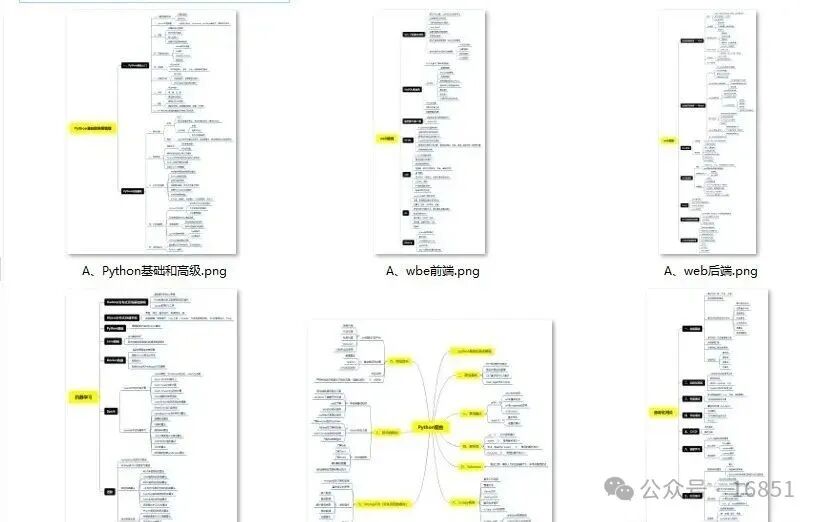
Finally, I have compiled a Python learning roadmap and resource code, hoping to help friends who are learning Python break through information barriers and progress together:
A compilation of technical points in all directions of Python, forming a summary of knowledge points in various fields. Its usefulness lies in that you can find corresponding learning resources based on the knowledge points above, ensuring a comprehensive learning experience.
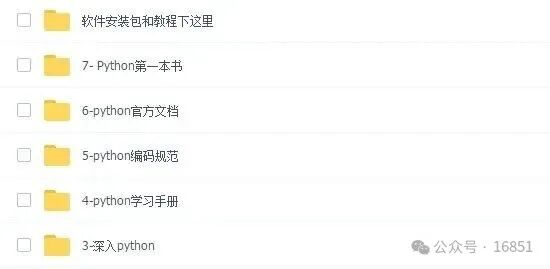
Essential Development Tools
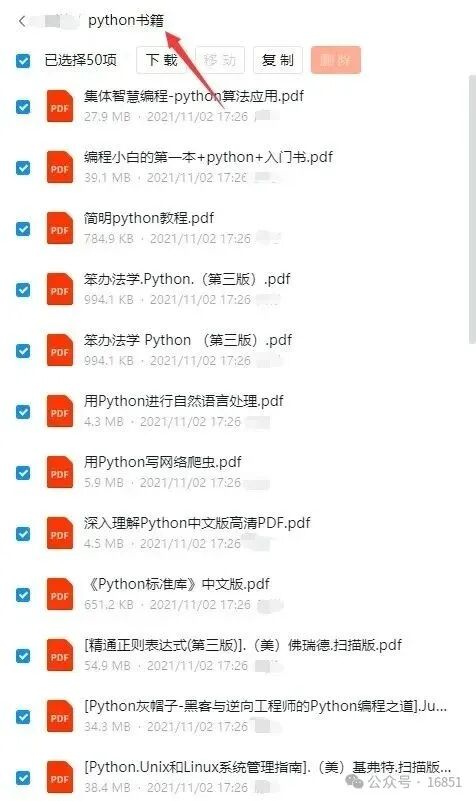
After having a certain foundation and independent understanding ability, I will read books by predecessors or take handwritten notes. These materials detail their unique understanding of technical points, allowing me to learn different perspectives and broaden my horizons.
Watching learning videos during the zero-based stage is an efficient way to get started. Following the teacher’s thought process from the basics to deeper levels can easily help grasp the introductory knowledge.
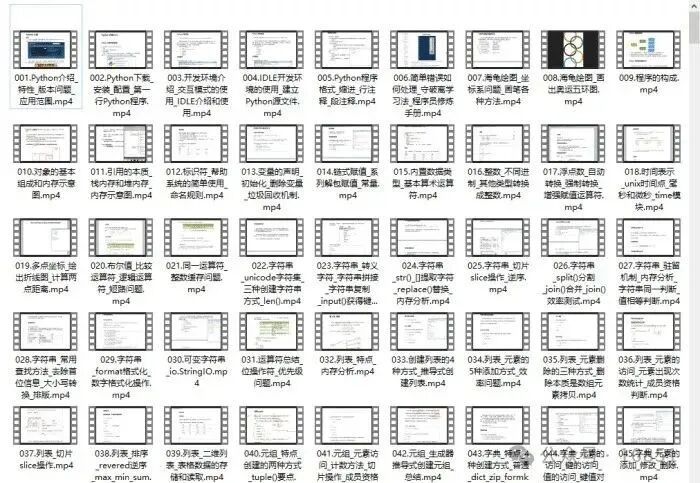
Optical theory is far from enough; it is essential to practice coding hands-on. Only through practical case exercises can what has been learned be truly transformed into practical application skills.
How to obtain:
1. Follow the public account
2. Forward + reply with the keyword “materials” to get it