Broad Moneywort: Also known as: Ground Moneywort, Copper Coin Grass, Horsetail Fragrance, False Peanut. [Source] It is the whole herb of the plant Desmodium styracifolium (Osbeck) Merr. from the legume family.
[Morphological Characteristics] Semi-shrubby herb, up to 1 m tall. The stems are prostrate or oblique, with a woody base, and the branches are cylindrical, densely covered with yellow short hairs along with the petioles. The leaves are alternate, with one pair of lanceolate stipules, and single leaflets, sometimes with 3 leaflets; the middle leaflet is larger, round, 2.5-4.5 cm long and 2-4 cm wide, while the lateral leaflets are elliptic, smaller, with a slightly notched apex, and a shallowly heart-shaped or nearly truncate base, entire margin, hairless above, and densely covered with silvery silky hairs below, appearing light gray-green, with about 10 pairs of parallel lateral veins. The racemose inflorescence is terminal or axillary, densely flowering, with 2 flowers growing together, fragrant, the pedicels bent downwards, about 3 mm long; the calyx is bell-shaped; the butterfly-shaped corolla is purplish-red, about 5 mm long, with the banner petal being broadly ovate; the stamens are diadelphous. The pod has 3-6 segments, one side is straight, while the other side is wavy, covered with short soft hairs and hooked hairs, with one kidney-shaped seed in each segment.
[Habitat and Distribution] It grows in hillside grasslands or hilly shrubs. Distributed in Fujian, Hunan, Guangxi, and Guangdong.
[Collection and Processing] Collected in summer and autumn, washed, dried, or used fresh. [Preparation] Remove impurities, cut into sections, and dry. [Herbal Characteristics] Irregular segments, a mixture of stems and leaves. The stems are cylindrical, densely covered with yellow fluff, brittle and easy to break, with a light yellow cross-section, and a white pith in the middle. The leaves are wrinkled, gray-green to dark green above, hairless, and light green below, densely covered with white fluff. It has a faint aroma and a slightly sweet taste.
[Chemical Components] The whole herb contains flavonoids, triterpenes, phenolics, alkaloids, etc. The flavonoids include quercetin, isoquercitrin, kaempferol, trifolium glycoside, apigenin, luteolin, chrysoeriol, isoacteoside, apigenin I, and apigenin II, etc. The triterpenes include soy saponin B and 22-keto soy saponin B. It also contains broad moneywort alkaloid, broad moneywort lactone, salicylic acid, vanillic acid, ferulic acid, 3,4-dimethoxyphenol, and oxalic acid, as well as various other components like isoflavones, β-sitosterol, and others.
[Pharmacological Effects]
1. Anti-inflammatory and Analgesic Effects: The flavonoid compounds extracted from broad moneywort have a significant inhibitory effect on the swelling of mouse ears induced by croton oil and on the increased capillary permeability caused by histamine; they also significantly inhibit the swelling of rat joints induced by fresh egg white and the granuloma induced by cotton balls. Total flavonoids from broad moneywort have a certain analgesic effect on acetic acid-induced abdominal pain in mice.
2. Choleretic, Diuretic, and Inhibition of Stone Formation: The ethanol-insoluble fraction of broad moneywort inhibits the growth of calcium oxalate monohydrate crystals, with the inhibitory effect increasing with the concentration of polysaccharides, making it useful for urinary stones and cholecystitis. Broad moneywort achieves its therapeutic effects for gallstones by increasing plasma CCK levels, increasing bile flow, contracting the gallbladder, and dilating the Oddi sphincter. Broad moneywort and various compound preparations significantly inhibit the growth and aggregation of calcium oxalate crystals in vitro, significantly increasing intraluminal pressure in the upper ureter and enhancing ureteral peristalsis frequency, with a significant diuretic effect.
3. Effects on the Circulatory System: The flavonoids from broad moneywort significantly inhibit ADP-induced platelet aggregation in rabbits and promote disaggregation. They also have a significant inhibitory effect on in vitro thrombosis. The aqueous decoction and extracts of broad moneywort significantly increase cerebral blood flow and coronary blood flow in dogs; they significantly increase myocardial nutrition blood flow in mice and enhance hypoxia tolerance; they have a spasmolytic effect on isolated rabbit vessels.
4. Free Radical Scavenging: Total flavonoids from broad moneywort have a strong ability to scavenge hydroxyl radicals and superoxide anion radicals.
5. Memory Improvement: Broad moneywort can improve memory impairment induced by arecoline in mice and poor memory consolidation induced by chloramphenicol. At effective doses, broad moneywort can significantly extend the acute brain hypoxia duration caused by decapitation, nitrite, and normal pressure, suggesting that it has memory-enhancing and neuroprotective effects.
[Taste and Properties] Sweet, bland, cool. It enters the liver, kidney, and bladder meridians.
[Main Functions and Indications] Clears heat and promotes diuresis, unblocks the orifices, and expels stones. It is suitable for urinary tract infections, urinary stones, nephritis edema, cholecystitis, gallstones, liver-gallbladder damp-heat, jaundice, pediatric malnutrition, and carbuncles.
[Dosage] 15-30 g; fresh product 30-60 g. For external use, apply appropriately, crush and apply.
[Common Prescriptions]
(1) For bladder stones:
Broad moneywort 30 g, sea silk 15 g. Decoction for oral administration. [Source]: Lingnan Herbal Records.
(2) For cholecystitis:
Broad moneywort 30 g, chicken inner gold 9 g. Decoction for oral administration. [Source]: Fujian Drug Records.
(3) For pediatric malnutrition:
Appropriate amount of Guangdong moneywort. Cook with lean pork. [Source]: Lingnan Herbal Records.
(4) For mastitis:
Guangdong moneywort, (Gotu Kola) Old Man’s Root, and rice wine, crush and apply to the affected area. [Source]: Lingnan Herbal Records.
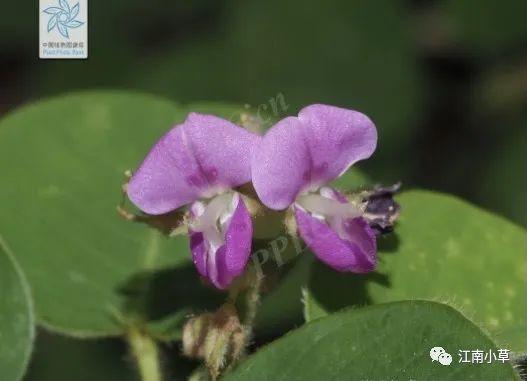 Image from Chinese Plant Image Library
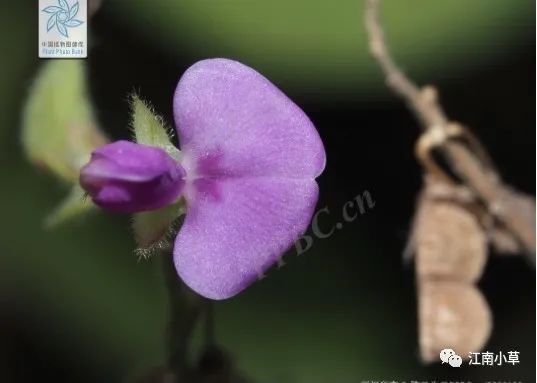 Image from Chinese Plant Image Library
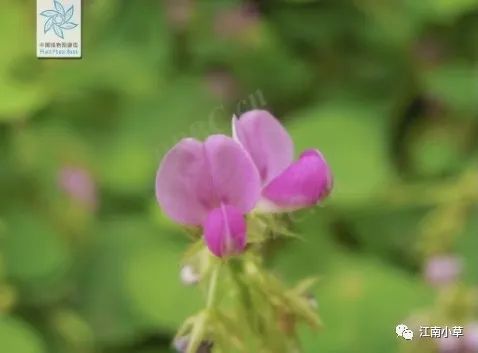 Image from Chinese Plant Image Library
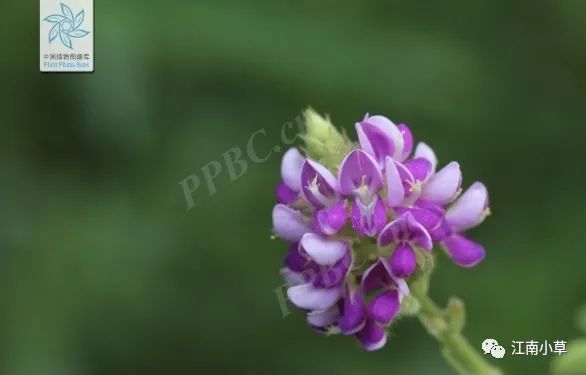 Image from Chinese Plant Image Library
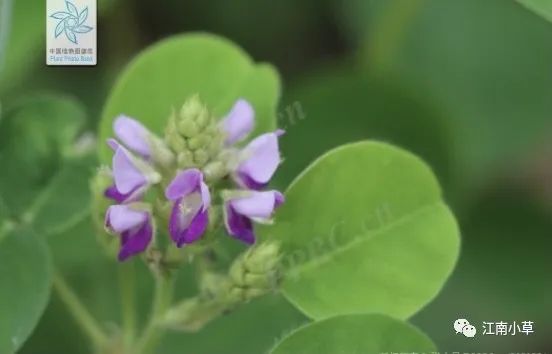 Image from Chinese Plant Image Library
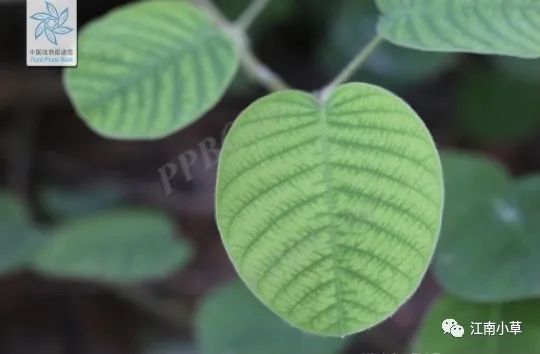 Image from Chinese Plant Image Library
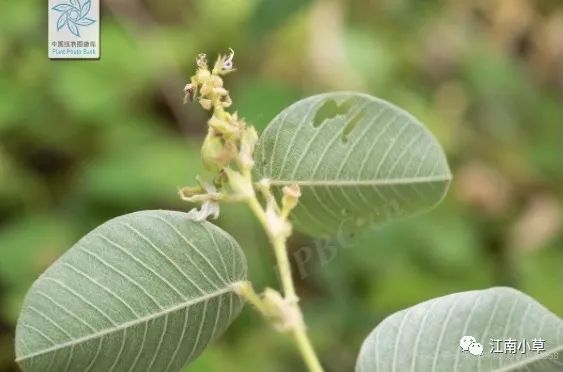 Image from Chinese Plant Image Library
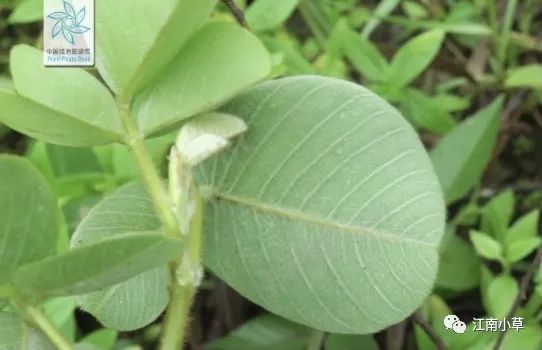 Image from Chinese Plant Image Library
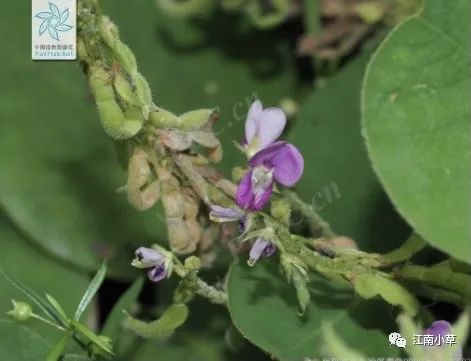 Image from Chinese Plant Image Library
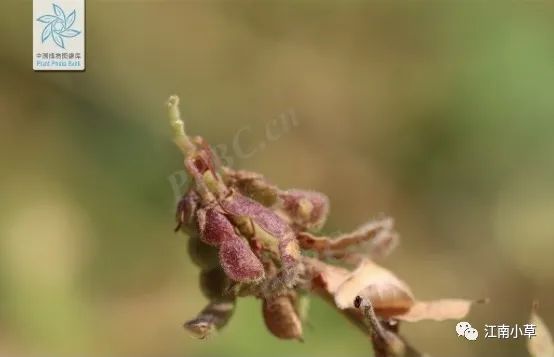 Image from Chinese Plant Image Library
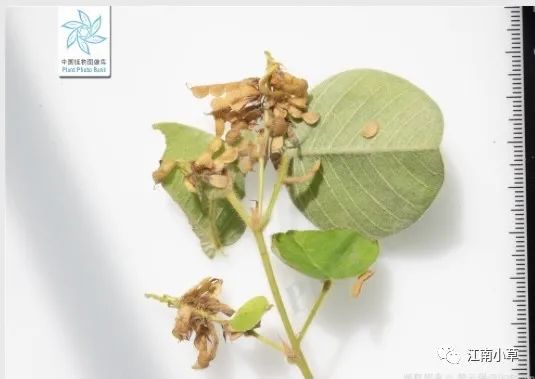 Image from Chinese Plant Image Library
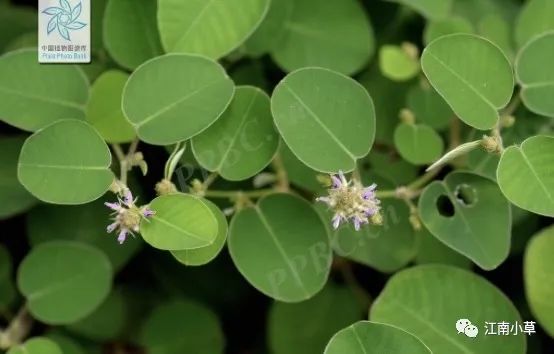 Image from Chinese Plant Image Library
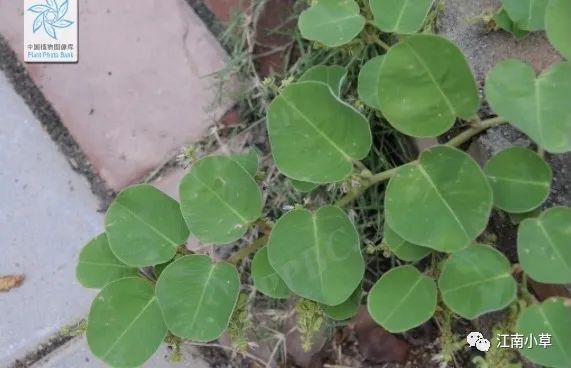 Image from Chinese Plant Image Library
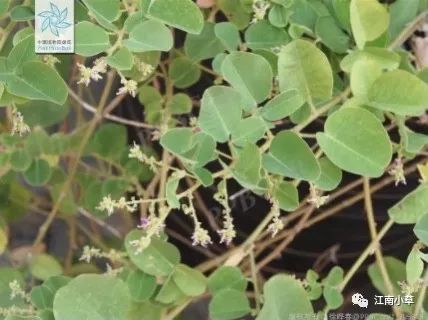 Image from Chinese Plant Image Library
Below is an excerpt from The Complete Book of Traditional Chinese Medicine Prescriptions on Broad Moneywort
Broad Moneywort: Also known as: Ground Moneywort, False Peanut, Mountain Bean.
[Taste and Properties] Nature is original, taste is sweet and bland. [Function] Clears heat and removes dampness, promotes diuresis and unblocks the orifices. Used for heat stranguria, sand stranguria, stone stranguria, painful urination, edema with little urine, jaundice with red urine, and urinary stones.
[Dosage] 15-30 grams.
[Proven Prescriptions]
1. For measles:
Broad moneywort and salt each in appropriate amounts, crush and apply externally; take 60 grams of broad moneywort and decoct for oral administration.
2. For oral inflammation and laryngitis:
Broad moneywort 15-30 grams, decoct to extract juice and mix with honey for oral administration.
3. For kidney stones:
Broad moneywort 24 grams, fennel 5 grams, star anise 5 grams, rhubarb 15 grams (added later), and 30 grams of plantain, decoct for oral administration.
4. For bladder stones:
Broad moneywort 60 grams, sea silk 15 grams, decoct for oral administration.
5. For acute jaundice hepatitis:
Broad moneywort 60 grams, decoct for oral administration; or combine with chicken bone grass, field horsetail, yarrow, and other herbs for use together.
6. For pediatric malnutrition:
Broad moneywort 15-30 grams, cook with lean pork and eat.
7. For urinary tract infection:
Broad moneywort 24 grams, plantain 15 grams, sea silk 15 grams, honeysuckle 15 grams, decoct for oral administration.
8. For mastitis:
Broad moneywort and gotu kola fresh products in appropriate amounts, wash, crush, and apply to the affected area.
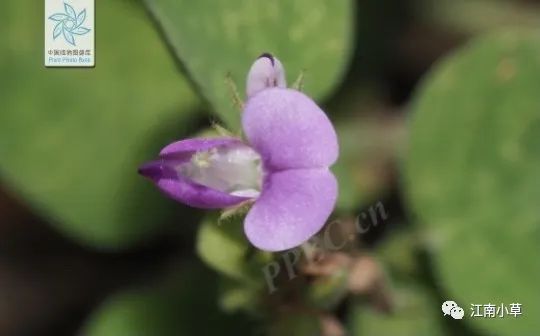 Image from Chinese Plant Image Library
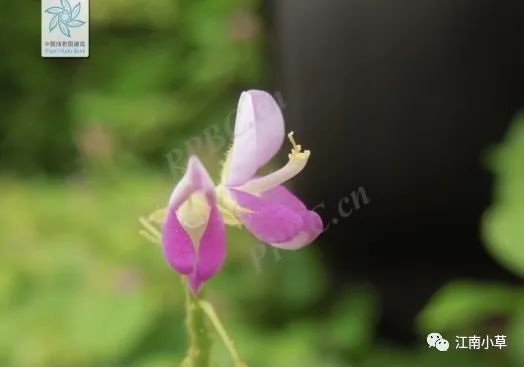 Image from Chinese Plant Image Library
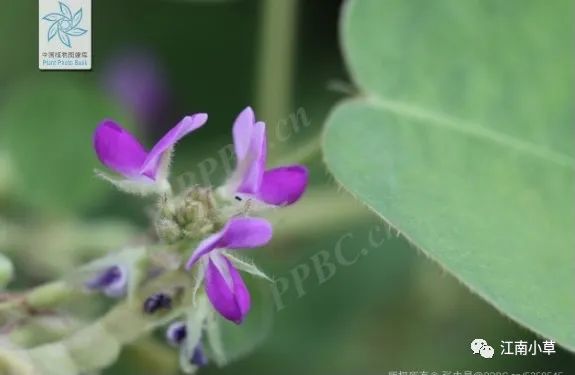 Image from Chinese Plant Image Library
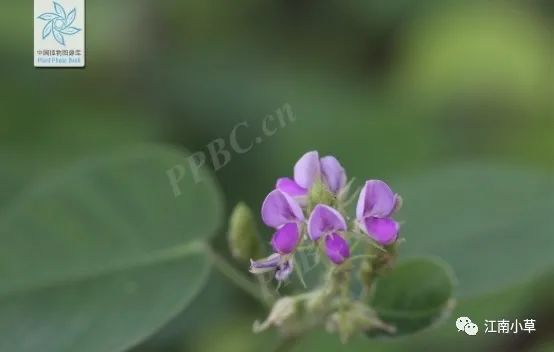 Image from Chinese Plant Image Library
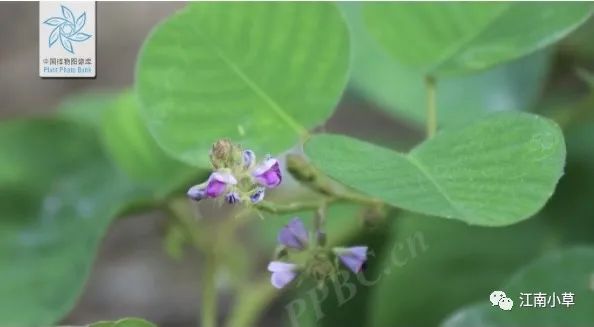 Image from Chinese Plant Image Library
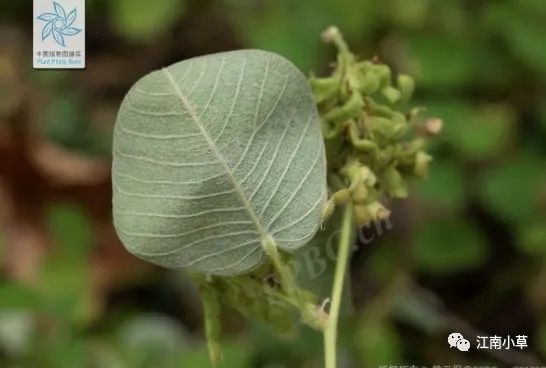 Image from Chinese Plant Image Library
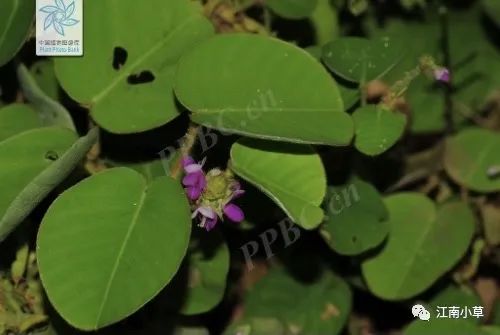 Image from Chinese Plant Image Library
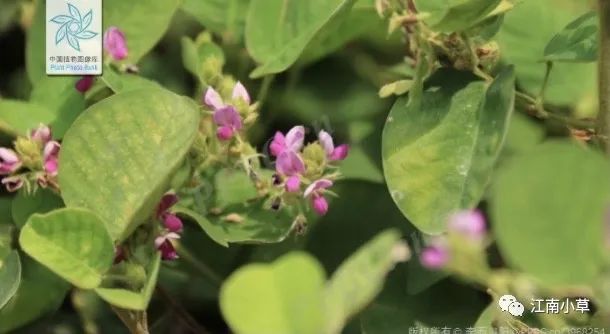 Image from Chinese Plant Image Library
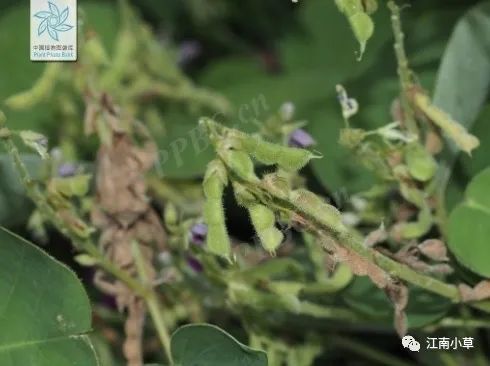 Image from Chinese Plant Image Library
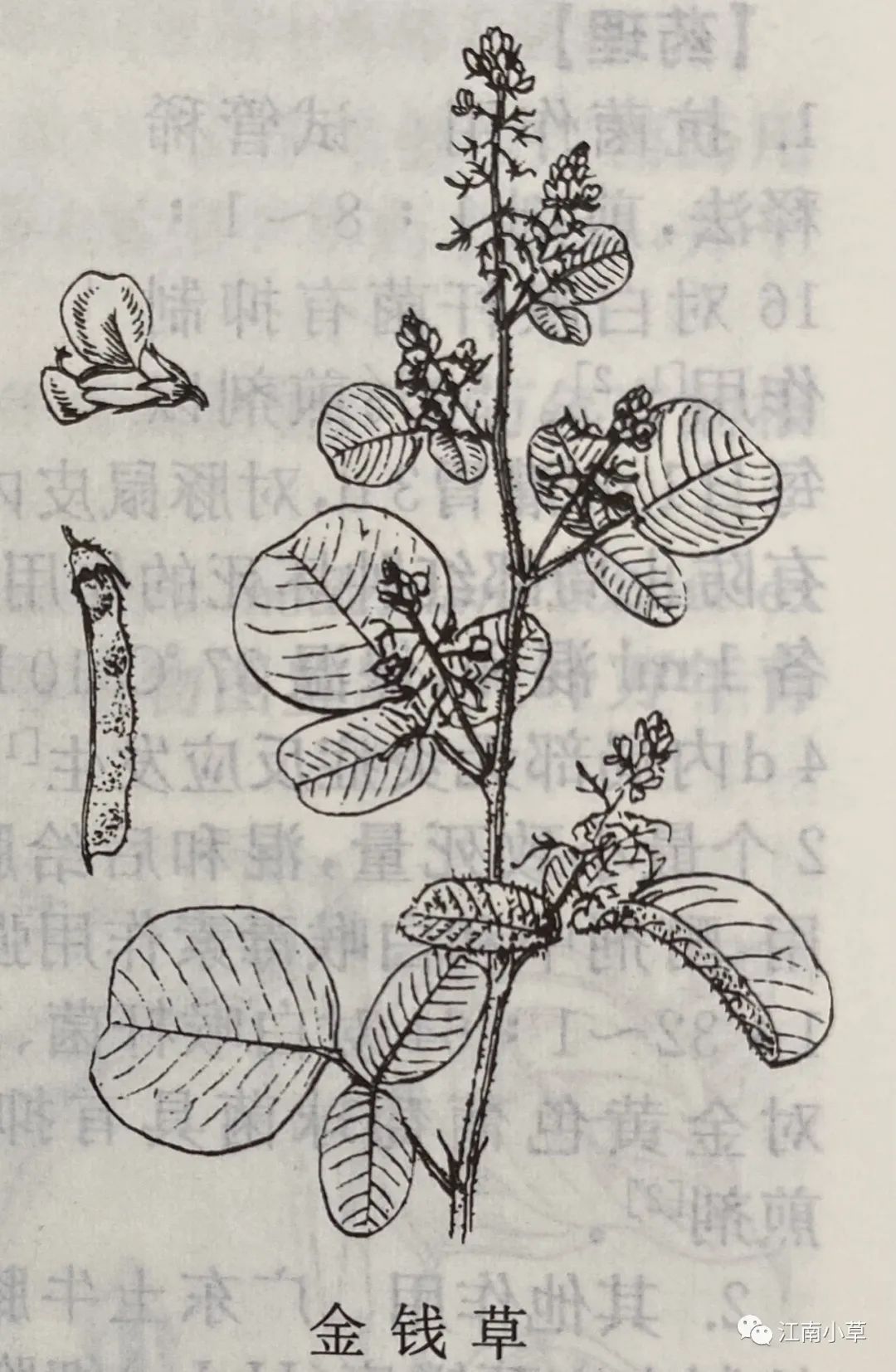 Image from Chinese Plant Image Library