Click the blue text in the upper left to follow us
 01One of the world’s three major chip architectures, MIPS, has fallen! Turning to the RISC-V camp
One of the world’s three major chip architectures, MIPS, has become history.
According to foreign media reports, the parent company announced it would abandon the design of the MIPS architecture and fully invest in the RISC-V camp.
As a pioneer at the forefront of the RISC revolution, MIPS was founded by Turing Award winner and chairman of Google’s parent company, John Hennessy, and went public just eight years after its founding.

How popular was it back then?
Microsoft even ported its Windows system to MIPS, and Intel subsequently spent billions of dollars developing the Itanium architecture to counter the RISC challenges in the market at that time.
MIPS was once considered by the industry to be on par with Arm and x86, becoming one of the three major mainstream architectures in the world.
Now, MIPS, which should have been in its forties, suddenly couldn’t bear the silence and unexpectedly turned to the booming RISC-V camp.
As a result, some netizens lamented: this is just another BlackBerry encountering Android.

Source: Quantum Bit02GPT-3 fails math tests, troubling the Berkeley team, leading them to create 12,500 math problems
GPT-3 is a severely specialized “humanities student”.
Researchers at UC Berkeley found that after testing large language models similar to GPT-3, math is a blind spot for this type of AI.
Out of 12,500 high school math problems, GPT-3’s accuracy was less than 3% at its lowest and did not exceed 7% at its highest.
Completely unacceptable~

GPT-3, which usually presents itself as “all-knowing and all-powerful”, looks completely confused when faced with math problems. How can that be acceptable?
Thus, the Berkeley team tailored a math problem dataset for large language models.
Even a “humanities student” can’t escape math homework.
Why should AI learn math?
What is the use of AI learning math?
Math is the foundation of all sciences; simulating planetary orbits, atomic movements, and board games are essentially math problems.
The popular AlphaFold from last year, which predicts protein structures, is also fundamentally a complex math problem-solving task.
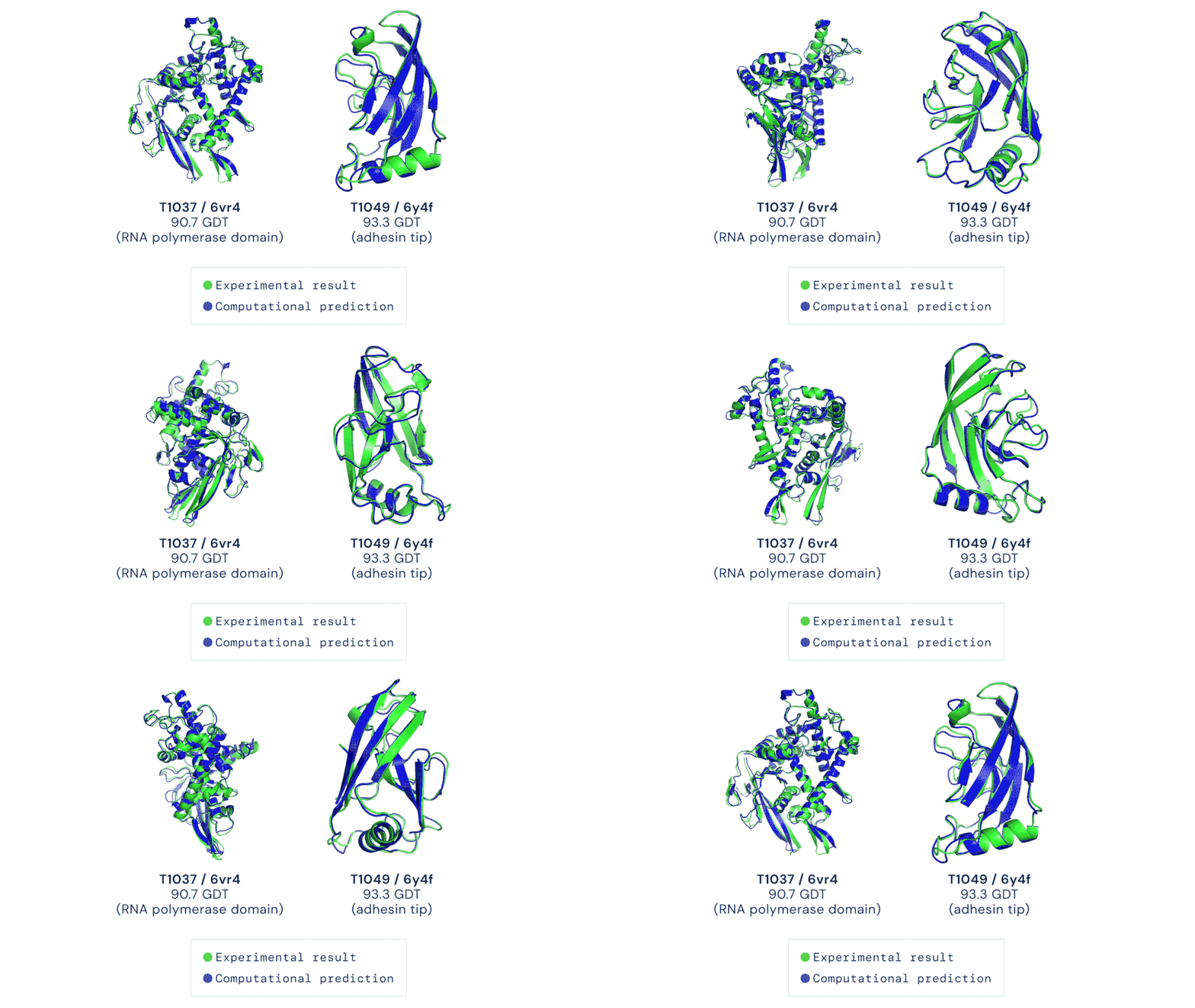
Moreover, the selection and combination of different problem-solving methods when AI solves math problems is also a reference for measuring algorithm capabilities.
Therefore, even though GPT-3 usually deals with text tasks, having it learn math can still help people understand the characteristics of large models in handling mathematical reasoning tasks.
Previous research has already proven that a solid grasp of mathematical concepts is crucial for AI.
Indeed, AI can no longer escape math competitions.
Source: Quantum Bit03Flying Paddle launches the InterpretDL explainability algorithm library, making your model no longer a “black box”
With DeepMind’s AlphaGo defeating top players in Go, artificial intelligence has gained increasing attention. Especially in recent years, the growth of computing power and the easier access to reliable data have led to rapid development in the field of deep learning, with deep learning models achieving intelligence levels that can even surpass human capabilities in some tasks.
However, beneath the glamorous surface lies a fog! Deep learning models are often criticized as “black box models” due to their numerous parameters, complex structures, and results that are difficult for people to understand. To address these issues, Flying Paddle has recently launched the InterpretDL explainability algorithm library, allowing users to call algorithms to make their models “speak human language”.
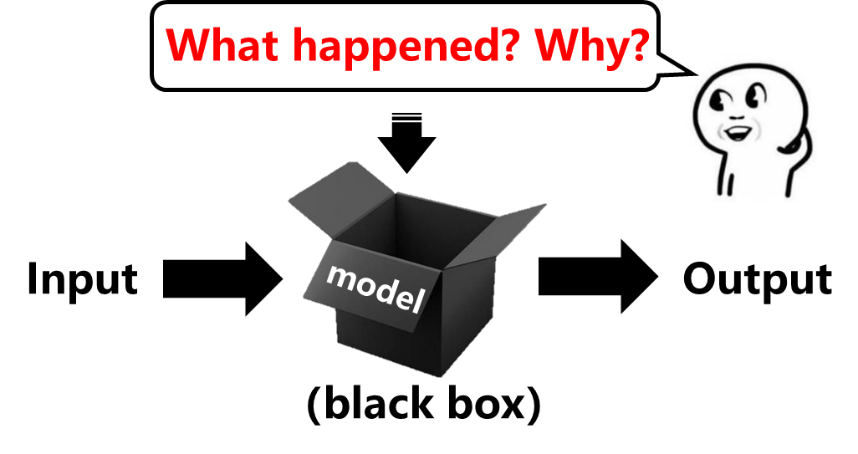
InterpretDL is the first explainability algorithm library based on Flying Paddle, and the current version 0.2.0 has been launched, fully supporting the dynamic programming paradigm of the Flying Paddle framework 2.0. This version includes various common explainability algorithms in the field of deep learning, which can explain models for computer vision (CV), natural language processing (NLP), and structured data (Table). So what specific algorithms can explain models? They can generally be divided into three categories: input feature-based algorithms, model intermediate feature-based algorithms, and training data explanation algorithms.
InterpretDL also provides many tutorials in the “InterpretDL/tutorials” directory, demonstrating the usage and effects of various algorithms in CV or NLP tasks. Developers are welcome to try it out!
By the way! Don’t forget to give it a Star!

Source: Flying Paddle PaddlePaddle04To kill mosquitoes, this PhD used a Raspberry Pi to DIY a laser gun, and netizens asked: What if it hurts people?
The world has long suffered from mosquitoes.
Especially on summer nights, the buzzing in the ear can lead to “battles” lasting hundreds of rounds.
To address this, a foreign PhD DIYed a high-end method to kill mosquitoes:
Computer vision for precise positioning, lasers to kill instantly.
It was built using a Raspberry Pi.
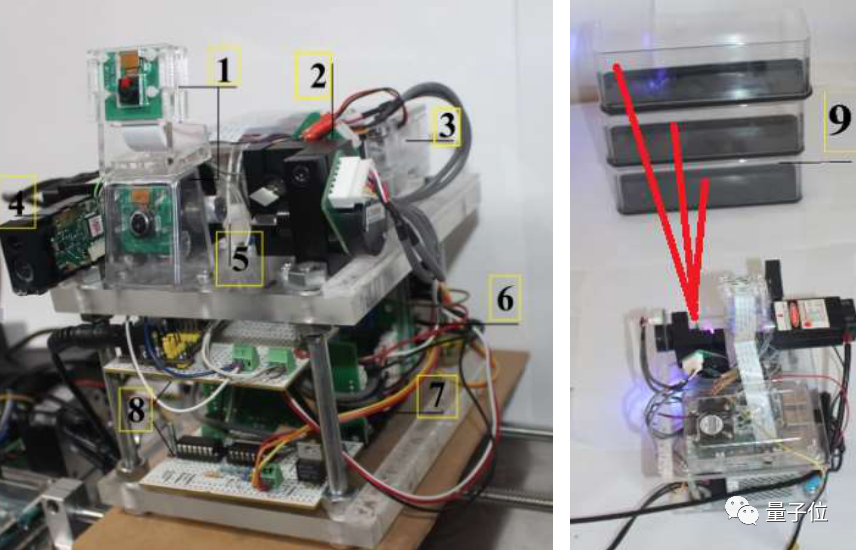
Although this “high-end mosquito killer” built with a Raspberry Pi is refreshing, it has also sparked heated discussions among netizens.
Some believe this method is unsafe, mainly arguing that a 1W laser can harm human eyesight, especially when mounted on a drone:
A drone equipped with a laser sounds worse than mosquitoes.

However, some netizens seem to be “obsessed” with such products, exclaiming:
When can I buy one?
So, would you accept this method of killing mosquitoes?
Source: Quantum Bit052D characters’ facial features can be modified; Zhou Bolai’s team controls GAN using unsupervised methods | CVPR 2021
Now, GANs can not only draw 2D characters but also precisely adjust facial features, expressions, poses, and painting styles.
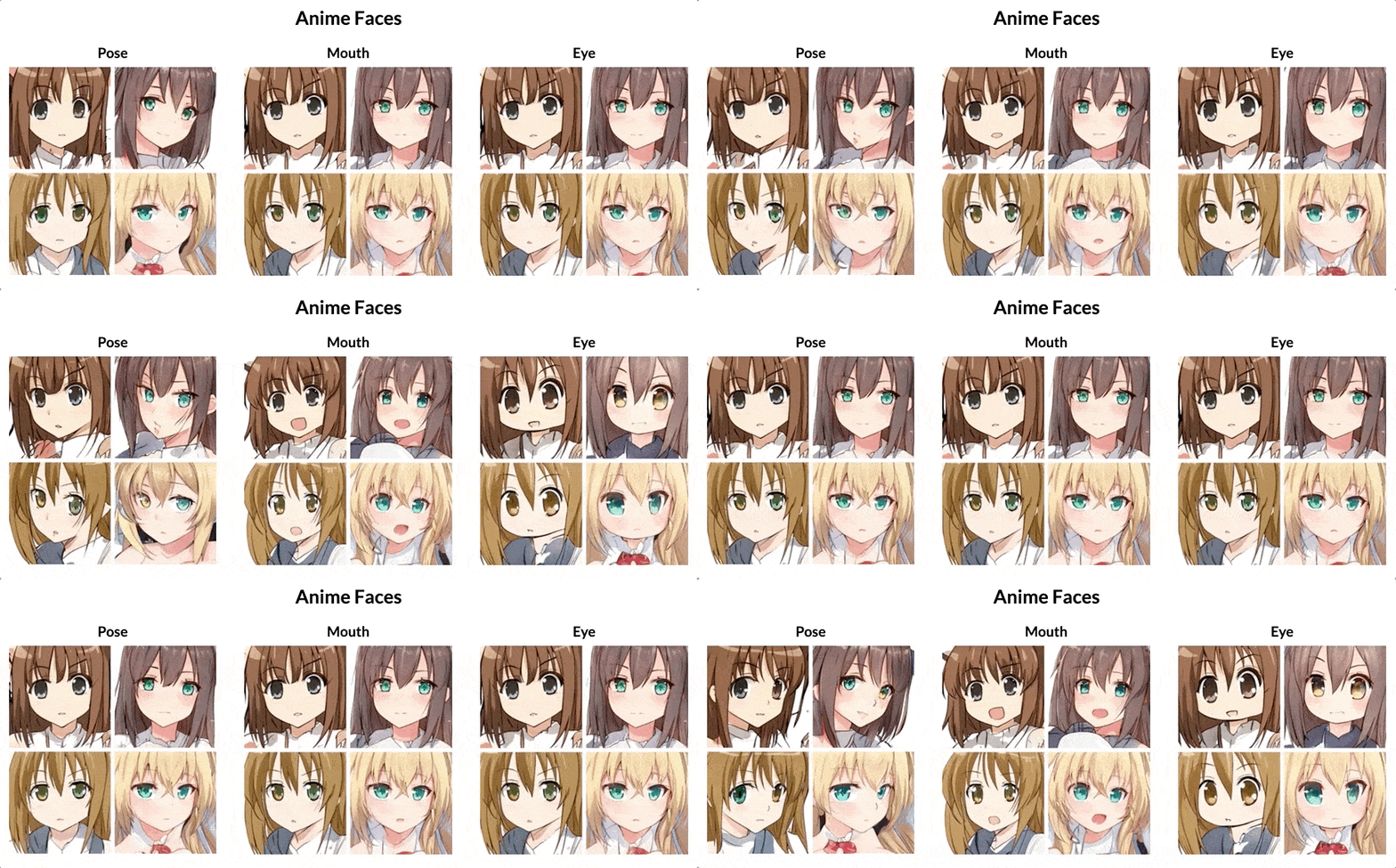
Moreover, when adjusting a certain factor, other conditions can remain as unchanged as possible.
This is the SeFa (Semantic Factorization) proposed by Zhou Bolai’s team at the Chinese University of Hong Kong, and this paper was recently selected for CVPR 2021 (Oral).
SeFa is applicable to common GAN models such as PGGAN, StyleGAN, BigGAN, and StyleGAN2, and it can even control cats in different directions.
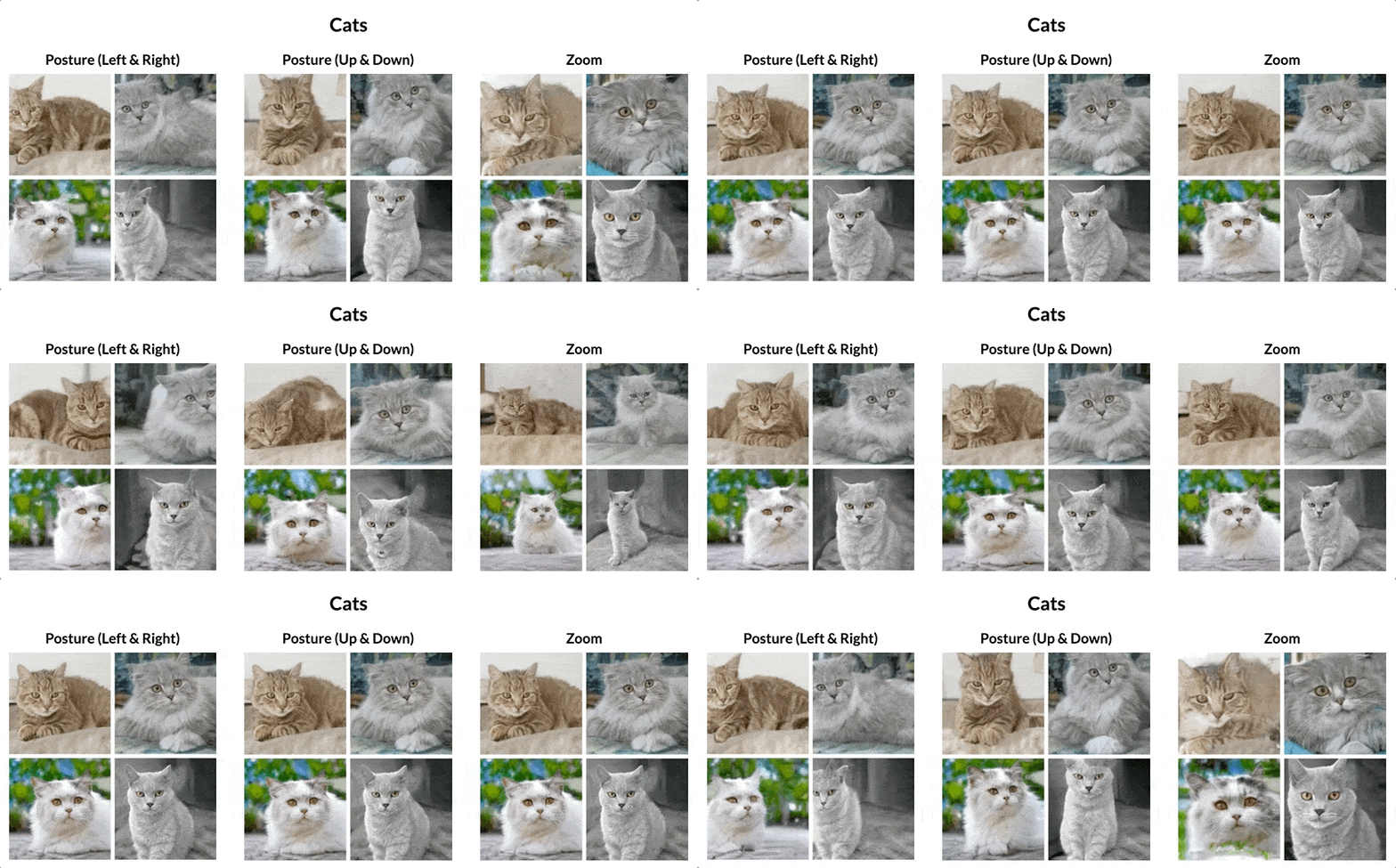
By separating the eigenvalues of the mapping matrix through this method, precise control over different image elements can be achieved:
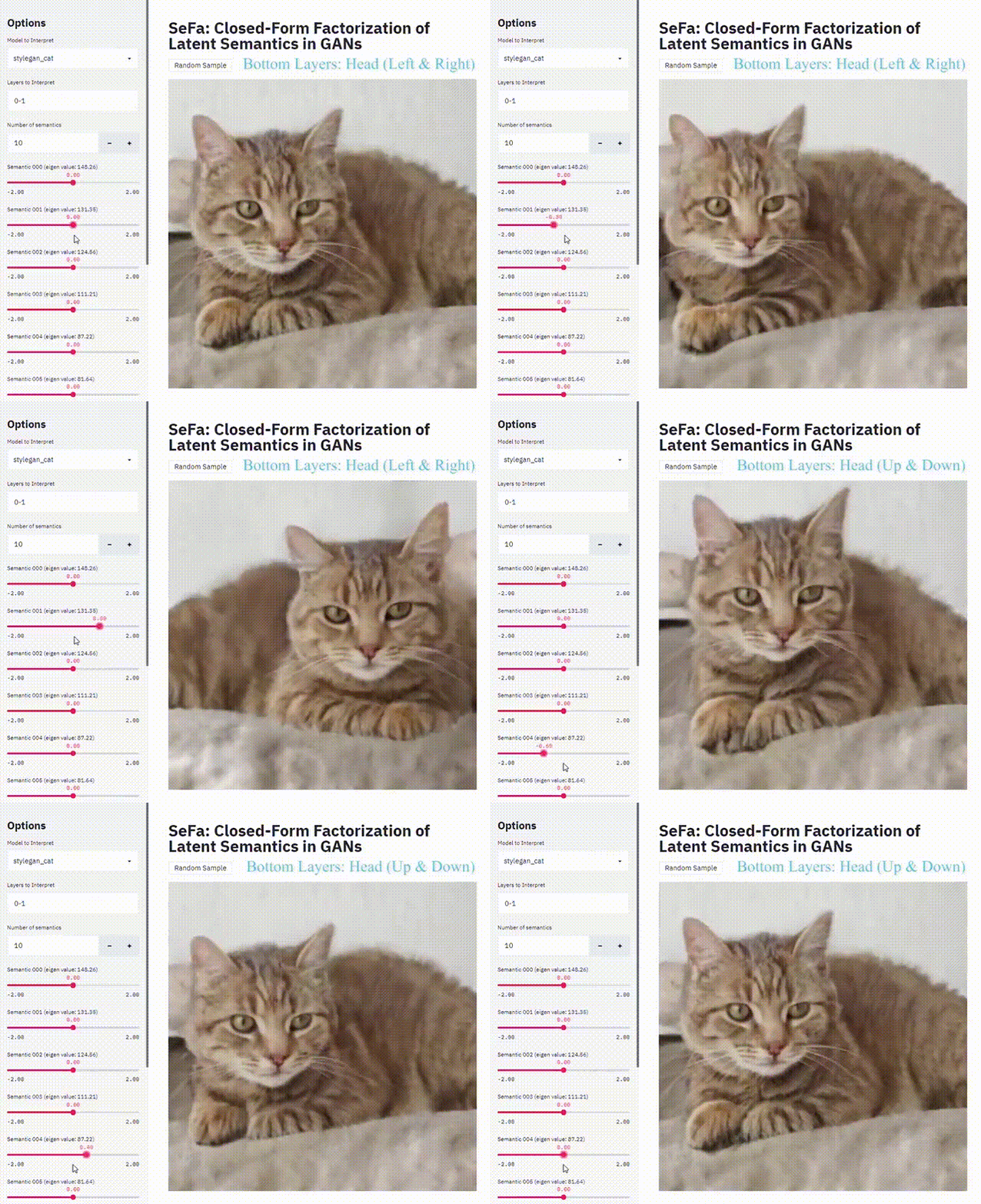
More importantly, SeFa does not require labeling of the data generated by GANs; it can find the corresponding encoding for these element changes by itself. This means SeFa is an unsupervised method.
Currently, the code related to SeFa has been open-sourced.
Source: Quantum Bit
PaddlePaddle, based on Baidu’s years of deep learning technology research and business applications, is China’s first open-source, technologically advanced, and fully functional industrial-grade deep learning platform, including the PaddlePaddle open-source platform and the PaddlePaddle enterprise version. The PaddlePaddle open-source platform includes core frameworks, basic model libraries, end-to-end development kits, and tool components, continuously open-sourcing core capabilities to provide a foundational base for industry, academia, and scientific innovation. The PaddlePaddle enterprise version enhances corresponding features based on the PaddlePaddle open-source platform to meet enterprise-level needs, including the zero-threshold AI development platform EasyDL and the fully functional AI development platform BML. EasyDL is mainly aimed at small and medium-sized enterprises, providing a zero-threshold, rich preset networks and models, and a convenient and efficient development platform; BML is a fully functional, customizable, and deeply integrated development platform for large enterprises.

END