This article combines literature and patents to introduce the recent development status of new E3 ligands. First, let’s talk about DCAF1.
Biological Background of DCAF1
DCAF1 (also known as VprBP) is a multifunctional E3 ubiquitin ligase substrate receptor that participates in the regulation of various cellular processes. It is part of the Cullin-RING ligase (CRL) family, specifically part of the CRL4 ligase complex. DCAF1 plays a significant role in the cell cycle, cell growth, and cell division, and is associated with the development of certain cancers. Additionally, DCAF1 promotes cancer cell survival under glucose deprivation conditions by inactivating the Rheb-mTORC1 pathway. Under low glucose conditions, DCAF1 enhances the K48 polyubiquitination and proteasome-dependent degradation of Rheb, thereby inhibiting mTORC1 activity, inducing autophagy, and promoting cancer cell survival during glucose deprivation. DCAF1 is also a target for some pathogens (such as HIV and SIV), which hijack the function of DCAF1 to suppress host immune responses.
Due to the critical role of DCAF1 in cellular physiological and pathological processes, it is considered an emerging ligase target in the field of targeted protein degradation (TPD)..
Expression analysis of DCAF1 also reveals certain tissue specificity and tumor specificity, making it a high-value E3 ligase, further proving its development potential in the TPD field.
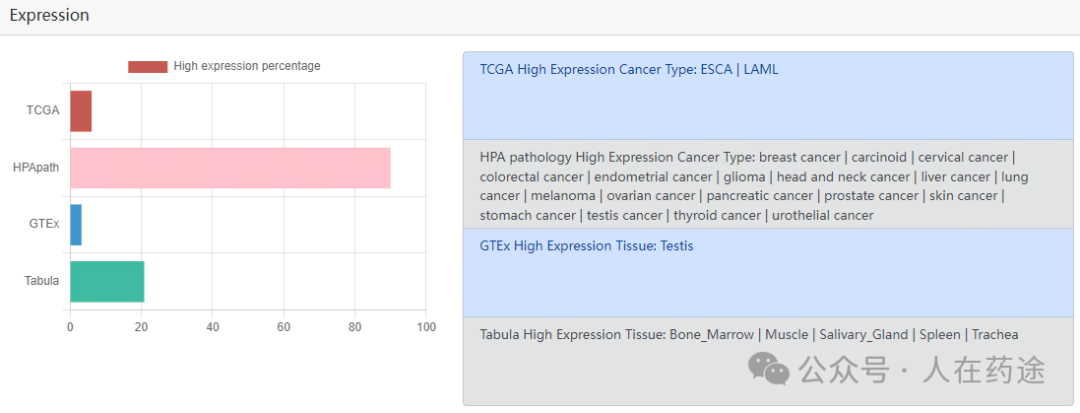
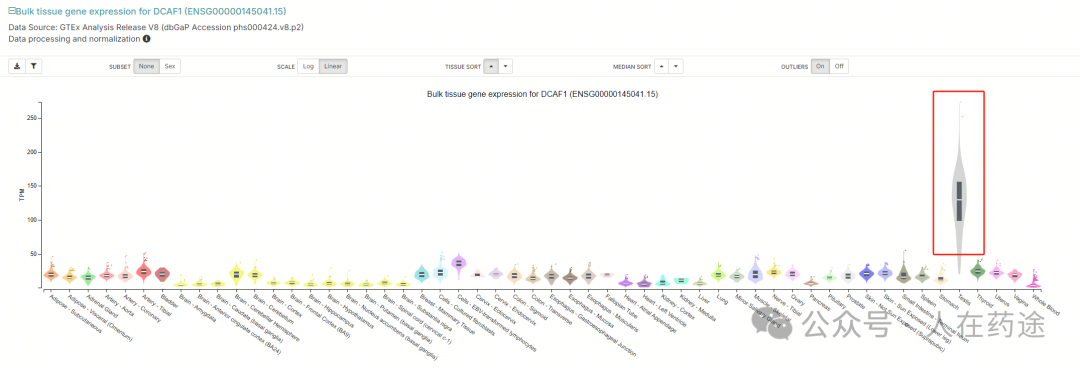
However, the lack of known effective ligands targeting DCAF1 limits the study of its functions and therapeutic potential.
Recently, reports of some small molecule ligands targeting DCAF1 and related PROTACs seem to have opened the door for DCAF1 applications.
Literature Reports
MY-11B
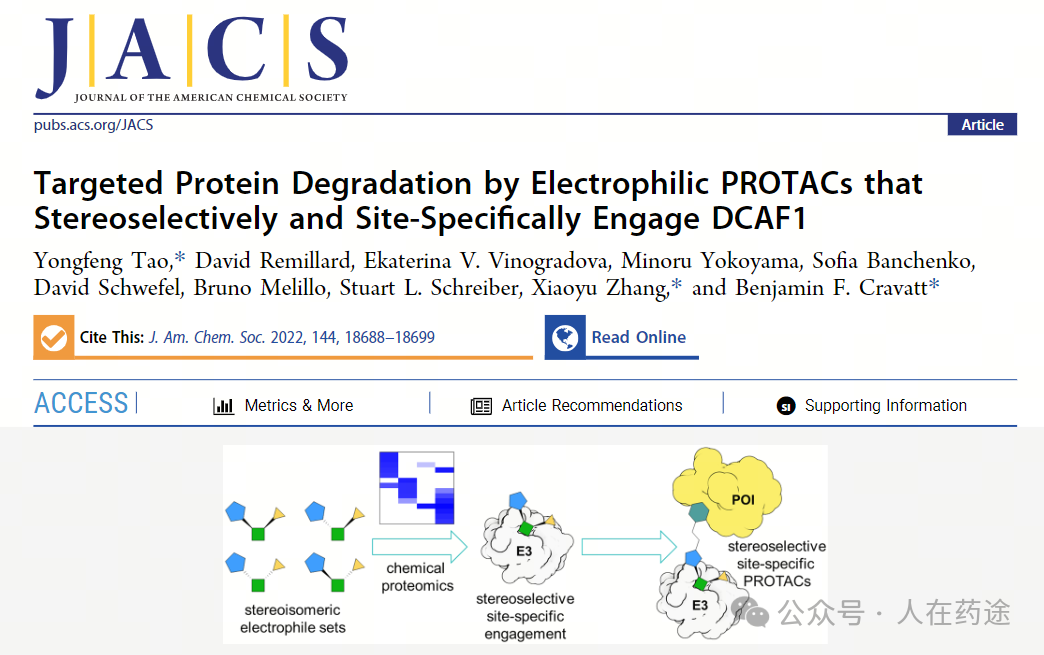
The Scripps Research Institute reported in 2022 in JACS the discovery of a class of nitrogen-containing cyclic butyric amide compounds, MY-11B, which can react covalently with the cysteine C1113 on DCAF1 protein in a stereoselective and site-specific manner using chemical proteomics methods (J. Am. Chem. Soc. 2022, 144, 40, 18688–18699). They also applied for a patent for this (WO2023225625A2).
The article presents the domain composition of the DCAF1 protein and the interface where C1113 interacts with the HIV viral protein in the DCAF1-Vpx complex.
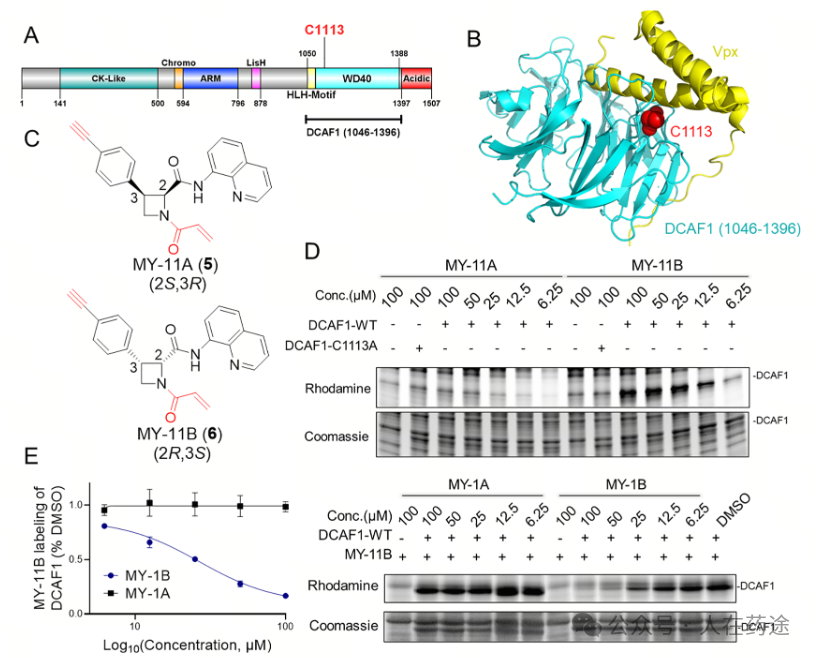
Based on MY-11B, electrophilic PROTACs targeting the degradation of FKBP12 and BRD4 proteins were developed, exhibiting good degradation activity (DC50 < 0.5 μM) and demonstrating stereoselectivity and DCAF1 dependence.
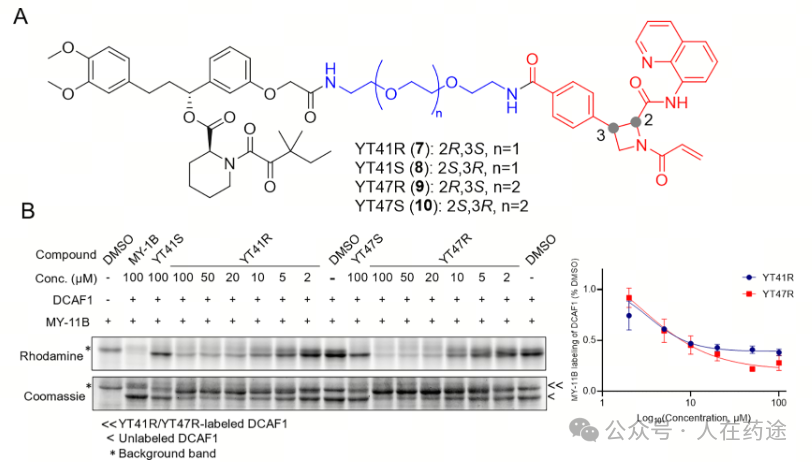
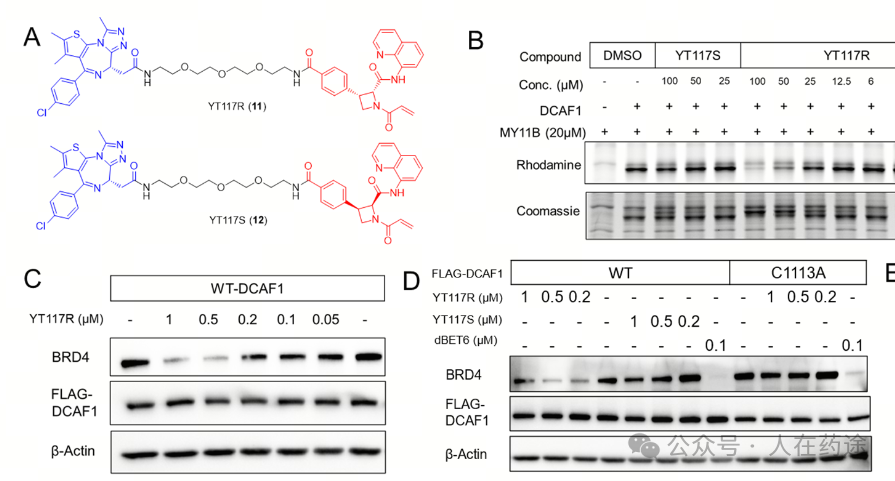
As for the affinity of MY-11B with DCAF1, the article mentions that the participation of MY-11B with DCAF1 was determined using the gel ABPP method, resulting in an in vitro target engagement (TE50) of approximately 25 μM.
CYCA-117-70
AIDD star company Recursion Pharmaceuticals reported a novel DCAF1 ligand discovered through AI screening in the Journal of Chemical Information and Modeling (J. Chem. Inf. Model. 2023, 63, 4070−4078).
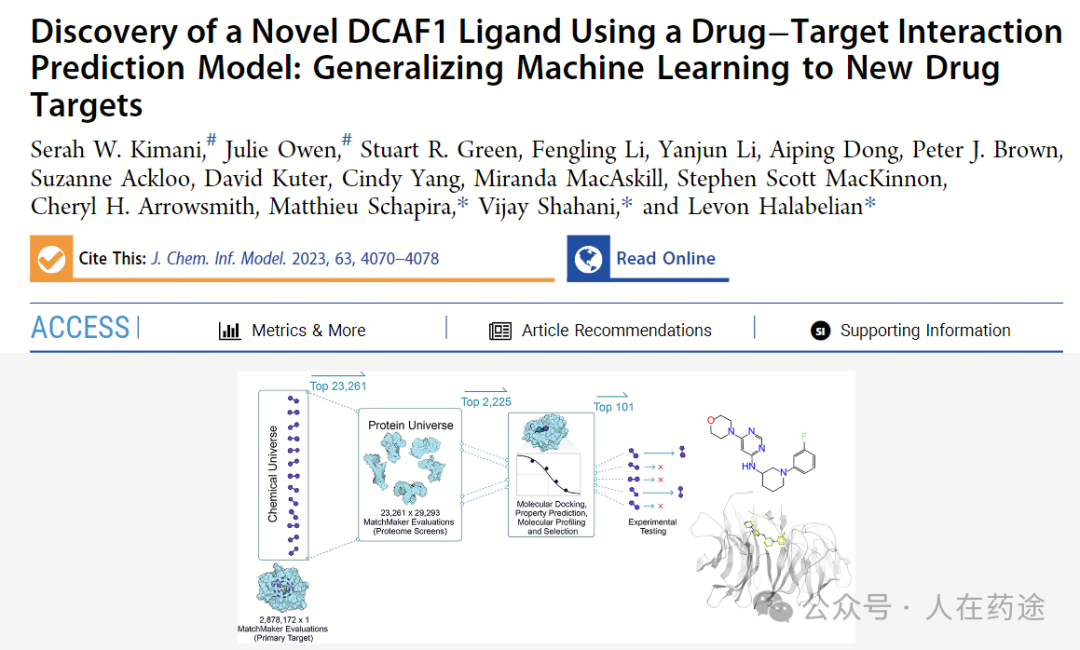
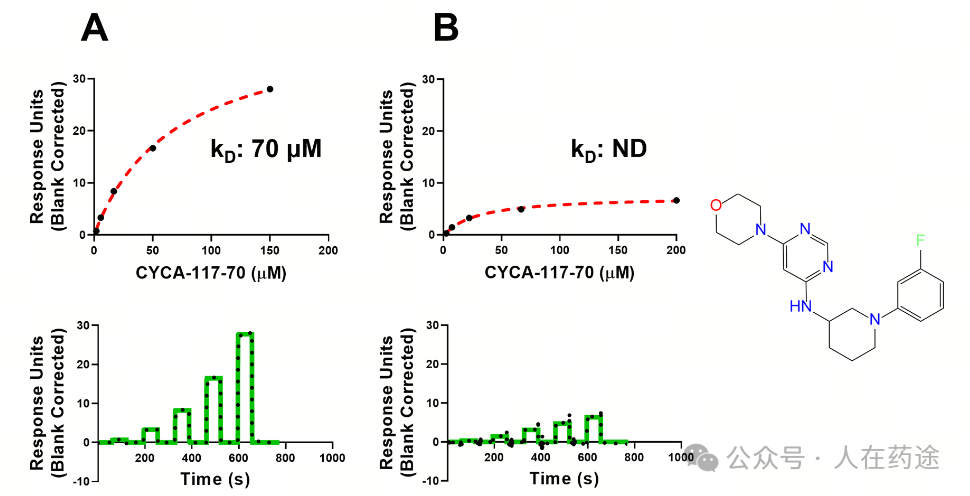
This article employed an AI-based drug-target interaction (DTI) prediction model, MatchMaker, combined with cheminformatics screening and molecular docking techniques to identify ligands for the WD40 domain (WDR) of DCAF1. Through virtual screening and in vitro experimental validation, an active compound CYCA-117-70 was discovered. The complex structure with DCAF1 WDR domain was resolved through X-ray crystallography, determining its binding mode.
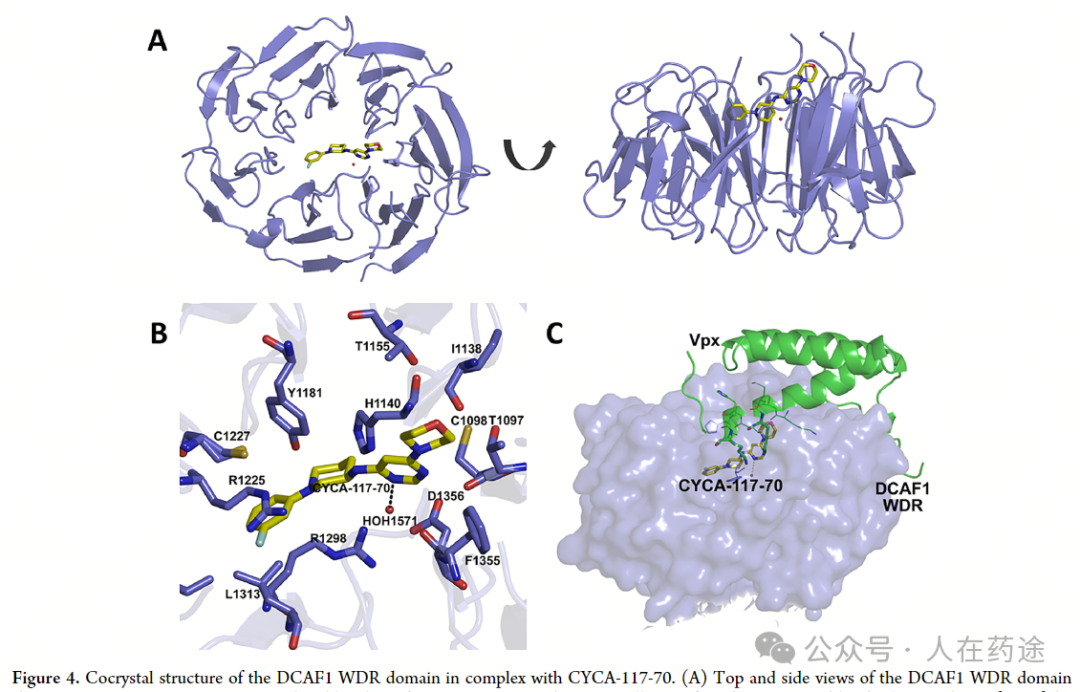
However, its activity is general, with a binding activity KD of only 70 μM for the DCAF1 WDR domain.
OICR-8268
A paper published by the University of Toronto in the Journal of Medicinal Chemistry (J. Med. Chem. 2023, 66, 5041−5060) reports the successful discovery of the first nanomolar DCAF1 ligand OICR-8268 by screening the DEL library of 114 billion compounds proprietary to X-Chem against the WDR domain of DCAF1, combined with structure-based drug design. Its SPR Kd value is 38 ± 1.5 nM, ITC Kd value is 278 nM, and it has good target binding ability in cells (CETSA EC50 = 10.5 μM), providing new possibilities for the development of DCAF1-based PROTACs.
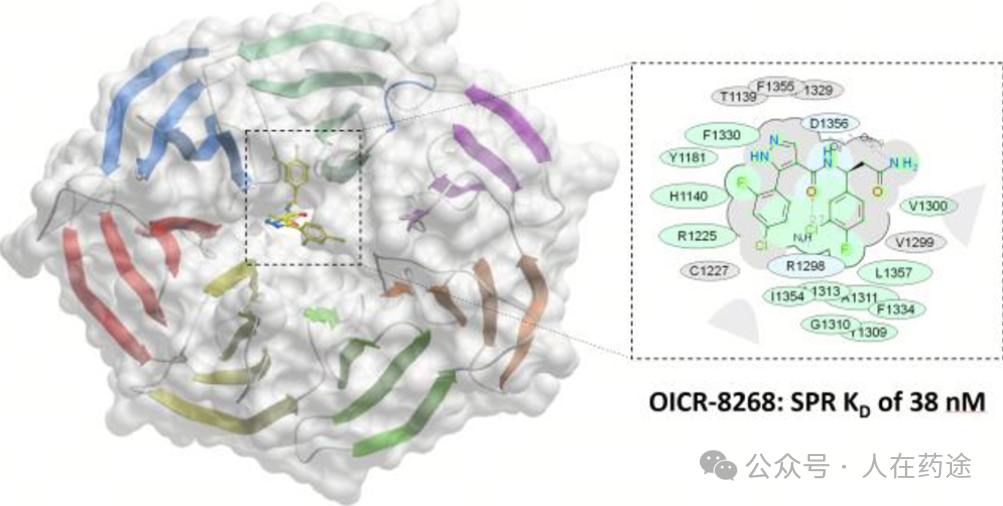
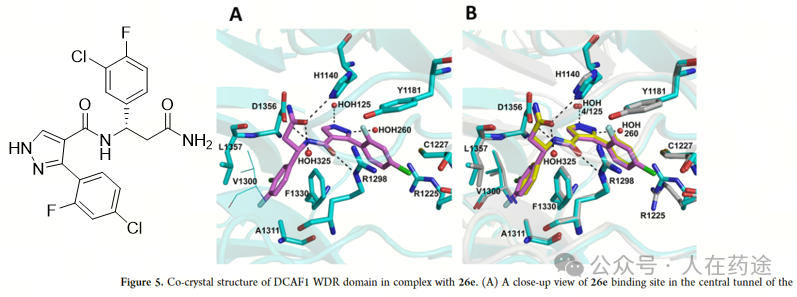
The researchers resolved the co-crystal structure of OICR-8268 with the DCAF1 WDR domain, confirming its binding mode and providing a structural basis for further optimization.
Cpd.13
The Novartis team also reported in ACS Medicinal Chemistry Letters their discovery of compound 13 based on pocket identification and lead compound discovery. Co-crystal structure analysis and structure-based drug design strategies led to the discovery of compound 13, with a Kd value of 31 nM measured by SPR, which can serve as a starting point for developing DCAF1-based PROTACs (ACS Med. Chem. Lett. 2023, 14, 949−954).
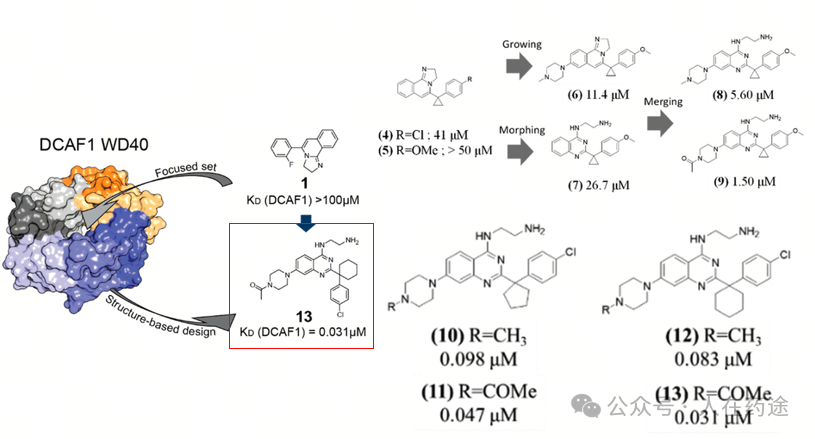
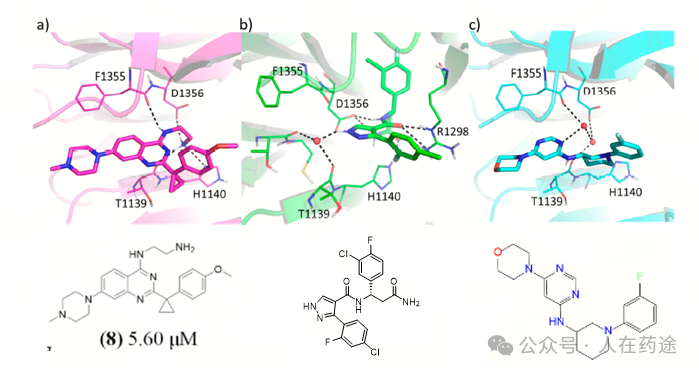
Interestingly, the article also summarizes the co-crystal structures of Cpd.8 with previously mentioned OICR-8268 and CYCA-117-70, revealing that these three compounds with different scaffolds exhibit similar binding modes. By comparing the binding modes of these compounds, guidance can be provided for further optimization of DCAF1 ligands.
The story does not end here. In this year’s Nature Communications, Novartis further reported the design of PROTACs based on Cpd.13, indicating that DCAF1 PROTACs are a promising strategy to overcome PROTACs resistance. DCAF1, being an essential gene, and its different cellular localization compared to CRBN and VHL, makes it an ideal target for developing a new generation of PROTAC molecules (Nat Commun 15, 275 (2024).).
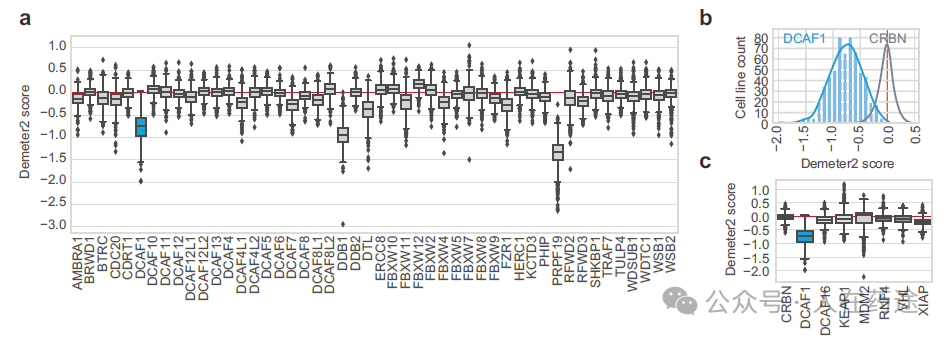
First, the article conducted gene dependency scoring of DCAF1 compared to other E3 ligase receptors, indicating that DCAF1 is an essential gene, while CRBN and VHL are not. Currently, most PROTAC molecules rely on these two E3 ligases, which face resistance issues in clinical treatments.
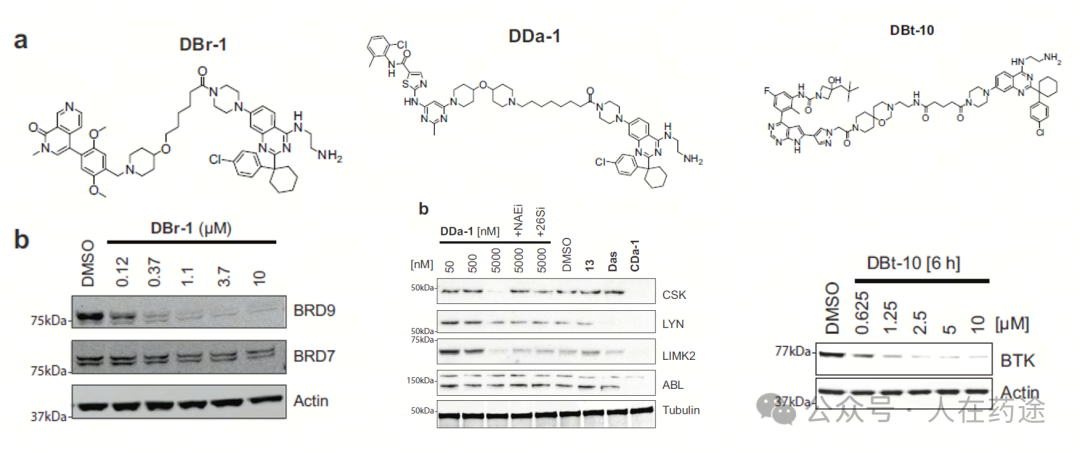
Next, the article utilized a non-covalent DCAF1 ligand, Cpd.13, to design DCAF1-BRD9 PROTAC (DBr-1), a PROTAC based on the tyrosine kinase inhibitor dasatinib (DDa-1), and DCAF1-BTK PROTAC (DBt-10), all of which exhibited good degradation activity.
Furthermore, researchers used CRBN-BTK PROTAC resistant cell lines to demonstrate that DCAF1-BTK PROTAC can effectively degrade BTK and inhibit cell proliferation, while CRBN-BTK PROTAC lost its activity. This indicates that DCAF1 PROTACs can overcome CRBN-mediated PROTACs resistance.
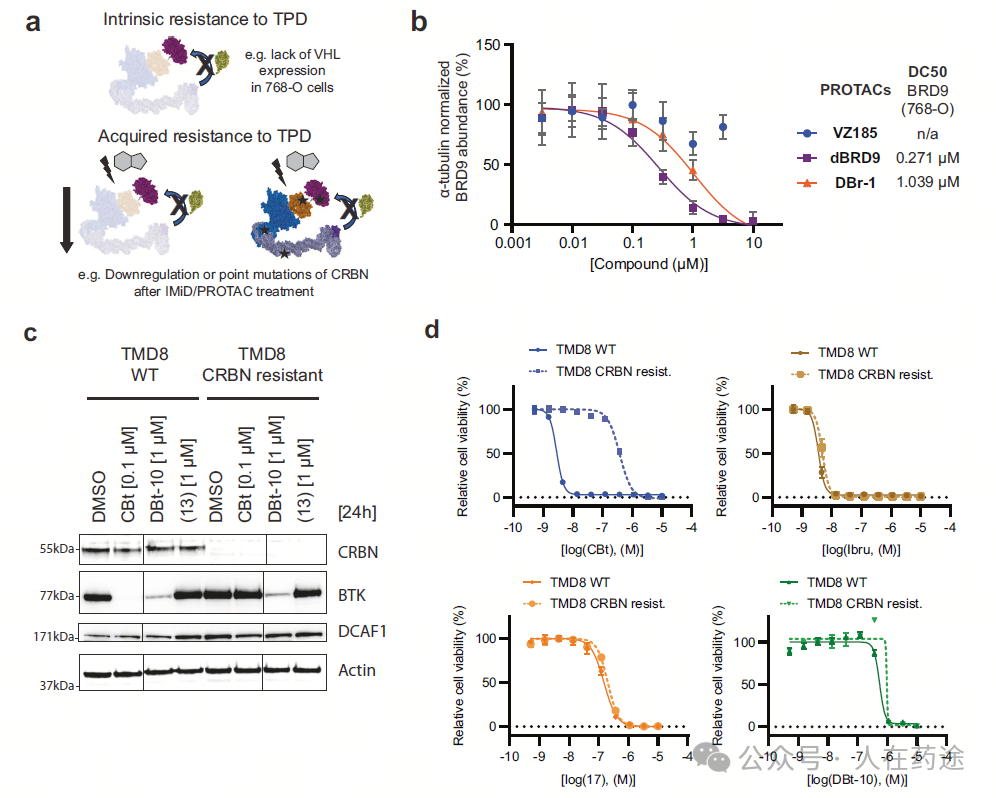
In summary, this study suggests that although the ligand structure and PROTAC activity still need optimization, DCAF1 PROTACs are a promising strategy to overcome PROTACs resistance. DCAF1, being an essential gene, and its different cellular localization compared to CRBN and VHL, makes it an ideal target for developing a new generation of PROTAC molecules.
Patent Information
Cullgen, Ruiyue Biotechnology
The main research direction of Ruiyue Biotechnology is to utilize its unique uSMITE™ technology platform to expand the company’s E3 ubiquitin ligase toolbox.
As early as 2022, Cullgen reported a DCAF1 small molecule ligand with a novel structural scaffold, patent WO2022194087A1.
However, the activity of this patent is not satisfactory. The representative compound has an affinity for DCAF1 of only Kd ≤ 40 μM (see below).
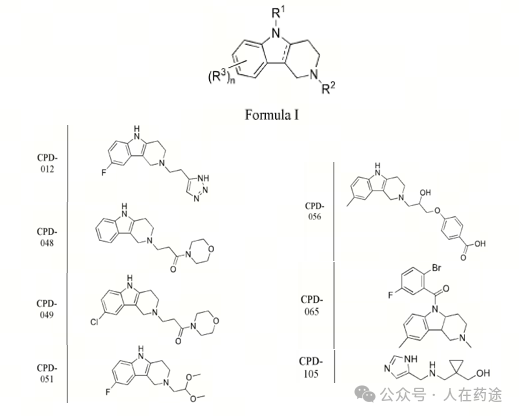
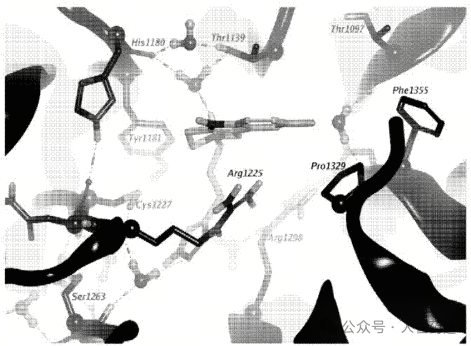
The patent also provides a co-crystal structure of a certain compound with DCAF1, indicating that it binds to the same pocket site as the three compounds mentioned above.
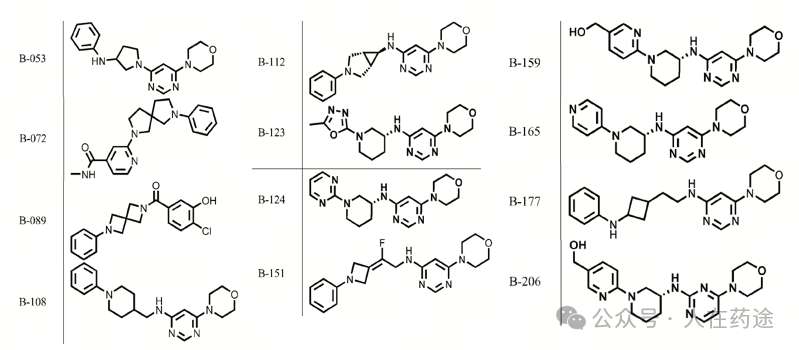
WO2024056077A1, Cullgen’s second patent. It is evident that the compounds designed in this patent reference the previously discovered CYCA-117-70 by Recursion.
The representative compound has an affinity of Kd ≤ 25 μM, which is an improvement compared to the previous patent. Like the first patent, it also has a co-crystal structure.
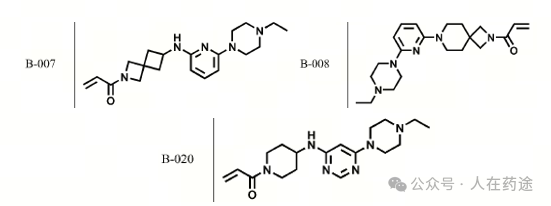
At the same time, the patent also mentions a class of covalent ligands for DCAF1 but does not provide their affinity for DCAF1.
Furthermore, the patent designed a series of PROTACs based on CYCA-117-70 and the multi-kinase inhibitor TL13-87, showing acceptable activity.
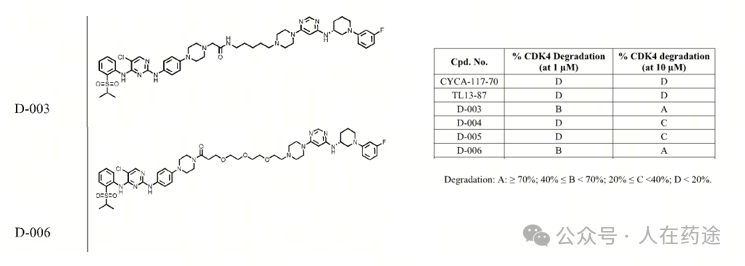
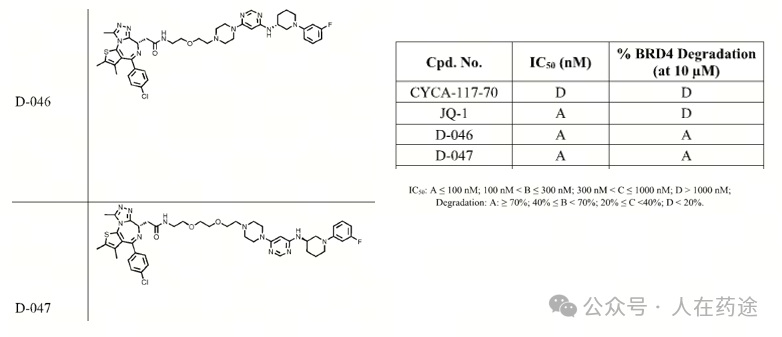
There are also BRD4 PROTACs based on the above, which show acceptable activity.
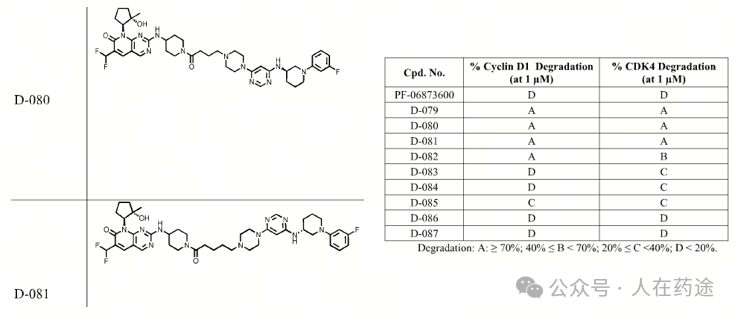
Additionally, a new CDK4 PROTAC was designed based on the CDK2/4/6 inhibitor PF-06873600, which has shown some improvement in activity.
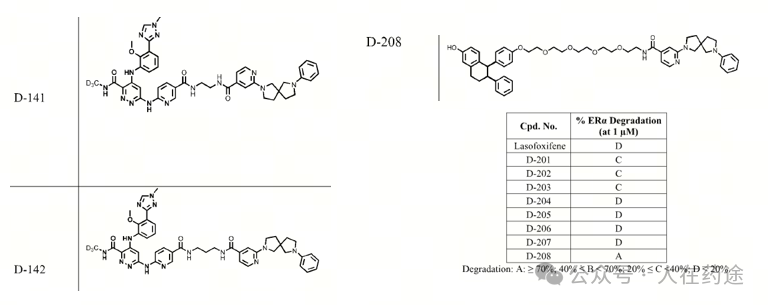
The patent also designed TYK2 PROTACs based on the newly designed DCAF1 ligand B-072 (activity not given) and ERα PROTACs (general activity).
This patent successfully achieves the concept validation of transforming CYCA-117-70 into PROTACs, but the affinity, degradation activity, and linker design of these PROTAC molecules in the patent are still far from achieving the expected drug-like properties. Subsequent developments by Cullgen in this regard are worth watching.
Kymera
WO2024092009A1, Kymera’s first DCAF1-related patent. The patent designed nearly a thousand DCAF1 ligand molecules. These molecules are divided into two categories: analogs based on CYCA-117-70 and analogs based on OICR-8268 (some are covalent ligand designs, but with general affinity). Some examples in the patent exhibit good DCAF1 affinity (Kd < 10 μM).
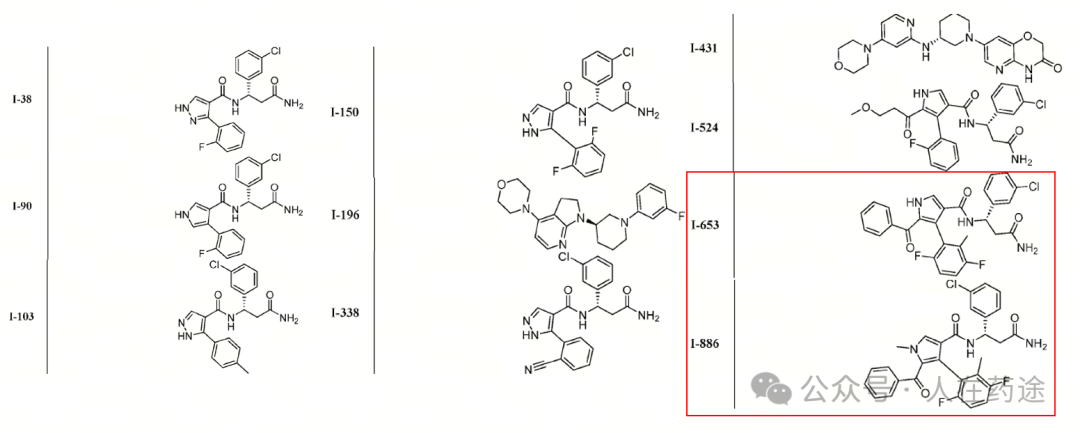
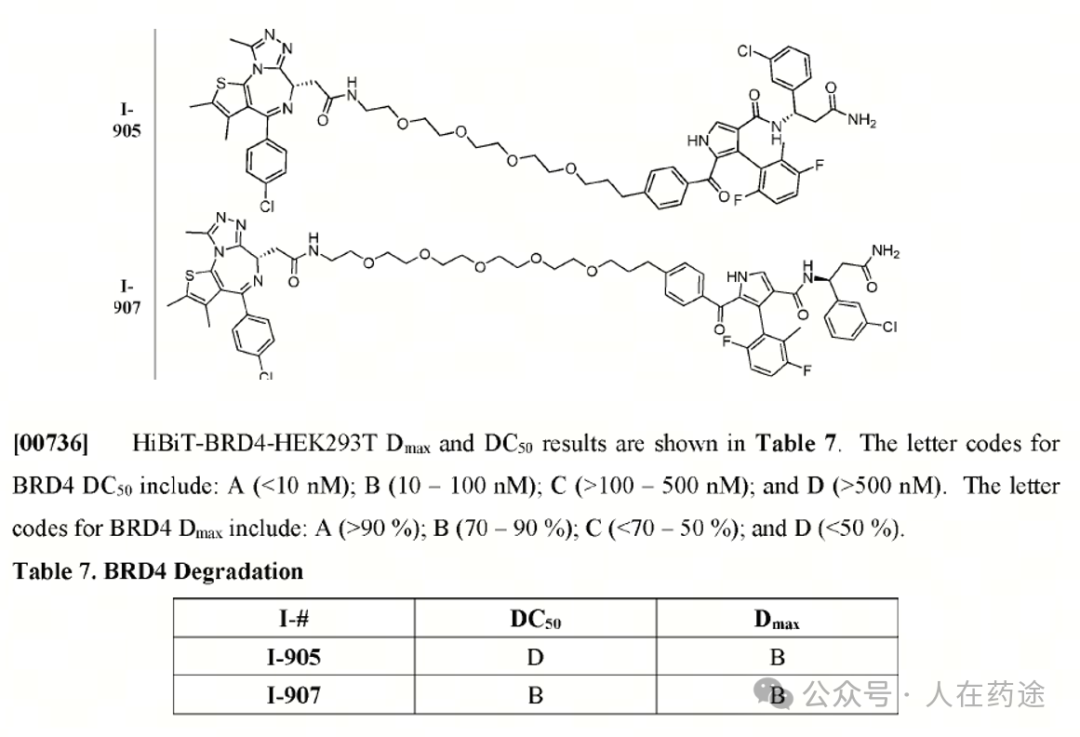
Furthermore, a series of BRD4-DCAF1 PROTAC molecules were designed based on the ligand molecule I-653. However, the patent only provided activity data for two examples. The optimal example, I-907, exhibits good degradation activity, achieving a DC50 of 10~100 nM and Dmax = 70~90%.
WO2024092011A1, Kymera’s second DCAF1-related patent. The patent designed 11 IRAK4-DCAF1 PROTACs. It is evident that the DCAF1 ligands in the patent are I-886 from the first patent. However, the patent only provides the affinity of the PROTAC with DCAF1 and does not provide data on these PROTAC molecules.
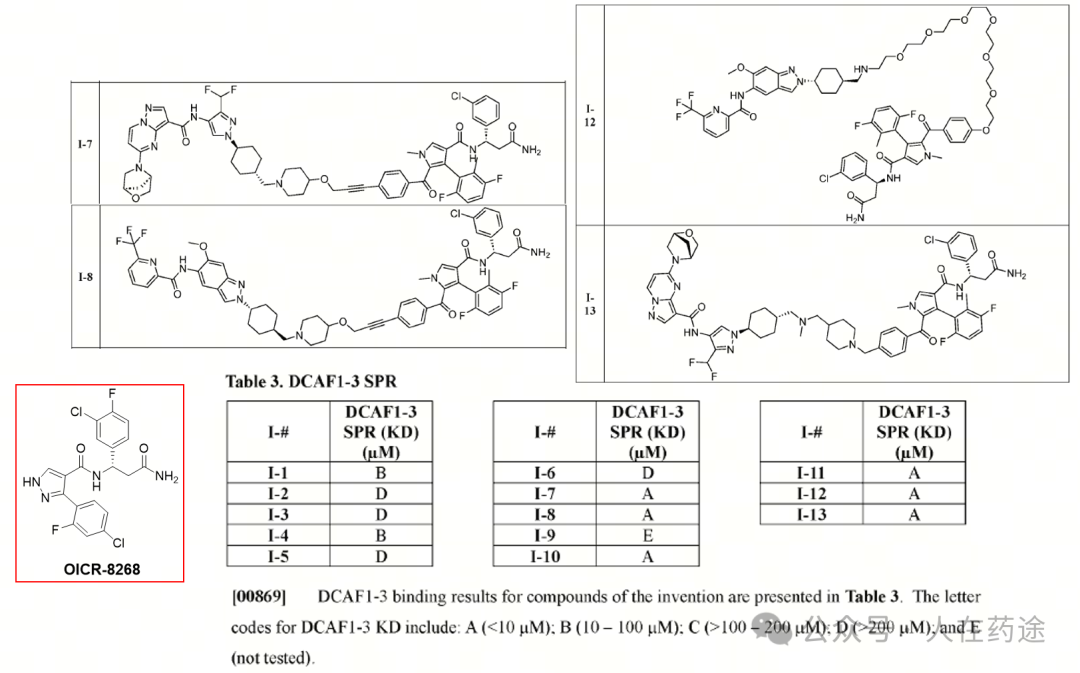
However, Kymera is currently hiding some activity data in the patent writing. Given that OICR-8268 has an affinity of 38 nM, the compounds derived from I-653 based on this should not have worse affinity than OICR-8268.
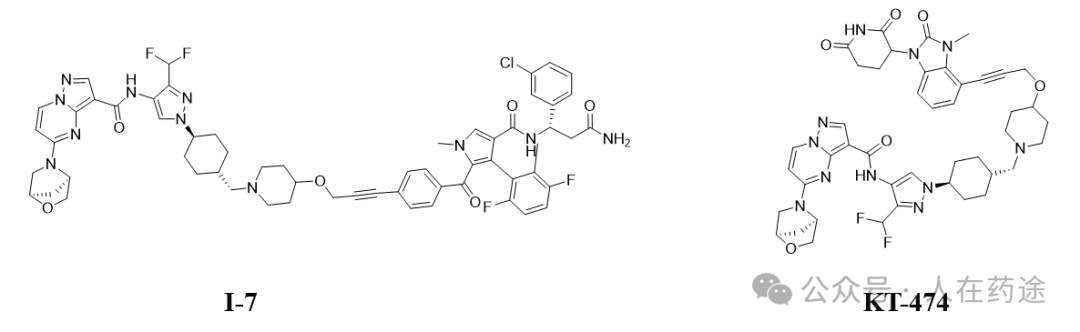
It is evident that I-7 in the second patent employs the same warhead and linker as Kymera’s clinical IRAK4 PROTAC molecule KT-474, differing only in the E3 ligand. Its drug-like properties are presumably guaranteed.
Final Thoughts
Overall, considering the essentiality of DCAF1 and its specific tumor/tissue distribution, it is expected to become a new development direction in the TPD field. At the same time, MY-11B, CYCA-117-70, OICR-8268, Cpd.13 and other structurally diverse DCAF1 ligands lay a foundation for developing DCAF1-based PROTACs and provide a good reference direction for future development of new DCAF1 ligands.
Meanwhile, Kymera’s DCAF1 PROTACs seem to exhibit good degradation activity and drug-like properties. Whether there will be new progress in the future is worth looking forward to.
As for other new E3 ligases, a detailed introduction will be made in the next article.
Disclaimer: The publication/reprint of this article is merely for the purpose of disseminating information and does not imply endorsement of the views of this public account or verification of its content’s authenticity. Any judgment made based on this content is at your own risk.If there is any infringement, please notify for deletion!
Long press to follow this public account
 Fan Group/Submissions/Authorization/Advertisement etc.Please contact the public account assistant
  If you find this article visually appealing, please click here↓