Recently, the Belgian helmet company Lazer launched the KinetiCore technology after years of dedicated development, along with multiple helmet models utilizing this new technology. Lazer claims that KinetiCore is the first fully integrated rotational impact protection technology. To understand this technology, one must first know why helmets need rotational impact protection, and why Lazer claims it is fully integrated.
MIPS
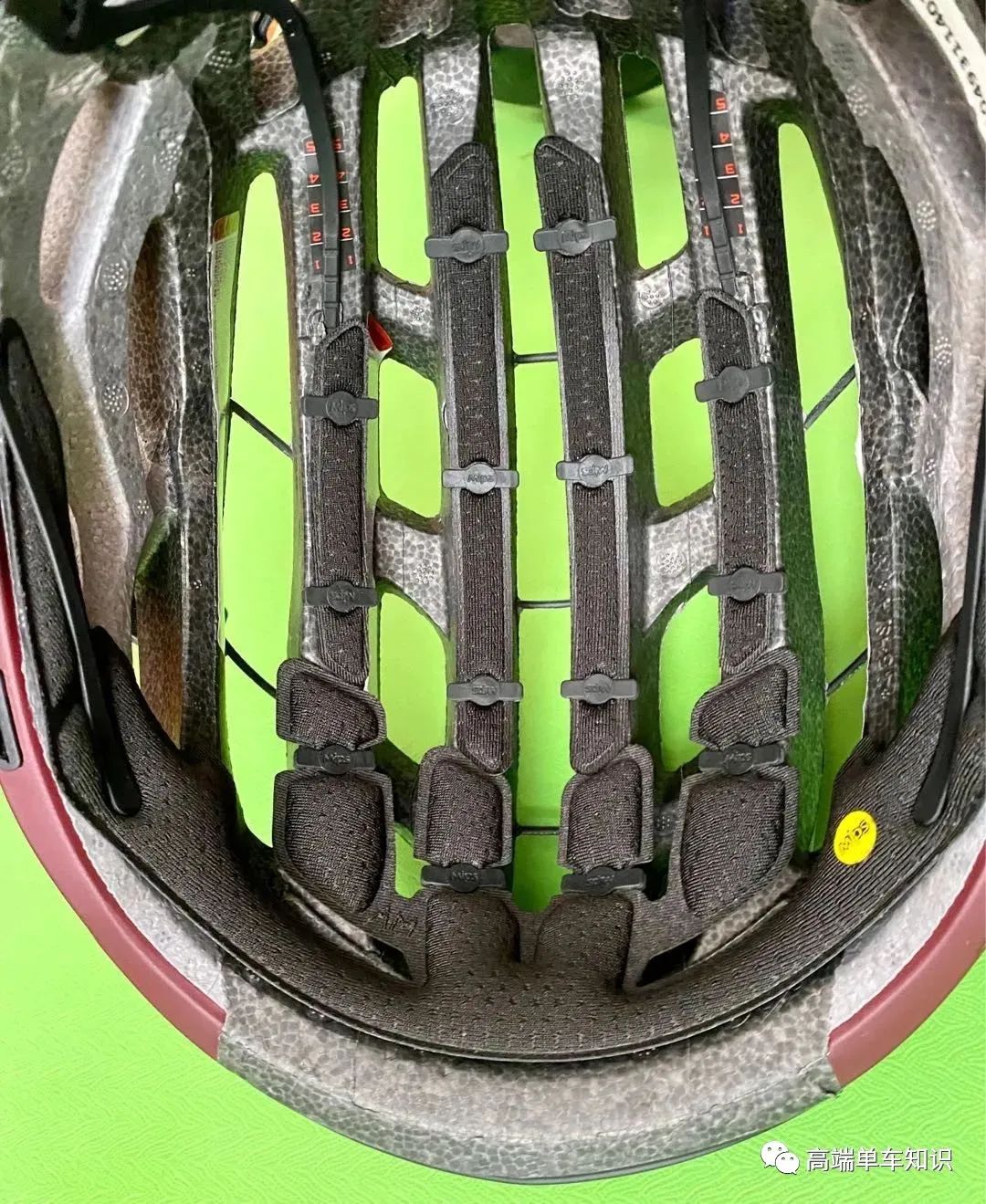
We must start with the most familiar MIPS. MIPS stands for Multi-directional Impact Protection System, developed in 1996. The first MIPS prototype helmet was tested in 2000. Initially, MIPS intended to manufacture helmets themselves, but now they only license the technology to other helmet brands. Its concept is very simple: ordinary helmets only provide vertical impact protection while neglecting rotational impacts caused by multi-directional impacts. Rotational movement combines rotational energy (angular velocity) and rotational acceleration, which together affect the brain and increase the risk of mild and severe brain injuries. Research shows that rotational impact is one of the main causes of brain concussions.
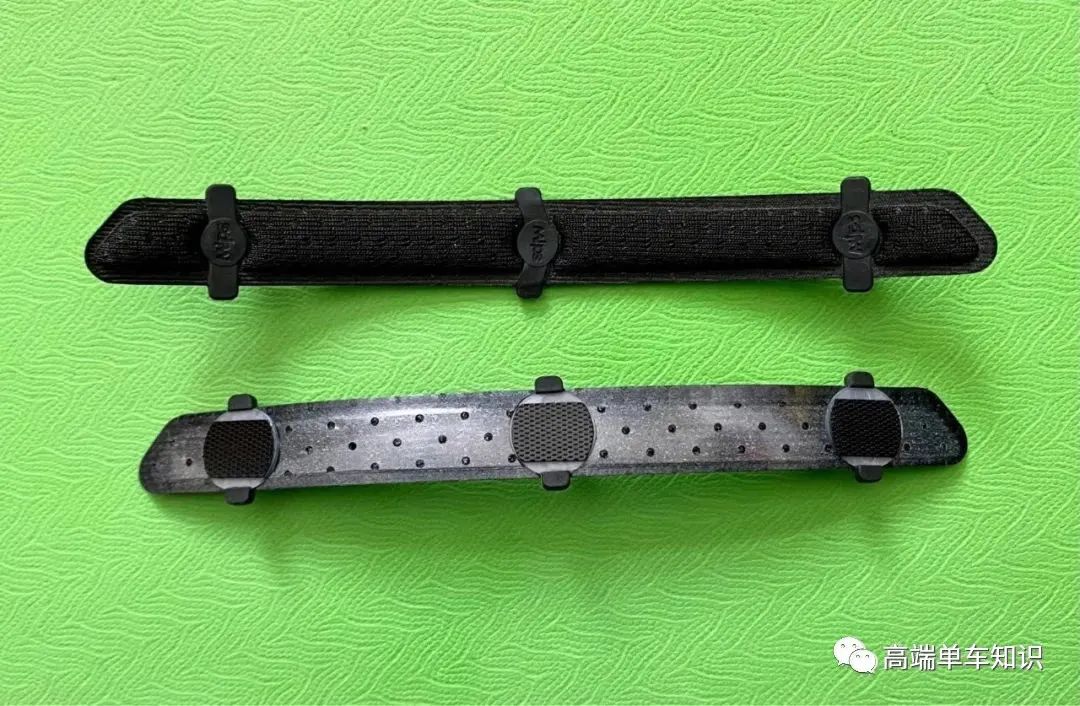
The MIPS Air slider, key to the low damping and fixed rubber anchor on the back
MIPS adds a low-friction layer inside the helmet, allowing the helmet padding to move 10-15mm in all directions. Do not underestimate this range of free movement; it can redirect energy and force back to the helmet rather than transferring it to the brain. Therefore, MIPS is essentially the “sliding plastic shell” or “plastic strip” inside the helmet, anchored to the helmet with rubber strips. It is very smooth with low friction, allowing it to slide in any direction relative to the helmet. MIPS has many variants, including MIPS Air, Evolve, and Essential used in bicycle helmets.
SPIN
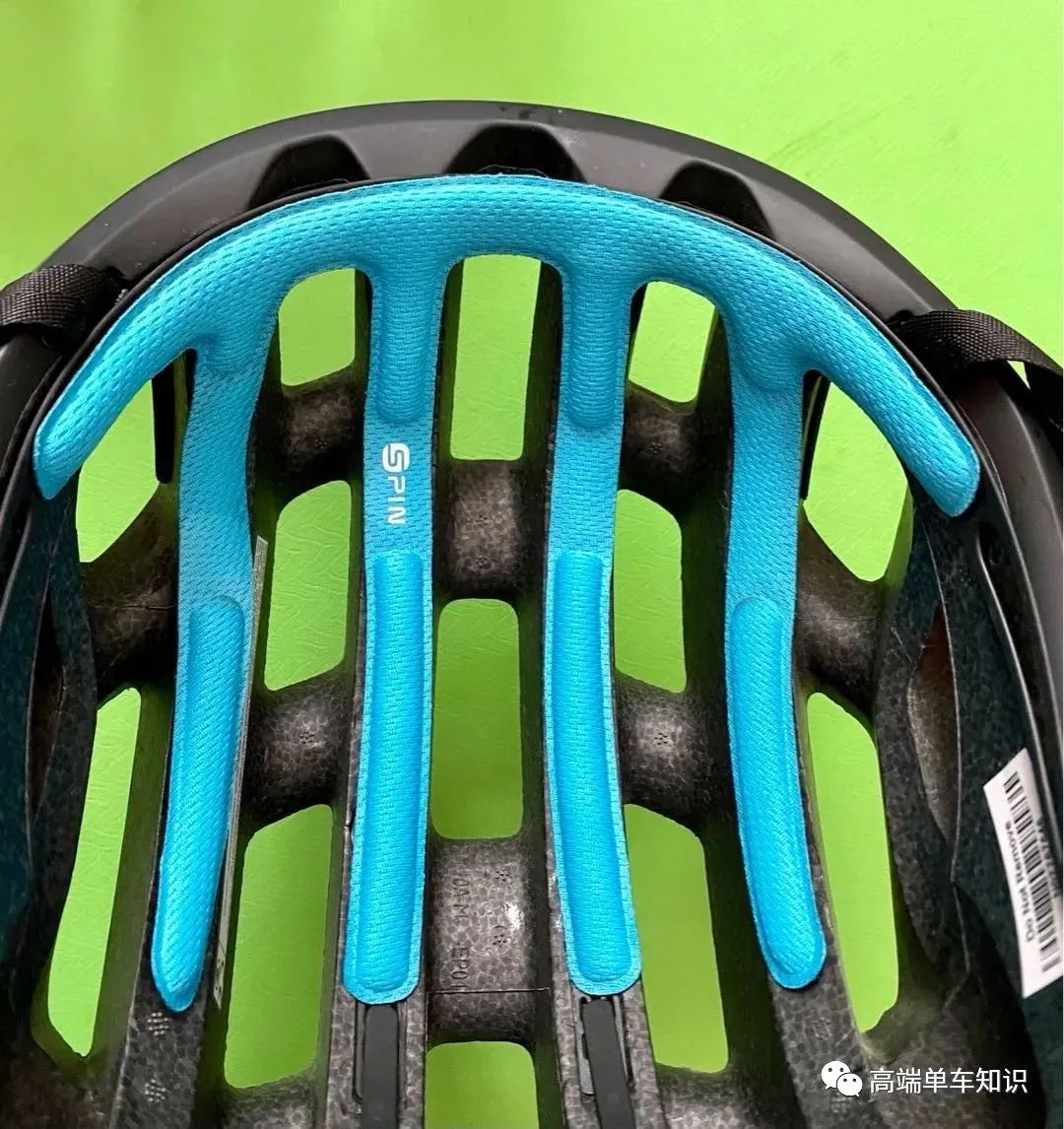
The blue padding is filled with silicone, allowing it to slide
Similar to MIPS, POC’s SPIN technology replaces the sliding strips with silicone padding, which can move in multiple directions, thus absorbing impact forces from any direction. Consequently, MIPS and POC have had long-standing patent disputes, which have now been resolved, and POC has begun to use MIPS technology.
WaveCel
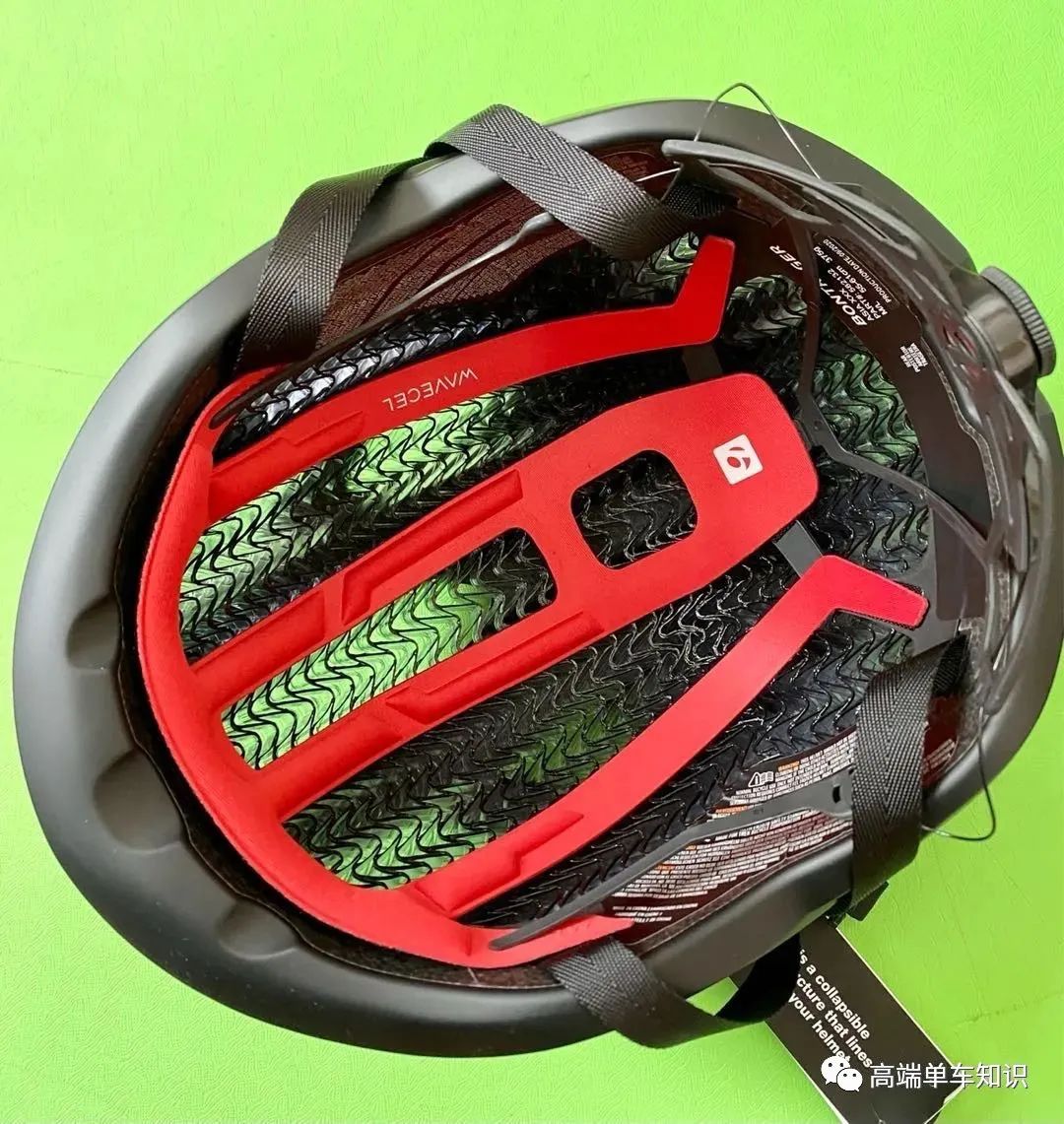
Bontrager’s WaveCel was called “the most significant bicycle innovation in 30 years” upon its release. It adds a honeycomb-like WaveCel layer inside the helmet. Unlike MIPS, which only slides, WaveCel can “bend, crumple, and slide”. Its design aims to combat all types of impacts, not just rotational impacts. WaveCel effectively thickens the helmet’s EPS foam, but it also significantly increases weight, which is why Bontrager still retains helmets that use MIPS technology.
KinetiCore
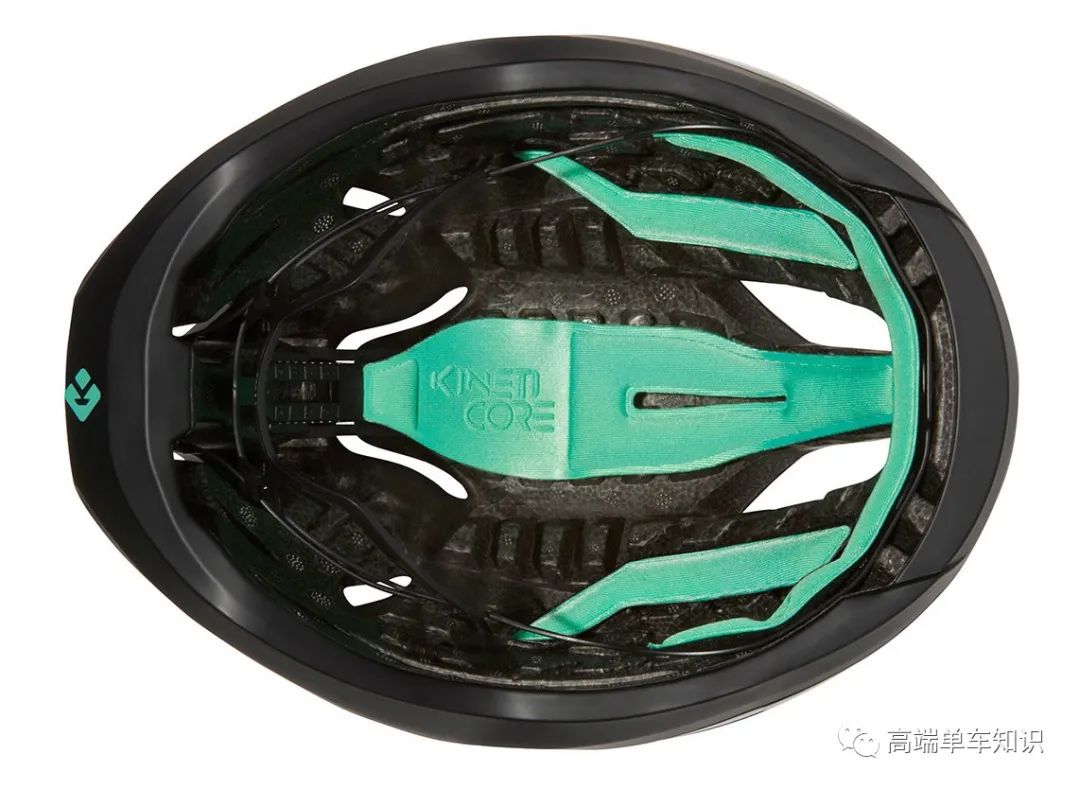
The first three technologies add structures within the EPS foam layer of the helmet, while Lazer’s KinetiCore does not. Helmets need to eliminate direct impacts and rotational impacts from falls to achieve optimal protection, but adding materials to helmets always brings down other performance aspects (such as weight, ventilation, comfort, etc.). KinetiCore eliminates the negative effects of adding extra materials while maintaining the highest levels of protection, performance, and comfort in helmets.
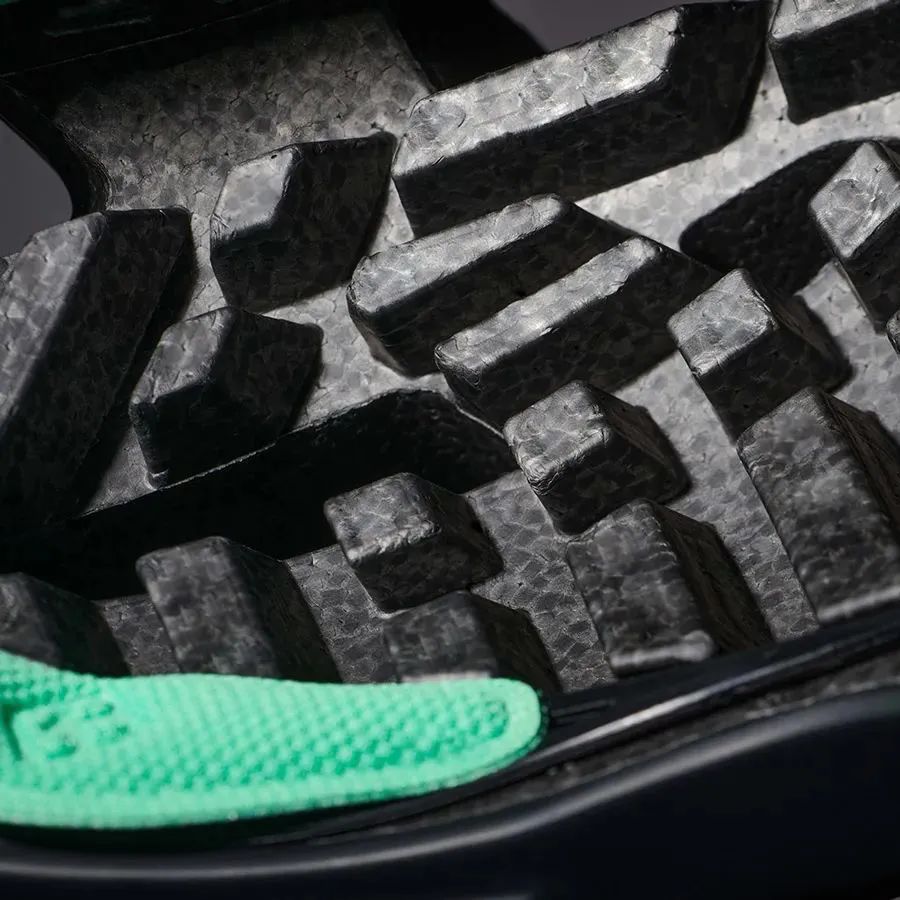
To combat rotational impacts, there needs to be some sliding between the head and the helmet. How does KinetiCore achieve this without adding extra materials? It creates a unique “crumple zone” in the EPS foam to eliminate all direct and rotational energy impacts on the brain during a fall. By carefully designing the shape of the helmet’s internal EPS foam, a series of raised small blocks (impact cushioning zones) known as controllable crumple zones can redirect energy from the head to the helmet in any form of fall. This streamlined design also reduces the amount of EPS foam used, thereby reducing the helmet’s weight. No added materials mean more ventilation, lighter weight, and comfort.
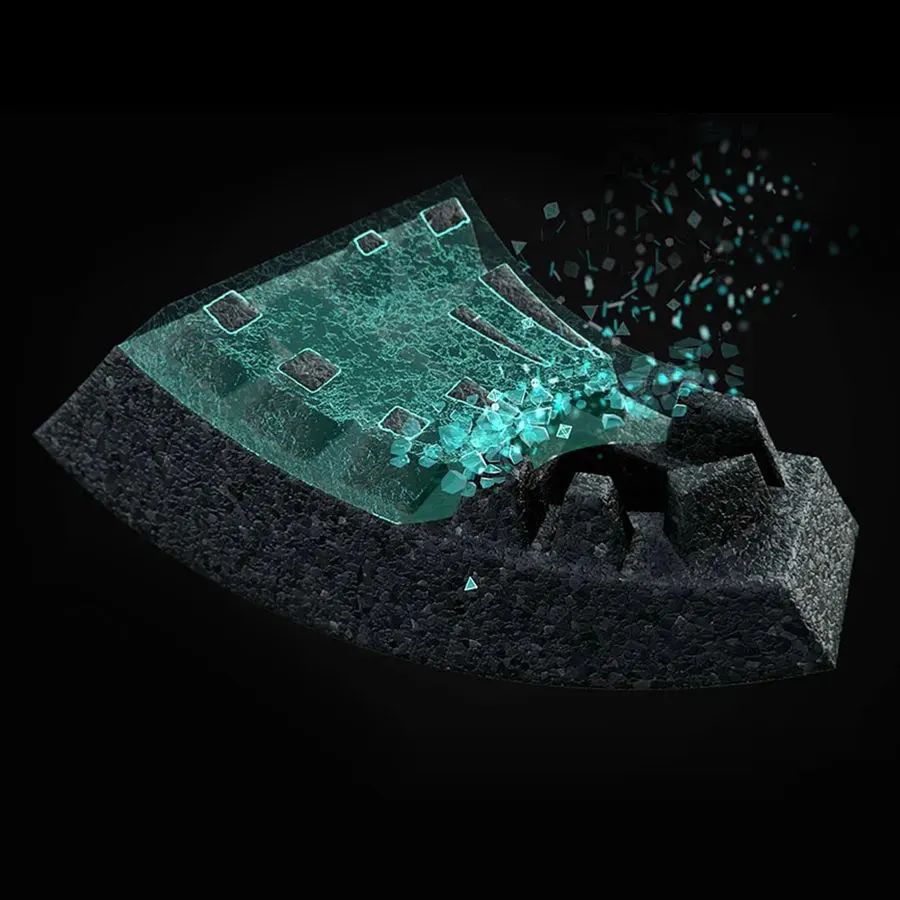
KinetiCore appears simpler than other rotational impact technologies, but designing the shape and arrangement of the EPS foam, and passing strict testing is not easy. KinetiCore does not add extra materials; it relies entirely on structural design, which is the most challenging aspect, requiring a series of raised small blocks to be able to “controllably bend and compress”. For this reason, Lazer has dedicated years of research. This is the world’s first fully integrated rotational impact protection technology while maintaining performance against direct impacts.
Can the EPS foam “crumple zone” return to its original shape after compression? This question is irrelevant; once a helmet has been dropped, it needs to be replaced. It has excellently fulfilled its mission and is worth the price.
Which technology is superior? It depends on the specific helmet; rotational protection technology is merely a bonus, while a helmet’s performance is determined by many factors.
Although they are all called MIPS, the differences are huge. Which one is better?
What are the differences between MIPS, SPIN, and WaveCel helmets? Please see the physical analysis.
How to improve ventilation by 20%, the S-Works Prevail II Vent’s mind-blowing design