The autumn wind has turned the rice golden, reddened the maple leaves, and ripened a tree full of winter jujubes. Winter jujubes have thin skin, crisp flesh, and a sweet fragrance, making them particularly enjoyable to eat. But do you think winter jujubes are just delicious?
 Eating three jujubes a day keeps you looking young for a lifetime
In China, the cultivation history of jujubes spans over 7,000 years, with documented cultivation history of at least 3,000 years. The survival of the fittest shows that ancient people loved jujubes, and there is a saying that goes, “Eating three jujubes a day keeps you looking young for a lifetime.”
1 Supplement Vitamin C, soften blood vessels

When it comes to the nutritional value of winter jujubes, one title is truly deserved: Vitamin C powerhouse. Despite their small and round appearance,the Vitamin C content reaches 243 mg/100g, which is about 60 times that of apples, 10 times that of lemons, and 4 times that of kiwis, making them the king of Vitamin C among fruits. The recommended daily intake of Vitamin C is 100 mg, so just one or two jujubes can meet the daily requirement.(This paragraph is excerpted from Dingxiang Doctor)
Vitamin C is one of the most needed nutrients by the human body, capable of providing antioxidant effects, enhancing immunity, and improving the utilization of iron, calcium, and folic acid. Vitamin C can alsosoften blood vessels, prevent hypertension, coronary heart disease, and arteriosclerosis, improve blood lipids, lower cholesterol, and reduce blood pressure.
Eating a handful of fresh jujubes (about 40g, or 3-4 pieces) daily can basically meet our daily Vitamin C needs.
2 Detoxify and nourish the liver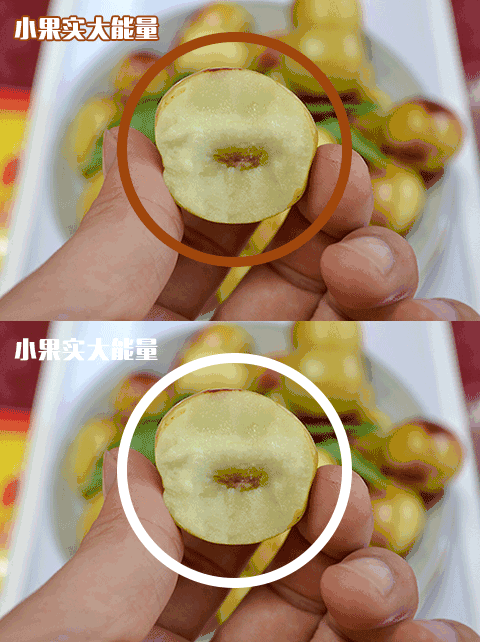
Winter jujubes are sweet and slightly warm in nature, benefiting organs such as the liver and spleen. They can reduce the damage of various chemical drugs to the liver, so patients with chronic hepatitis and early cirrhosis often consume winter jujubes, which can also play a certain auxiliary therapeutic role.
3 Supplement energy, nourish blood, and calm the mind
Traditional Chinese medicine believes that jujubes are sweet and warm in nature, capable of supplementing energy, nourishing blood, calming the mind, and strengthening the spleen and stomach. Patients who are weak after illness, those with anemia, and women who often have cold hands and feet in winter can use jujubes to regulate their bodies.
4 Supplement energy, nourish blood, and calm the mind
Modern research shows that fresh jujubes contain various beneficial components, such as flavonoids and phenolic compounds that can scavenge free radicals and delay aging; triterpenoids can inhibit cancer cells and enhance immunity.Winter jujubes can also lighten existing spots and pigmentation and improve skin tone, and are often used clinically for skin whitening.
5 Prevent constipation
Jujubes are rich in dietary fiber, which greatly helps improve intestinal activity and prevent constipation. There is also a saying that goes, “Eating jujubes every day means fewer visits to the doctor,” so during the jujube harvest season, it’s a good idea to eat more fresh, sweet, and crispy jujubes!
6 Prevent and treat osteoporosis and anemia
Winter jujubes are rich in calcium and iron, which play an important role in preventing osteoporosis and anemia.Middle-aged and elderly people often experience osteoporosis during menopause, while adolescents and women at their peak growth and development are prone to anemia. Jujubes can have a very ideal dietary therapy effect for them, which is usually unmatched by medications, and they are also beneficial for those who are weak after illness.
Two ways to eat, better than ginseng
In the golden autumn season, eating a few fresh jujubes every day is the best for health! Fresh jujubes have a very short supply time and are not easy to store, so take advantage of the season when they are available and eat more!
1
Fresh jujubes: Best eaten raw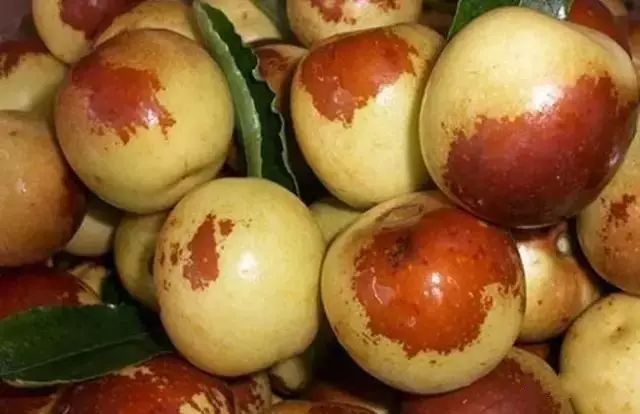
Eating fresh jujubes raw is beneficial for nutrient absorption. It should be noted that eating too many fresh jujubes may cause bloating.
Reminder:Generally, winter jujubes have a calorie content of 105 kcal/100g, which is similar to rice (116 kcal/100g), and it takes about 4,000 steps to burn off 100 kcal. 100g of winter jujubes is approximately six to seven medium-sized pieces, so it is advisable to eat one or two handfuls (no more than 10 pieces) daily.
2
Dried jujubes: Cooked in porridge or soup
Although the vitamin content of dried jujubes decreases, the iron content increases, and their nutrients are more easily absorbed, making them more suitable for dietary therapy. The greatest effect of red jujubes is to replenish blood, which means to supplement the loss of qi and blood.
Dried jujubes are suitable for cooking in porridge or soup, which helps release their nutritional components.
Red jujubes boiled with eggs: Nourishing blood and beauty
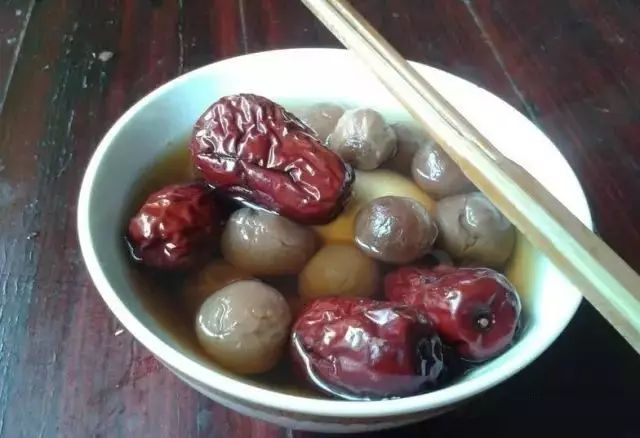 Boil red jujubes with longan in brown sugar water, and when the jujubes are soft and the longan is tender, crack an egg into the pot; continue to cook on low heat until the egg is done. Red jujubes, longan, and brown sugar all have blood-nourishing effects, and the boiled egg is very nourishing.
Red jujubes soaked in water: Nourishing the liver and detoxifying
A detail in soaking red jujubes determines the effectiveness of their benefits. The skin of red jujubes is tough and hard to digest; if soaked whole, it is difficult to fully extract their effective components. Therefore, it is best to break them open before soaking. It should also be noted that fresh red jujubes should not be soaked or boiled, as their high Vitamin C content can be severely damaged by hot water.
Red jujubes brewed as tea: Nourishing qi and protecting the throat
Roasted red jujubes brewed as tea can treat stomach cold and stomach pain. If longan is added, it becomes a tea for nourishing blood and qi, suitable for teachers, salespeople, and others who frequently use their voices.
Red jujubes cooked in porridge: Calming the mind and aiding sleep

In traditional Chinese medicine, women with symptoms of irritability, anxiety, and restlessness can use a suitable amount of lily and lotus seeds combined with red jujubes for regulation. Cooking them with millet can better enhance the calming effects of red jujubes.
Red jujubes soaked in liquor: Keeping blood vessels clear
During the soaking process, the nutrient-rich organic compounds are more easily dissolved in the liquor, which has a certain effect on keeping blood vessels clear.
Tips for selection
Fresh jujubes are great, but when purchasing, it’s best to be cautious to avoid buying artificially ripened fake winter jujubes.
There have been news reports stating that unscrupulous individuals soak inferior jujubes in sodium saccharin and warm water to produce visually appealing fresh jujubes.Sodium saccharin is harmful to human health, so when purchasing fresh jujubes, be sure to keep your eyes open.

Check the color:Winter jujubes are not necessarily better if they are redder. Generally speaking,jujubes that are red-green or red-yellow mixed, with no clear boundary between the two colors, and distributed in a scattered manner, usually have a better taste.
Jujubes soaked in saccharin are often dark rusty red, and the red-green boundary is very clear.
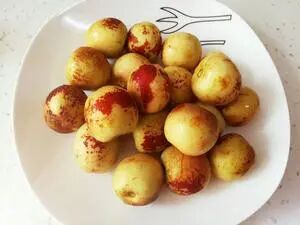
Check the firmness:Fresh winter jujubes should be round and smooth-skinned.Jujubes that feel hard and firm have plenty of juice inside and will be crisp and refreshing to eat; if they feel soft and sticky, be cautious as they may be saccharin jujubes.
Check the taste:Good winter jujubesshould be sweet, fragrant, and crispy, with an even sweetness; if they taste sweet on the outside but the flesh is not sweet, or even bitter, they may not be naturally ripened winter jujubes.
Four types of people should eat less 1Those with excessive phlegm and dampness
Such individuals often exhibit thick and greasy tongue coating, sweet or greasy mouth, poor appetite, and often feel bloated in the stomach. In severe cases, they may experience dizziness, nausea, vomiting, and swelling of the eyelids and face.
The cloying nature of jujubes can easily promote dampness, making it difficult to eliminate phlegm and dampness from the body, thus worsening discomfort. Occasionally eating one or two for a treat is fine, but eating them daily is not advisable. People with this constitution are more suited to eat foods that strengthen the spleen and eliminate dampness, such as coix seed, red beans, yam, and loofah.
2Those prone to internal heat
These individuals have a hot constitution and often experience symptoms of constipation, bad breath, and sore throat and gums. Since jujubes are sweet and warm in nature, consuming them in large quantities is like adding fuel to the fire.
3Patients in the early stages of a cold
In the early stages of a cold, the invading wind-cold or wind-heat is at its peak. If jujubes are consumed at this time, their sticky nature can often lead to the retention of pathogenic qi, resulting in the consequence of “closing the door to the enemy,” making it difficult to expel the pathogenic factors from the body, which is not conducive to recovery.
4Diabetic patients
Jujubes contain a high sugar content, which can raise blood sugar levels in diabetic patients, worsening their condition. Therefore, those with high blood sugar should not eat too many jujubes.
It is indeed the season for fresh jujubes to be on the market. Eating six to seven pieces daily is more nourishing than ginseng. Hurry to the fruit store to buy some; it would be a pity to miss out!


Important Reminder: WeChat has undergone a major revision, and to avoid losing contact, please set “Health Maintenance Without Seeking Help“as astarred⭐, thank you all!