The Virtualization of Reality andThe Turn to Realism
China Literature and Art Criticism, 2024, Issue 4
Li Yangquan
With the development of media technology, virtual reality has become well-known and experienced by people, such as various VR games. Correspondingly, the deep normalization of the internet and virtual space has led to an increasingly prominent tendency towards the virtualization of reality. The virtualization of reality has become the social context and media background for the development of literature and art, objectively impacting traditional realist propositions. Literary depiction continuously escapes from real existence, turning towards the exploration of various possible worlds, focusing not on what the world is, but on how the world is possible; literature and art seem no longer to represent reality, as various subcultures and popular arts shift towards the virtual world, reflecting a detachment from reality. In this context, realism faces a legitimacy crisis: what kind of reality does literature represent? How does it express reality? And how does it intervene in reality? These have become prominent questions.
1
What is Reality: Virtual is Reality
The rise of virtual reality prompts people to rethink what reality is. With the virtualization of reality, a common phenomenon is that people seem increasingly immersed in the virtual world while detaching from everyday reality. Japanese scholar Hiroki Azuma once used the animated television show “Neon Genesis Evangelion” to illustrate the psychological phenomenon of “otaku.” In a fictional planet, facing a real human female who is still in frozen sleep and a female robot as a substitute, the male protagonist faces a difficult choice. The robot, although a fake, is very attractive and can fully project emotions. On the other hand, the real opposite sex requires abandoning long-held feelings for the character. This reflects the common sentiment of the younger generation in the context of virtual reality; for them, the virtual seems more real: “Even though they know it’s fake, they are willing to be deceived”—this phenomenon, similar to what Zizek describes as a cynical ideology, is a noteworthy trend in contemporary life. The authority of lived reality is being lost; this is a world of substitutes, and furthermore, real reality is seen as a symbolic construct, perceived as an illusion of itself.
However, this does not mean that contemporary literature and art have completely escaped reality. Understanding reality should avoid a naive realism model. Pessimistically believing that the symbolic system no longer points to reality, but rather to the disappearance of reality, actually presupposes an uncoded “original reality.” From a perceptual standpoint, reality is always virtual; all reality must be communicated through symbols. We can call this “reality is virtual.” In the face of virtuality, we always try to return to the so-called pure reality, this ontological nostalgia is actually an ideological illusion.
Furthermore, virtual reality cannot be equated with hallucination; it is not purely fictitious but has its own reality. According to Dutch scholar Maarten Moer, the essential difference and advantage of virtual reality compared to film, theater, and television lies in its embodiment in cyberspace: “It is this embodiment that ensures that virtual reality is not only part of the mental and imaginative world but can also be physically felt. From a phenomenological perspective, the authenticity of virtual reality experiences is no less than that of our daily life experiences.” This is also a type of “being in the world.” In this sense, we can say that “virtual is reality.” Virtual reality does not make reality disappear; it is another unfolding of reality, expressing the virtual existence of the network society, which is the “new reality.” From the perspective of new reality, contemporary literature and art have not completely detached from reality but directly or indirectly present this new reality, which is mainly reflected in three aspects.
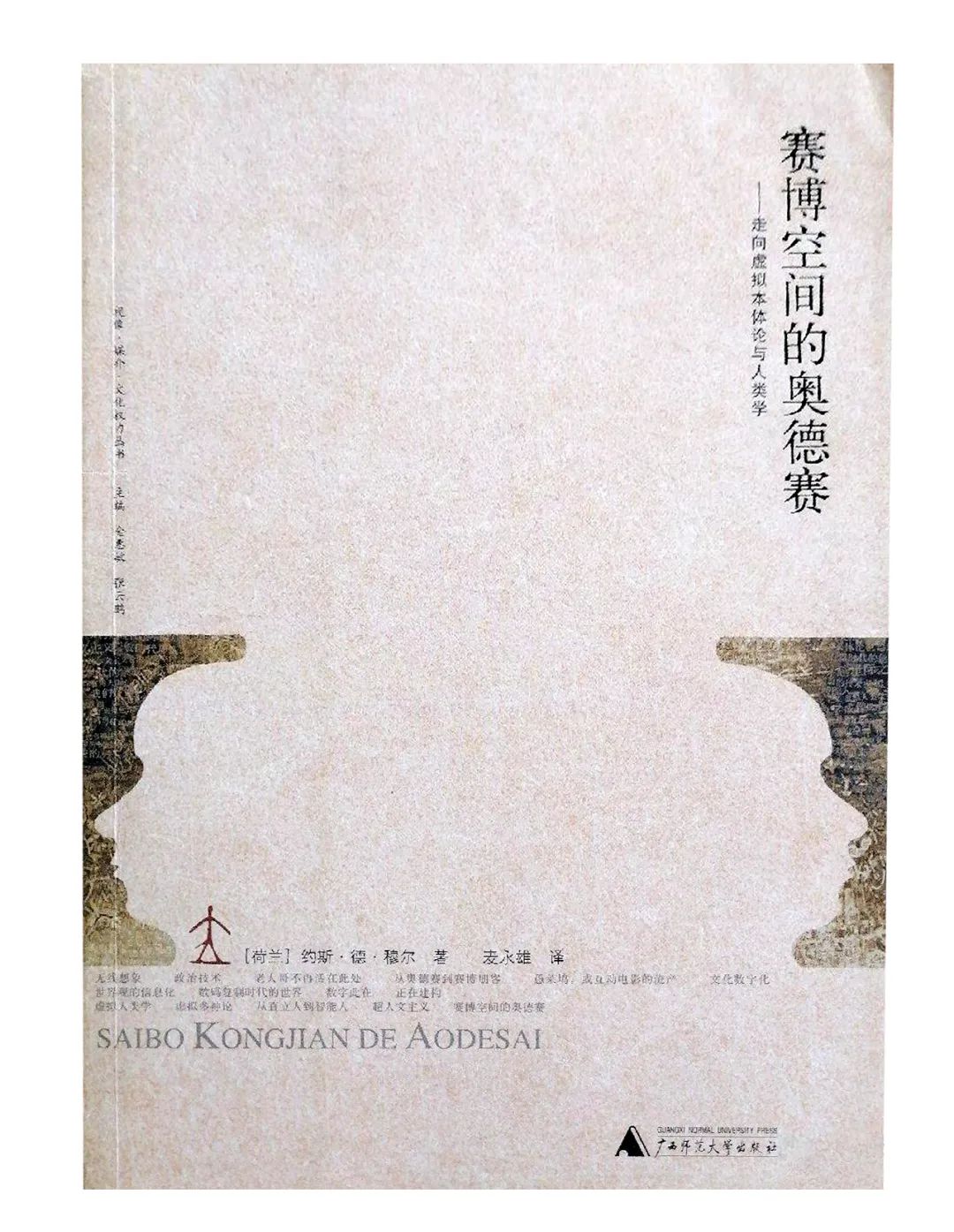
△[Netherlands] Jos de Moor, “Odyssey in Cyberspace: Towards a Virtual Ontology and Anthropology”
First, the experiential reality of virtual reality. Currently, virtual reality experiences mainly occur in games, and through gaming intermediaries, some literature expresses virtual reality. For instance, various online games authentically record players’ immersive explorations in the game world and their interactions with systems, players, and NPCs, possessing digital anthropological significance: “In an existential sense, being able to change one’s appearance, to play with a fictitious social gender and ethical background, to achieve electronic representation, to possess magical powers, or to be reborn from death repeatedly—what does all this mean?”
Second, the networked daily life. The virtualization of reality is not only manifested in virtual reality but also in the internal transformation of human daily life by the internet. Compared to virtual reality, these online lives are more normalized and realistic, which is also reflected in popular literature. For example, the rise of chat group novels, dialogue novels, forum novels, live broadcast novels, and joke literature in online literature reflects the daily reality after the rise of social media and short videos.
Third, the reality of networked desire. If the first two types of reality carry objectivity, the reality of networked desire carries subjectivity, mainly referring to the psychological reality presented by individuals online. After the rise of the internet, people’s desires have been unprecedentedly released online. Moreover, big data has externalized people’s unconscious desires, as countless online traces lay bare the unconscious; this inward-outward reversal makes humans, in a sense, become “external subjects,” also rendering this subjectivized psychological reality objective. People have transitioned from what Aristotle described as political animals to data animals. The reality of networked desire is fully expressed in contemporary popular literature, where various so-called historical time-travel literature, breeding literature, harem literature, and domineering CEO literature cater to the direct and naked desires of literary consumers.
From the above literary depictions, the reality presented under the background of virtual reality exhibits three characteristics.
First, the artificiality of reality. Literature and art are no longer limited to traditional natural or social realities but begin to focus on artificial realities. Virtual reality, virtual space, virtual items, virtual characters, and virtual interpersonal relationships have become important aspects. The rise of two-dimensional culture has further intensified this trend.
Second, the plasticity of reality. In the context of virtual reality, reality transitions from solid rigidity to liquid fluidity; reality becomes a workshop that is continuously reshaped, with the reorganization and mixing of realities becoming the focus of literary depiction. Many online literary works depict protagonists exploring worlds or altering history in different times and spaces, reflecting the plasticity of reality.
Third, the transgressiveness of reality. As virtual reality and cyberspace generate alternative and substitute realities, people’s lives traverse multiple realities, and the transgressiveness of reality becomes a prominent phenomenon; various depictions of time travel and parallel worlds are related to this. Transgressiveness is also reflected in the fact that fictional worlds begin to overflow into real life, with two-dimensional virtual scenes migrating to three-dimensional real life, such as various cosplay and pilgrimage activities. Due to this emergence of transgressiveness, the virtual world begins to become a simulation object of lived reality, where virtual experiences are prior, original, or arguably more real, while experiences in real environments become its simulacrum.
These new realities and their characteristics are aspects that traditional literature has rarely addressed, reflecting new developments in literature and art. Currently, these depictions are mainly limited to subcultures and online literature, and they have not yet become the conscious writing pursuit of writers; rather, due to the survivability of the internet, the existence of the network society unconsciously permeates this new reality into the written word. This also renders online popular literature a binary structure: on the surface, it appears as various clichéd stories, but at a deeper level, it embodies the new reality of the internet. Therefore, we should recognize that contemporary popular literature is not necessarily the “detachment from history” and “detachment from society” that people often criticize; it may instead reflect the cultural changes and social symptoms of the network society at a deeper level. Focusing on these new realities and expressing the living conditions of the network society should become an active pursuit of realism in the context of virtual reality.
2
How to Depict Reality:
Presenting Physicality through Fictionality
The characteristic of realism lies in its truthful depiction of social reality, even pursuing scientific-style detail accuracy; however, the vitality of realism also lies in its continuous absorption of new techniques. For instance, 20th-century realism integrated many techniques from modernism. For realism in the context of virtual reality, it can still maintain its realism, but with the emergence of “new realities,” it can also adopt some new artistic expressions, among which the most prominent is fictionality.
“Fictionality” is a technique that began to gain popularity with the rise of online novels; initially, it referred to a vague summary of the whimsical writing style of online novels. For example, early scholar Zhang Yiwu, who focused on “fictionality,” explained: “Recently, our literature has undergone a remarkable change, one important trend is the emergence of a large number of supernatural, fantasy, and paranormal novels. These novels possess a kind of ‘fictionality’ that deserves our high attention. The so-called ‘fictionality’ is to create a world completely different from the present world.” Zhang Yiwu’s explanation is basically synonymous with another vague term at the time, “fantasy.” While affirming this writing style, Zhang Yiwu believes it is detached from history and society. Scholar Tao Dongfeng harshly criticized fictionality in the article “Fictional Literature and a Fictional Generation,” arguing that there are two types of “fictionality”: one refers to writers adopting surreal writing styles, but the works have not “escaped reality”; the other type of “fictionality” is “ontological ‘fictionality,'” which is a “complete escape from social history.” Clearly, people have noticed this unique writing style that is on the rise but believe it distances itself from realism.
Such an understanding of “fictionality” is reasonable; online literature’s fictionality evidently carries a tendency towards nonsensical writing. However, it also contains noteworthy new factors. Japanese scholar Otsuka Eiji proposed the concept of “anime realism,” which can provide us with some relevant references. Anime realism, as opposed to traditional Japanese realism (naturalistic realism), is described by Otsuka Eiji as depicting the world of anime, marking a revolutionary shift. Relatedly, the characters do not exist in real society but appear in the anime world; in other words, characters are no longer flesh-and-blood humans but fictional (symbolized) roles. Anime realism not only differs from pure literature but also from fantasy and science fiction; while fantasy and science fiction also depict non-reality events, they fundamentally do not differ from realism in their relationship with reality. For instance, both fantasy and science fiction pursue strict settings, whereas anime realism adopts the exaggerated, distorted, and non-compliant representations of anime characters with natural and social laws.
It is apparent that the fictionality of Chinese online novels shares similarities with the anime realism described by Otsuka Eiji. In my view, the emergence of this technique is not accidental; it is greatly related to fictional environments such as games, comics, and animations, rooted in the fact that anime realism or fictionality is not based on traditional social reality but rather shaped by the substantial growth of two-dimensional character worlds into a symbolized artificial environment, that is, a manifestation of the virtualization of reality.
Thus, the emergence of fictionality has a certain rationality; a large number of young writers write in this way, and most readers naturally accept such stories, presenting aspects of reality that traditional realism or science fiction literature finds difficult to capture, and allowing the online generation of readers to have a greater sense of immersion. For example, the so-called “world system” novels in Japan stem from this imaginative ability. “World system” often directly links the protagonist’s love story with significant events like the apocalypse, omitting depictions of society, nations, and other intermediate elements. The plot of “world system” novels presents a combination of the ordinary and the extraordinary, where the protagonist is an ordinary character living a school life but is always connected to a non-real world (such as magical classmates, aliens, fictional worlds, etc.). This principle is similar to the time travel (a type of fictionality) often seen in Chinese online literature, where the plot frequently narrates a modern person (ordinary reality) traveling to another time and space (non-reality) without demanding strict narrative rationality. Meanwhile, through the device of “time travel,” modern readers can conveniently immerse themselves in a fantastical world. This is clearly different from traditional realism, science fiction literature, and mythology or fairy tales. Traditional realism mainly writes about everyday reality, while science fiction literature, although it writes about fantastical worlds, as mentioned earlier, is close to the logic of realism in its relationship with literature and reality. Mythology or folklore can also write purely fictional fantastical worlds, but they are not conducive to contemporary readers’ immersion. In comparison, the “world system” novels or online literature that naturally combine the ordinary and the extraordinary depict reality while casually connecting with fantastical worlds, and do not impose strict settings, providing a sense of falsehood yet enabling young readers to emotionally engage. Thus, it can be seen that traditional realism, fantasy, science fiction, or mythology and fairy tales struggle to express such realities.
So, can fictionality express real concerns? According to Otsuka Eiji, comics are both symbols and not symbols; they are combinations of symbols yet possess unique physicality. Readers of comics project emotions onto distorted, symbolized characters, even feeling sexual impulses. Otsuka Eiji believes that this duality of “symbolic—physical” is a condition for the establishment of anime realism. However, this does not involve placing fictional characters into the world of traditional realism; rather, it places themes such as “self” and “death” into the characters’ world for contemplation. Writing through the contradiction of symbolism and physicality is a literary possibility that is highly anticipated, and it is a unique challenge of anime realism. It is not difficult to see that the relationship between symbolism and physicality discussed here is essentially the relationship between fictionality and reality, involving how to use fictionality to express reality.
Otsuka Eiji holds high expectations for anime-like novels but criticizes game-like novels, believing the latter lacks such efforts because game-like novels borrow the reset experience of games, allowing characters to live in countless stories and experience numerous deaths, thus making it difficult to gain physicality (difficult to depict death). Death is real precisely because it cannot be reset. However, Otsuka Eiji’s viewpoint evidently has some issues; since characters are fictional existences, their symbolism inevitably possesses trans-narrative characteristics (living in multiple stories). Azuma also pointed this out, arguing that in the duality of “symbolic—physical,” symbolism refers to the possibility of characters wandering from the text (i.e., continuously deriving in secondary creation), which is precisely the trans-narrative quality that Otsuka Eiji himself disparaged. It is on this basis that Azuma proposed game realism, attempting to express physicality using the reset experience of games (trans-narrative). In my view, whether symbolism or gaming, they are both aspects of fictionality that arise after the virtualization of reality, related to the two-dimensional artificial environment. Through this fictionality, life, self, and death can also be written. For instance, whether in Japanese light novels or Chinese online literature, protagonists often experience multi-life narratives, which is a projection of the gaming reset experience, a fictional writing style aimed at compensating for regrets in this world. However, protagonists often face difficult choices; they witness the richness and diversity of life (multi-life narratives) but ultimately can only choose one life, and the loved ones they cherish exist in countless stories, but the only one left by their side is “this one” love. Witnessing the richness of life yet having to personally stifle diversity is evidently very cruel. Therefore, rather than saying that writers have excluded the opposing imagination of “death only happens once,” it is more accurate to say they have effectively utilized this opposition to convey the weight of death. Clearly, in these stories, reality is presented through fictionality.
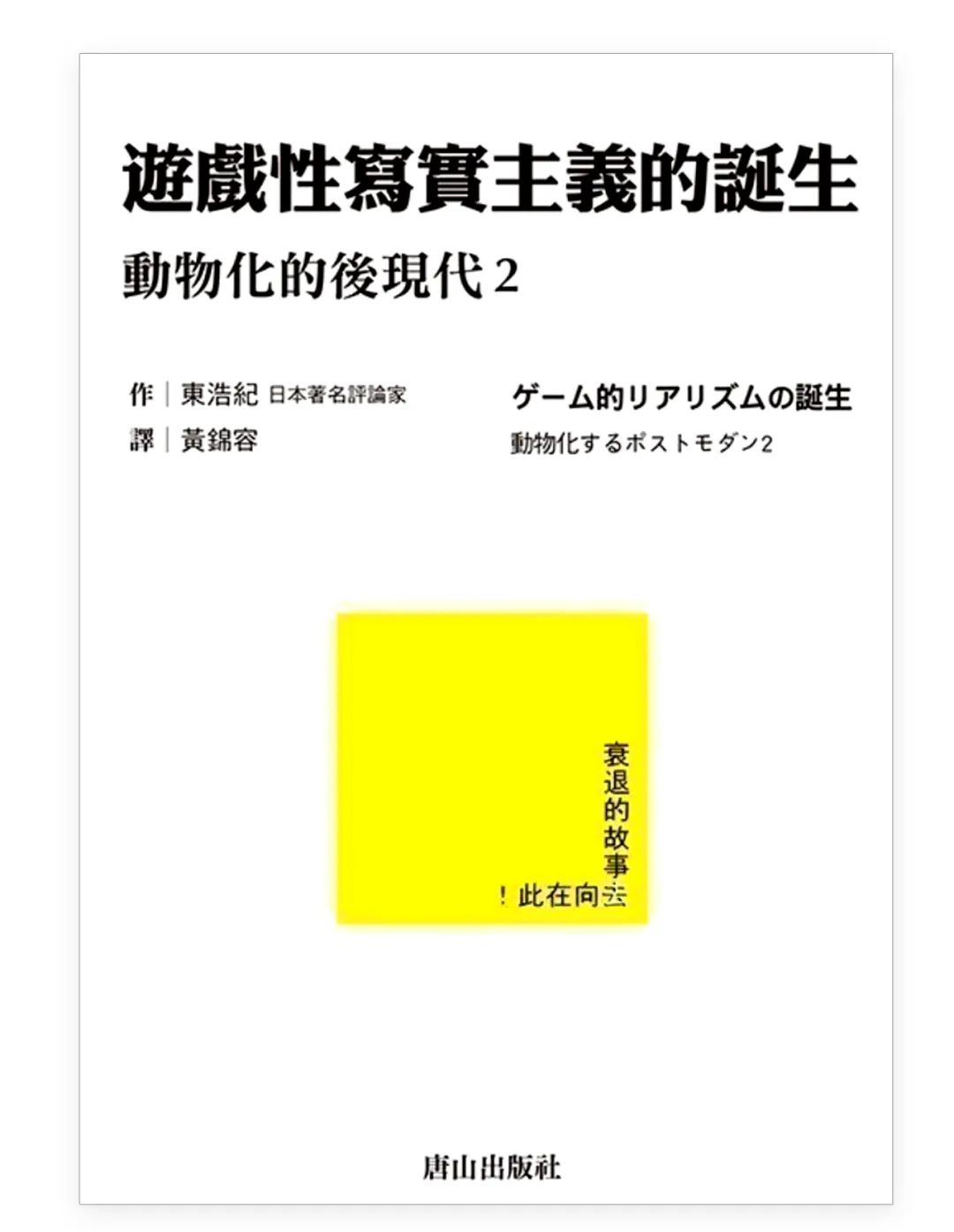
△[Japan] Hiroki Azuma, “The Birth of Game Realism: Postmodern Animalization 2”
It can be seen that writing through the contradiction of fictionality and reality may be the opportunity and possibility of contemporary realism. In the context of the virtualization of reality, it reveals areas of reality that traditional realism finds difficult to express, allowing young readers to have a greater sense of immersion and generating new artistic expressiveness.
3
How to Intervene in Reality:
From Reflection Theory to Reaction Theory
Intervening in reality has always been the pursuit of realist literature and art. In terms of traditional realism, the main way to intervene in reality is through the work itself, fulfilling the function of critiquing reality, inspiring readers, and engaging in social practice. In this process, the real reader in reality is invisible and cannot interact; therefore, how the work reflects reality is quite important. Hence, traditional realism emphasizes reflection theory, where authors are required to reflect the essence of history or the truth of the era, aiming to convey social understanding to readers through “correct” revelations, awakening attention, intervention, or transformation of the real society. However, in the context of virtual reality, the invisible reader has become visible, and the importance of interactivity has been highlighted. In this case, while reflection theory still has valid factors, it should also emphasize reaction theory.
The virtualization of reality has brought about interactivity. Moer believes that the “most innovative factor” of virtual reality is that it allows users to interact with the virtual environment. Interactivity is the holy grail of new media, as the world increasingly becomes an interface for operations between users and objects. The virtualization of reality immerses readers, but immersion and interactivity are interconnected; there is a contradiction between the two, but also a unity. Under the influence of interactivity, readers are no longer “implied” or “imagined” readers, but participate in literary activities in a real sense. Reflection theory emphasizes the need for authors to deeply reflect on social reality, stressing the authors’ understanding and insight into reality; now, readers’ interactivity (“reaction”) must also be considered. In the binary relationship of “author-reader,” while reflection theory focuses on the author, reaction theory emphasizes the reader, which evidently aligns with the comprehensive manifestation of the reader’s subject position in the new media era. Interactivity frees readers from the traditional passive reading state, making them active critics, producers, and disseminators of the story. The generation of stories is not determined solely by the author but also by a broad range of readers. Traditional realism certainly has the function of intervening in reality; however, due to the changing appreciation habits of contemporary readers, interactivity has become an indispensable reading habit. Therefore, to enable literature and art to more effectively intervene in reality, it is essential to fully utilize readers’ interactivity, promoting their positive “reactions.” This is the media technological foundation for transitioning from reflection theory to reaction theory.
From a social context perspective, the grand narratives presented by reflection theory have also diminished. Reflection theory emphasizes presenting “historical truth” and “the essence of the era,” encoding reality through grand narratives. However, in the context of postmodern differentiation, not only are traditional grand narratives impacted, but even the fictional grand narratives in subcultures find it difficult to exist. People have become database animals, and under the influence of interactivity, they prefer fragmented narratives and appreciation such as cute elements and memes. Contemporary literature and art should combine with the social context, appropriately adopt a database approach, encourage reader interactivity, guide their reactions, and actively intervene in reality. I believe this approach continues and develops Brecht’s tradition of epic theater. Brecht employed various methods to interrupt dramatic immersion, generating an alienation effect to educate the audience and inspire them to think and intervene in reality. In the era of database culture, utilizing reaction theory to transform traditional realism is both necessary and possible.
Reflection theory emphasizes the degree of realness, depth, and historical nature of authors reflecting social history, focusing on reflective truth, which demands as much adherence to the logic of real life as possible. In contrast, reaction theory emphasizes readers’ feedback, focusing on readers’ control and responses, valuing reactive truth, meaning it does not necessarily require complete adherence to the logic of real life (as mentioned with fictionality); it only needs to evoke similar reactions from readers. If reflection theory emphasizes the prototype of reality, reaction theory can moderately emphasize the model of reality, as long as the model can evoke similar reactions from readers, it is deemed real. This aligns with the increasing tendency of literature and art to move towards simulation in the context of the virtualization of reality.
Therefore, in terms of realism intervening in reality, literature and art should fully utilize interactivity. Interactivity does not necessarily possess political functions; for instance, game interactivity is often seen as part of the consumer industry chain, seemingly failing to liberate the audience, but rather filled with violence and the base temptation of eroticism. However, from the perspective of reaction theory, introducing interactivity within and outside the work can indeed cultivate readers’ subject consciousness and rational thinking. Taking games as an example, players, through interacting with the game, often try to understand the rules behind the game through repeated actions or collecting strategies. Thus, leveraging the repeatability of game plots, players can gain insights into the potential ideologies within the game. The construction rules of the game “SimCity” express a certain illusion of market economy; through this simulation, players can generate this understanding while “playing.”
How can literature and art embody this reaction theory? From the content level of literature and art, relevant humanistic and social topics can be set up according to the characteristics of interactivity, introducing topic spaces in the content to facilitate discussions and reflections among readers. With the development of social media, literary appreciation has exhibited a general characteristic of interpersonal interaction, and the rise of bullet screen culture reflects this trend. Bullet screens are comments that continuously fly across the screen; contemporary young internet users often make numerous comments while watching dramas, movies, or reading novels. These comments are not traditional posts; they are discussions targeted at specific plot points as the story progresses. From the perspective of reaction theory, in the production of literary content, the so-called “bullet screen thinking” can be adopted, meaning consciously setting topic points in the content based on viewers’ bullet screen comments, guiding viewers to continuously critique and reflect on content-related topics—this illustrates that contemporary literature and art are more based on reaction theory than on reflection theory. In fact, the development of the contemporary literary field shows a clear differentiation trend; some serious literature still pursues reflection theory, while popular culture and commercial literature deeply understand the principles of reaction theory, stimulating consumer interactivity and continuously sensationalizing topics to attract traffic. This necessitates a shift in realism and serious literature to emphasize reaction theory, shedding the sensationalism of consumerism, and genuinely leading literature and art towards serious and profound rational discussions, thus more effectively intervening in reality.
The transition of literary content production towards reaction theory, reinforcing readers’ rational thinking and positive reactions, forms a collaborative production of content between authors and readers, or the combination of authors’ reflections and readers’ reactions. This is also reflected in actual situations; readers’ discussions have become an important part of literary content. Internet users do not only follow the story itself but also track these comments; they have transitioned from traditional readers to comment followers. This indicates that the production mechanism of contemporary literature differs from that of traditional literature; traditional literature is content-first, while contemporary literature is increasingly produced through interaction and reaction between authors and readers. Due to the accumulative and derivative nature of bullet screens, literature and art have truly formed an open writing style that is never completed.
From the formal aspect of literature and art, according to the requirements of reaction theory, interactivity design should become an important element of realist literature and art, or in other words, the traditional “content—form” relationship has transitioned to a “content—interaction” relationship. Manovich argues that in computer culture, constructing a series of different interactive interfaces for the same “content” has become the norm. A slight change in the interactive interface can lead to significant changes in the entire work. In other words, content and interactivity are closely linked; the presentation of content relies on interactivity. Interactivity not only brings about changes in the presentation form of the work but also guides readers to intervene in reality. For example, the interactive video work “The Invisible Guardian” in 2019 utilized this principle. The protagonist, Xiao Tu, is tasked with infiltrating a Japanese puppet organization to complete a mission, and the development of the plot requires the audience to make decisions via options on the screen. The audience is not passively watching but actively making decisions as “Xiao Tu.” Each choice has crucial implications for subsequent plot developments, concerning family, friendship, love, and life; a single mistake can lead to unpredictable consequences. The frequent interactivity generates a strong sense of immersion for the audience. The work also consciously guides the audience to make choices that align with the work’s themes, and as they navigate through countless choices towards the final conclusion, this contemplation presents a Skinnerian reinforcement effect, evoking strong patriotic sentiments. They realize that while the “invisible guardians” in “The Invisible Guardian” had opportunities to reset their mistakes, what about those who had once fought for national independence? What would happen to them if they made a wrong step? Related topics sparked considerable popularity on platforms like Weibo, Bilibili, Douban, Zhihu, and TapTap, generating follow-up effects. This social effect can be said to far exceed the capacity of a popular literary work; in a certain sense, this is a vivid case of literature and art based on reaction theory.
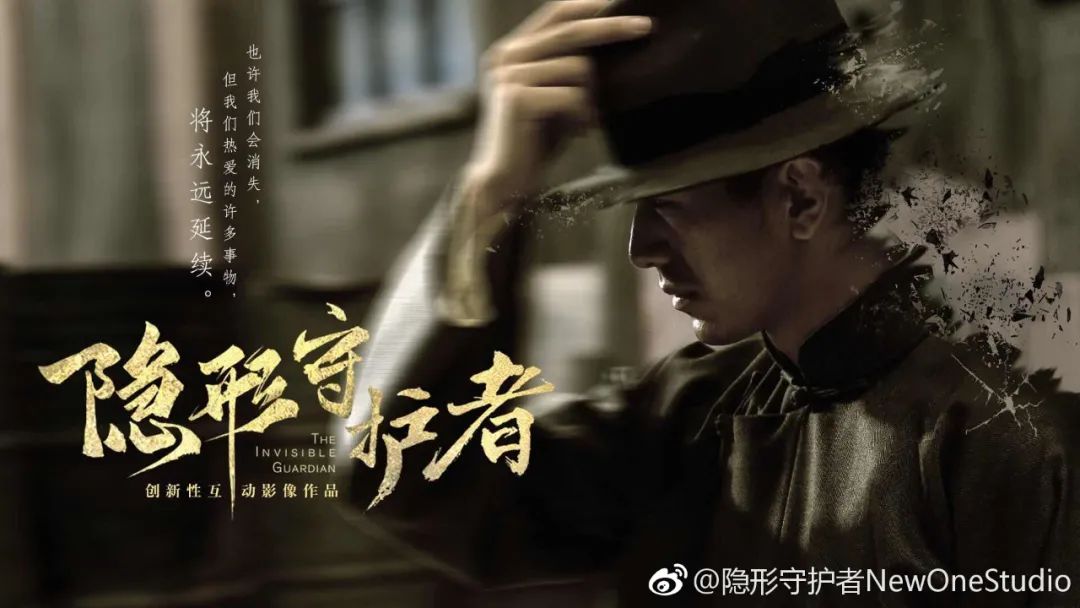
△Still from “The Invisible Guardian” (Source: Sina Weibo)
In conclusion, facing the virtualization of reality, realism has not ended; rather, it has welcomed opportunities for development. Expanding the understanding of reality to include virtualized reality, achieving physicality through fictionality, and combining reflection theory with reaction theory to promote readers’ rational thinking and actively intervene in reality are significant shifts for realism in the context of virtual reality.
*Author: Li Yangquan Institution: College of Arts, Central China Normal University
*This article is a phased achievement of the key project of the National Social Science Fund in 2021, “Research on the Transformation of Digital Capitalism and New Media Literature and Art” (Project Approval No.: 21AZW002).
*China Literature and Art Criticism, 2024, Issue 4 (View Directory)

Issued by: Yuan Zhengling
Reviewed by: Tao Lu
Email for manuscript submissions to China Literature and Art Criticism
Email for micro-reviews on the China Literature and Art Criticism website

【Related Reading】
◎Contents and Abstracts of China Literature and Art Criticism No.4, 2024
◎China Literature and Art Criticism No.4, 2024 Contents&Abstracts
◎China Literature and Art Criticism | Virtual Reality Art: Considerations Based on Four Dimensions / Zhou Wen
◎China Literature and Art Criticism | The Multiple Variations, Futurity, and Mass Aesthetics of Online Literature’s “Reality” / Zhang Chunmei
◎China Literature and Art Criticism | 2023 Online Literature: Paying Tribute to the Future with Magnificent Imagination / Hu Jiangfeng, Zhao Shicheng
◎China Literature and Art Criticism | The “Participatory Poetics” of Virtual Reality Art / Zhao Linuo
◎Copyright Statement of New Media of China Literature and Art Criticism(Click to contact for whitelisting)


Click “Read the Original” to view the electronic version of China Literature and Art Criticism~
Submission email for theoretical review articles: [email protected]~

Seeking Shares
Seeking Likes
Seeking Views