Introduction
What was seen in the mobile app was not the owner’s pet, but the real-time view of a stranger’s living room. The security risks of smart home devices are quietly entering our lives.
1. Incident Review
Recently, Ms. Chen from Wuhan experienced an abnormality with her camera-equipped smart feeder: the device automatically dispensed food, and more shockingly, the monitoring screen connected to her mobile app displayed the real-time scene of a stranger’s living room. This means that not only could she see the actions of a stranger’s family, but they could also observe her family’s privacy. This incident has raised widespread public concern about the privacy security of smart home devices.
2. Legal Risk Analysis
Infringement of Privacy Rights:
According to Article 1032 of the Civil Code: “Natural persons enjoy the right to privacy. No organization or individual may infringe upon the privacy rights of others by means of spying, intrusion, disclosure, or publicizing.”
Article 1033 further clarifies that, unless otherwise provided by law or with the explicit consent of the rights holder, no organization or individual may “enter, photograph, or spy on others’ residences, hotel rooms, or other private spaces” or “photograph, spy on, eavesdrop, or publicly disclose others’ private activities.”
Smart device manufacturers should bear corresponding tort liability for privacy breaches caused by technical defects.
Consumer Rights Protection:
Articles 23 and 24 of the Implementation Regulations of the Consumer Rights Protection Law explicitly prohibit operators from excessively collecting consumers’ personal information; operators must handle consumers’ sensitive personal information in accordance with legal regulations.
3. How to Protect Your Smart Home Privacy
Consumer Preventive Measures:
-
Select reputable and highly secure brand products when purchasing.
-
Regularly change device passwords and set strong passwords.
-
Disable unnecessary remote access features.
Tort Response Strategies:
-
Immediately disconnect the device from the network to prevent further leakage.
-
Preserve evidence and report to regulatory authorities such as market supervision and internet information departments.
-
Seek professional legal assistance if necessary, and protect rights through legal means.

Follow us 👇

Special Statement: The content of this article represents the author’s personal views and does not constitute legal opinions or advice from Shanghai Landi Law Firm or its lawyers. If you need legal opinions or professional analysis, please contact us. For any content reproduction or citation, please communicate with us and indicate the author and source when reproducing.
About Landi

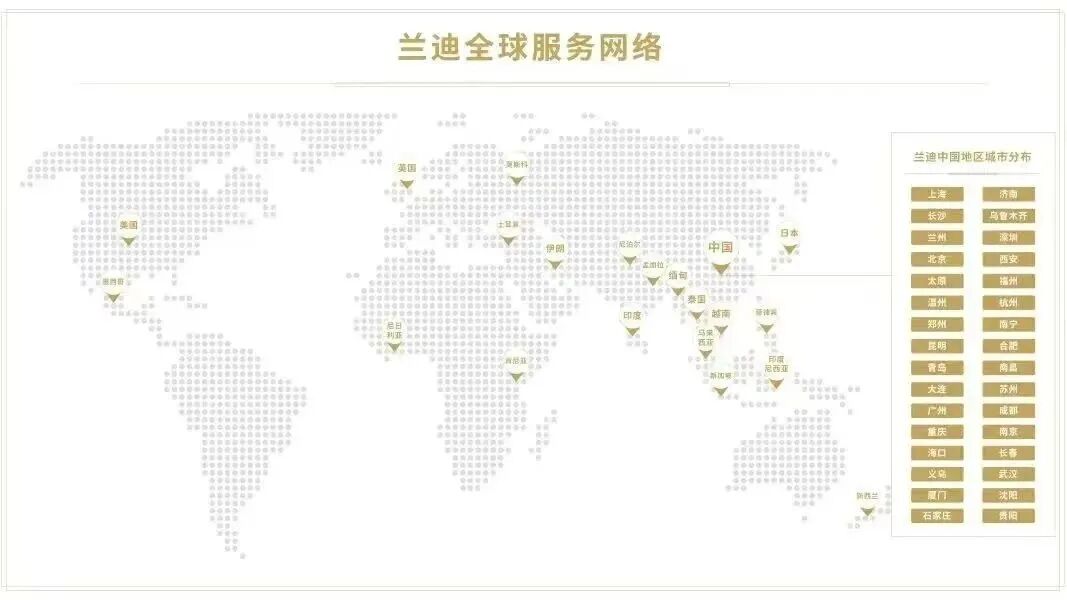
Shanghai Landi (Shenyang) Law Firm is the 29th branch established by Landi Law Firm in China, adhering to the principle of “absolute specialization, strong internationalization, and relative scaling”. It features an integrated corporate structure, emphasizing teamwork and a client-centered service philosophy, dedicated to creating a boutique law firm suitable for the growth of young lawyers and client satisfaction. Its main business areas include criminal and internal investigations, medical and health industries, international investment and trade, civil and commercial dispute resolution, corporate governance, intellectual property, and unfair competition.