On the afternoon of November 22, a rumor that “Haomo Zhixing has ceased operations and will disband, with no need to report to work starting November 24” caused a stir in the automotive and embedded engineering communities.
In an instant, many in-vehicle embedded professionals were filled with anxiety: as a smart driving “unicorn” incubated by Great Wall Motors, does the turmoil at Haomo Zhixing signal the arrival of a winter for the industry? Is it still worth our while to delve into in-vehicle embedded technology?
01Clarifying the Truth Behind the Rumors: Haomo’s Dilemma is an Isolated Case, Not an Industry-Wide Phenomenon
To determine whether the in-vehicle embedded industry has hope, it is essential to clarify that Haomo Zhixing’s predicament stems from its own positioning and business strategy, rather than a contraction in industry demand. The core contradictions are concentrated on three levels, and these issues are not a common phenomenon in the in-vehicle embedded industry.
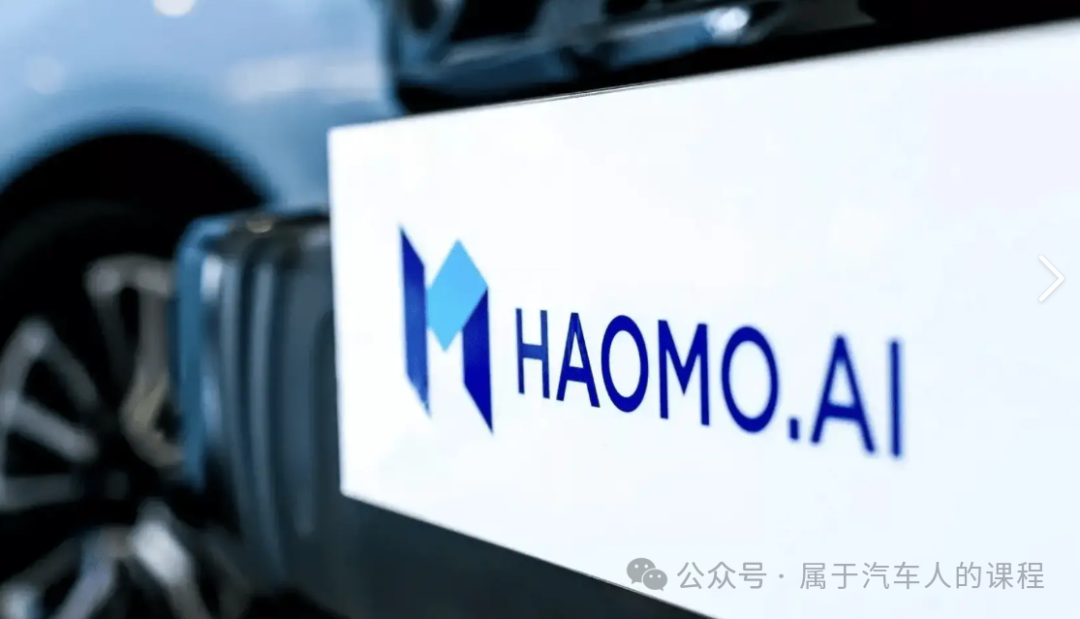
First, the shackles of being a “child of the car company.” Haomo Zhixing originated from the Great Wall Motors Technology Center. Although it rapidly rose in its early days by leveraging resources from its parent company, it also lost the trust of external clients due to its “Great Wall bloodline”—other car companies, concerned about competition, are reluctant to choose a smart driving supplier incubated by a direct competitor. Data shows that its revenue has long been highly dependent on “internal blood transfusions” from Great Wall Motors, which has not only formed a self-research team of 5,000 people in recent years but has also increased cooperation with third parties like Yuanrong Qixing, leading Haomo into an awkward situation of being “unpopular both internally and externally.” This commercialization bottleneck caused by equity background is unrelated to the market demand for in-vehicle embedded technology itself.
Second, delays in core product delivery have caused missed opportunities. As a technology-driven enterprise, Haomo Zhixing’s urban NOA (Navigation Assisted Driving) function was originally planned to be launched on the Weipai Mocha model in 2023, but due to technical bottlenecks, it has been postponed multiple times and is still not delivered by the end of 2024; the memory driving and parking functions developed for modern vehicles also face risks of delayed progress. In a competitive landscape where smart driving technology iterations occur on a monthly basis, product delivery delays directly lead to missed market windows, which is a problem of enterprise R&D management, not a failure of the technical route.
Third, a dispersed business layout has led to resource dilution. Haomo is simultaneously involved in two major sectors: passenger car assisted driving and low-speed unmanned vehicles for terminal logistics. However, the terminal logistics vehicle “Little Magic Camel” has significantly lowered its sales target for 2025 due to insufficient market acceptance and fierce competition, entering a “stock clearance phase.” This multi-front operation leads to a dilution of focus, contrasting sharply with the rigid demand for in-vehicle embedded technology in the passenger car sector.
In contrast, the overall industry is expected to exceed $80 billion in the global in-vehicle embedded market by 2025, with the Chinese market growing at a rate of 15.2%. Haomo’s case is more like a survival challenge for “mid-tier companies” during the industry’s reshuffling period, rather than a depreciation of value in the technical track.
02Technical Necessity: In-Vehicle Embedded Systems are the “Central Nervous System” of Smart Vehicles, Irreplaceable
The essence of anxiety is the worry about whether “technology will be eliminated,” but a deep understanding of the technical architecture of smart vehicles reveals that in-vehicle embedded systems, as the “central nervous system,” will maintain their core position for the next decade. This irreplaceability stems from three rigid demands.
First, functional safety’s “last line of defense” relies on embedded hardware redundancy.
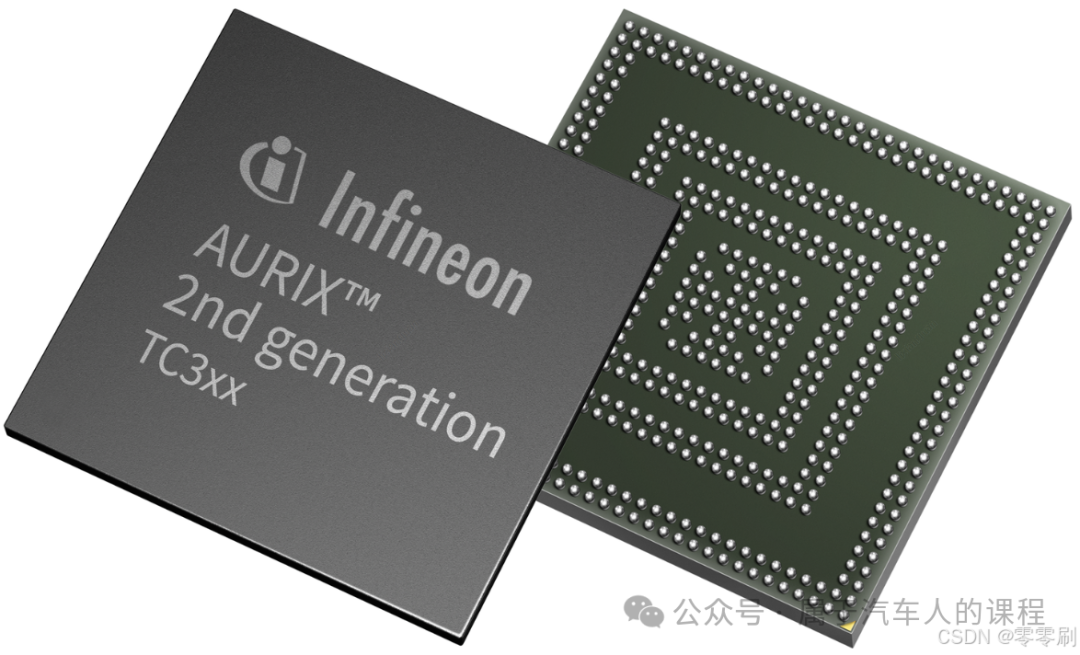
The ASIL-D safety requirements for smart vehicles (such as steer-by-wire and brake-by-wire) must be achieved through the hardware redundancy design of embedded systems—Infineon’s AURIX™ TC397 MCU employs a six-core TriCore™ architecture, with dual-core lockstep cores performing real-time instruction comparisons, achieving a fault detection coverage rate of over 99.9%. This is a typical case of in-vehicle embedded technology ensuring safety.
Whether for L2-level assisted driving or future L4-level autonomous driving, as long as personal safety is involved, it must rely on the physical redundancy and real-time response of embedded hardware, which cannot be replaced by pure software solutions.
Second, the “data hub” of multi-domain fusion requires embedded computing power support.
Current smart vehicles are evolving from “distributed ECUs” to “domain controllers + central computing platforms,” with the core of the domain controller being the embedded heterogeneous computing architecture. Taking NXP’s S32G399 as an example, it integrates a 4-core Cortex-A53 and a 3-core Cortex-M7, along with an LLCE low-latency communication engine, enabling real-time processing of 16-channel CAN FD data with a latency of ≤5ms, providing the computational foundation for data fusion across cockpit, intelligent driving, and power domains. Without the computational support of embedded chips, no amount of software algorithms can be implemented.
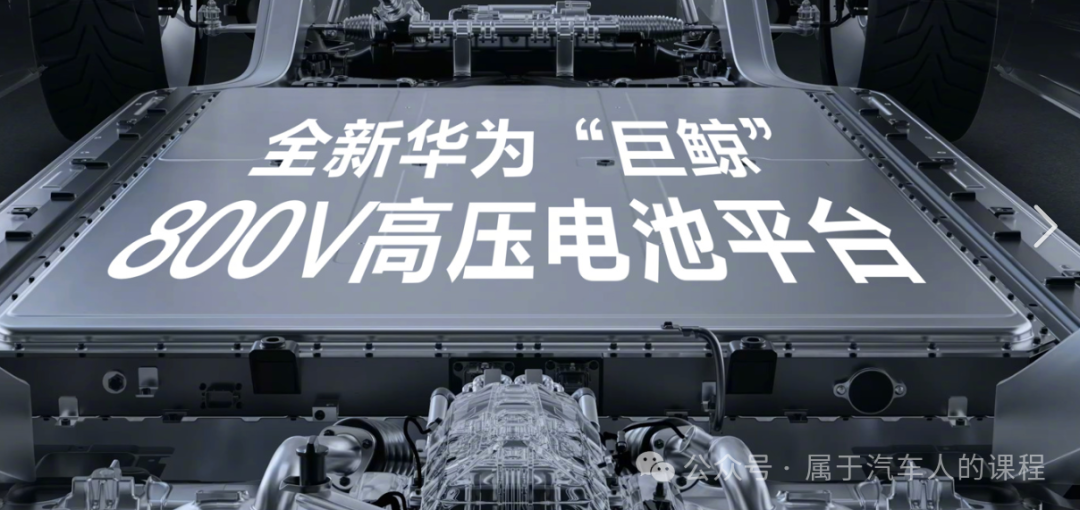
Finally, the synergy of electrification and intelligence relies on embedded precise control.
The 800V high-voltage platform has become standard for mid-to-high-end electric vehicles, with its core efficiency improvement of 30% relying on the precise control of silicon carbide (SiC) devices by embedded MCUs. Infineon’s CoolSiC™ MOSFET paired with AURIX™ MCU achieves optimized switching frequency through a PWM module with 1ns resolution, allowing the efficiency of the electric drive system to exceed 98%. This “power device + embedded control” synergy is the core technical barrier of electrification and the core value of in-vehicle embedded engineers.
From the perspective of technological iteration, in-vehicle embedded systems are upgrading from “single control” to “intelligent perception + control.” For example, TI’s AWR2944P millimeter-wave radar sensor achieves obstacle classification through an embedded preprocessing unit, improving the efficiency of raw data processing by 50%. Technological upgrades bring higher thresholds rather than elimination risks.
03Market Growth: The Three Golden Tracks of AutoSar Embedded Systems, Supporting New Career Heights
The key to judging the industry’s prospects lies in whether there is sustained market growth. For in-vehicle embedded professionals, AutoSar (Automotive Open System Architecture), as the “universal language” of automotive electronics, has become a standard technical architecture for almost all mainstream car manufacturers. The three tracks derived from it—deepening the Classic platform, landing the Adaptive platform, and developing toolchains—are releasing a massive demand for high-value positions, completely breaking the traditional career ceiling for embedded engineers.
The first growth track is the deepening of functional safety in the AutoSar Classic platform.
Currently, the core controllers for L2-L3 level autonomous driving (such as steer-by-wire ECU and brake ECU) are developed based on AutoSar Classic version 4.4 and above, while ASIL-D safety requirements impose extremely high demands on the design of software components (SW-C), ECU configuration, and fault diagnosis strategies.
For example, Bosch’s steer-by-wire brake ECU adopts the AutoSar Classic architecture, encapsulating the brake control logic as an independent SW-C, and achieving safe communication with the chassis domain controller through a COM stack, where the diagnostic event manager (DEM) module must support real-time reporting and storage of over 100 types of fault codes, meeting ISO 14229 diagnostic standards.
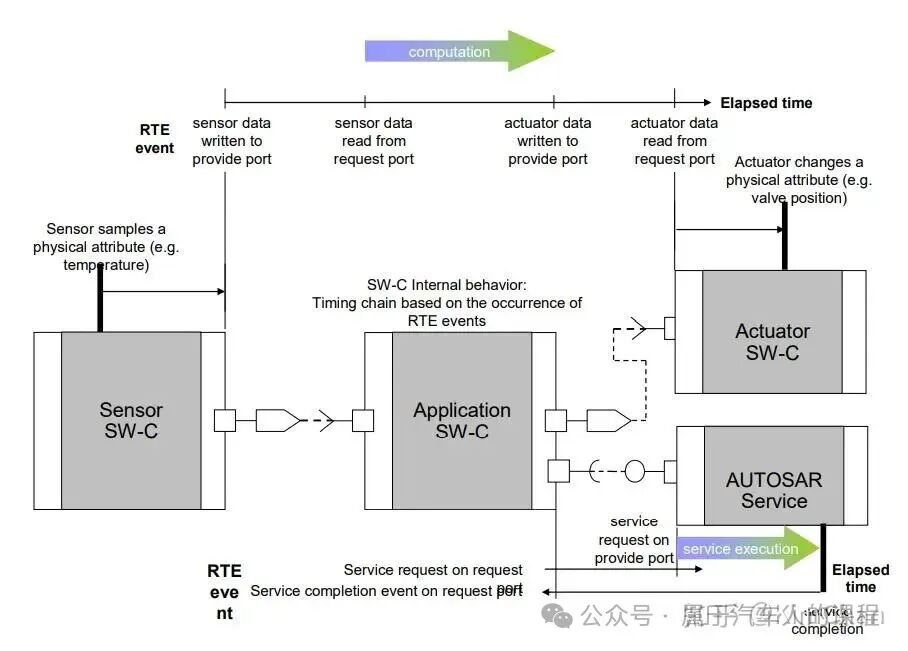
Currently, the demand for “AutoSar Classic functional safety engineers” among leading car manufacturers has increased by 92% year-on-year. These positions require proficiency in EB tresos Studio configuration, MCAL low-level driver adaptation, and FMEDA analysis, with annual salaries generally in the range of 450,000 to 550,000 yuan. Those with experience in adapting Infineon’s AURIX™ chips can command a salary premium of over 30%.
The second growth track is the implementation of high-level intelligent driving on the AutoSar Adaptive platform.
With the proliferation of L4-level autonomous driving domain controllers, the static architecture of the traditional Classic platform can no longer meet the dynamic computing resource scheduling needs. The AutoSar Adaptive versions 19-21 have become the core architectural choice for domain controllers. This platform is based on a service-oriented architecture (SOA), supporting on-demand loading of software services and dynamic function updates. For example, the Xiaopeng XNGP domain controller adopts the AutoSar Adaptive architecture, encapsulating perception, decision-making, and control modules as independent services, achieving cross-core communication through the SOME/IP protocol, and enabling dynamic allocation of computing resources in conjunction with the QNX operating system.
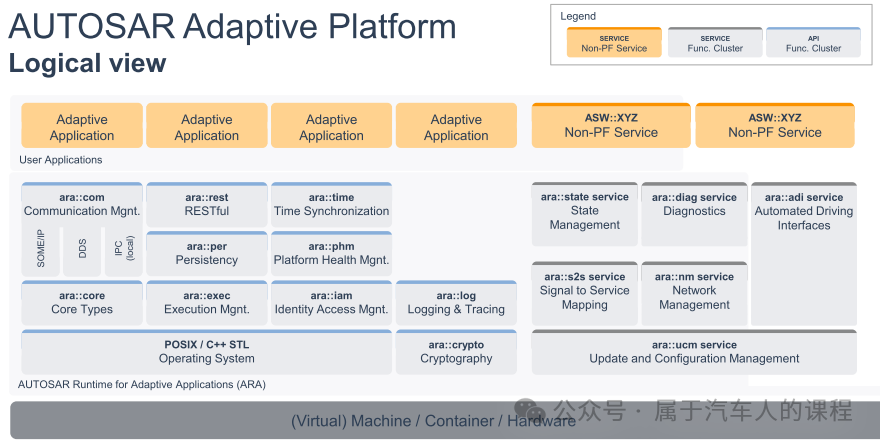
These “AutoSar Adaptive development engineers” need to master the core services of the ARA (AutoSar Runtime Environment), develop SOME/IP communication protocols, and heterogeneous multi-core scheduling strategies. Currently, there is a shortage of over 50,000 in the market, with leading new force car manufacturers offering annual salaries generally exceeding 600,000 yuan for those with experience in implementing domain controllers, which is 25% higher than for Classic platform engineers.
The third growth track is the AutoSar toolchain and customized development.
The implementation of the AutoSar architecture heavily relies on specialized toolchains, and car manufacturers generally require customized adaptation and secondary development of toolchains to improve R&D efficiency.
For example, Vector’s DaVinci Developer tool needs to adapt to different manufacturers’ MCU chips (such as NXP’s S32K3 series and Renesas’ RH850 series) to develop custom code generation templates; EB’s EB corbos Studio needs to interface with the company’s internal demand management system to achieve full-process traceability from requirements to code.
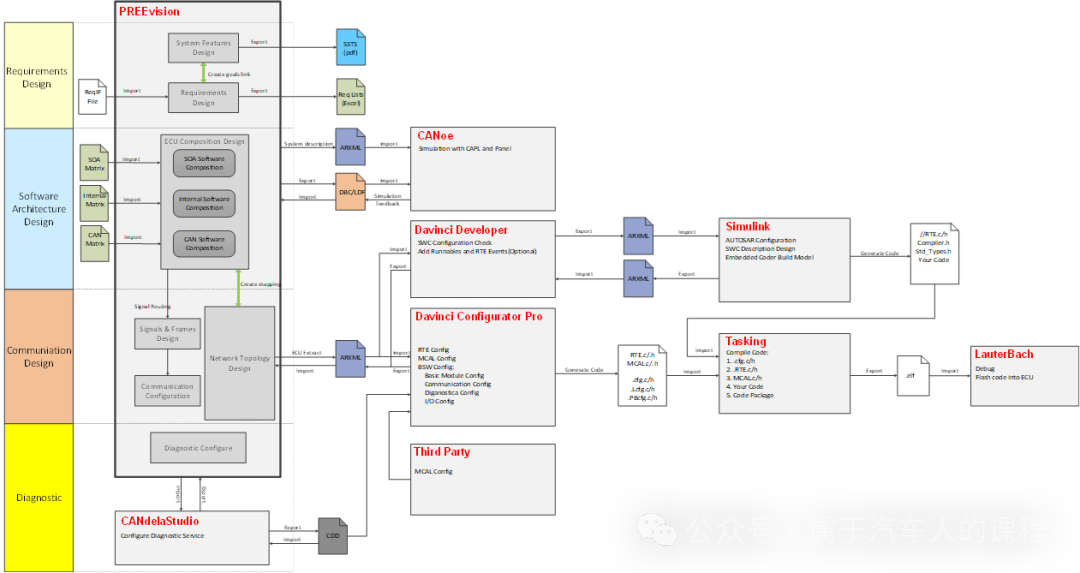
Moreover, with the trend of “software-defined vehicles,” the demand for the integration of AutoSar architecture and OTA (over-the-air upgrades) has surged, requiring the development of AutoSar-based diagnostic flashing services (UDS on CAN FD/Ethernet) to ensure the safety and atomicity of the upgrade process. These “AutoSar toolchain development engineers” are rare composite talents, with fewer than 10,000 in the country possessing mature experience. R&D investment by car manufacturers is growing at an annual rate of 25%, and senior engineers can earn annual salaries of 800,000 to 1,000,000 yuan.
From recruitment data, the average annual salary of AutoSar embedded engineers is expected to reach 420,000 yuan by 2025, which is 38% higher than traditional non-AutoSar in-vehicle embedded engineers and 52% higher than consumer electronics embedded engineers. Among them, engineers with experience in both “Classic + Adaptive” platforms can command a salary premium of over 50%, while those proficient in mainstream toolchains like Vector and EB with mass production project experience are core resources fiercely contested by car manufacturers and Tier 1 suppliers, with both market demand and salary levels showing explosive growth.
04Path to Breakthrough: In-Vehicle Embedded Professionals
Having a promising industry does not guarantee personal opportunities. During the industry’s reshuffling period, embedded professionals need to upgrade their skills precisely to seize growth opportunities. Based on the recruitment requirements of leading companies, we have outlined three core upgrade paths.
-
First, shift from “single MCU development” to “heterogeneous architecture design.”
Traditional embedded engineers often focus on single-task development of Cortex-M series MCUs, but the era of domain controllers requires mastery of the integration capabilities of “Cortex-A + R + M” heterogeneous architectures. It is recommended to focus on learning the development tools of NXP’s S32 series or Infineon’s AURIX™ series, mastering the configuration and debugging of the AUTOSAR Adaptive platform, and understanding the hardware design of high-speed interfaces like PCIe 3.0, which are core thresholds for entering domain controller R&D teams.
-
Second, deepen the ability to integrate “functional safety and information security.”
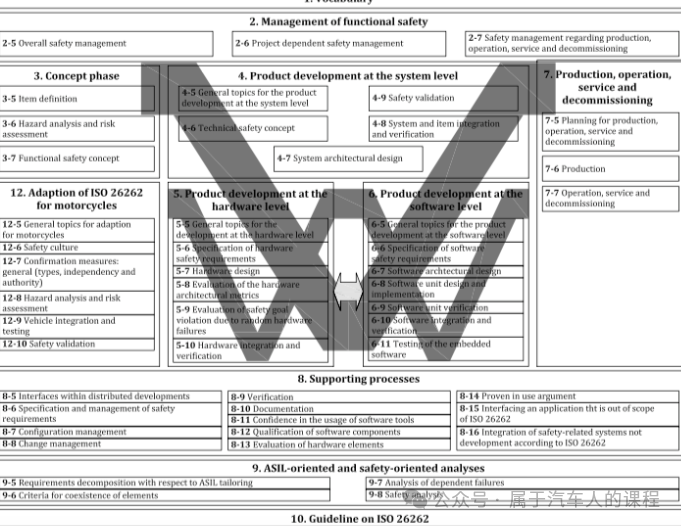
The integration of ISO 26262 functional safety and ISO/SAE 21434 cybersecurity has become an industry trend. For example, NXP’s S32G series HSE hardware security engine can simultaneously support AES-256 encryption and fault injection testing. Practitioners need to systematically study functional safety standards, master FMEDA (Failure Mode Effects and Diagnostic Analysis) methods, and obtain IEC 61508 certification, which is a “passport” to enter the core teams of steer-by-wire chassis and intelligent driving.
-
Third, establish a full-link understanding of “chip – low-level software – application scenarios.”
Excellent in-vehicle embedded engineers are no longer “code executors” but “full-link experts” who understand chip architecture, low-level drivers, and application scenarios. For example, in the development of 800V high-voltage platforms, one must master the characteristics of Infineon’s CoolSiC™ devices, the writing of embedded drivers, and the control logic of electric drive systems. It is recommended to build a full-link knowledge system by participating in open-source projects (such as the AutoSar open-source community) or studying official technical documents from TI and NXP.
05During the Industry Reshuffle, Be an “Irreplaceable Embedded Expert”
Returning to the initial question: Is there still hope for in-vehicle embedded systems? The answer is affirmative— as long as smart vehicles continue to evolve, embedded systems as the “central nervous system” will not become obsolete; as long as the waves of electrification and intelligence continue to advance, embedded engineers with core capabilities will not be eliminated.
For practitioners, rather than getting caught up in the rumors of a single company, it is better to focus on upgrading skills: learning the development of heterogeneous chips, mastering functional safety tools, and understanding the needs of application scenarios. In the dark night of industry reshuffling, true core technical capabilities are the light illuminating the path of one’s career.
Like + Follow, scan to add friends (note the public account) to obtain AUTOSAR materials