Back in 2010, during a product launch, Apple co-founder and CEO Steve Jobs opposed the idea of a touchscreen MacBook, stating that it was “very bad from an ergonomic perspective.”
He said: Apple had conducted “a lot of user testing” and concluded that vertical touchscreens “do not work” because after a period of use, your “arms would feel like they are going to fall off.” It now seems that Apple is prepared to go against its founder’s wishes.
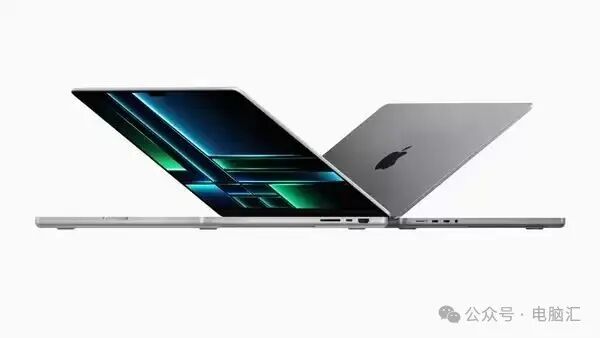
According to supply chain analyst Ming-Chi Kuo’s article on an overseas social platform, the first touchscreen Mac will be the OLED MacBook Pro, expected to enter mass production by the end of 2026. These laptops will use On-cell touch technology, the same type of screen technology used by companies like Samsung for their Galaxy smartphones.
Kuo added that a more affordable MacBook featuring an iPhone processor, set to launch by the end of 2025, will not support a touchscreen. The second-generation MacBook, expected in 2027, may support a touchscreen. Kuo believes that Apple made this change after observing how iPad users work, concluding that touch input could enhance productivity.
This is certainly not the first time we’ve heard about a touchscreen Mac; as early as 2023, Bloomberg’s Mark Gurman reported similar plans, claiming that Apple engineers were “actively involved in the project.”
Of course, Apple has previously experimented with touch input on the Mac through the Touch Bar (RIP!). Launched in 2016, the Touch Bar was a thin OLED strip that replaced the traditional function keys. Its controls changed based on the application, so a word processing app would display bold or italic options.
macOS Tahoe recently introduced a new “liquid glass” design language, seemingly created for touch. This can be seen from the larger window controls and rounder corners. Additionally, the padding around interface elements is more generous, making buttons easier to hit. Could this be Apple preparing for a future touch-first desktop operating system? No one outside Cupertino knows.
What we do know is, in Kuo’s words, the company has been steadily “blurring the lines between the iPad and Mac.” The biggest leap occurred in 2021 when the M-series chips were introduced in the iPad Pro. Software followed closely, with iPadOS 16 featuring Stage Manager, providing a more desktop-like window system.
The recently launched iPadOS 26 goes even further, featuring a complete window system, including the classic “red, yellow, green” buttons and a proper menu bar.
There is also the Universal Control feature in macOS Monterey, which allows you to use a single mouse and keyboard across both Mac and iPad, seamlessly dragging files between them.