Please click [Your Comprehensive AI Applications] to follow
How AI Will Change the Future of Microcontrollers
A silent revolution is taking place in the field of embedded technology. Traditional microcontrollers (MCUs), which serve as the core chips for controlling various electronic devices, have long been responsible for executing simple tasks according to predetermined programs. However, the rapid development of artificial intelligence technology in recent years is injecting new intelligent vitality into these seemingly simple microchips. This integration not only reshapes the technical architecture of microcontrollers but also continuously expands their application boundaries, enabling embedded devices that were originally limited to fixed logic control to possess capabilities for perception, analysis, and decision-making.
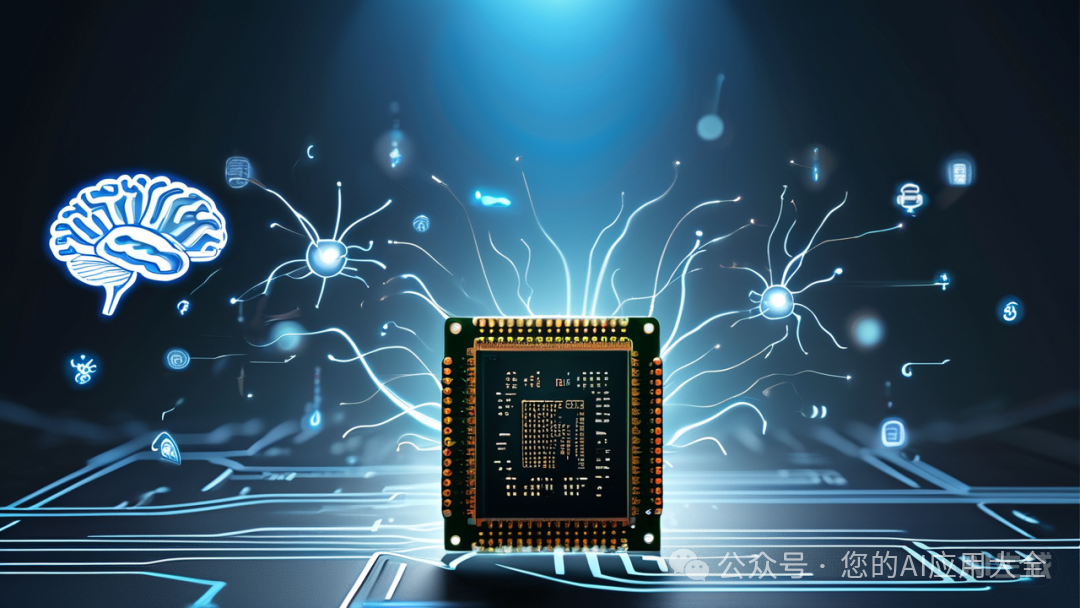
1. Technological Innovations Empowered by AI in Microcontrollers
The integration of microcontrollers and artificial intelligence is first reflected in the upgrade of technical architecture. Traditional microcontroller designs primarily focus on real-time performance and reliability under resource constraints, while AI algorithms require higher computational power, posing challenges for resource-limited microcontroller environments. To address this contradiction, lightweight AI models and dedicated hardware accelerators have become key breakthroughs. These technologies enable microcontrollers to run intelligent algorithms under limited power and memory conditions, achieving localized real-time inference capabilities.
This technological integration significantly enhances the data processing and analysis capabilities of microcontrollers. By integrating AI algorithms, microcontrollers can quickly process vast amounts of data collected from sensors and extract valuable information. For example, in smart home environments, traditional temperature control systems can only turn on or off based on preset thresholds, while microcontrollers equipped with AI algorithms can analyze historical temperature data, user habits, and even weather forecast information to automatically generate optimal temperature adjustment plans. This intelligent implementation no longer relies on cloud computing, ensuring real-time response while reducing privacy risks associated with data uploads.
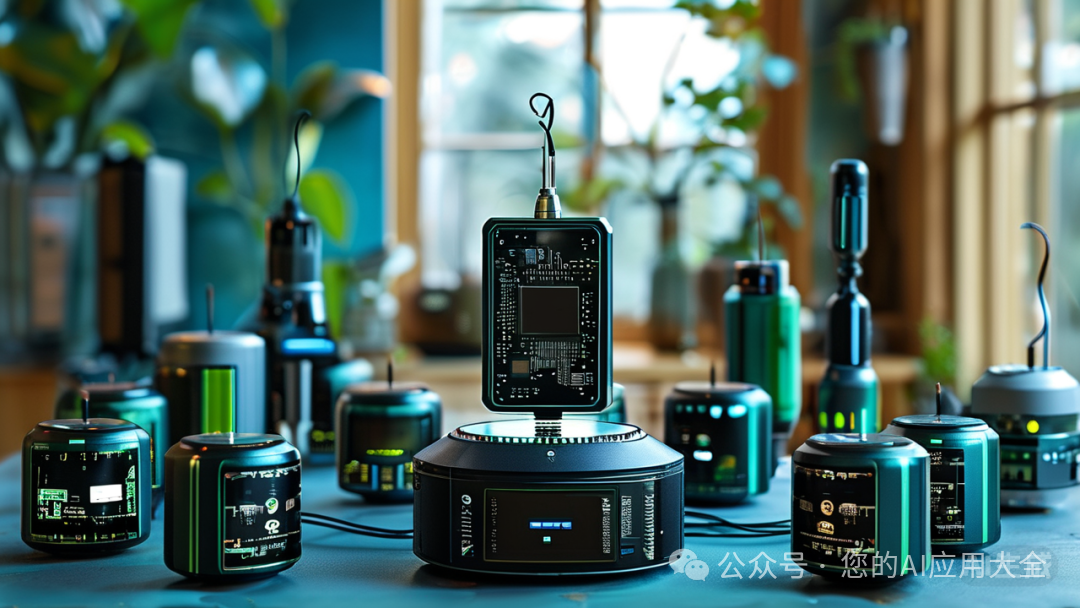
2. Diversification of Application Scenarios
The combination of AI and microcontrollers is giving rise to a series of innovative applications. In the field of industrial automation, AI-based microcontrollers can achieve more precise and efficient control systems. For instance, in production line quality inspection, intelligent microcontrollers can analyze product images captured by cameras in real-time, instantly identify defects, and trigger sorting mechanisms, greatly improving quality inspection efficiency and accuracy.
In the field of energy management, artificial intelligence helps microcontrollers manage energy usage more intelligently. For example, in smart grids, microcontrollers equipped with AI algorithms can perform load forecasting and dynamic scheduling, optimizing energy distribution, improving energy efficiency, and reducing operational costs. This capability holds significant practical value for achieving energy structure adjustments under the “dual carbon” goals.
The consumer electronics sector is also experiencing an intelligent transformation. From smart remote controls that can recognize user gestures to microwaves that automatically adjust heating strategies based on food types, the combination of AI and microcontrollers makes ordinary household appliances more “understanding”. These devices are no longer just tools executing fixed commands but intelligent terminals capable of understanding user needs and providing personalized services.
3. Challenges and Breakthrough Directions
Despite the enormous potential of the integration of AI and microcontrollers, this process still faces multiple challenges. The first is the limitation of computational resources; complex neural network models require substantial computational resources and storage space, while low-cost microcontrollers have extremely limited resources. Addressing this contradiction requires innovation from both algorithmic and hardware dimensions: on one hand, developing more streamlined and efficient AI models, and on the other hand, designing microcontroller architectures optimized for AI computations.
The second challenge is the issue of power consumption. Many embedded devices need to operate on battery power for extended periods, while AI computations typically imply higher energy consumption. Balancing performance and power consumption is a critical consideration for developers. Emerging low-power AI chip technologies and edge computing optimization solutions are making positive progress in this area.
Finally, there is the challenge of development barriers. Traditional embedded development engineers may lack expertise in deep learning, while AI experts may not be familiar with the specifics of microcontroller development. Reducing development difficulty and providing more user-friendly development tools and platforms are key factors in promoting technology adoption.
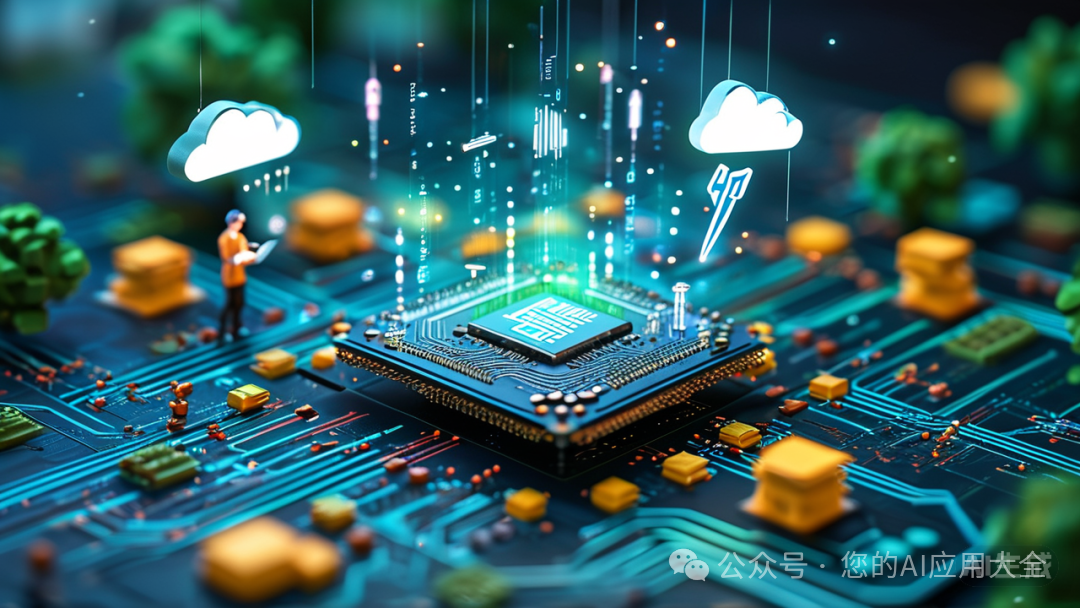
4. Future Development Trends
As technology continues to mature, the integration of AI and microcontrollers will develop to a deeper level. On one hand, we will see the emergence of more powerful edge AI chips, specifically designed to run machine learning models in resource-constrained environments, achieving a better balance between performance and power consumption. On the other hand, advancements in development tools and frameworks will significantly lower the development barriers for AI microcontroller applications, enabling more developers to participate in this innovative field.
From an application perspective, intelligent microcontrollers will penetrate deeper into various fields such as the Internet of Things, smart homes, and industrial internet. These devices will no longer be simple execution units but will become intelligent nodes with environmental perception and decision-making capabilities. They will be able to collaborate autonomously, forming distributed intelligent systems that provide more intelligent services in various scenarios.
From a broader perspective, the integration of microcontrollers and artificial intelligence represents an important trend in the evolution of computing from centralized to distributed forms. When intelligence is no longer limited to the cloud or high-performance computing devices but is embedded in every embedded device in our lives, the era of truly ubiquitous computing will arrive. This transformation will reshape human-computer interaction, redefine the boundaries of intelligent devices, and have a profound impact on the entire technology industry.
The combination of artificial intelligence and microcontrollers is opening a new chapter in embedded systems. As technology continues to break through and application scenarios expand, this integration will inject lasting momentum into technological innovation, accelerating society’s move towards intelligence. For embedded developers, electronic engineers, and technology enthusiasts, understanding and grasping this trend will be key to maintaining competitiveness in the face of technological change.

Welcome to comment, and scan the code to follow for more exciting content!