Introduction
When the video of Tesla’s humanoid robot Optimus walking flexibly went viral online, few noticed that its joints concealed a “bottleneck” technology — planetary roller screw. This precision component, priced at tens of thousands of yuan, accounts for 15%-25% of the robot’s cost, yet has long been monopolized by foreign giants like Germany’s Schaeffler. This article will deeply analyze the technical barriers and reveal the breakthrough paths for domestic alternatives.
Please check the benefits at the end of the article.
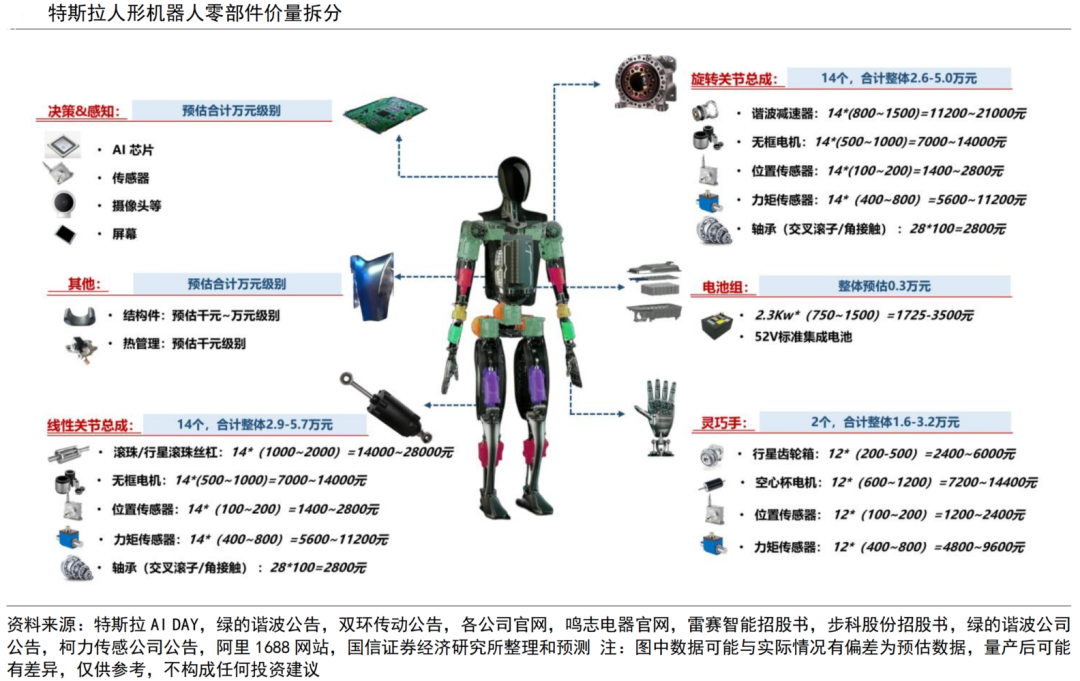
1. Lead Screws: The “Power Heart” of Robot Joints
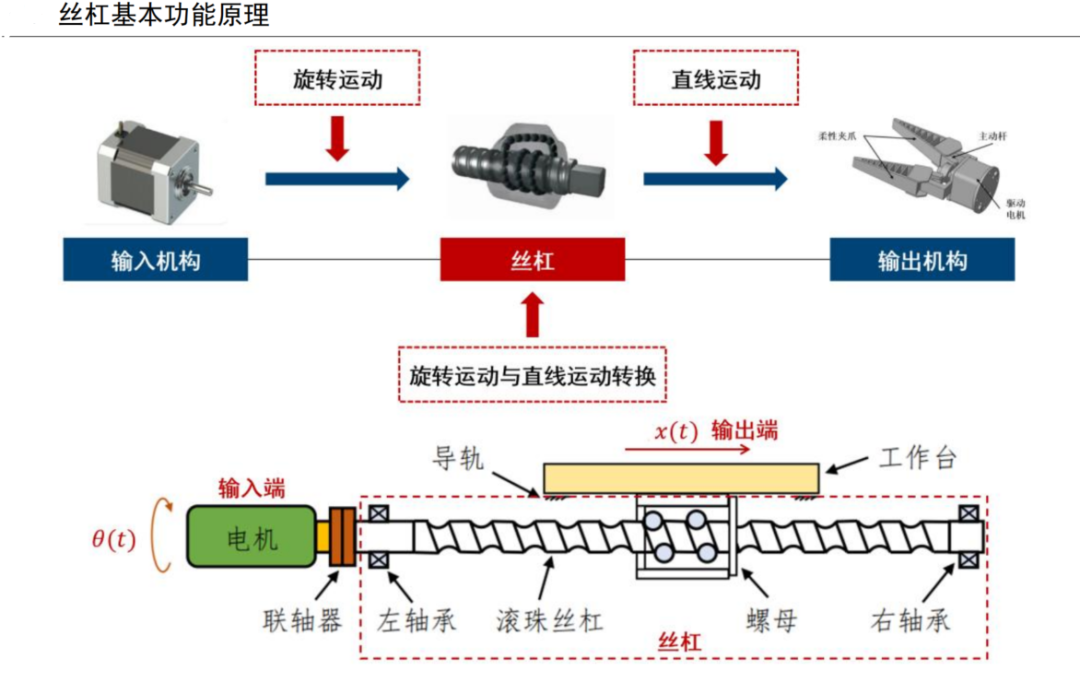
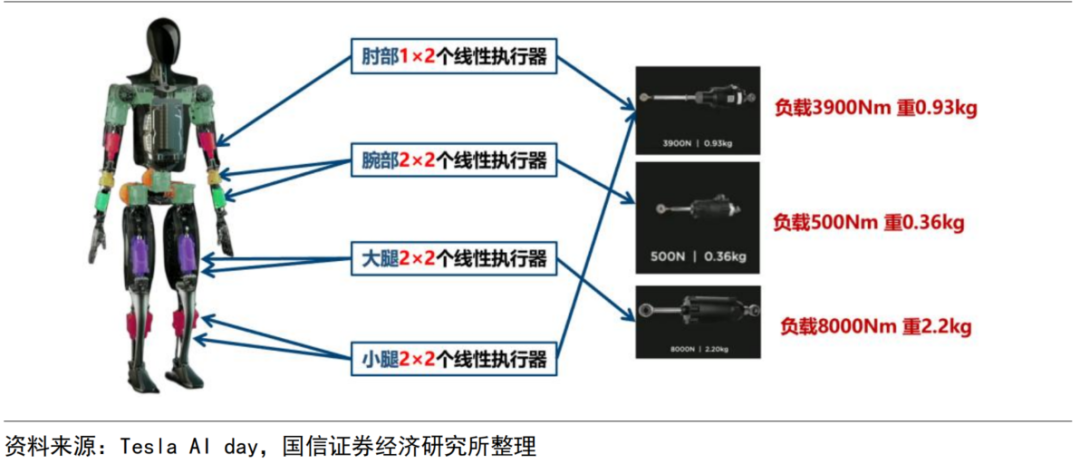
The essence of a lead screw is to convert the rotational motion of a motor into linear motion. Among the 28 joints of Optimus, 14 linear joints rely entirely on lead screw drives. Compared to traditional trapezoidal screws and ball screws, planetary roller screws have become the preferred choice for humanoid robots due to three major advantages:
- •Double Load Capacity: The contact area of rollers is more than ten times that of balls, providing stronger impact resistance.
- •30% Longer Lifespan: Multiple rollers distribute the load, significantly reducing wear.
- •One-Third Smaller Size: More compact than ball screws under the same load.
2. Technical Blockades Behind a Trillion Market
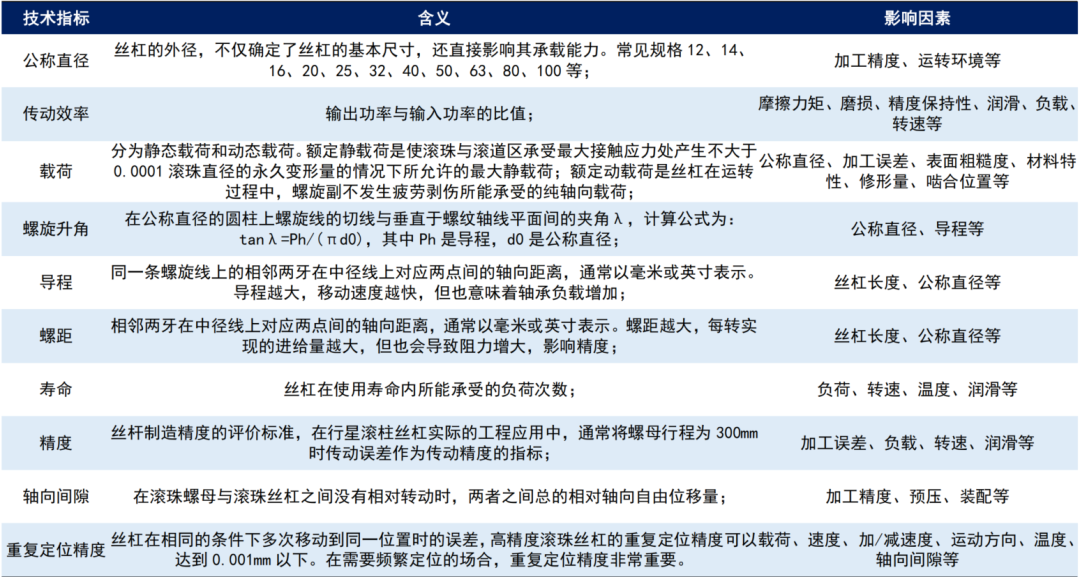
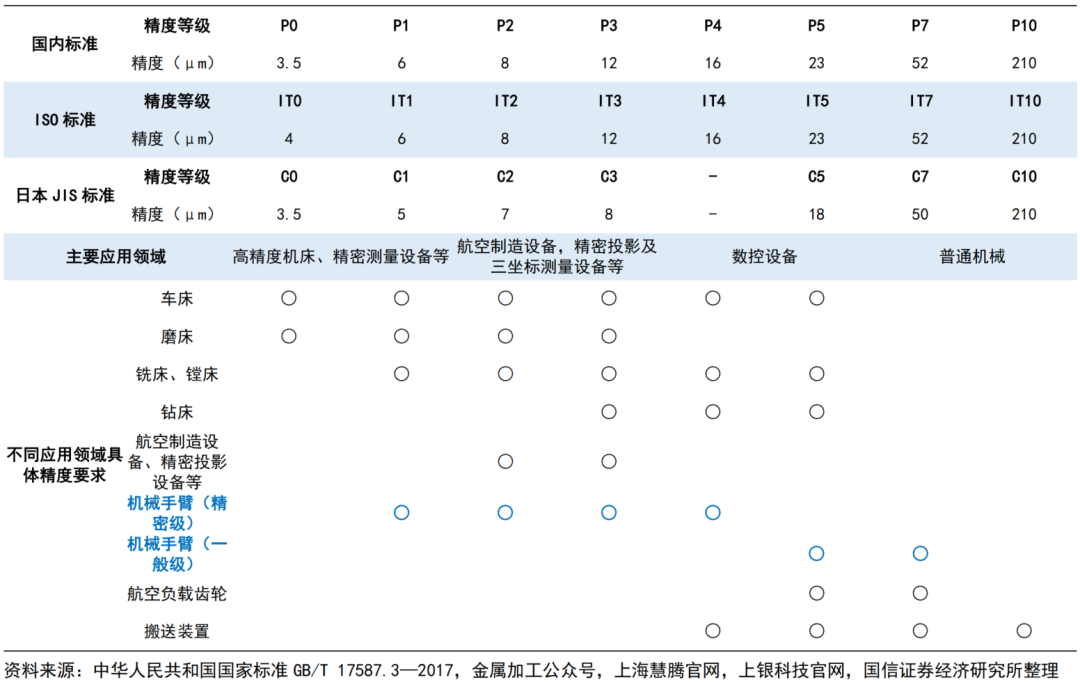
1. Process Barriers: “Threading” on a Hair Strand
The precision requirement for lead screws reaches the micron level. Taking the internal threading of a nut as an example:
- •Grinding Wheel Interference Issues: The diameter must be smaller than the inner hole of the nut, making it prone to vibration during processing.
- •Tool Positioning Error Control: Positioning accuracy in a semi-closed space must reach 0.008mm. Currently, high-end grinding machines rely on imports from Germany and Japan, with a single machine costing over ten million yuan and a delivery cycle of more than a year.
2. Material Bottlenecks: Heat Treatment Determines Lifespan
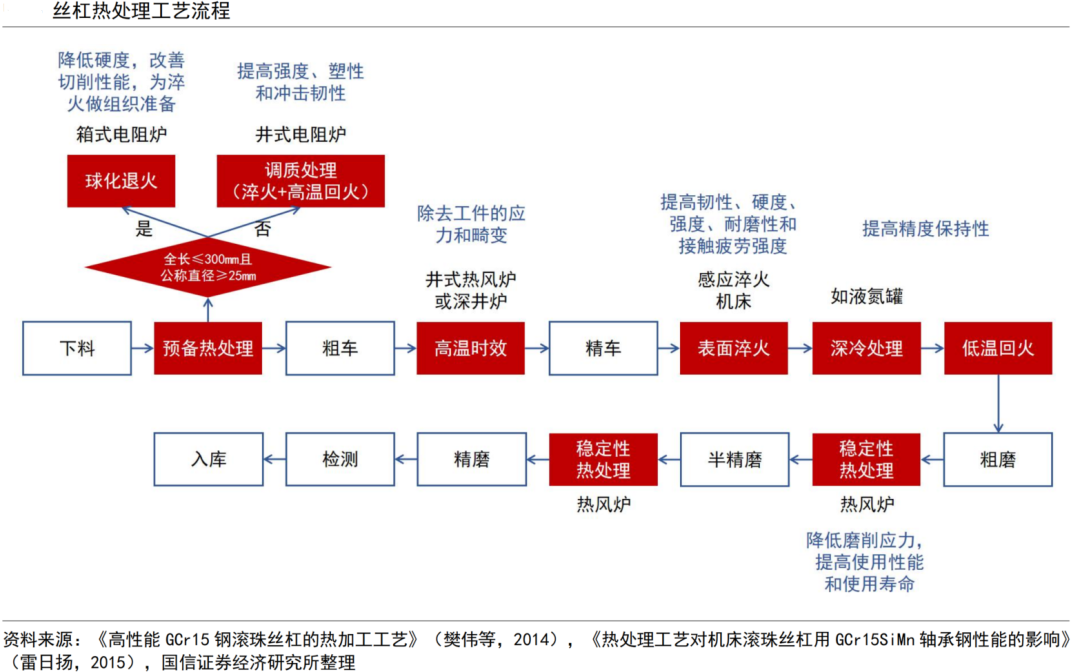
The surface of the lead screw needs to have a hardness of HRC60 or above, while the core must maintain toughness. The heat treatment processes for different components are distinctly different:
- •Lead Screw Surface: Induction hardening (hardening layer 1.5-2.0mm)
- •Nut Surface: Carburizing hardening (hardening layer 1.0-1.4mm)
- •Roller Overall: Nitriding treatment (hardness HV600+)
3. Three Paths for Domestic Breakthrough
Path 1: Technology Migration from Automotive Supply Chain
Automotive linear control braking (such as electronic parking) shares technological origins with robot lead screws. Domestic companies are transferring three major automotive-grade capabilities to the robotics field:
- •Precision Machining: Beite Technology is reapplying automotive rack grinding precision (±0.5°) to lead screws.
- •Heat Treatment Processes: Best’s experience in heat treatment for turbocharger shaft components is being adapted.
- •Cost Control: Top Group’s modular production reduces costs by 30%.
Path 2: Process Innovation to Replace Grinding
To avoid the blockade of high-end grinding machines, companies are exploring new processes:
- •Swirling Milling Technology: Efficiency is three times higher than grinding, with precision reaching P5 level.
- •Turning Instead of Grinding: PCBN tools achieve hard turning, reducing costs by 40%.
Path 3: Reverse Structure for Overtaking
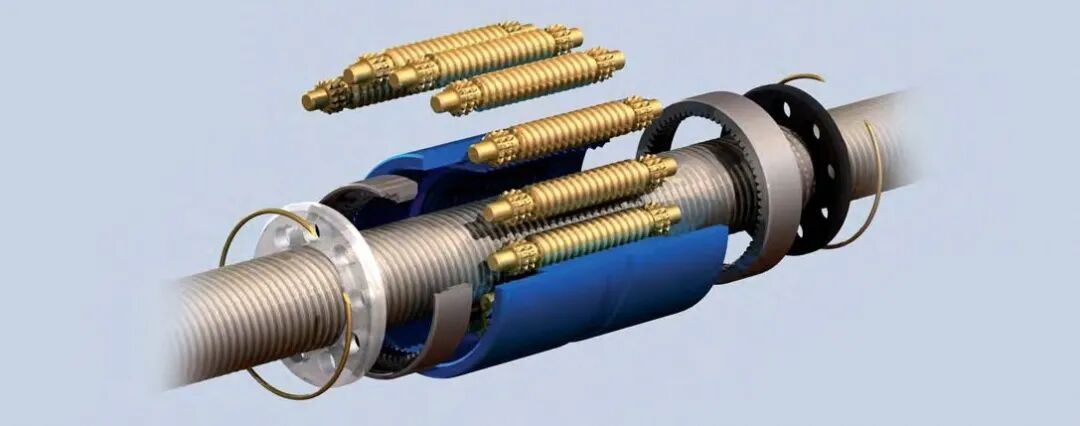
Tesla’s Optimus uses a reverse planetary roller screw:
- •Integrating the motor within the nut, reducing the lead screw length by 50%.
- •Eliminating the internal gear structure to avoid the challenges of precision gear processing. Domestic companies like Shuanglin Co. have already laid out this route.
4. Who Will Dominate the Billion-Dollar Market?
Market Estimation (Neutral Scenario):
- •Global humanoid robot sales by 20301 million units
- •Value of lead screw per unit15,000 yuan → Market space18.7 billion yuan
Progress of Domestic Alternatives:
| Company | Breakthrough Point | Progress |
|---|---|---|
| Beite Technology | Fully autonomous production | Sample delivery for testing |
| Best | Linear motion components (Yuhua Precision Machinery) | Mass production of guide rail pairs |
| Silin Co. | Collaborative development in the supply chain | Trial production of actuator modules |
5. The Future Battle: The Ultimate Competition of Mass Production and Cost
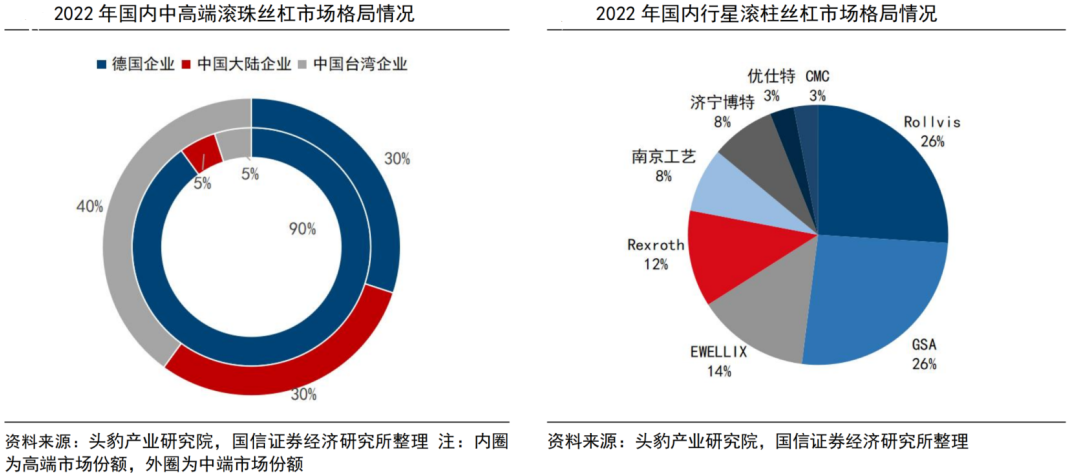
Foreign giant Schaeffler monopolizes 50% of the global market share, but the window for domestic alternatives is opening:
- 1.Cost Reduction Path: From tens of thousands (sample) → thousands (mass production).
- 2.Equipment Breakthrough: Qin Chuan Machine Tool’s domestic grinding machine precision reaches P1 level.
- 3.Policy Support: Special subsidies for industrial mother machines cover lead screw equipment R&D.
Key Technical Node: The mass production of Tesla in 2025 will become an industry turning point and also the “entrance qualification” for domestic lead screws.
Conclusion
As we marvel at the agile postures of humanoid robots, let us not forget: those metal rollers that transmit motion precisely on a microscopic scale are supporting China’s intelligent manufacturing as it ventures into the deep waters of high-precision manufacturing. There are no shortcuts in the lead screw battlefield; only by rigorously tackling processes, equipment, and materials can the “heart of the robot” truly beat to the rhythm of China.
Warm reminder: This article is mainly for technical communication and discussion and does not constitute investment advice. For friends who need detailed research reports, please follow and comment “roller screw” in the comment section to receive it for free.