In the current Chinese luxury car market, the sales of second-tier high-end brands are growing at an average annual double-digit rate. In 2023, the Lincoln brand achieved a counter-trend growth of over 15% in the Chinese market, becoming one of the few “dark horses” in the luxury segment. Beyond the traditional BBA trio, an increasing number of young consumers are seeking fresh alternatives; they are no longer satisfied with the monotonous German “face” but crave unique character and personal expression. Against this backdrop, the all-new Lincoln Zephyr Reflection concept car has made a high-profile debut, tailor-made for the Chinese market. Behind this is Lincoln’s keen insight into the needs of Chinese users and a bold attempt at localizing the brand.
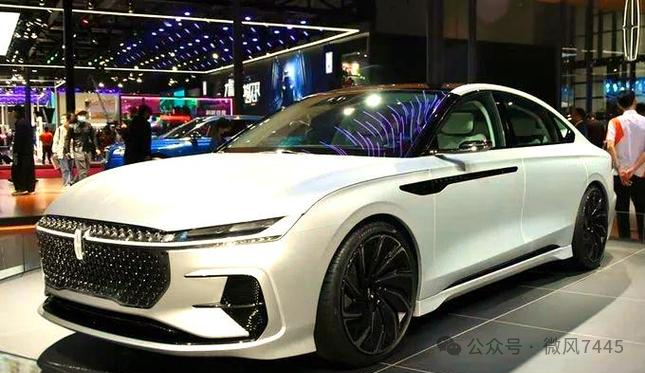
When it comes to Lincoln, many people conjure images of classic American luxury sedans, the iconic starry grille, and even the historical aura of the U.S. presidential limousine. However, the reality is that Lincoln’s journey in the Chinese market has not been smooth. Since its official introduction in 2014, Lincoln has always existed in the cracks between BBA and Lexus. Frequent price fluctuations, inconsistent product strength, and vague brand recognition have at times relegated it to the status of a “marginal player.” However, from the Aviator to the Navigator, Lincoln has accelerated its localization in recent years, continuously enriching its product matrix and adopting a more grounded pricing strategy. Especially with the launch of the first China-exclusive model, the Zephyr, in 2021, the name “Lincoln” has truly entered the social circles of young elites in China.
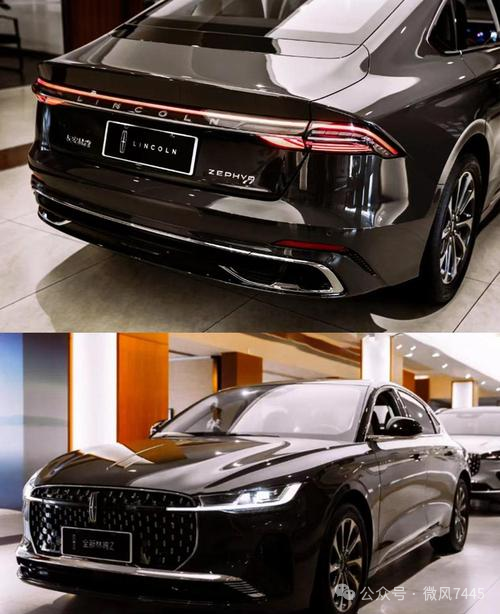
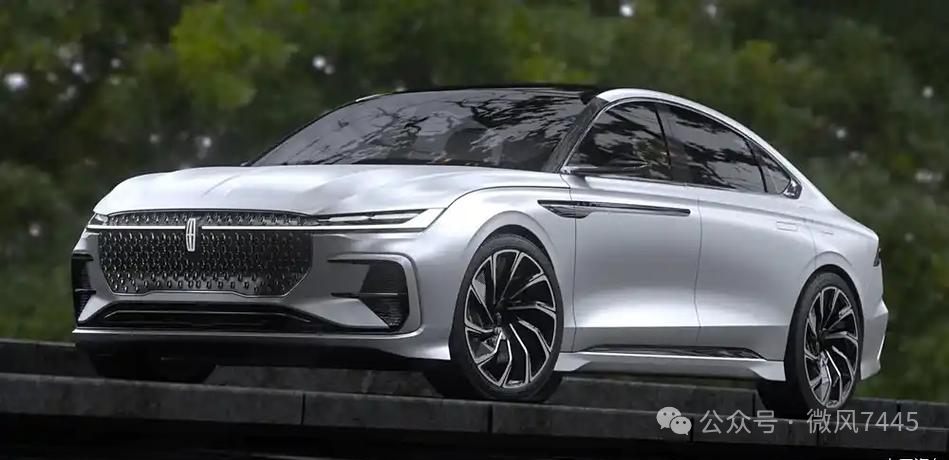
Now, the Zephyr Reflection concept car has emerged, targeting the aesthetic and vehicle needs of China’s new middle class. The new generation model has undergone significant evolution in design, configuration, and technological intelligence, attempting to break the mold with “avant-garde luxury.” In terms of appearance, this new car has completely changed the traditional image of bulky American cars. The front features a flatter, futuristic continuous LED light strip, and the starry grille resembles a finely crafted work of art, delivering a strong visual impact. The side profile is long and smooth, with a coupe-like roofline and hidden door handles that not only enhance aesthetics but also reduce drag coefficient. The rear design is equally bold, with a continuous taillight and large logo that are highly recognizable, exuding an overall presence that rivals mainstream luxury brands. Compared to the previous generation Zephyr, the Reflection offers a more sporty, technological, and youthful visual experience, completely shedding the older generation’s stereotype of Lincoln as “greasy.” Even when competing with models like the BMW 3 Series and Audi A4L, the Zephyr Reflection’s aesthetics are worthy of challenge.
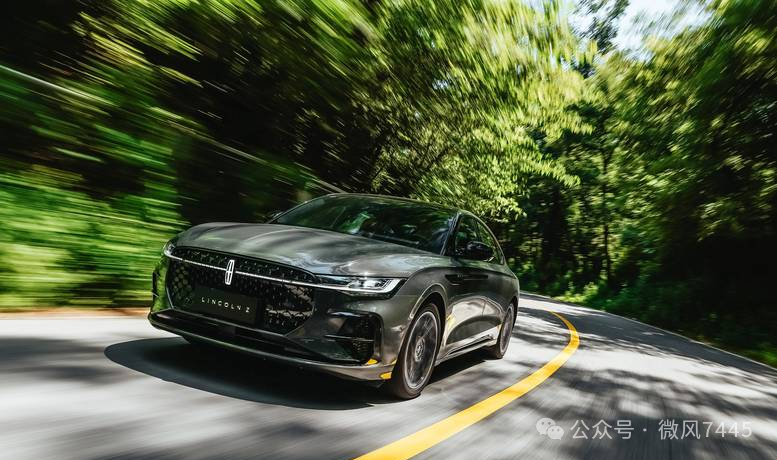
In terms of dimensions, the Zephyr Reflection targets the local Chinese consumers’ obsession with “spaciousness.” The car length exceeds 4.9 meters, and the wheelbase approaches 2.95 meters, nearly matching the specifications of a C-class sedan. Sitting in the rear, legroom is ample, and headroom is not compromised by the coupe-like design. Storage capacity is also adequate, ensuring practicality for both daily commutes and long-distance drives. More importantly, Lincoln’s commitment to comfort is fully realized in this vehicle. The seats are wrapped in high-quality Nappa leather, supporting multiple electric adjustments along with heating, ventilation, and massage functions. The rear seat area resembles a “first-class cabin,” equipped with independent air conditioning, a smart dimming skylight, and multimedia entertainment screens, fully catering to the “face” and “substance” needs of Chinese family users.
In terms of interior design, Lincoln has always emphasized that “luxury should be within reach.” The Zephyr Reflection breaks away from the traditional ruggedness of American designs, opting instead for a minimalist and highly technological cabin design that captivates young consumers. The entire vehicle adopts a wrap-around cockpit layout, with a continuous dual-screen setup that creates a strong sense of visual extension. The center console features a large area of soft-touch materials and wood grain trim, providing a luxurious feel without sacrificing warmth. Notably, Lincoln has equipped the Zephyr Reflection with the latest generation SYNC+ intelligent connectivity system, featuring a highly technological UI interface, voice recognition, gesture control, home-vehicle connectivity, and OTA upgrades. The high-end models also introduce full-scene L2+ level intelligent driving assistance, including adaptive cruise control, lane keeping, automatic parking, and blind spot monitoring, almost achieving “hands-free” driving. In terms of safety, both active and passive safety configurations cover the entire vehicle, including AEB automatic emergency braking, panoramic imaging, fatigue monitoring, and collision warnings, comprehensively safeguarding driving safety.
Regarding the powertrain, the Zephyr Reflection does not blindly chase electrification trends but instead opts for a more balanced power layout. The new car is expected to be equipped with a 2.0T high-power turbocharged engine, with a maximum horsepower exceeding 250, paired with an 8-speed automatic transmission, balancing smoothness and power response. For users seeking higher fuel efficiency, a hybrid version may be introduced in the future. In contrast, the BMW 3 Series focuses on 2.0T high and low power, while the Audi A4L and Mercedes-Benz C-Class also emphasize power. However, in actual driving experiences, Lincoln’s tuning leans more towards comfort and quietness, with a suspension that is moderately soft and firm, and steering that feels stable, making it very suitable for urban commuting and long-distance cruising. As for pricing, the Zephyr Reflection is expected to start at around 250,000 to 300,000 yuan, with high-end models potentially exceeding 350,000 yuan, creating a competitive gap with its rivals. Considering Lincoln’s recent “end-user discount” policies, the actual transaction price may be even more surprising in the future.
In the market, the Zephyr Reflection directly addresses the “spiritual pain points” of China’s new middle class—both face and substance, along with a technological experience. For those tired of the monotonous offerings from the German “three brothers,” Lincoln’s American luxury and unique character undoubtedly present a differentiated choice. Currently, consumer demand for automotive intelligence and personalization is increasing, and the “identity symbols” of traditional luxury brands are being redefined. Lincoln has seized this change in consumer psychology, boldly shifting its product style towards youthfulness and technological sophistication. Meanwhile, the wave of new energy is sweeping the globe, with domestic brands like NIO, Xpeng, and Zeekr making rapid advancements in technology and intelligence, posing a strong challenge to traditional luxury brands. Although Lincoln’s pace may seem slightly slow, through localized innovations like the Zephyr Reflection, it is striving to shorten the “generational gap.”
On the brand level, Lincoln’s greatest advantage lies in its unique American luxury genes and high recognition design, which is a rare breath of fresh air in the highly homogenized luxury B-segment market. However, the drawbacks are also evident; brand recognition and channel penetration still lag behind BBA, and after-sales maintenance and second-hand value retention need improvement. However, with the deepening of its localization strategy, Lincoln is expected to gradually narrow the “psychological distance” with mainstream luxury brands, relying on the design, research and development, and after-sales service systems of its Chinese team.
In the future, will the Zephyr Reflection become Lincoln’s “turning point” in the Chinese market? Industry insiders are generally optimistic about its market performance, especially in the second-tier luxury segment, where it possesses strong “breakthrough” potential. Whether it can shake the foundations of BBA remains to be seen. For the new middle class in China, who seek uniqueness and value in in-car experience and intelligent technology, this may be the “car” they have been waiting for.
What do you think? Between German luxury and new energy forces, would you choose to pay for the American luxury of the Lincoln Zephyr Reflection? What would your choice be? Feel free to leave your comments for discussion.