In autumn and winter, people enjoy various citrus fruits such as tangerines, oranges, and pomelos, and we cannot forget the delicious kiwi! Known as the ‘King of Vitamin C’, the kiwi boasts an impressive vitamin C content, making it a champion among fruits. Of course, kiwi is also rich in other nutrients and is loved for its taste and texture.Regular consumption keeps your body in top shape With the dry weather in autumn and winter, kiwi can help clear heat and moisturize, especially suitable for the elderly and children who are prone to lung heat and excessive internal heat. Eating kiwi at this time is quite appropriate.
 01Heart Protection and Vascular Health Kiwi contains a significant amount of flavonoids and polyphenols, which are antioxidants that can inhibit the oxidation of free radicals, reducing the harm of free radicals to blood vessels and protecting vascular health. Additionally, kiwi contains an important component, arginine, which helps prevent the formation of blood clots and improves blood flow, making it beneficial for preventing cardiovascular diseases. Moreover, the high potassium content in kiwi can help regulate body fluid balance and maintain normal heart function, making it an ideal food for people with hypertension and edema.
 02Boosting Immunity Kiwi is rich in vitamin E, which can lower cholesterol and enhance immune system function, helping to regulate the immune system and strengthen the body’s resistance. Additionally, a 2022 article published in BMC Subjournal Genes and Environment showed that quercetin in kiwi can significantly reduce the number of lung tumor nodules in mice with lung cancer, providing auxiliary prevention and treatment effects for lung cancer.
 03Strengthening Bones In addition to being rich in vitamin C, kiwi also contains a lot of vitamin K, both of which are very beneficial for bone health and can help prevent osteoporosis. A deficiency in vitamin C can lead to collagen synthesis disorders, resulting in poor organic bone formation and osteoporosis. Vitamin K promotes calcium deposition in bones, facilitating calcium absorption and promoting osteoblast activity while inhibiting osteoclast activity, which is effective in preventing fractures. As people reach middle age, calcium loss accelerates, so it is important to consume calcium-rich foods regularly. In addition to milk, lean meat, and tofu, fruits like kiwi are also a good choice.
 04Preventing Constipation Kiwi has a high dietary fiber content compared to other fruits, at 2.6g/100g, which is 1.5 times that of apples and 2.2 times that of bananas. It promotes gastrointestinal motility and helps in the excretion of feces, preventing constipation. A study published in AJG also found that consuming two fresh whole green kiwis daily can improve constipation and gastrointestinal comfort, and is recommended as a dietary therapy for maintaining gastrointestinal comfort!
 05Beauty and Skin Care When it comes to fruits rich in vitamin C, kiwi, with a vitamin C content of 62mg/100g, cannot be overlooked, being nearly twice that of oranges, 12.4 times that of pears, and 20 times that of apples.
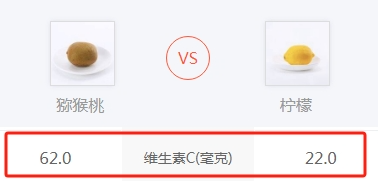 The recommended daily intake of vitamin C for the general population in China is 100mg/day, so eating one or two kiwis can meet the daily vitamin C needs of most people. Vitamin C is involved in collagen synthesis, maintaining skin elasticity and reducing the formation of wrinkles.03People Who Should Eat Less 1. Kiwi is slightly cold in nature, so people with a weak spleen and stomach are advised not to eat it, as it may increase gastrointestinal burden and worsen discomfort. 2. Individuals with moderate to severe allergies or those who have experienced allergic reactions after consuming kiwi should avoid it, as it may trigger allergic responses. 3. Kiwi is a cooling fruit, so it is recommended that women consume less during menstruation. 4. People with renal insufficiency should also limit their intake, as kiwi contains a lot of water and potassium, which can burden the kidneys.