The GAMMIX series, known in Chinese as “翼龙”, is a classic series from XPG, a high-end gaming brand under ADATA. The highest positioned product in this series is the S70, followed by the mainstream S50 series. Last year, the PCI-E 4.0 mainstream product – the XPG GAMMIX S50 Lite series – offered significantly faster read and write speeds compared to PCI-E 3.0 M.2 SSDs, and at a price that is quite accessible, making it a popular choice among users. Now, ADATA has launched the high-end version of the XPG GAMMIX S50 Lite series – the XPG GAMMIX S50 PRO series (hereafter referred to as XPG GAMMIX S50 PRO).
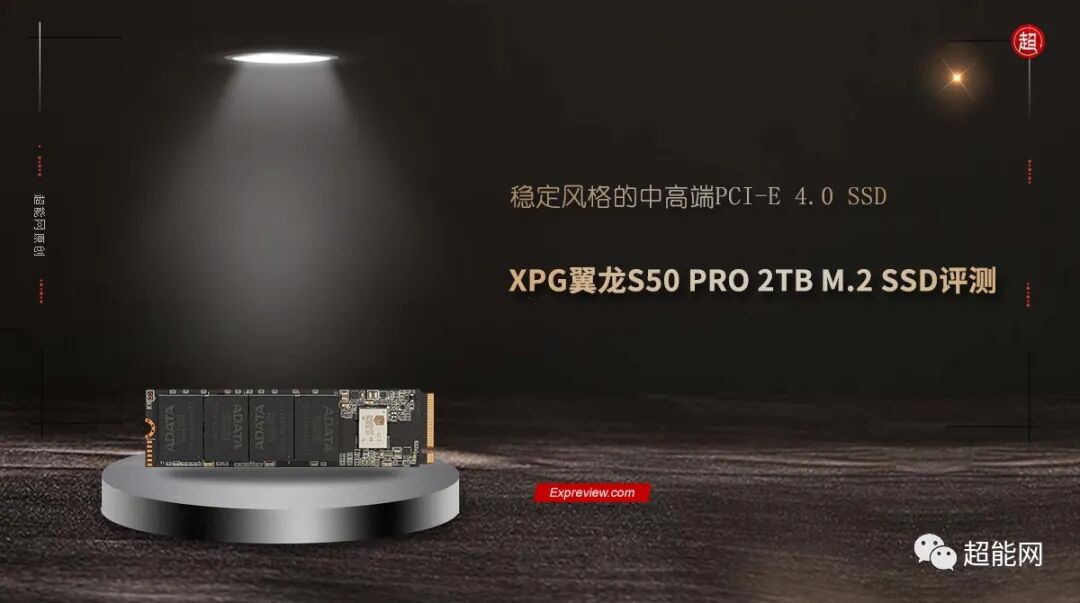
Recently, the prices of large-capacity SSDs have dropped significantly, making them more affordable. For players looking to purchase an SSD, I highly recommend the 2000GB version, as major brands now offer 2000GB SSDs for under a thousand yuan. Therefore, the XPG GAMMIX S50 PRO SSD we are testing is also the 2000GB version.
Packaging and Product Introduction
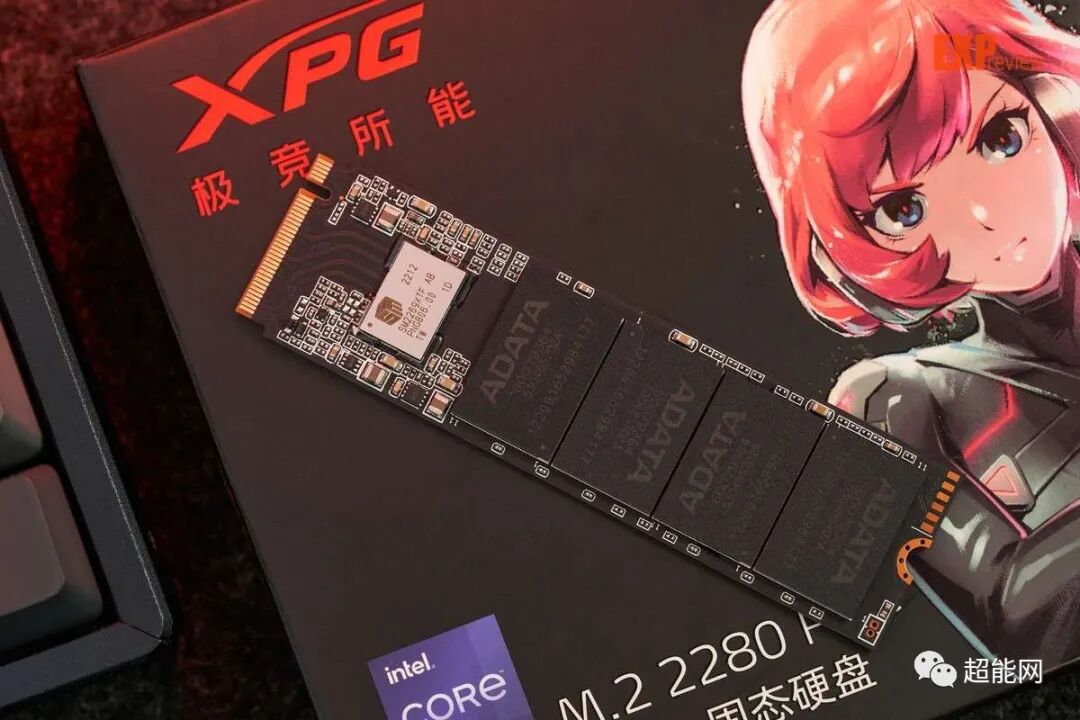
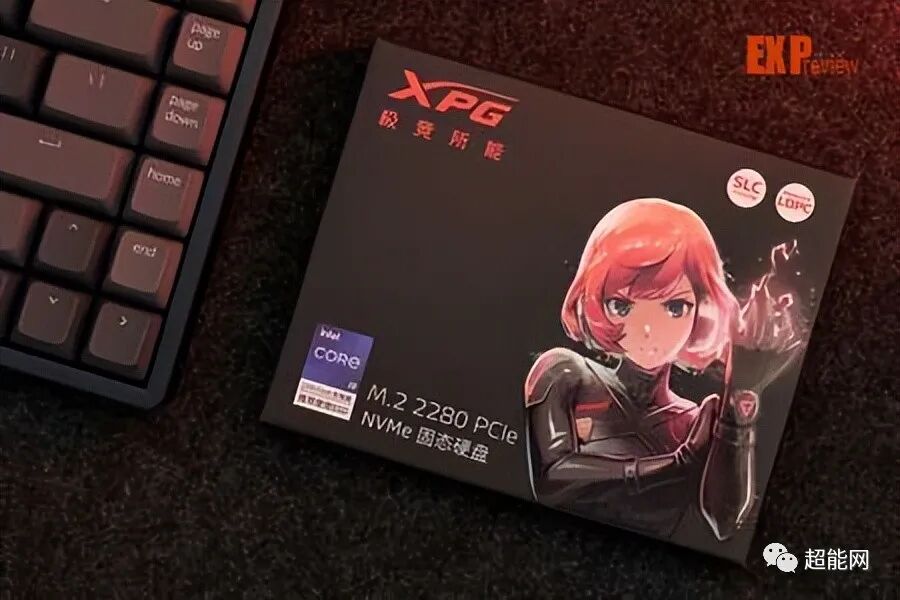
The packaging of the ADATA XPG GAMMIX S50 PRO 2000GB SSD features a predominantly black design. This packaging is actually an older version, and the lower right corner of the front displays the logo for the 11th generation Core processors. This is primarily because the launch of the 11th generation Core desktop processor, Rocket Lake, marked the full support of PCI-E 4.0 across all new platforms, and the XPG GAMMIX S50 PRO is also a PCI-E 4.0 compliant product.
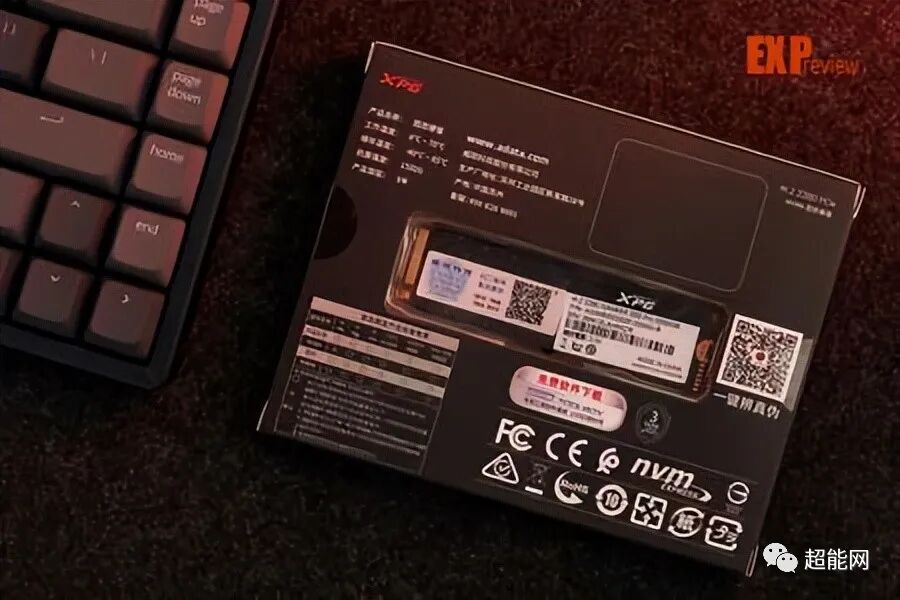
The back of the packaging simply lists some parameters of the product, including operating temperature, storage temperature, shock resistance, etc. A key piece of information is that the product has a warranty of only 3 years. Additionally, the back features a transparent window design, allowing a direct view of the XPG GAMMIX S50 PRO inside, which does not have a heat sink cover.
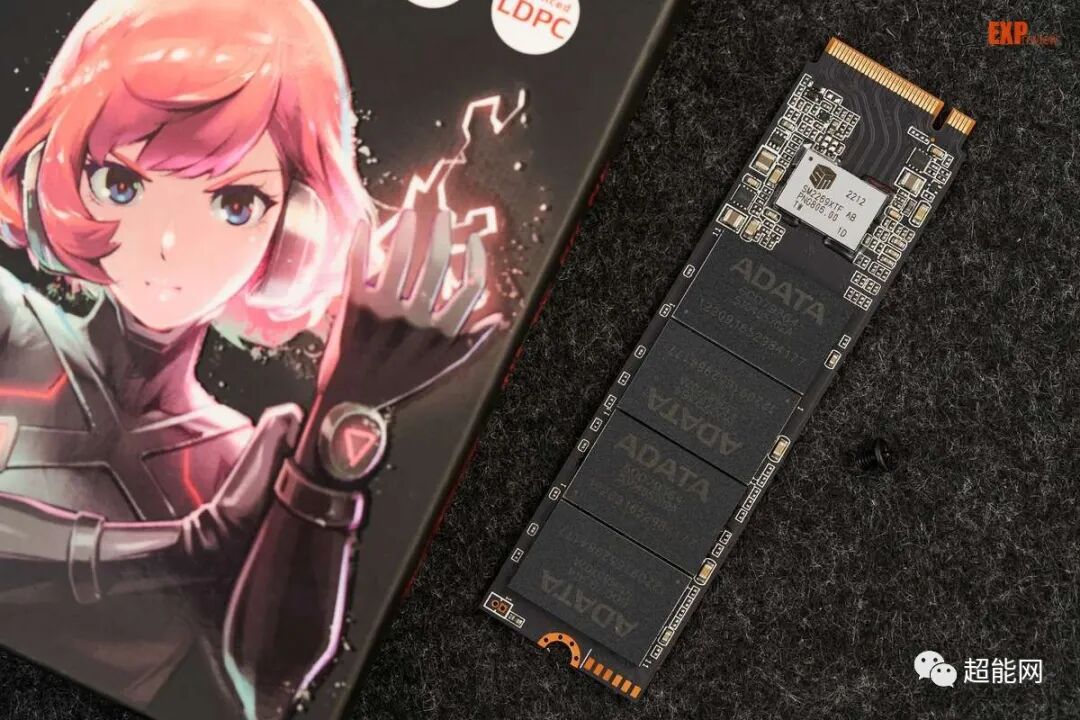
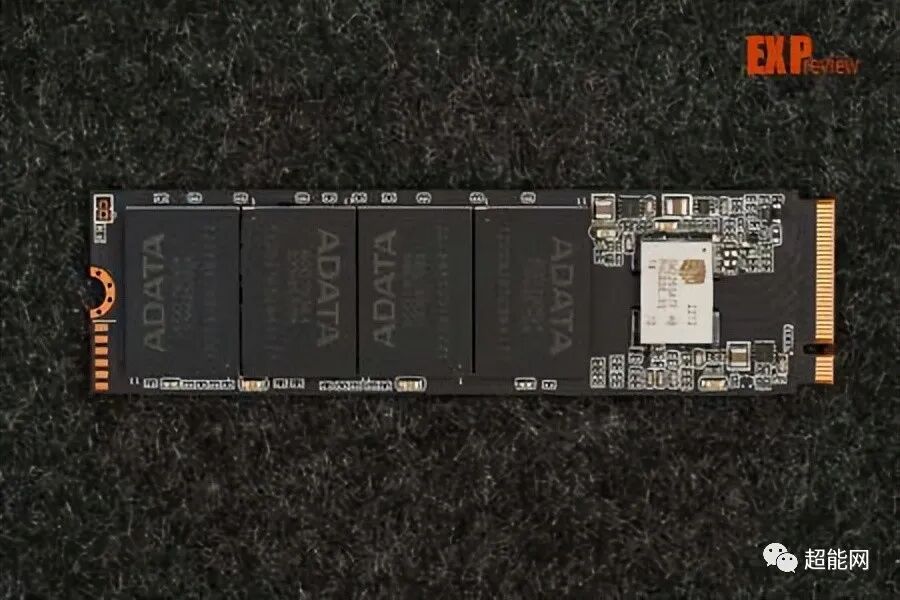
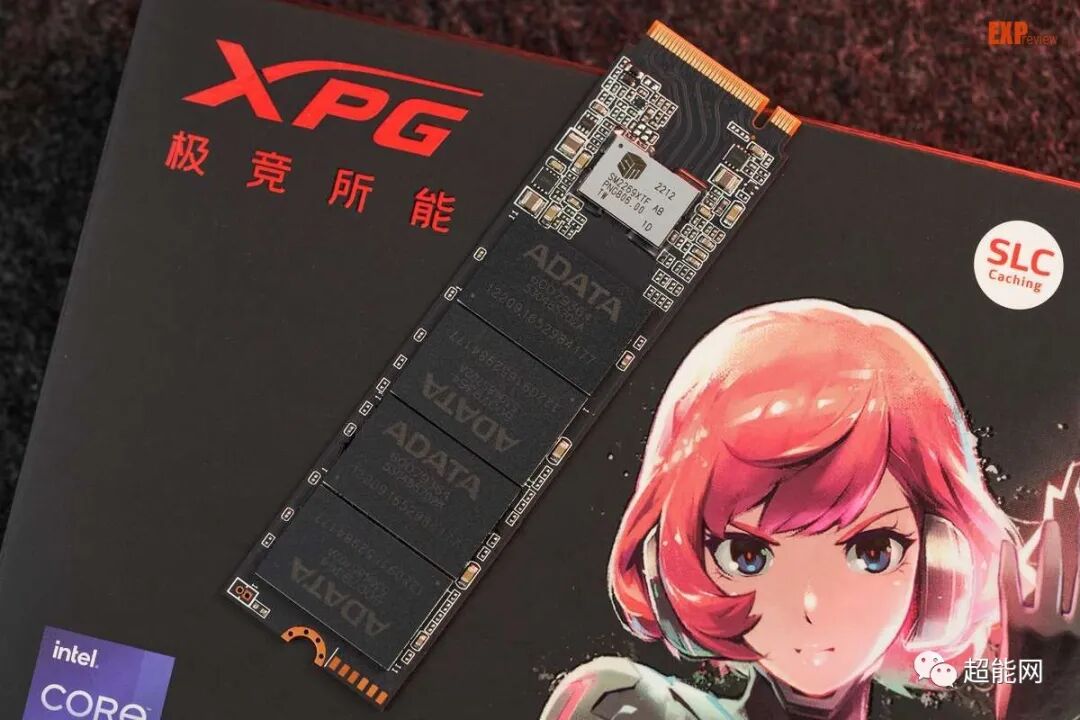
The ADATA XPG GAMMIX S50 PRO 2000GB SSD does not have a heat sink, so the front clearly shows the NAND flash chips and the controller chip. The XPG GAMMIX S50 PRO does not have a separate DRAM cache; the front consists of one controller chip and four NAND flash chips, which is quite simple. This SSD uses the Silicon Motion SM2269XTF solution, which is a mid-high-end PCI-E 4.0 controller.
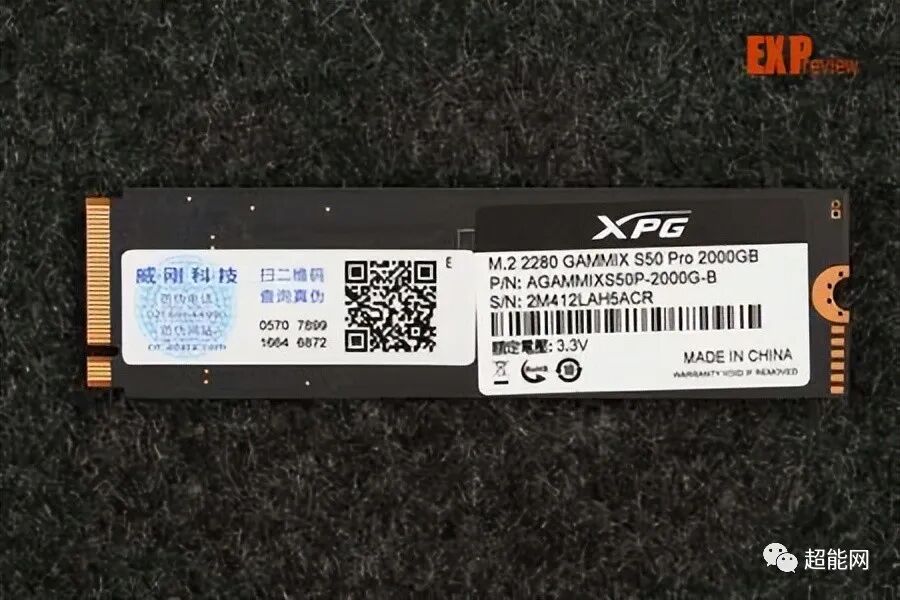
The back does not have NAND flash chips, indicating that the XPG GAMMIX S50 PRO has good compatibility, allowing it to be installed in some laptops with limited space. Additionally, the back features orientation markings and product SN codes.
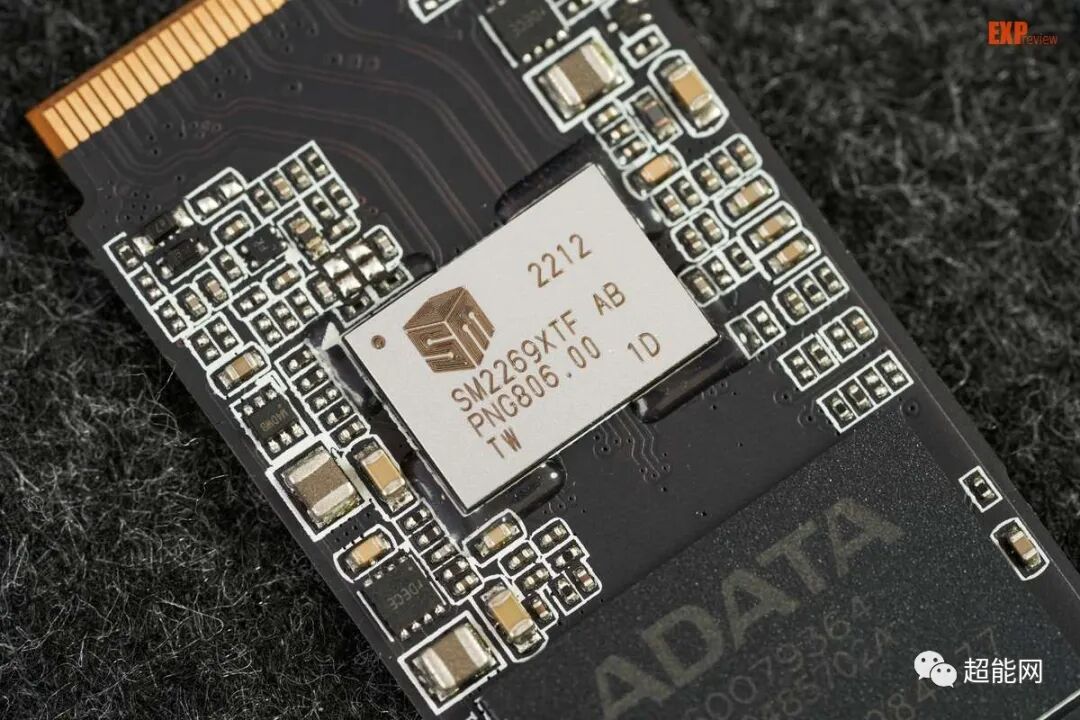
The Silicon Motion SM2269XT controller is manufactured using TSMC’s 12nm FinFET process and is equipped with two Arm Cortex-R8 architecture cores. It supports PCIe 4.0 x4 and NVMe 1.4 protocols, eliminating the need for an external large-capacity DRAM cache. It supports four NAND channels, each capable of reaching up to 1600MT/s, and supports automatic adjustment of multi-core loads. It also supports HMB (Host Memory Buffer) technology, the seventh generation NAND Xtend ECC error correction technology, SRAM ECC, 4KB LDPC engine, and programmable RAID, making it compatible with 3D NAND TLC/QLC flash chips.
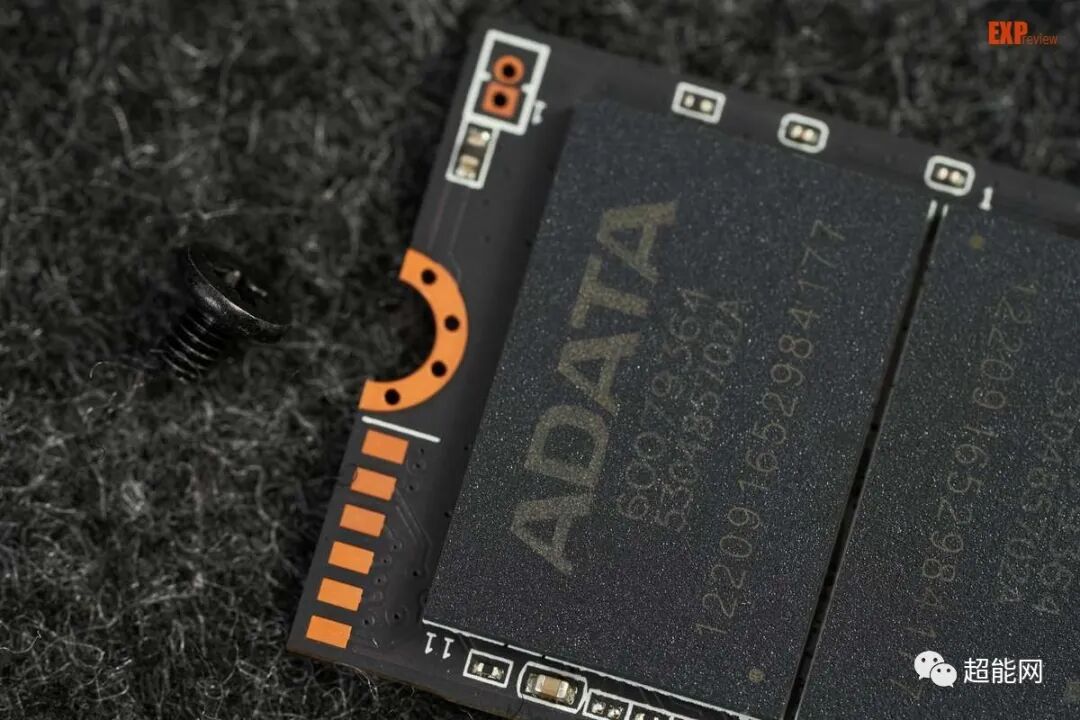
The NAND flash chips are self-branded by ADATA, and specific information cannot be discerned. The actual performance of this NAND flash chip combination with the Silicon Motion SM2269XT controller needs to be determined through testing.
Testing Platform and Description
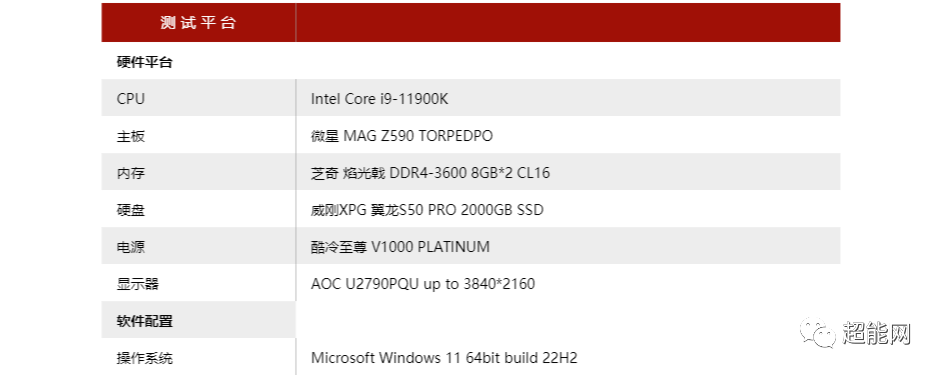
For the testing platform, an Intel Core i9-11900K processor was used, with an MSI MAG Z590 TORPEDO motherboard, and dual-channel DDR4-3600 8GB x2 memory installed. The ADATA XPG GAMMIX S50 PRO 2000GB SSD being tested is installed in the M.2 slot directly connected to the CPU, while the system drive is installed in the M.2 slot on the PCH, allowing the tested drive to perform at its best.
The testing projects included CrystalDiskMark, disk tests from PCMark 10, PCMark 8, and PCMark 7, as well as storage tests from 3DMark, full disk write tests from TxBENCH, and discrete tests from IOMeter, providing a comprehensive understanding of the SSD’s performance.
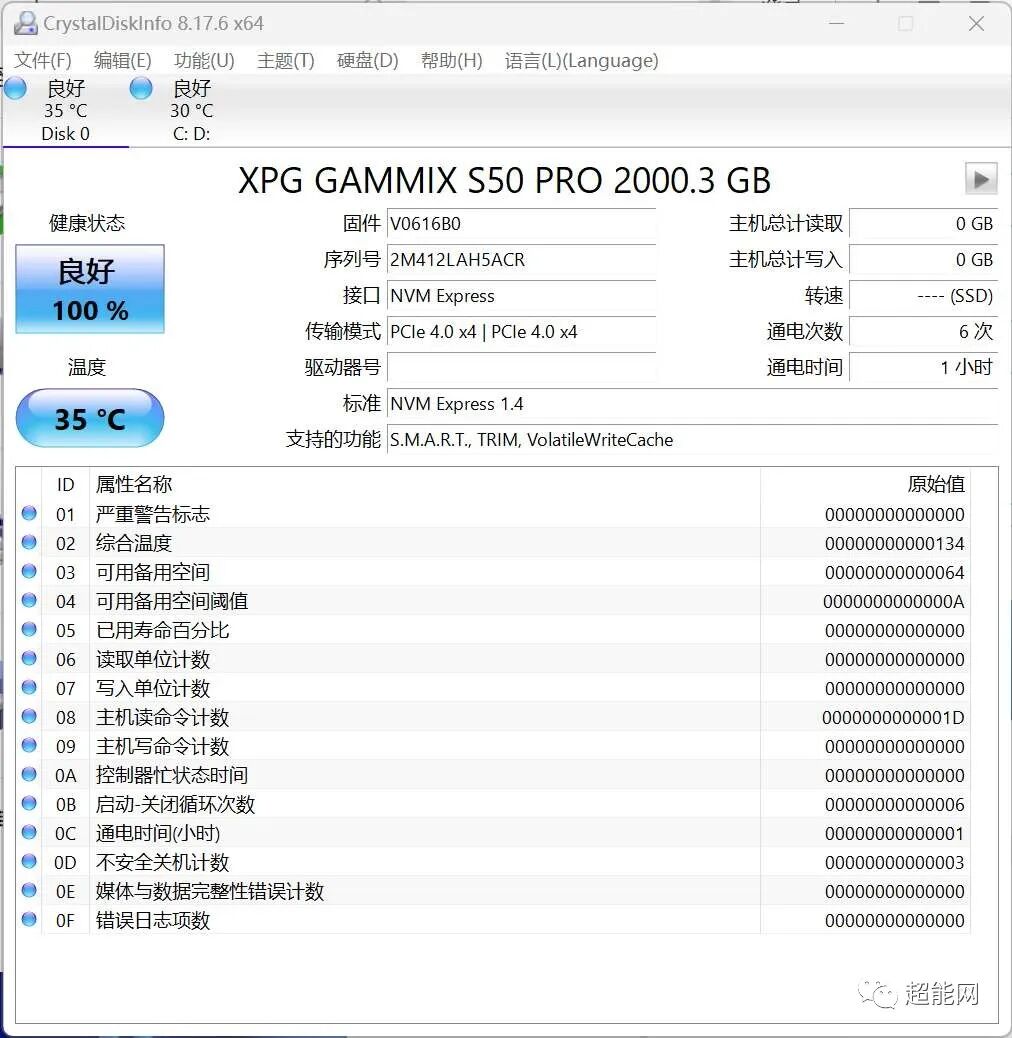
Figure: CDI information of the ADATA XPG GAMMIX S50 PRO 2000GB SSD
CrystalDiskMark
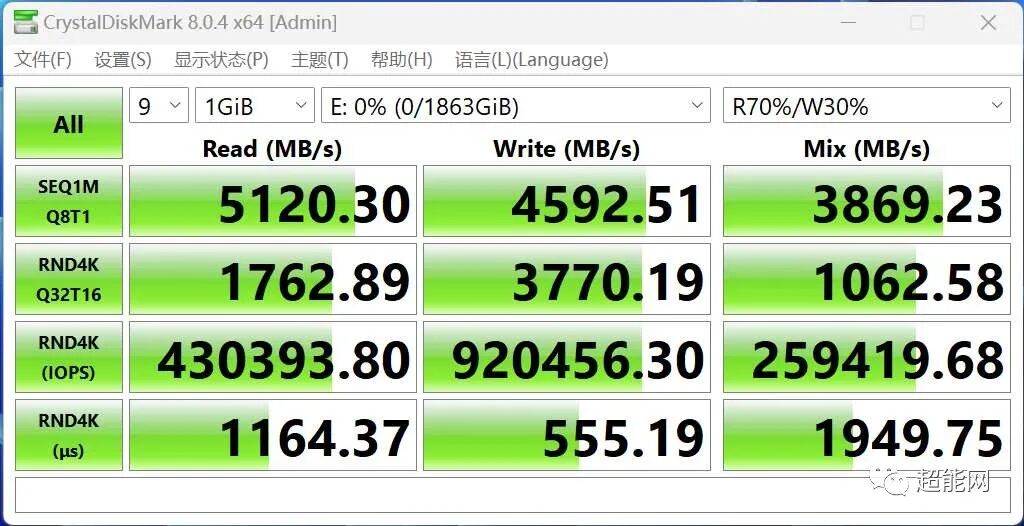
Figure: Peak performance of the ADATA XPG GAMMIX S50 PRO 2000GB SSD in CrystalDiskMark
In the peak performance test of CrystalDiskMark, the ADATA XPG GAMMIX S50 PRO 2000GB SSD achieved a sequential read speed of 5120 MB/s and a sequential write speed of 4592 MB/s, which is basically consistent with the official specifications. The maximum random read speed was 430393 IOPS, and the maximum random write speed was 920456 IOPS.
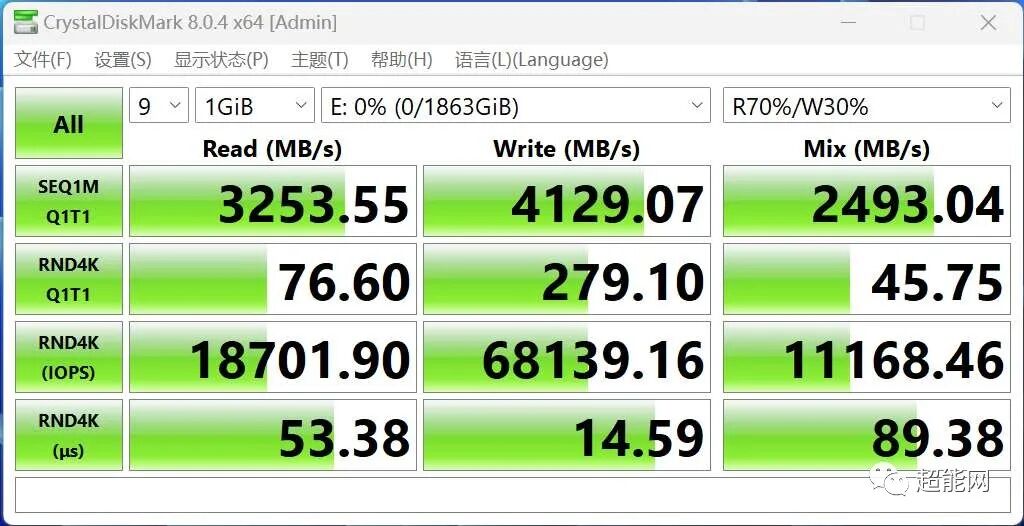
Figure: Authentic performance of the ADATA XPG GAMMIX S50 PRO 2000GB SSD in CrystalDiskMark
In the authentic performance test of CrystalDiskMark, the ADATA XPG GAMMIX S50 PRO 2000GB SSD achieved a sequential read speed of 3253 MB/s, a sequential write speed of 4129 MB/s, a random read speed of 18701 IOPS, and a random write speed of 68139 IOPS, which far exceeds the needs of most users.
PCMark 7 Disk Test
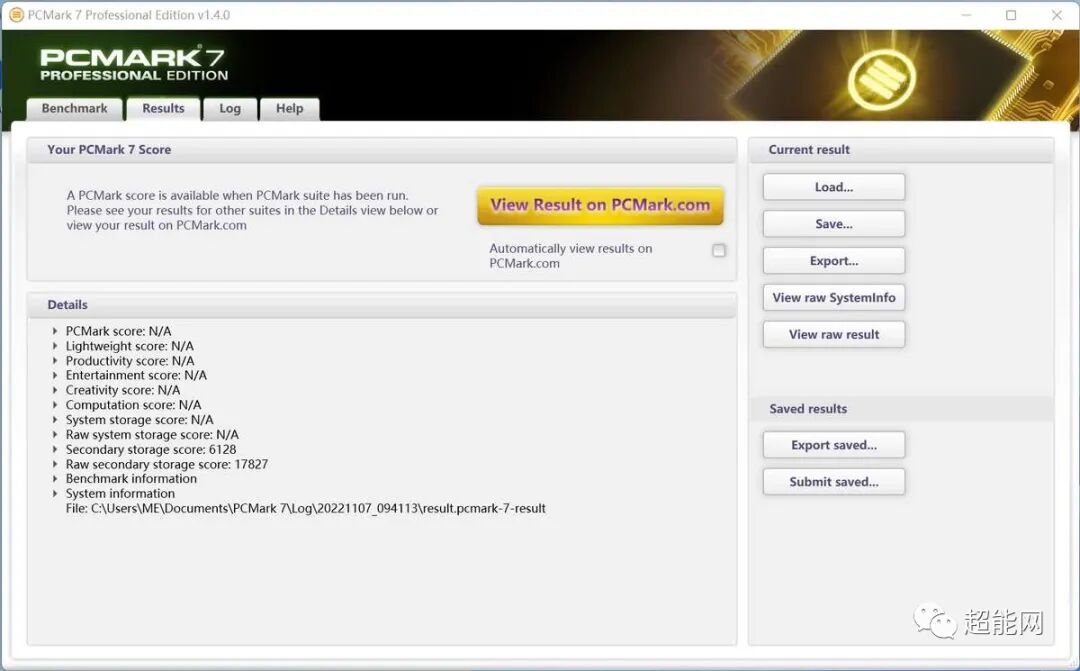
The disk test in PCMark uses disk trace playback, which better reflects the actual performance of the SSD. The ADATA XPG GAMMIX S50 PRO 2000GB SSD scored 17827 in the PCMark 7 disk test.
PCMark 8 Disk Test
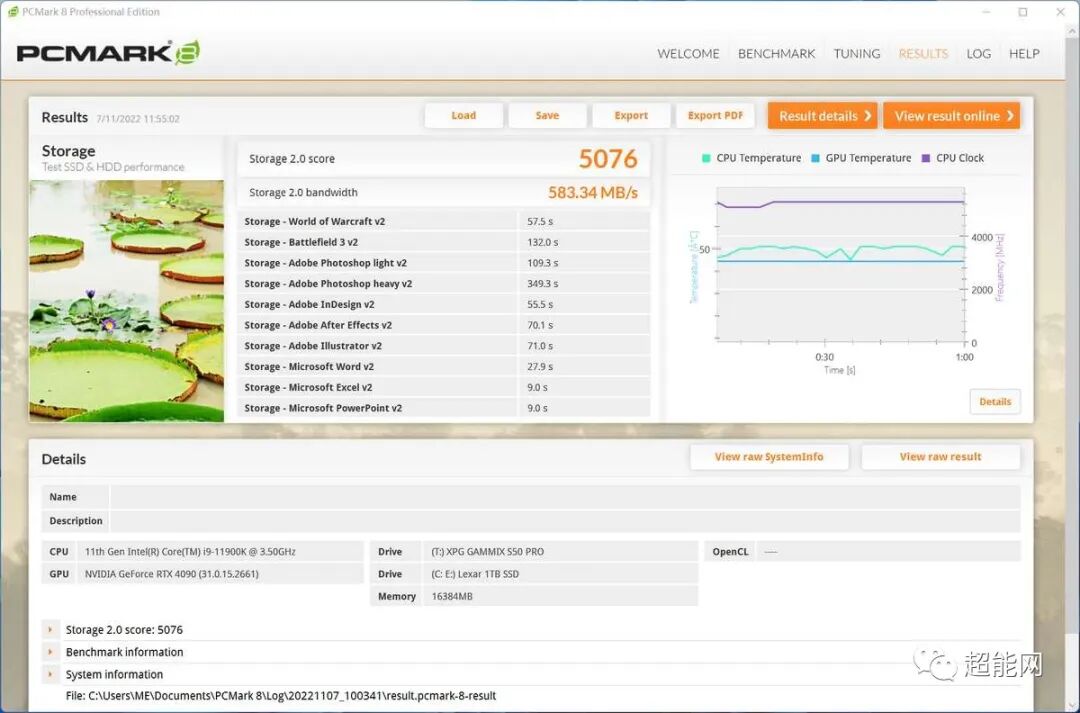
In the PCMark 8 disk test, the average transfer rate of the ADATA XPG GAMMIX S50 PRO 2000GB SSD was 583.34 MB/s.
PCMark 10 Disk Test
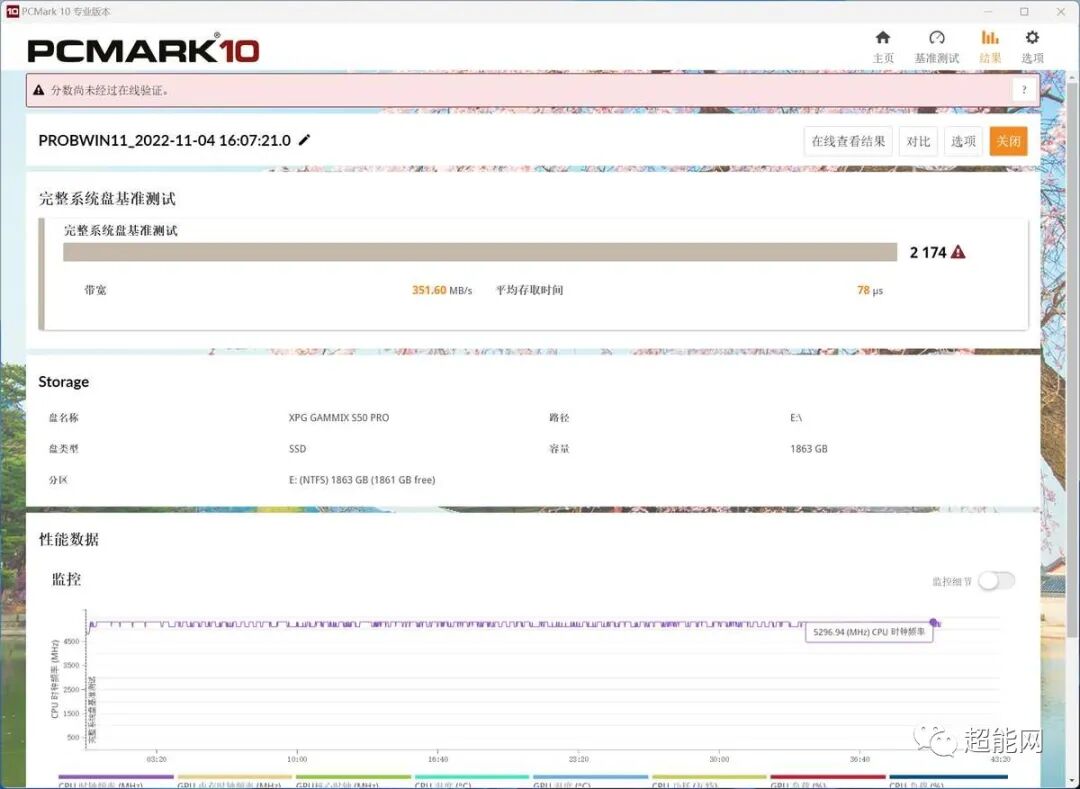
In the PCMark 10 disk test, in addition to providing the SSD’s transfer rate, it also provides the average latency. The average transfer rate of the ADATA XPG GAMMIX S50 PRO 2000GB SSD was 351.60 MB/s, with an average latency of 78us.
3DMark Storage Test
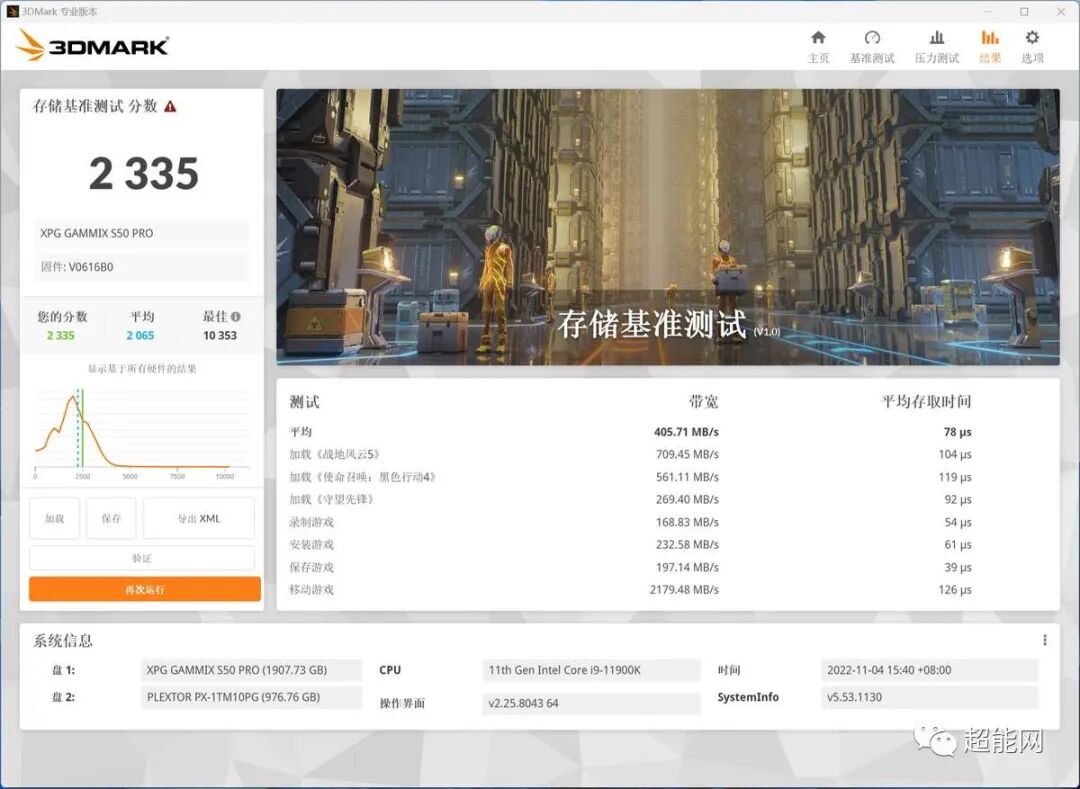
The 3DMark storage benchmark test is specifically designed to test the gaming performance of the latest PC storage devices. Similar to the disk test in PCMark 10, it is based on real application disk trace playback, focusing on practical and realistic gaming performance. The ADATA XPG GAMMIX S50 PRO 2000GB SSD scored 2335, with an average transfer speed of 405.71 MB/s and an average latency of 78us.
TxBENCH Full Disk Write Test
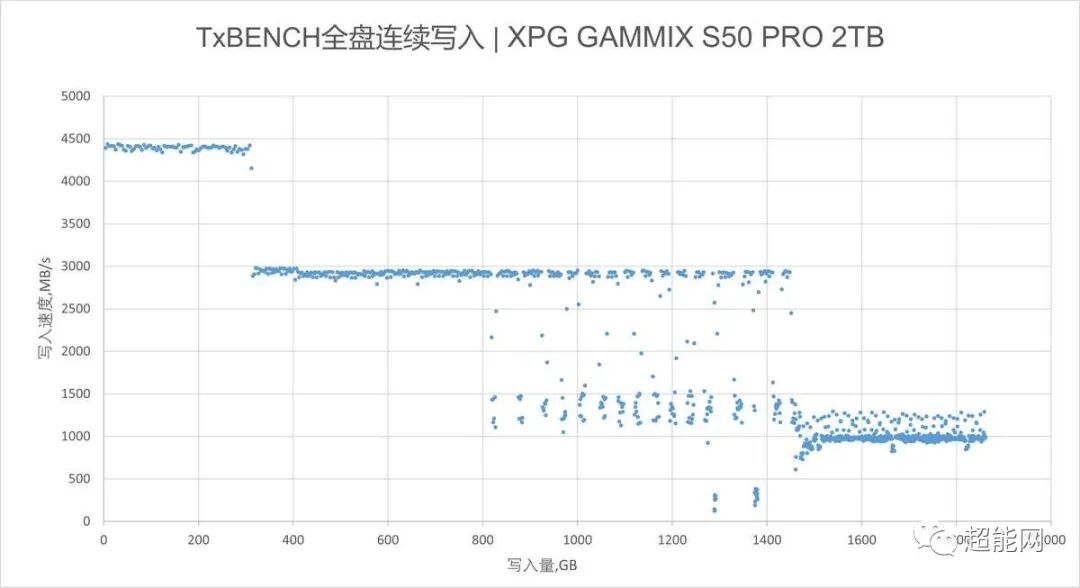
In this test, the tested drive undergoes a full disk continuous write test without partitioning, until the entire available space of the drive is filled.

From the TxBENCH full disk write curve, it can be seen that the SLC Cache of the ADATA XPG GAMMIX S50 PRO 2000GB SSD is approximately 312GB. With cache, the write speed is 4387.01 MB/s, and after the cache is exhausted, the write speed remains around 2859 MB/s for a period of time. When the write volume reaches 874GB, the speed starts to become a bit unstable, but for most of the time, it still maintains a speed of around 2800 MB/s.
Only after the write volume reaches 1452GB does the speed drop to an average of around 1002 MB/s, and this continues until the entire disk is filled. The average write speed in the entire uncached area is 1700.76 MB/s, with an overall average write speed of around 1895.88 MB/s.

The above shows the time taken for the ADATA XPG GAMMIX S50 PRO 2000GB SSD at various stages of writing. The SSD maintains SLC Cache in the ranges of 10GB and 50GB.
IOMeter Test
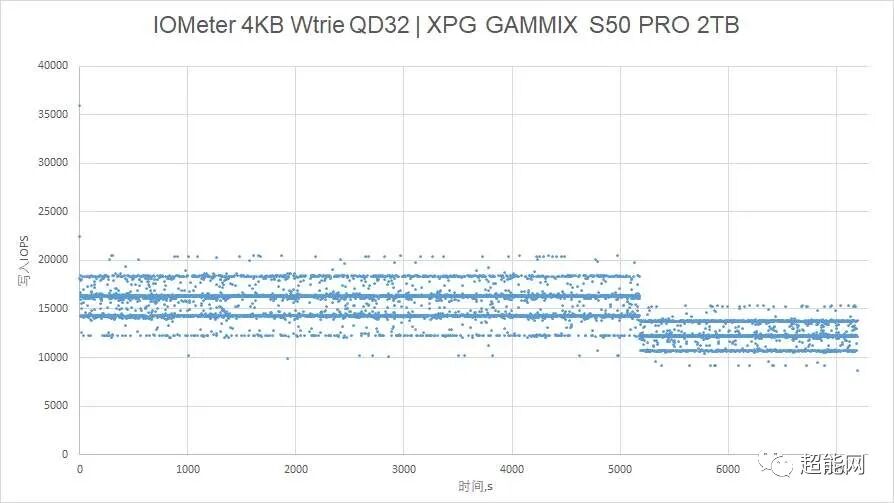
This is the IOPS discrete distribution recorded after a two-hour 4K QD32 random write test on the entire ADATA XPG GAMMIX S50 PRO 2000GB SSD. The initial IOPS maintained between 12000 and 18000 for about 1 hour and 26 minutes, after which the IOPS dropped to between 11000 and 13000.
Conclusion
The ADATA XPG GAMMIX S50 PRO 2000GB SSD utilizes the Silicon Motion mid-high-end PCI-E 4.0 x4 SM2269XT controller and features a DRAM-less design, supporting the NVMe 1.4 protocol. It has been tested to have approximately 312GB of SLC Cache, with an average write speed of 4387.01 MB/s within the cache. One of its highlights is that the sustained write speed outside the cache can maintain around 2800 MB/s over a considerable capacity, even after exceeding 1452GB, it still maintains an average speed of around 1002 MB/s until the entire disk is filled.
The average write speed in the entire uncached area of the ADATA XPG GAMMIX S50 PRO 2000GB SSD is 1700.76 MB/s, with an overall average write speed of around 1895.88 MB/s. The time taken to fill the entire 2000GB disk is 16 minutes and 46 seconds, which is considered a high-performance result. Its performance in the IOMeter test, which reflects random performance, is quite stable; although it does not achieve very high IOPS, it also does not experience very low moments, indicating that the random performance is very stable. Overall, it is a highly recommended large-capacity PCI-E 4.0 TLC SSD.

Follow us on the Super Energy Network WeChat public account
Scan to follow us and browse popular hardware reviews
Check the latest rankings anytime