At the IFA exhibition in Berlin in September 2025, SwitchBot presented an impressive “AI report card” with a deep reflection on home scenarios—three newly launched products: the AI Hub, AI Pet Robot, and AI Art Frame. These innovations break free from the limitations of traditional smart home “mechanical execution” and aim to truly integrate AI into daily family life, becoming perceptive and warm “invisible members”.

AI Hub: Equipping Smart Homes with a “Thinking Visual Brain”
When it comes to smart home control centers, many people think of the basic function of “listening to commands to switch devices.” However, SwitchBot’s AI Hub upgrades the control center’s capability from “processing data streams” to “understanding information flows.” It no longer passively receives switch signals from sensors but directly analyzes images from home cameras through an integrated visual language model: it can recognize when an elderly person falls at home, immediately trigger an alarm, and contact family members; it can detect when the owner gets up, automatically open the curtains by 55%, brighten the soft lights by 34%, and start soothing music at 14% volume, turning the “perception – thinking – feedback” process into autonomous action.
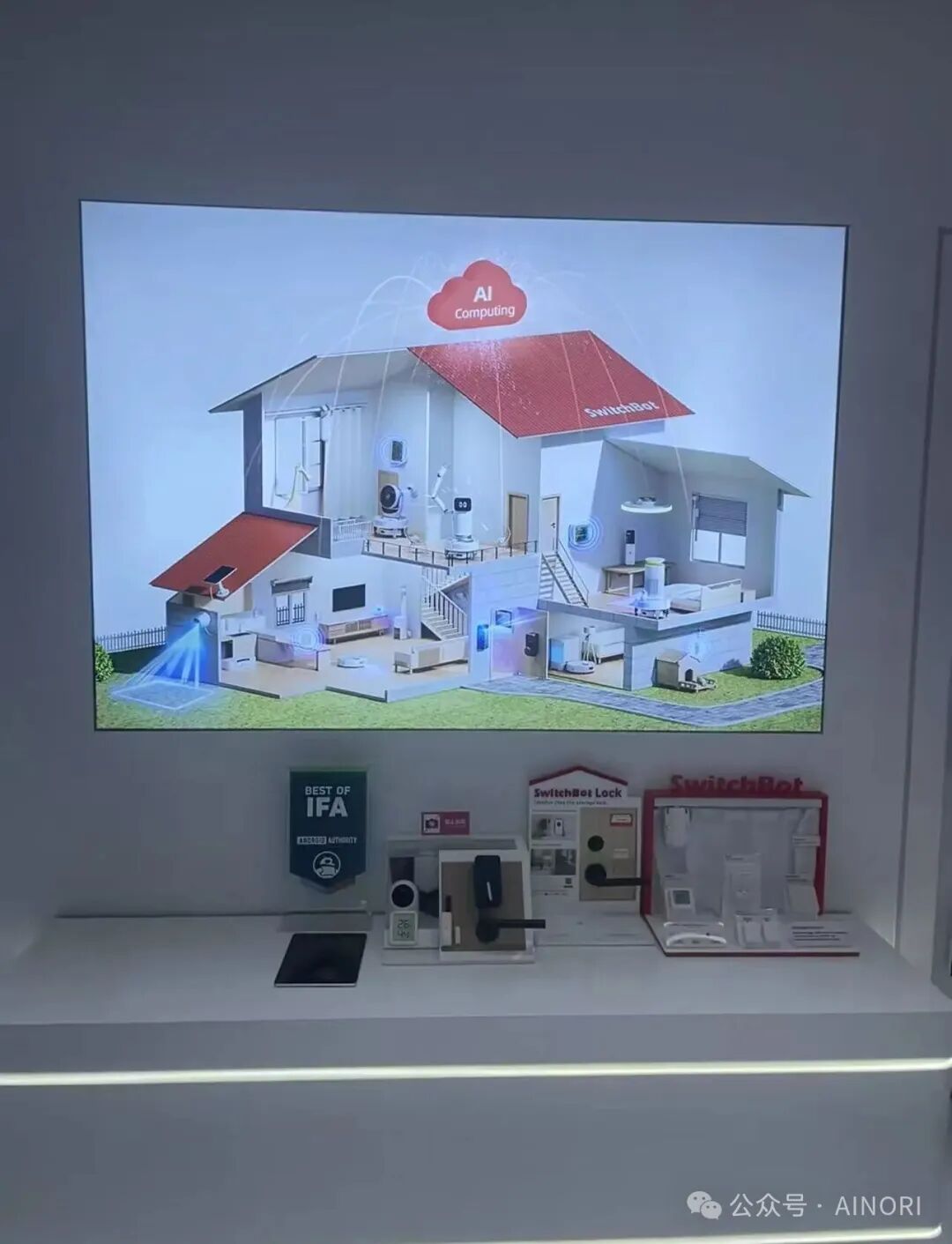
This ability of “proactive understanding” allows smart homes to truly adapt to different family needs: for families with elderly members, it acts as a 24-hour safety guardian; for families with children, it can adjust the environment based on the children’s activity status; for ordinary families, it serves as a “butler” that understands living habits, seamlessly connecting with SwitchBot’s smart locks, curtain robots, and other devices, making the entire home smarter and more “human-centered”.
AI Pet Robot: Bringing “Emotional Companionship” into the Home
In the current hot market for AI companionship, SwitchBot has not followed the trend to create a generic companionship product but has focused on home scenarios, launching two AI pet robots: Niko (brown-gray) and Noa (off-white). They feature a soft plush exterior, moving ears, and expressive eyes, and can move flexibly around the house on a wheeled base, resembling an “electronic pet” that requires no care.

However, more important than their appearance is their “emotional interaction” capability: they can recognize every family member through cameras and respond to gestures like waving and smiling; they can express emotions such as happiness, grievance, and even “little jealousy”. For example, when the owner plays with another toy, they will actively come over to “make their presence known”; even more uniquely, they are equipped with a local large language model (LLM) that can store interaction data locally, protecting privacy while gradually learning family members’ living habits—such as remembering that dad likes to listen to the news at night and mom prefers dimming the lights before bed, becoming more like a “dedicated family member” over time.
AI Art Frame: Giving Display Devices “Warmth”
Traditional electronic display devices often face issues like “blue light harming eyes” and “high power consumption”. SwitchBot’s AI Art Frame addresses these pain points with a color electronic ink screen: its ultra-low power design is suitable for long-term placement, and the paper-like display effect eliminates blue light and flicker, making it look like a non-fading physical painting when hung in the living room or bedroom.
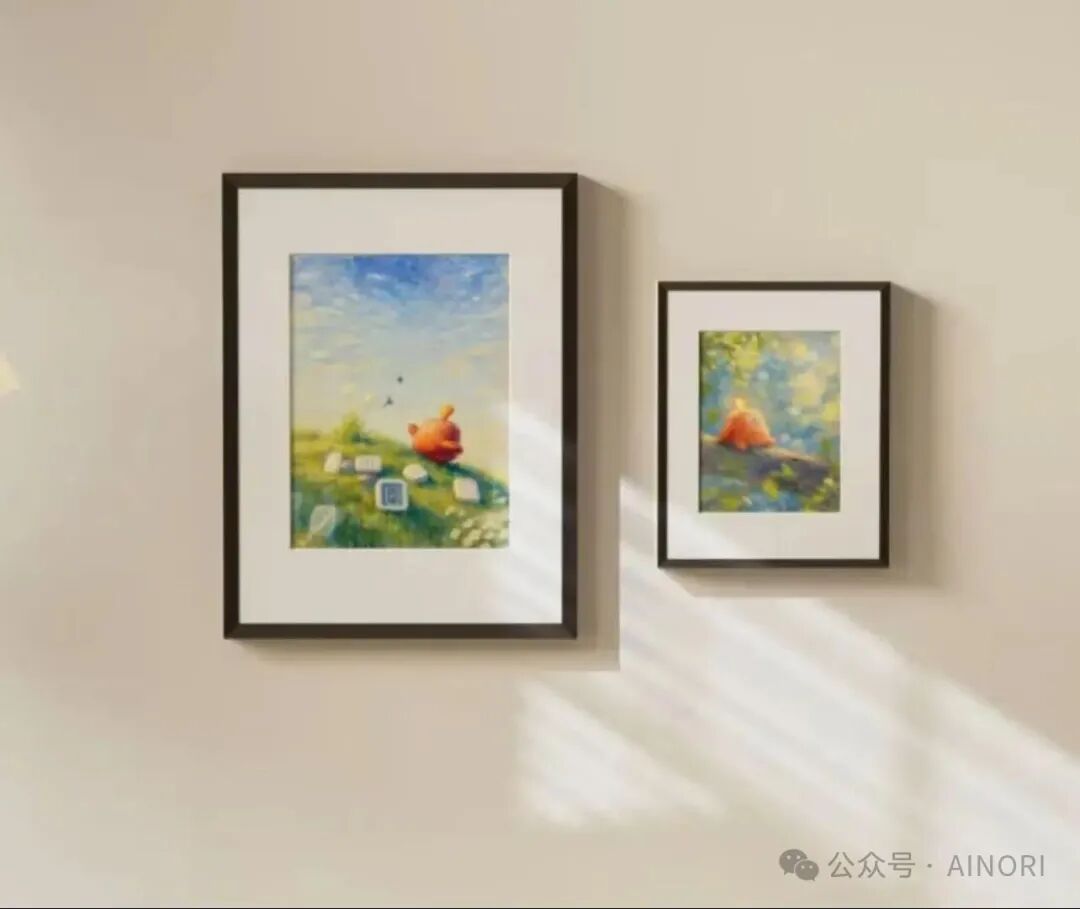
But it is more than just an “electronic frame”: users can upload family photos, turning it into a dynamic family album; it can also allow AI to generate artworks in different styles, such as Morandi or Impressionism, based on the home’s decor style; it can even automatically switch content based on the scene—displaying bright landscape images during the day and soft abstract paintings at night, transforming the display device from a cold screen into a “decorative partner” that resonates with the family atmosphere.
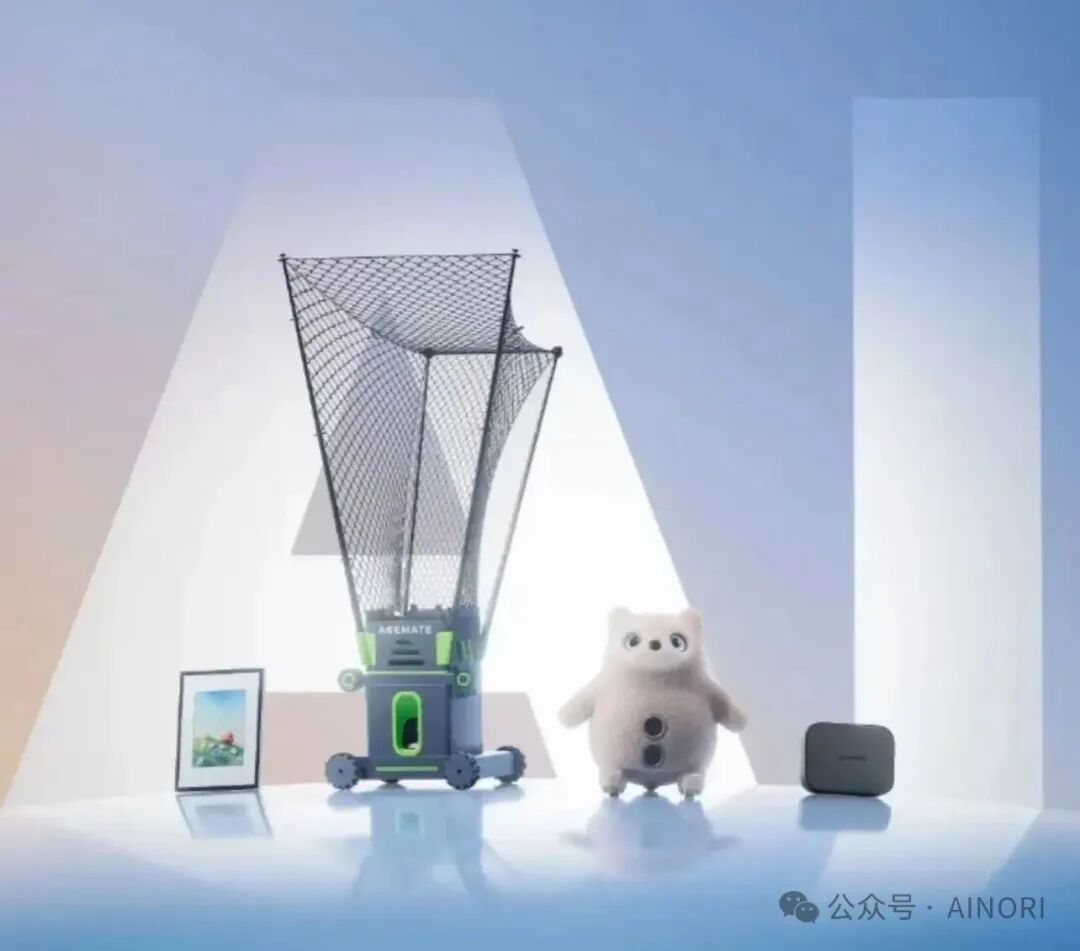
From the early smart locks and curtain robots to the current AI products focused on home scenarios, SwitchBot has consistently redefined home smart devices with innovations that are “close to life.” The three products showcased at this IFA exhibition do not pursue flashy specifications but instead focus on meeting specific needs such as “safety care,” “emotional companionship,” and “aesthetic living.” Perhaps the future of home intelligence does not require complex operations and cold devices, but rather, like this, allows AI to quietly integrate into daily life, becoming a reassuring and warm “family member”.
Follow AINROI, a warm space dedicated to AI pet companionship.