
Three-dimensionalLight Progression
Shining Boundless Creativity
——Summary of the 3D Design and Printing Club at Kurle City No. 21 Middle School


In the second semester of the 2024-2025 academic year, the 3D Design and Printing Club at Kurle City No. 21 Middle School successfully completed all activity plans and teaching objectives. This semester’s club activities not only stimulated students’ strong interest in 3D design and printing technology but also cultivated their innovative thinking, practical skills, and teamwork spirit, achieving remarkable results. Below is a summary of the club’s work this semester:
1. Club Activity Implementation
1. Theoretical Knowledge Learning
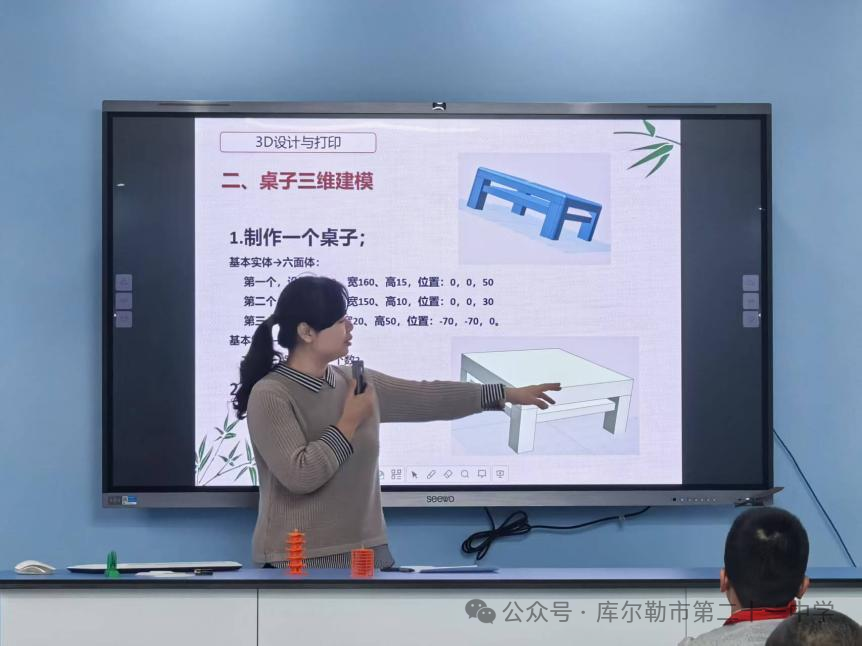
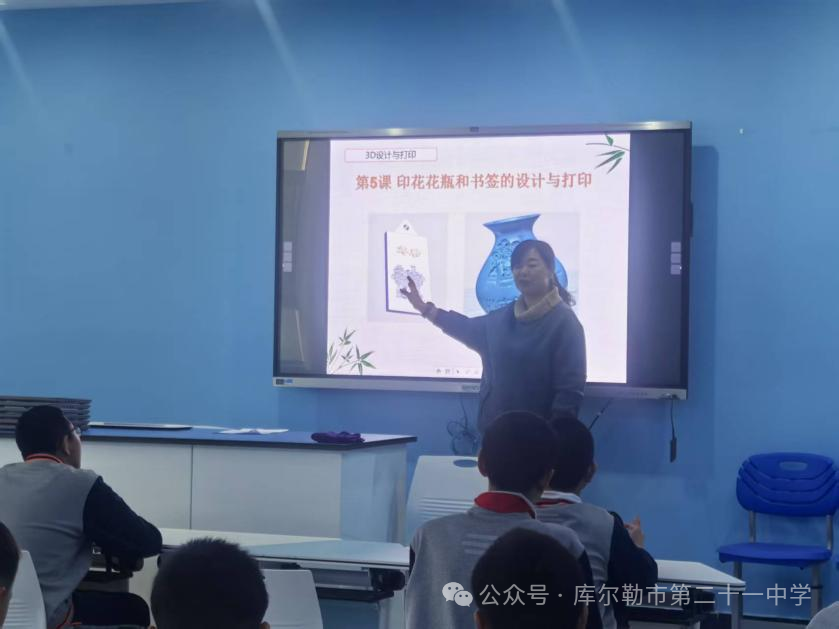
At the beginning of the club activities, we arranged a series of theoretical knowledge courses, including the basic principles, development history, application fields, and common 3D modeling software introductions related to 3D design and printing technology. Through classroom explanations, video displays, and case analyses, students gained a comprehensive and in-depth understanding of 3D design and printing technology, igniting their curiosity and desire to explore this emerging technology.
2. 3D Modeling Skills Training
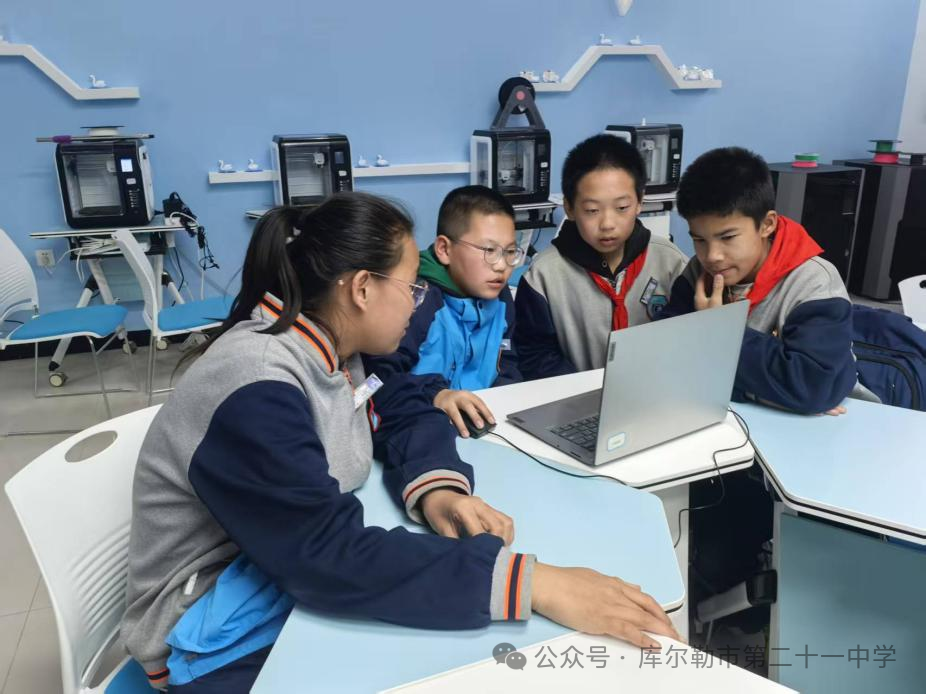
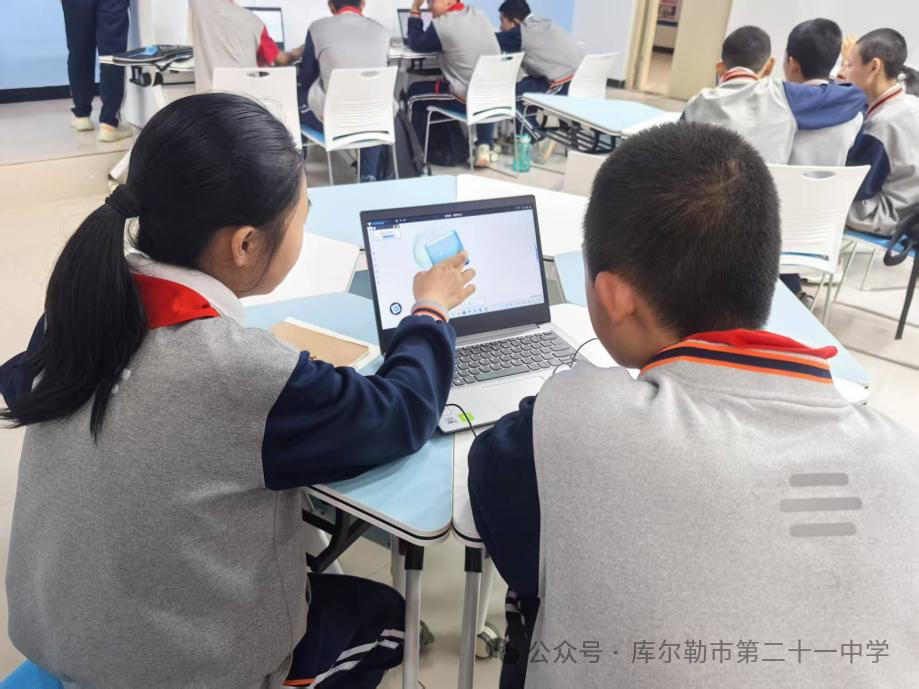
3D modeling is a key step in 3D printing. We carefully selected the 3D modeling software 3D One, suitable for students’ learning, guiding them from basic drawing tool usage to complex modeling techniques. Teacher Wu Haiyan used a step-by-step teaching method to help students gradually master 3D modeling skills.
During the teaching process, we emphasized the combination of theory and practice, encouraging students to engage in practical operations in class and to discuss problems with teachers and classmates in a timely manner. Through extensive practice, students’ 3D modeling skills significantly improved, enabling them to independently complete simple creative modeling projects such as a Chinese drum, a cup, and a creative pen holder.
3. 3D Printing Practical Operations
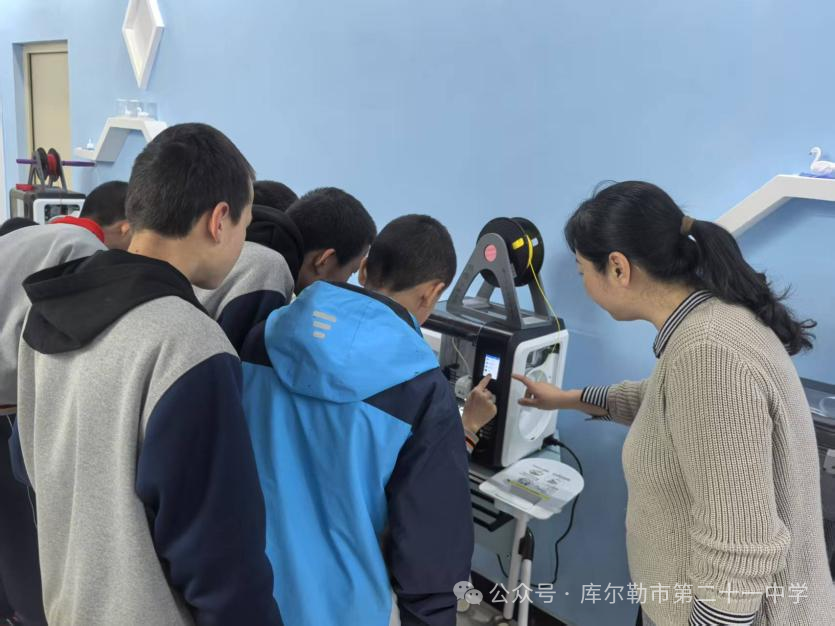
Once students mastered the basic 3D modeling skills, the club teachers guided them to begin the practical operations of 3D printing, turning their modeled works into physical objects using the printer. The school provided multiple 3D printers for the club, allowing students to deepen their understanding of 3D printing technology through hands-on experience.
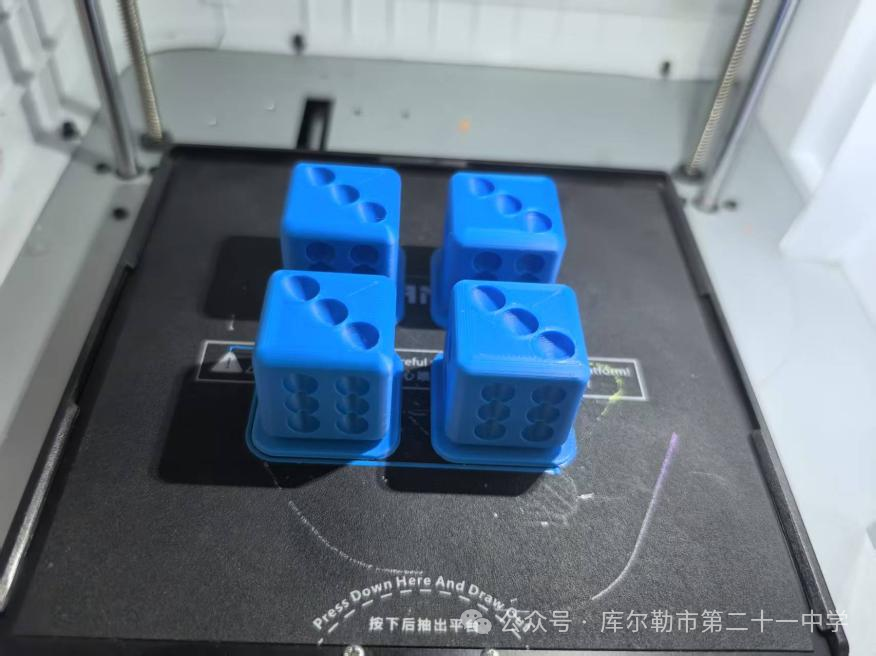
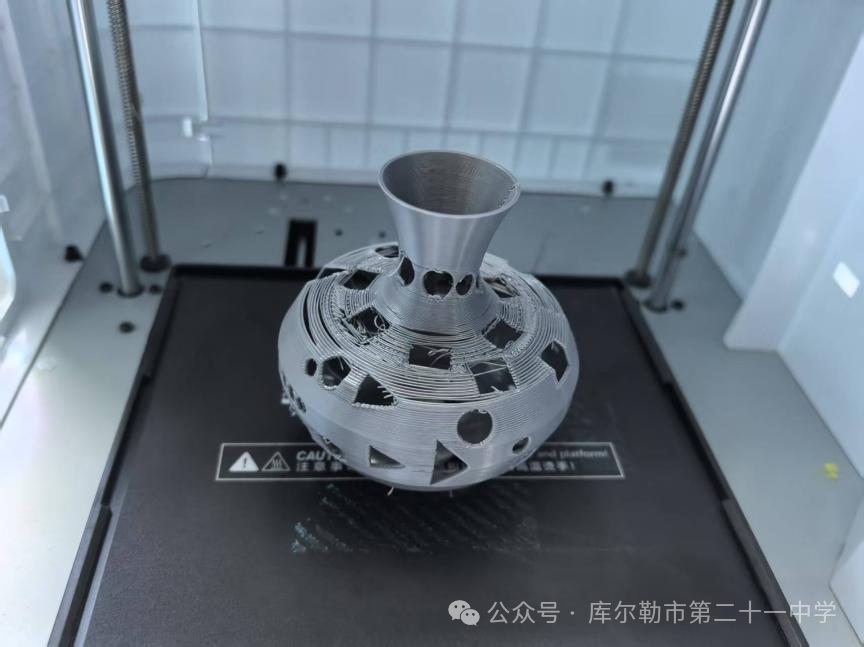
During their first printing, students were filled with anticipation and excitement as they watched the printer layer by layer create their designed models, feeling an immense sense of accomplishment. As they practiced more, students gradually mastered the operation skills of the 3D printer and learned how to handle common issues that arose during printing.
4. Creative Design Competition
To cultivate students’ innovative thinking and their ability to apply knowledge to solve practical problems, the last two classes of the club were dedicated to a creative design competition. Students were divided into groups to brainstorm and proposed various creative design plans, utilizing their learned 3D modeling and printing techniques to bring these plans to life. In this process, students not only honed their design and hands-on skills but also learned how to communicate and collaborate effectively with team members to complete a project together.
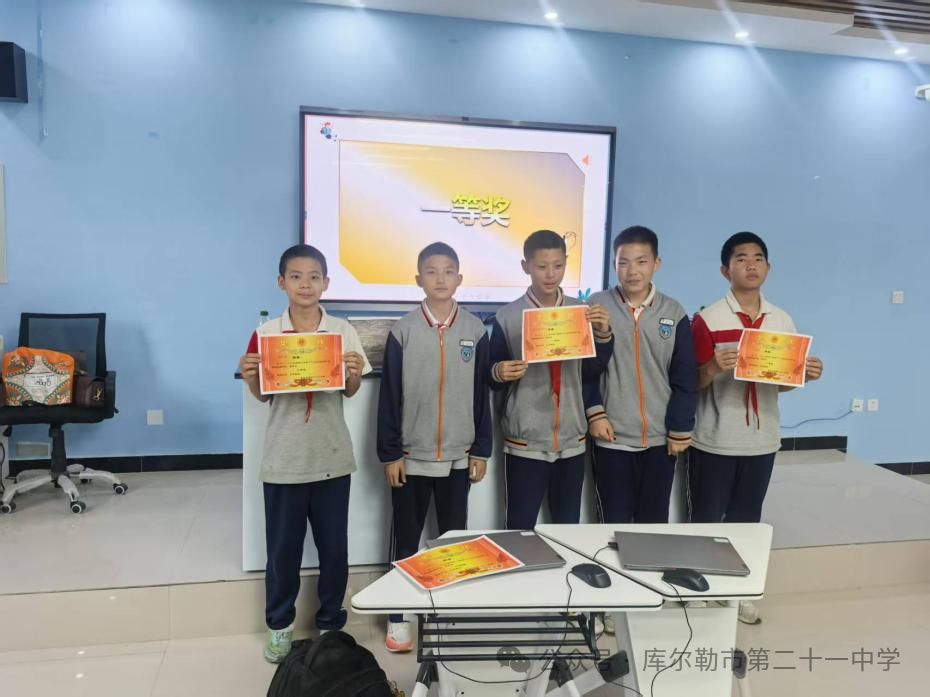
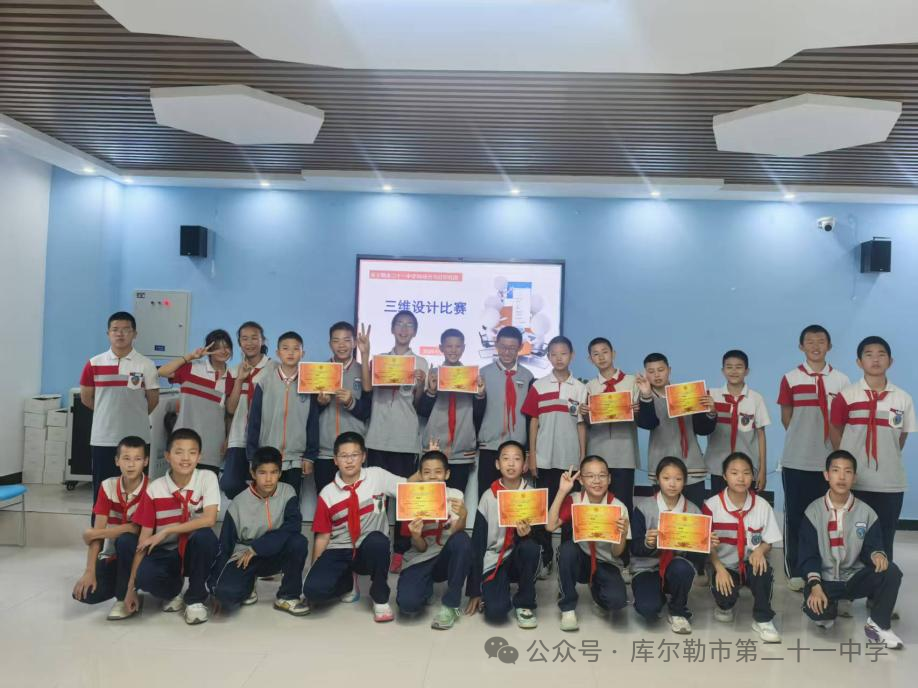
Students collaboratively created 3D printed works such as the “Oriental Pearl Tower”, “Racket”, “The Wandering Earth”, and “Rocket”, covering various categories including creative ornaments, practical tools, and architectural models. The final award results are as follows:
First Prize: “Badminton Racket” by Mao Bo, Duan Zhengwei, Tang Mu Yang
“Control Knife” by Peng Houyi
“The Wandering Earth” by Yang Yihan
Second Prize: “Oriental Pearl” by Mao Bo, Duan Zhengwei, Tang Mu Yang
“Tiger Claw” by Wang Shibo
“Ring” by Aizihailiang
Third Prize: “Racket” by Chen Bowen
“Elite Tiger Claw” by Chen Pengyi, Zhang Ruixuan
“Rocket” by Zhang Jianhui, Zhang Zhenwei
“Trident” by Si Haochen, Liu Shangwen, Ye Songyang
“Kunai” by Wang Minghao
2. Problems and Improvement Measures in Club Activities
1. Existing Problems
Students’ technical levels vary: Due to differences in computer fundamentals, drawing skills, and understanding of 3D technology among club members before enrollment, some students have slower mastery of 3D modeling software, leading to difficulties in the scheduling of club activities and affecting the overall teaching effectiveness.
The depth and breadth of the courses need to be expanded: As students gradually master 3D design and printing technology, the existing club course content can no longer fully meet the learning needs of some students, requiring further expansion and enrichment of the curriculum, introducing more advanced modeling techniques, printing processes, and interdisciplinary application cases.
2. Improvement Measures
Implement tiered teaching: In future club activities, we will conduct tiered teaching based on students’ learning abilities and progress. For students with weak foundations, we will arrange dedicated tutors for one-on-one guidance, strengthening the training of basic knowledge and skills to help them catch up with the overall pace of the club; for students with stronger learning abilities, we will provide more challenging learning tasks and projects, encouraging them to conduct in-depth research and innovative practice, fully utilizing their strengths and potential, allowing every student to achieve full development and improvement in the club.
Optimize the curriculum system: Based on the existing courses, we will further optimize and expand the club curriculum system in line with students’ interests and needs. We will conduct special lectures introducing cutting-edge applications and development trends of 3D design and printing technology in different fields; carry out interdisciplinary project practices, combining 3D technology with knowledge from physics, chemistry, biology, etc., to cultivate students’ comprehensive qualities and innovative abilities, meeting the learning needs of students at different levels, and enhancing the overall quality and attractiveness of the club courses.
In summary, this semester, the 3D Design and Printing Club at Kurle City No. 21 Middle School achieved fruitful results through the joint efforts of teachers and students. We will use the work of this semester as a foundation, carefully summarize experiences and lessons, continuously improve and innovate, and promote the club’s work to a new level, making greater contributions to the technological innovation education and comprehensive development of students at Kurle City No. 21 Middle School.



Written by: Wu Haiyan
Edited by: Ta Na
Initial Review: Yao Ruihua
Final Review: Li Hui