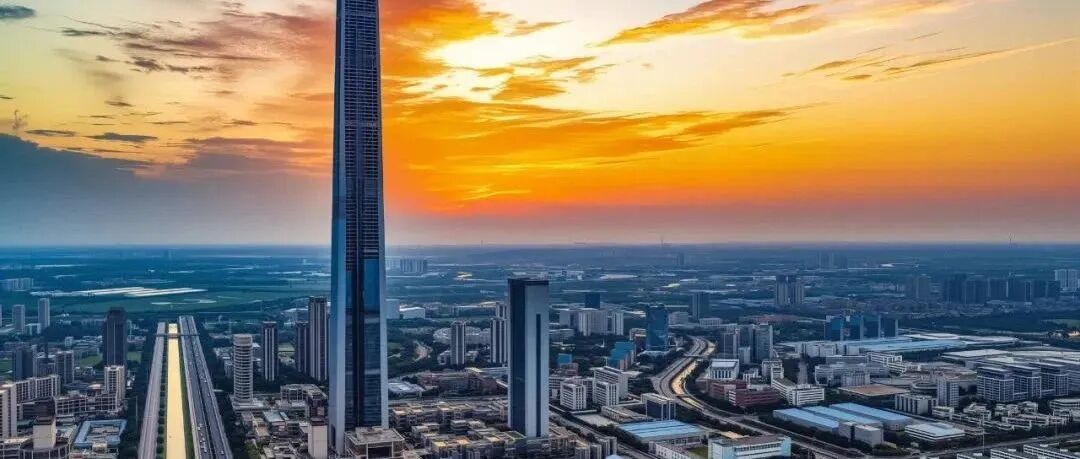
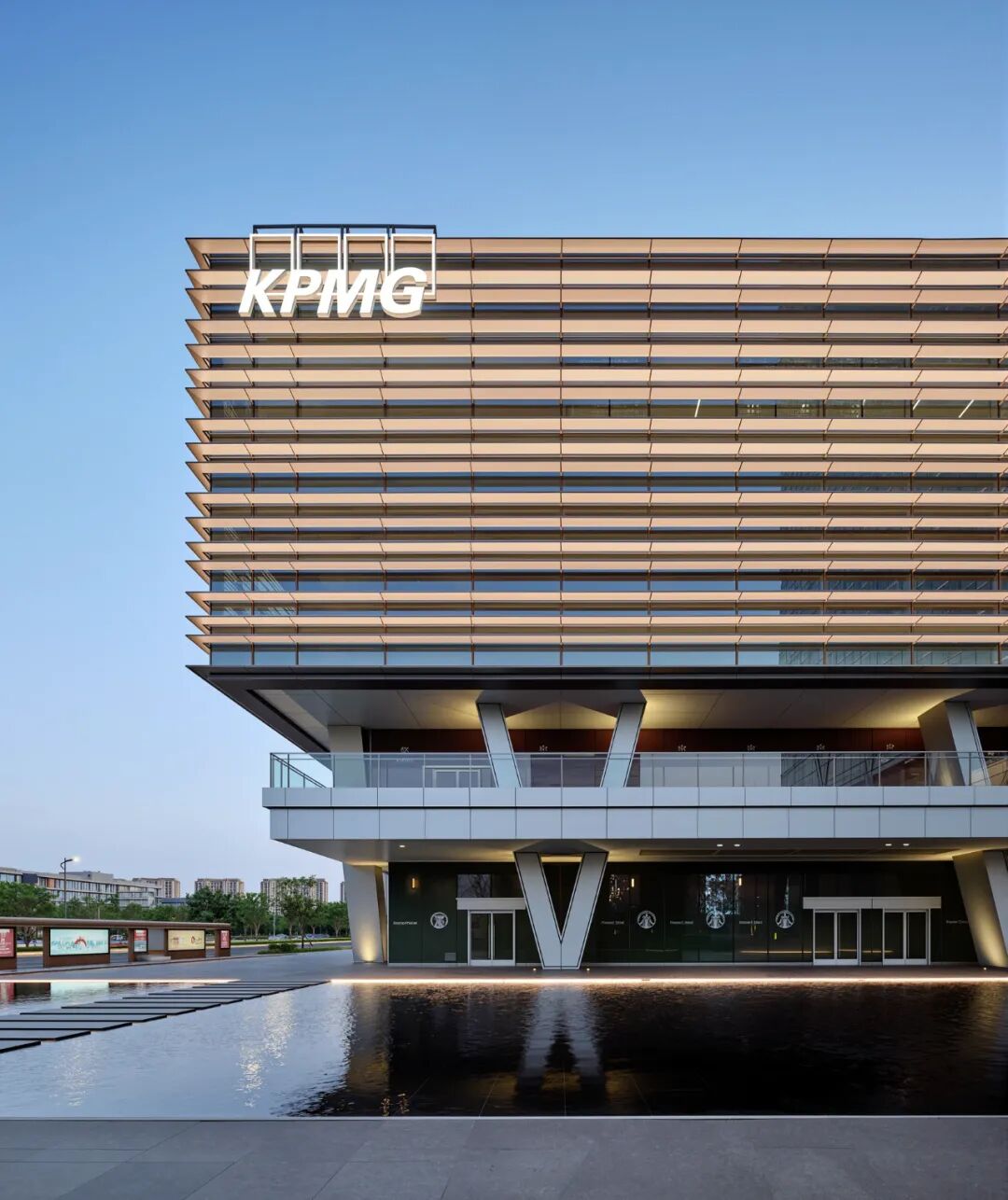
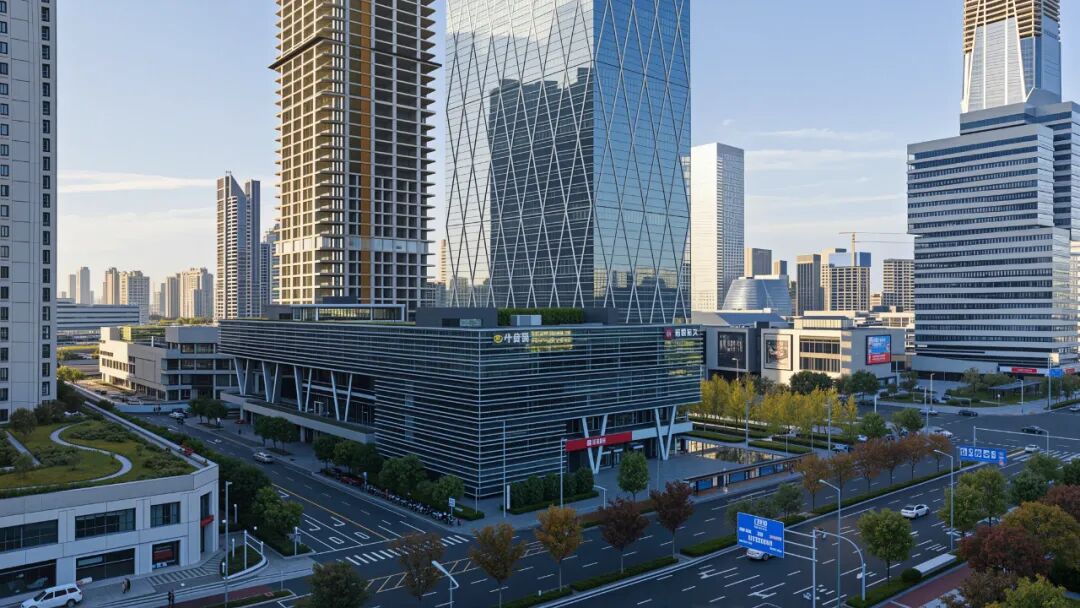
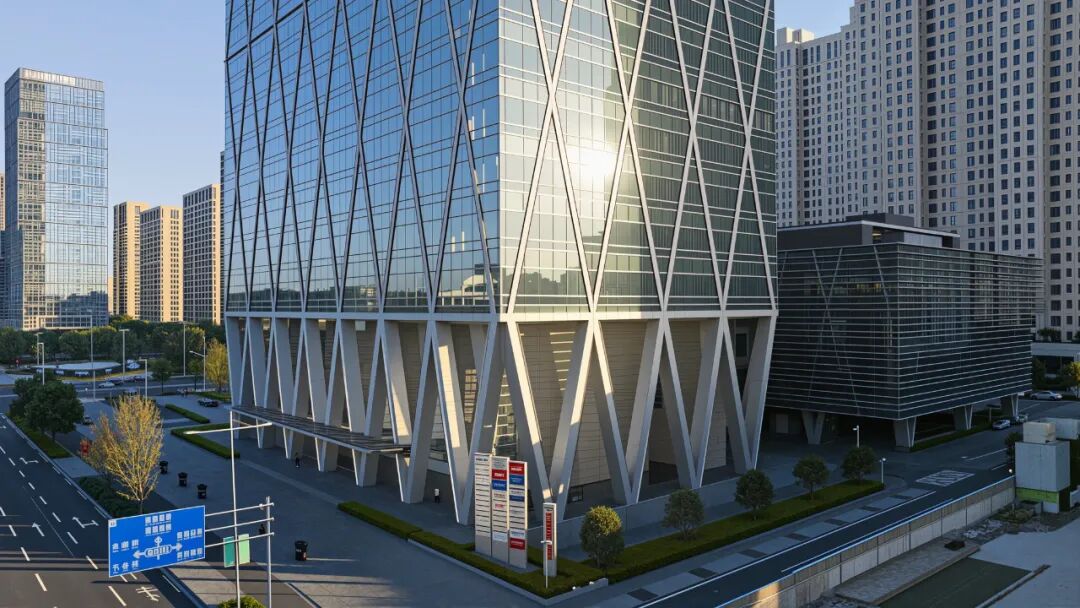
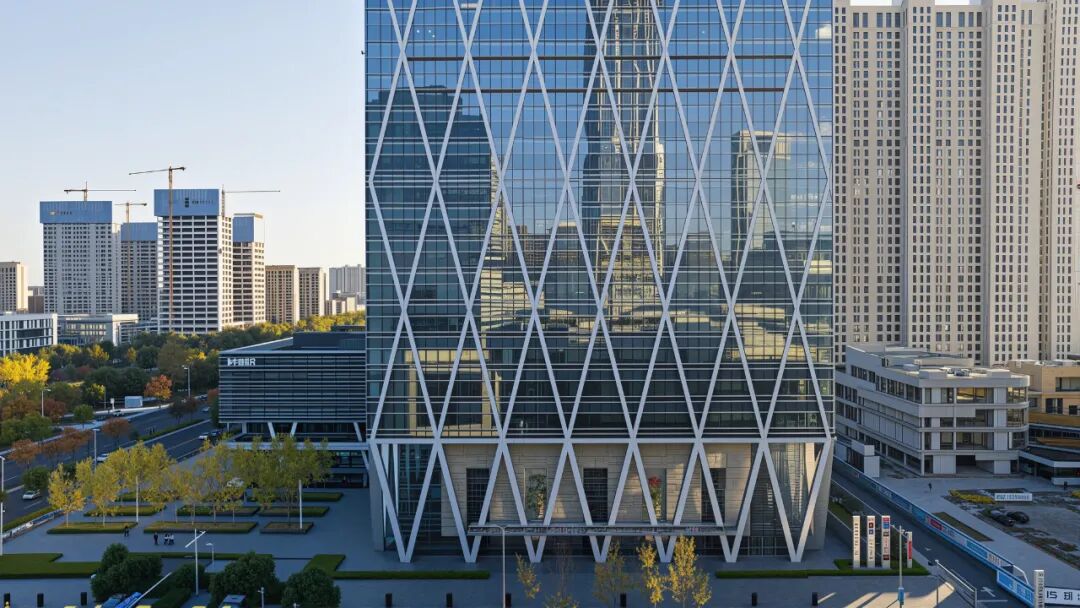
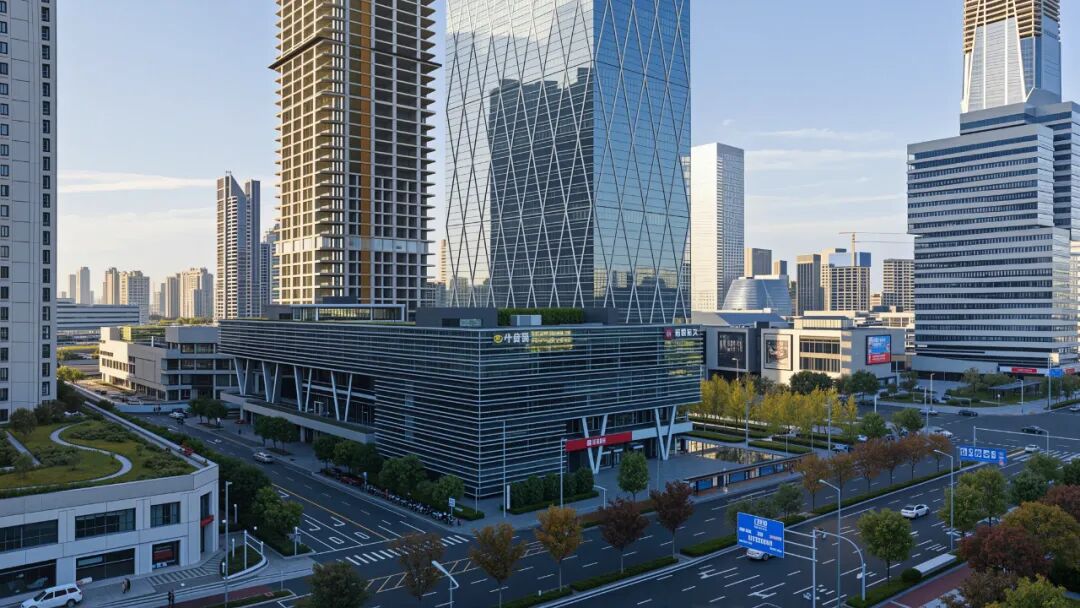
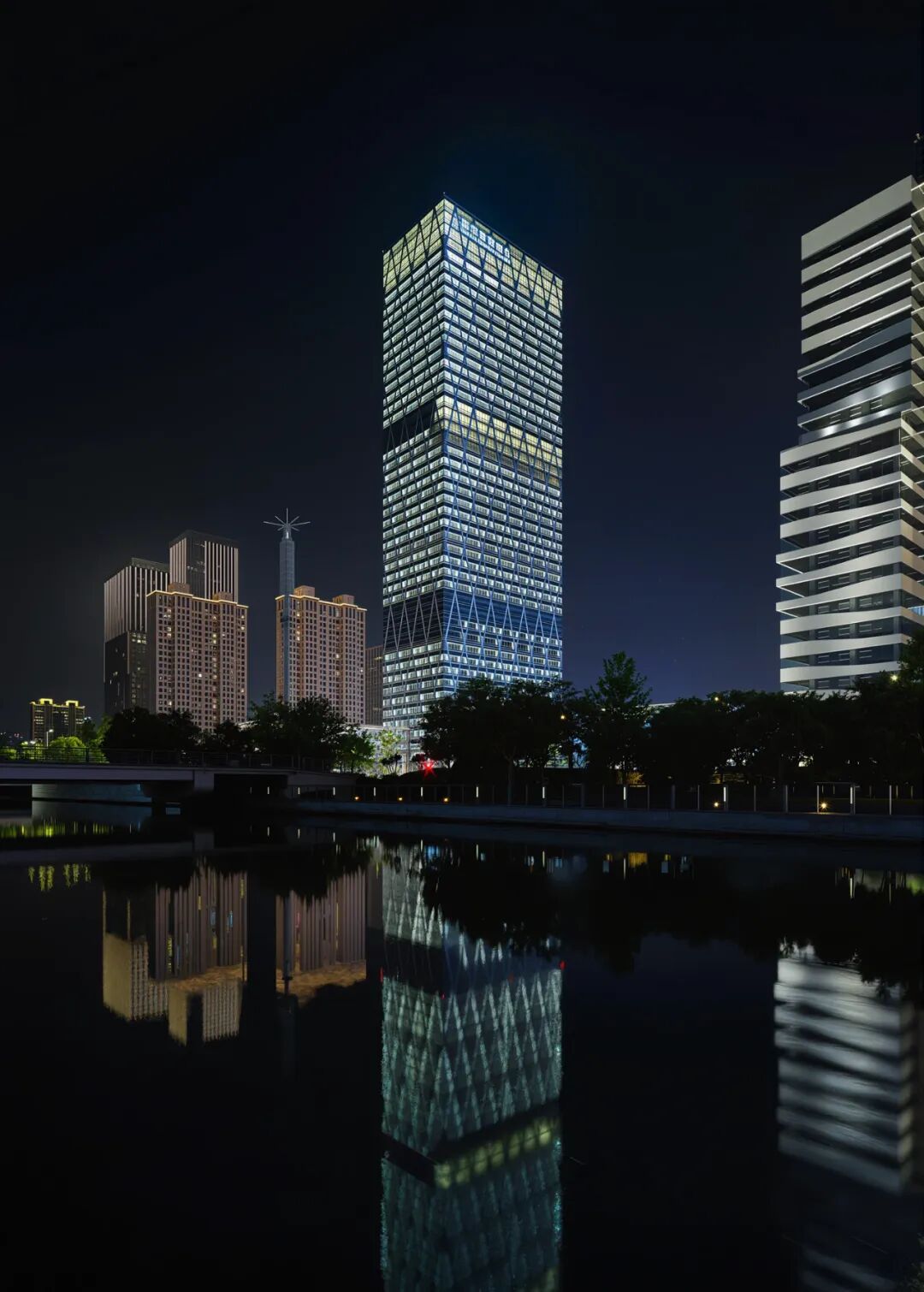
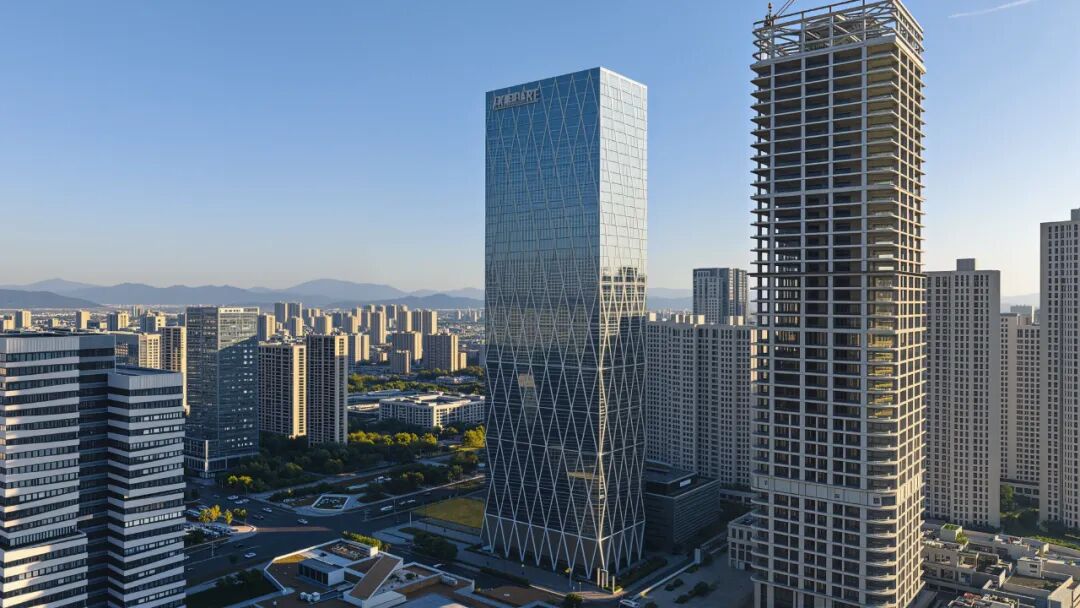
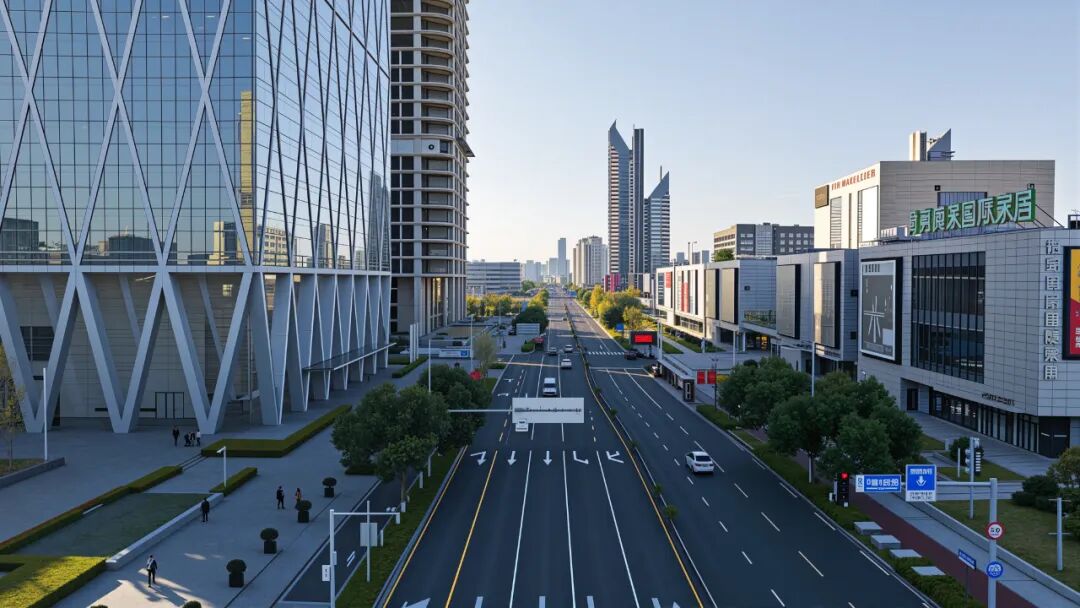
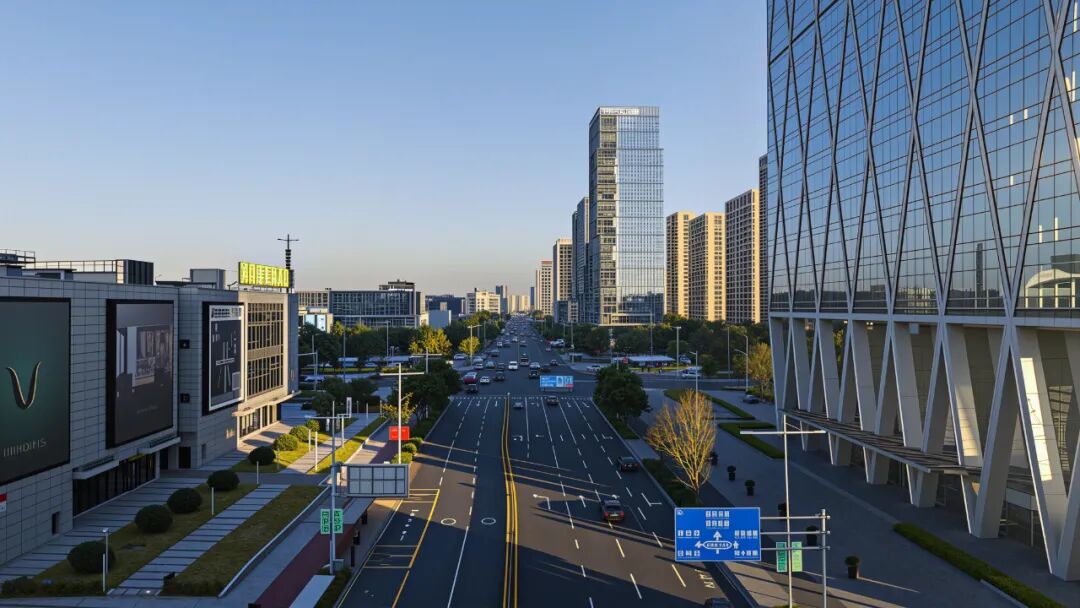
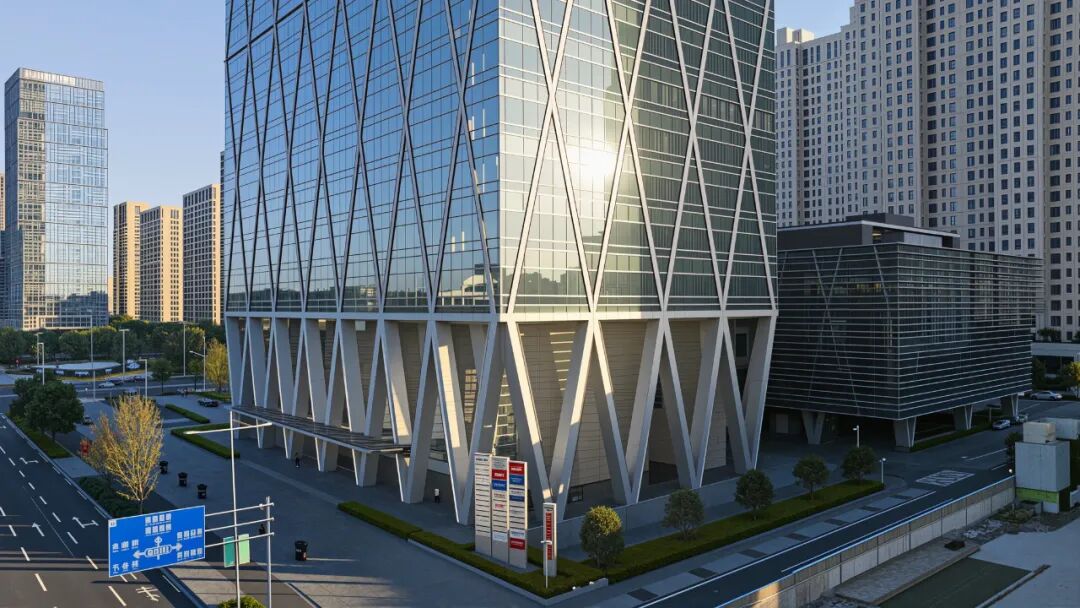
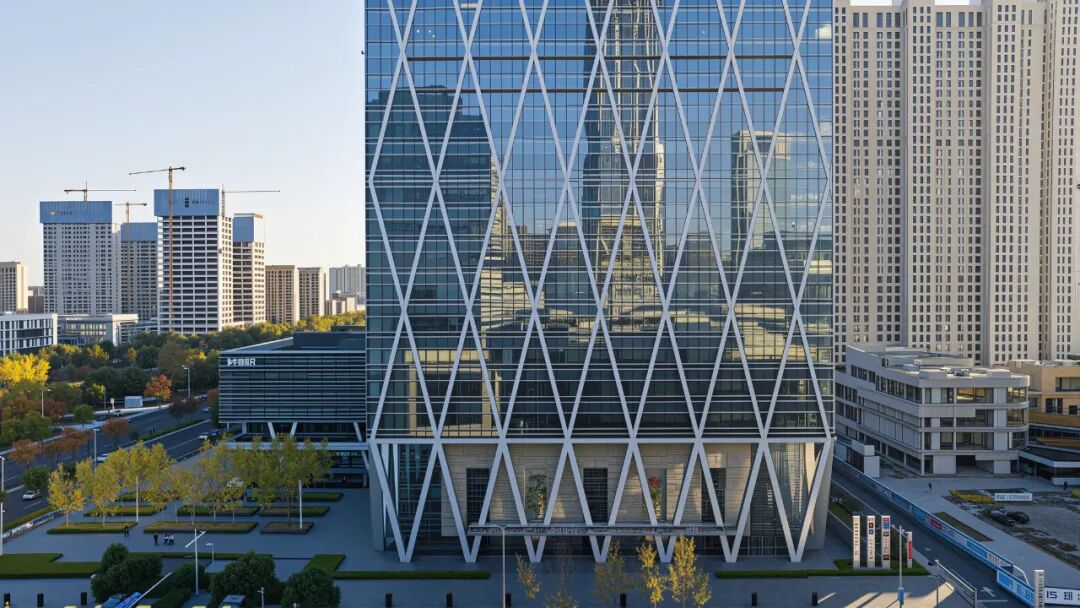
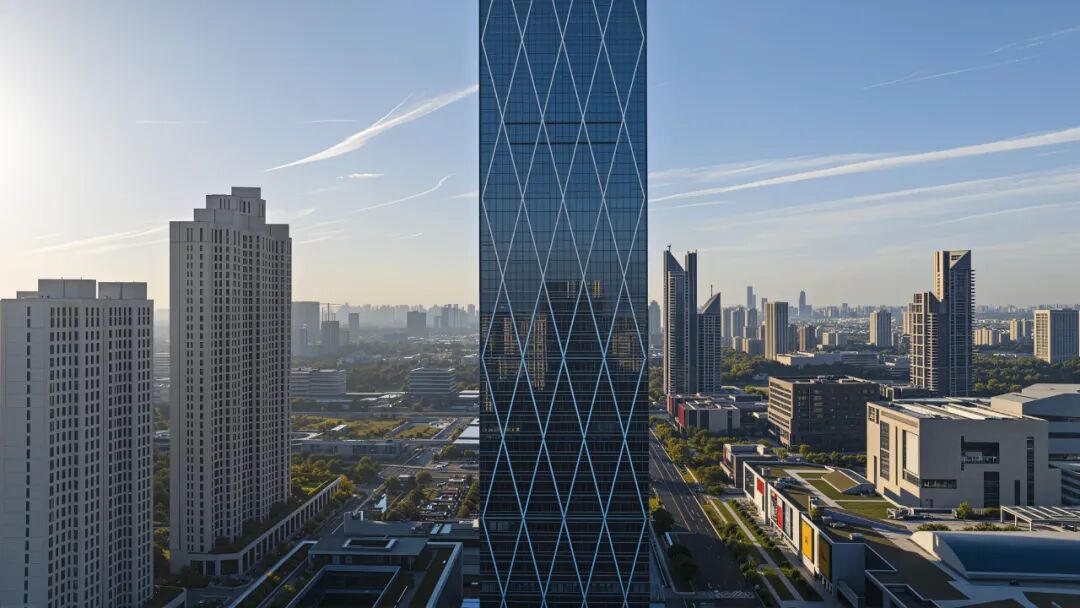
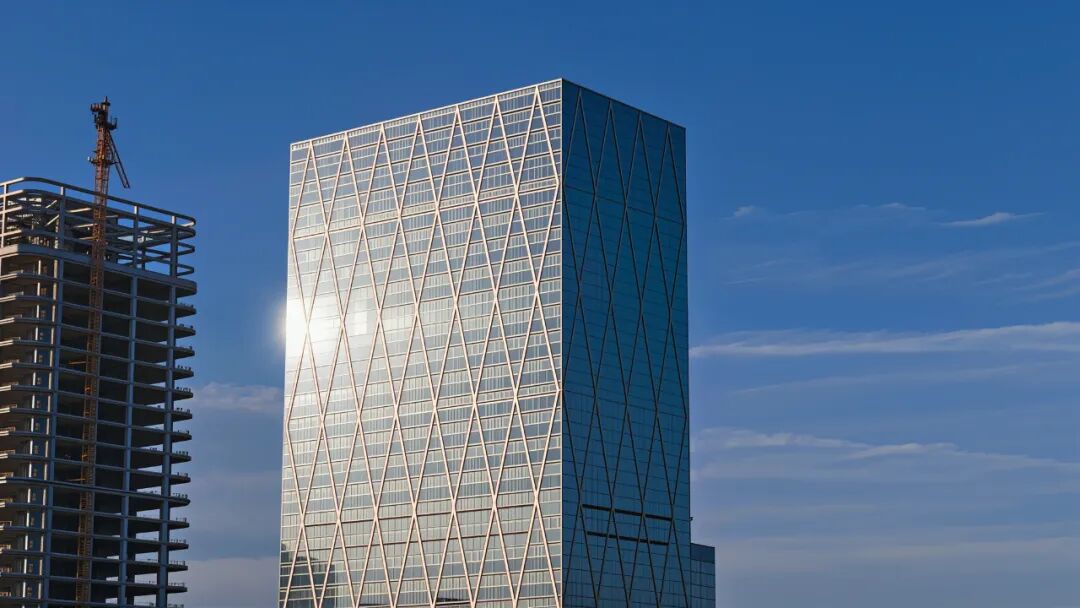
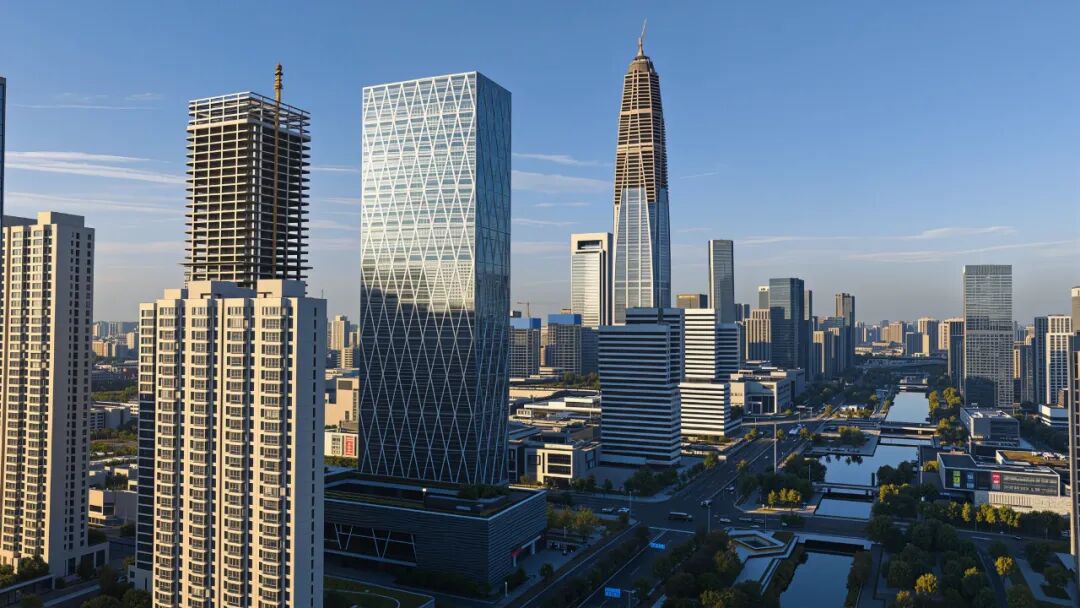
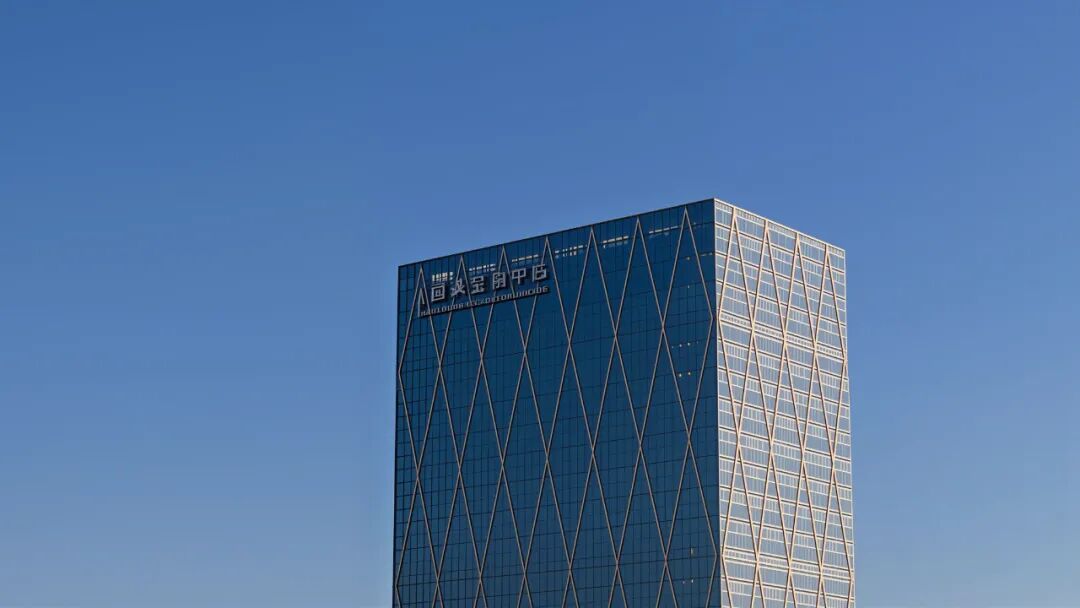
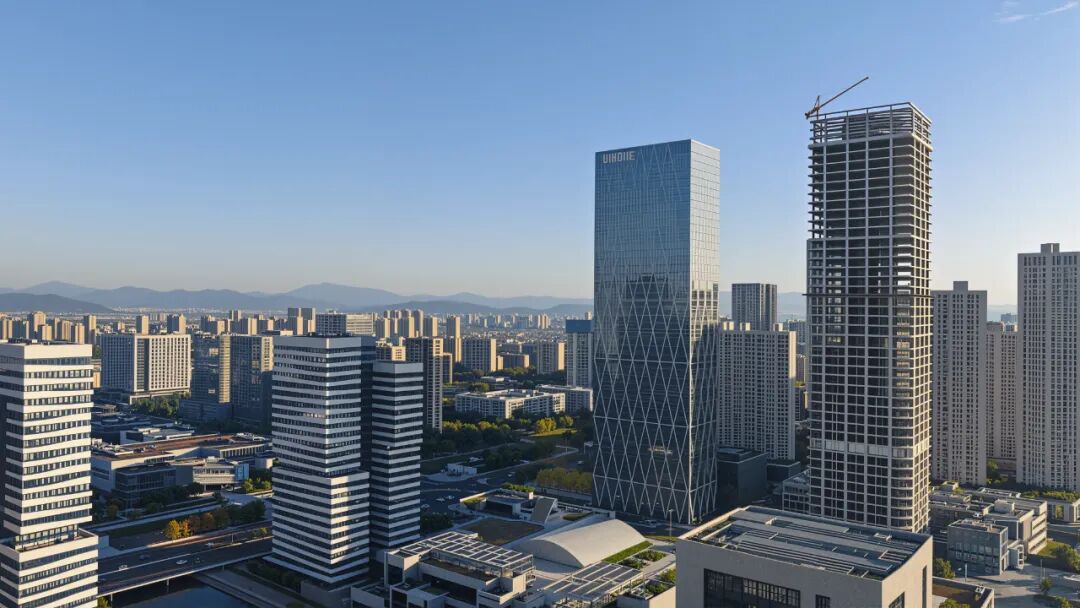
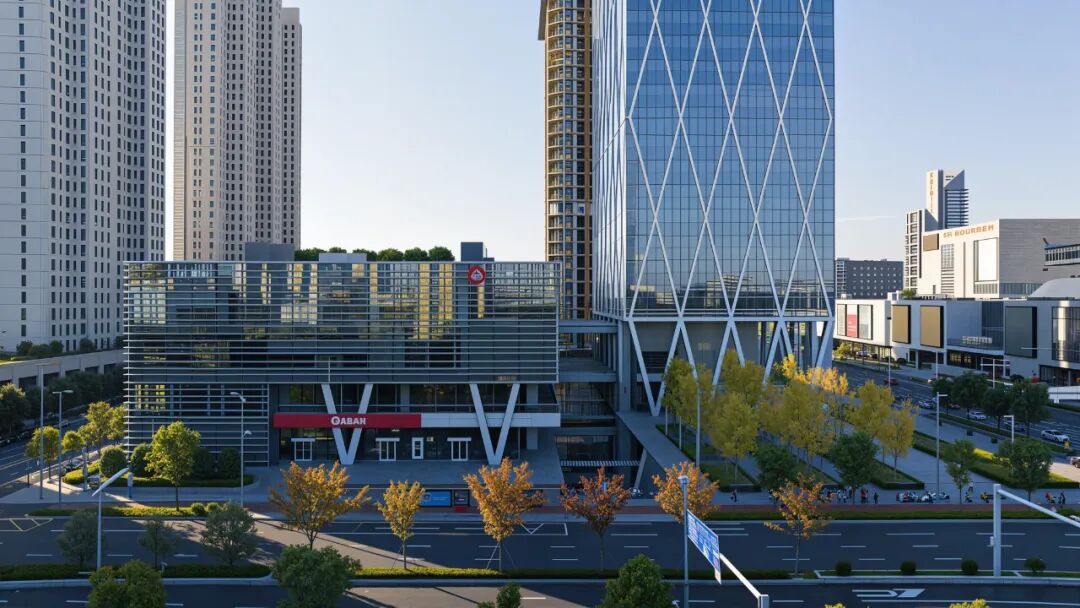
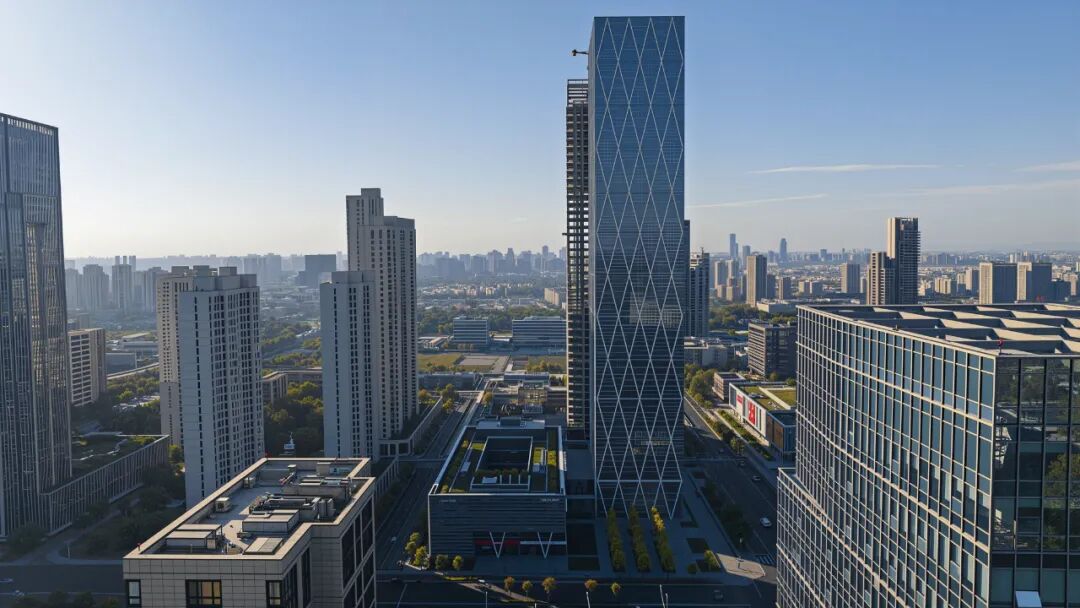
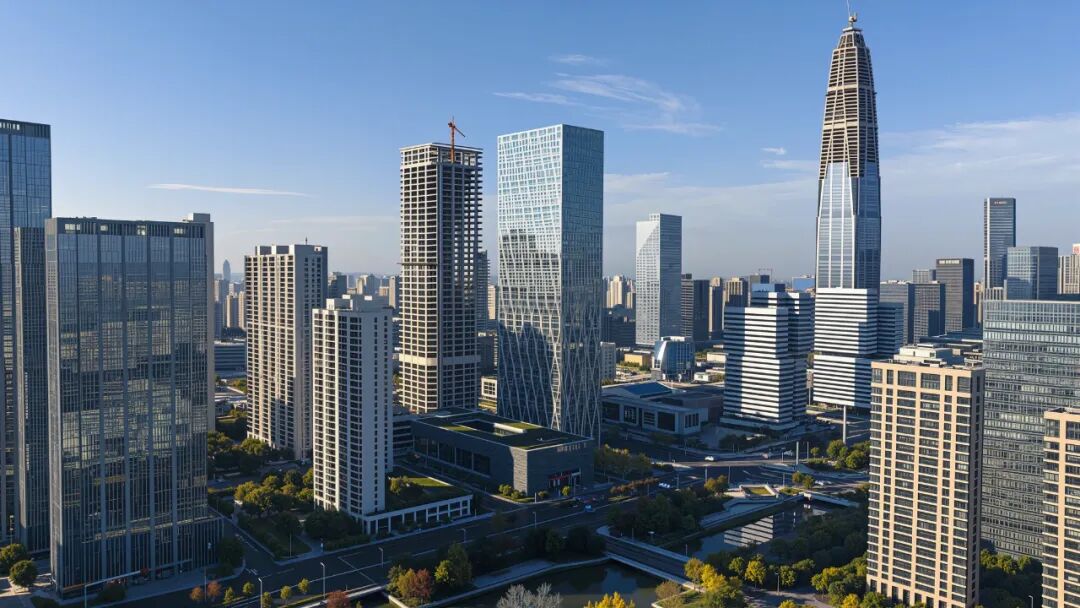
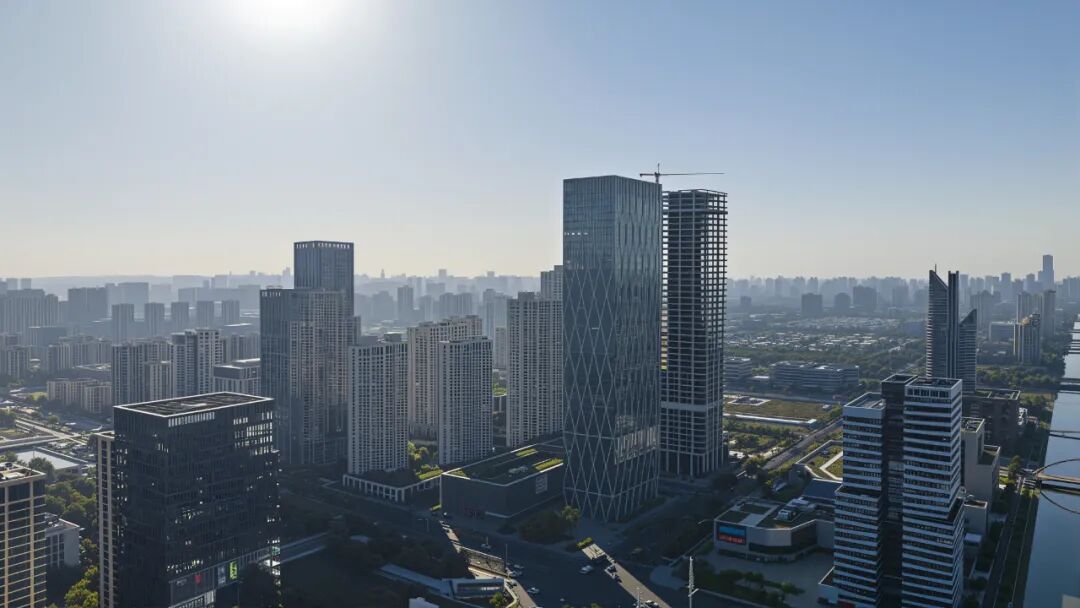
All images are AI-generated 2K HD images. Ningbo Guohua Financial Center: A poetic expression of structural art and a model of sustainable design. The diamond-shaped cross-braced outer frame shines under the sun, and the 206-meter tall building reshapes the Ningbo skyline with precise geometric language. This landmark, which has received LEED Gold certification and three-star certification for green buildings, is not only a perfect combination of architecture and structure but also a declaration of sustainable design for future cities.
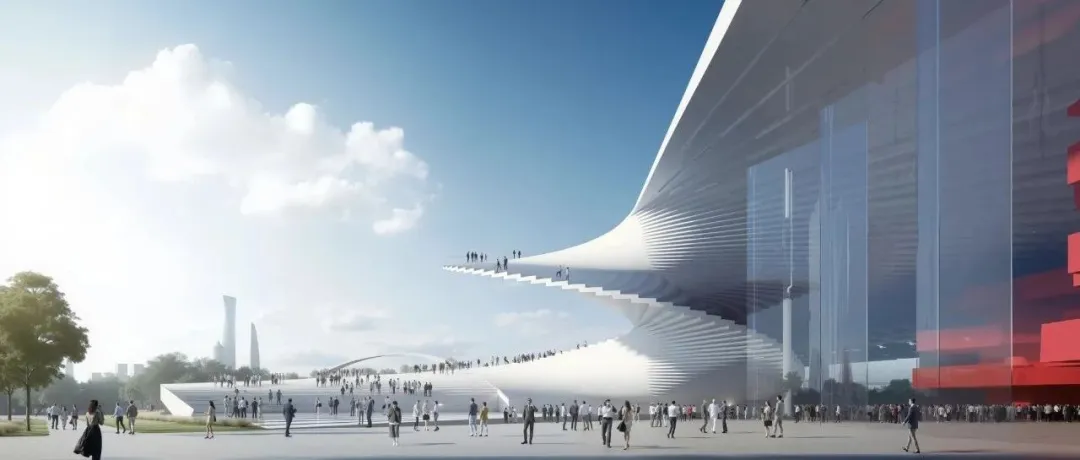
Top ten theaters under construction, each a cultural landmark of the city.
[AI Wisdom – Architect]
- WeBank Shenzhen Headquarters
- Shanghai Zhenru China Overseas Center
- Guangzhou Star River Bay Center
- Hangzhou Wangchao Center
- Hangzhou Gaode Plaza
- Suzhou China Overseas Super Tower
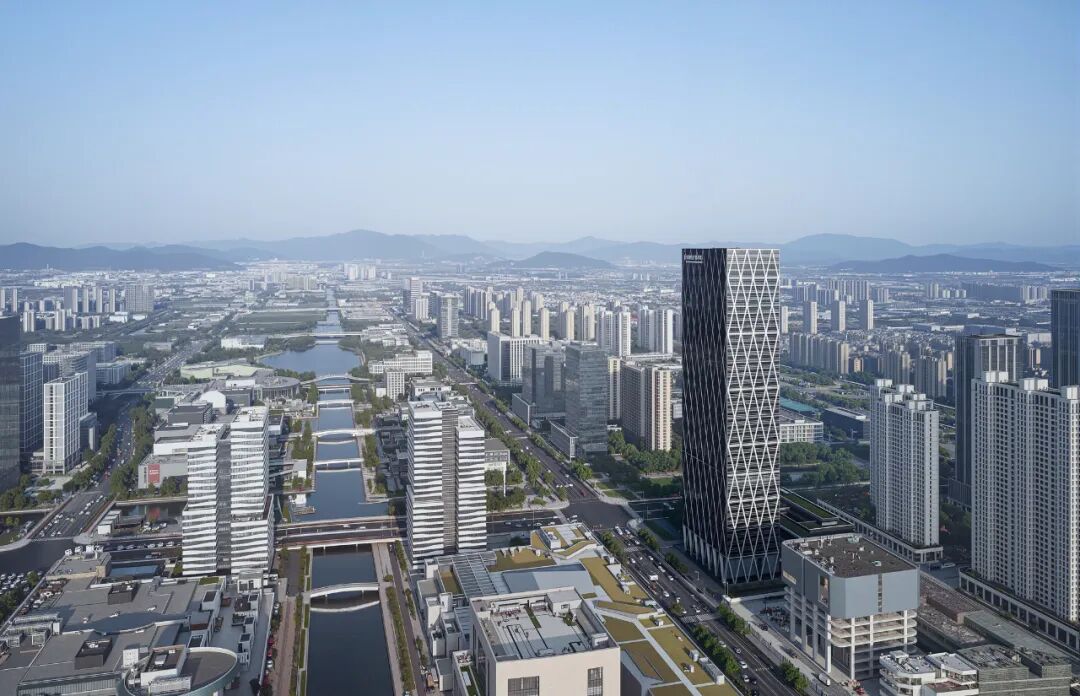
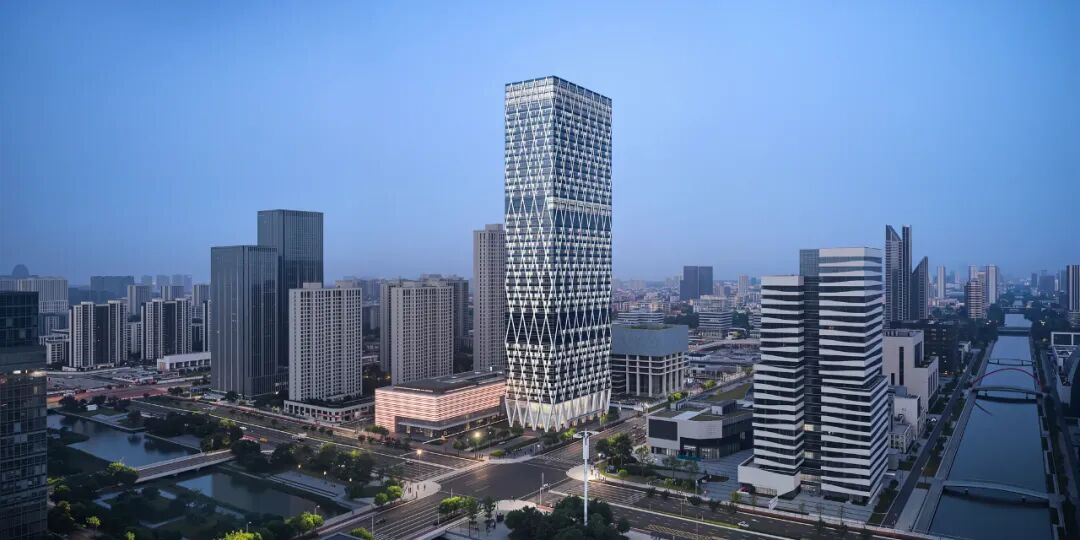
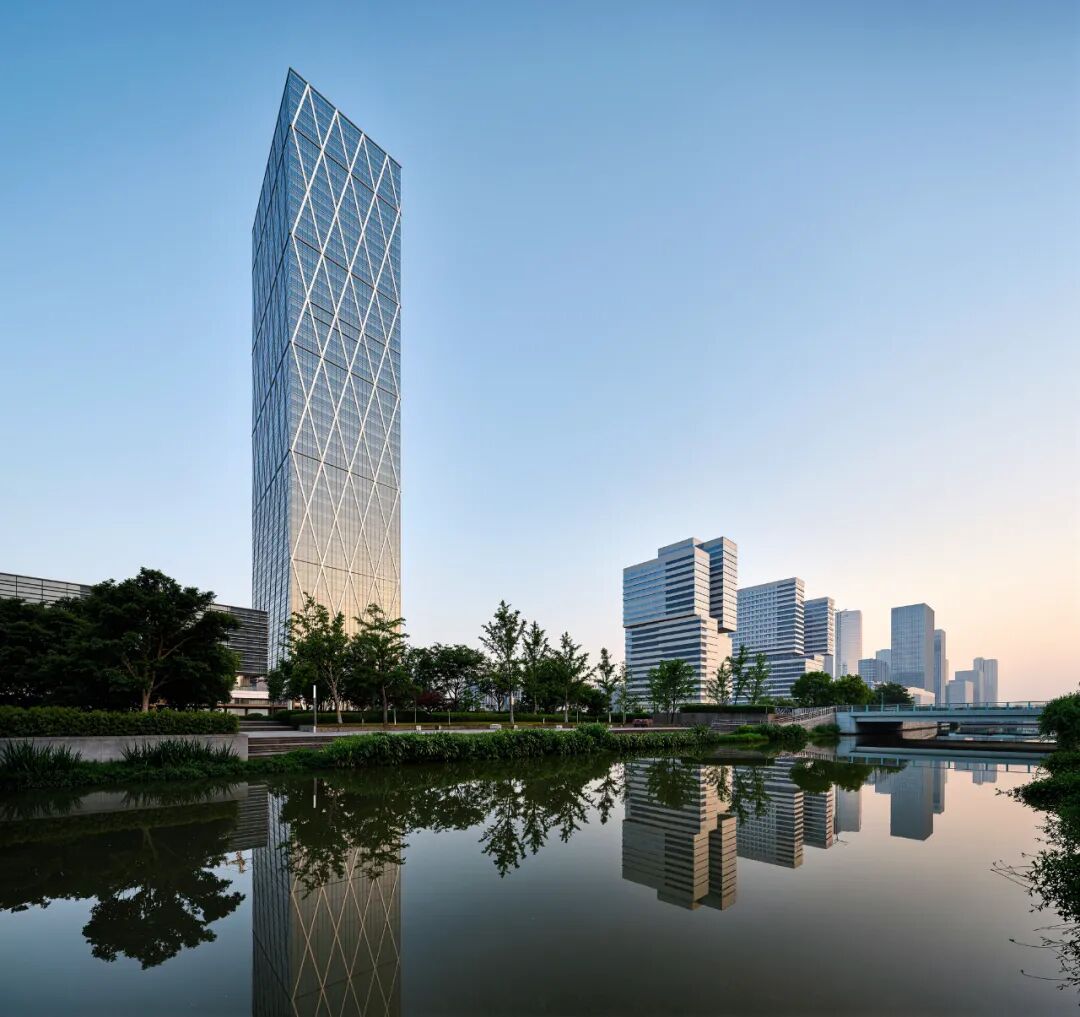
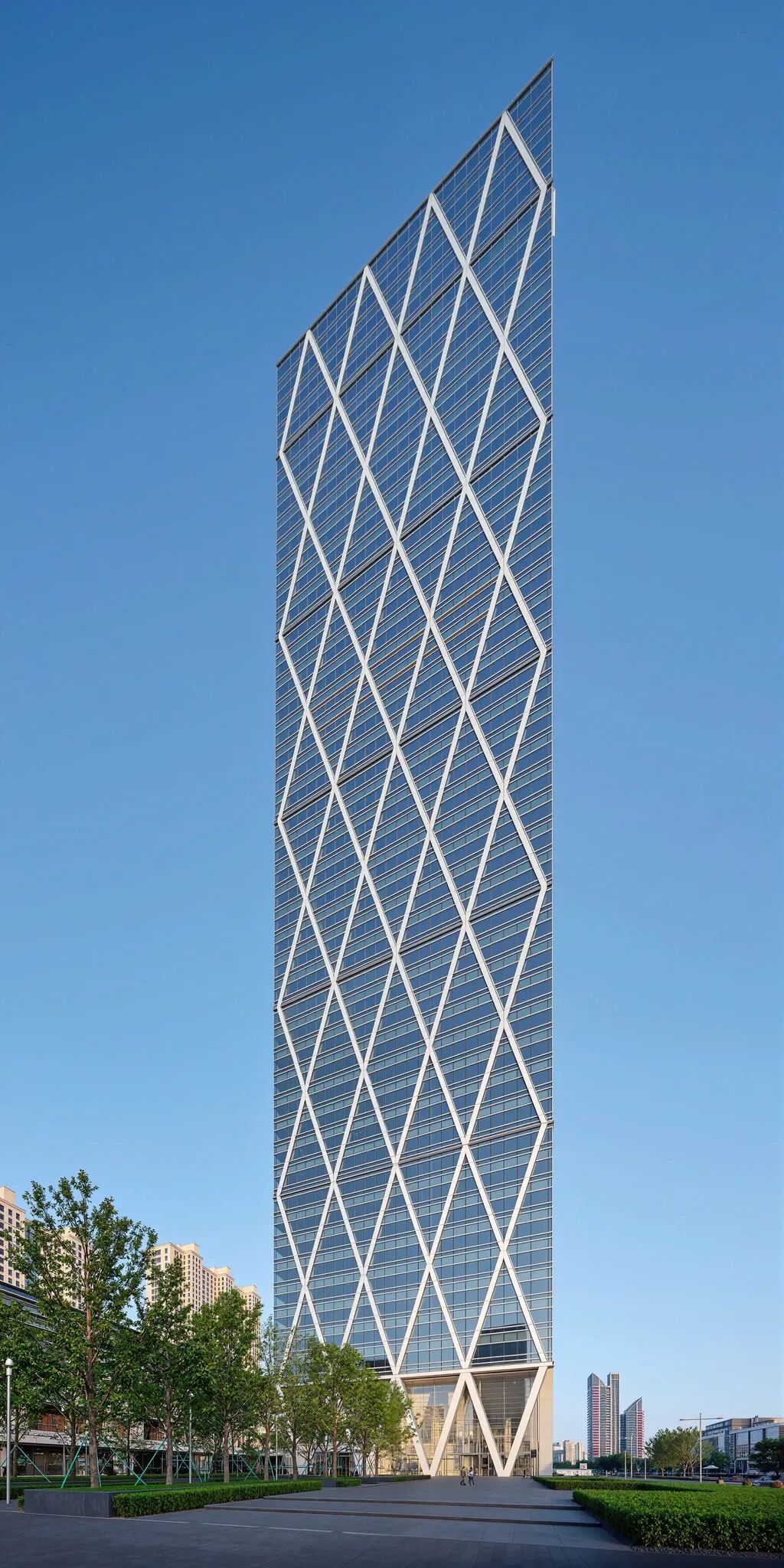
Ningbo Guohua Financial Center
As a landmark building in the core area of the Eastern New City in Ningbo, Zhejiang Province, the Ningbo Guohua Financial Center (officially named “Eastern New City Core Area C3-6 Plot Project”) has become a model for super high-rise commercial buildings in East Zhejiang with its design that combines technological breakthroughs and aesthetic value. The project is a deep collaboration between an internationally renowned architectural firm and local design forces, achieving the design goals of “simplicity, low carbon, and sustainability” while meeting the functional requirements for commercial office use. It has successively won the LEED Gold certification from the U.S. Green Building Council and the three-star certification for green buildings in China, highlighting the core trend of “technology empowering ecology” in contemporary architectural design.
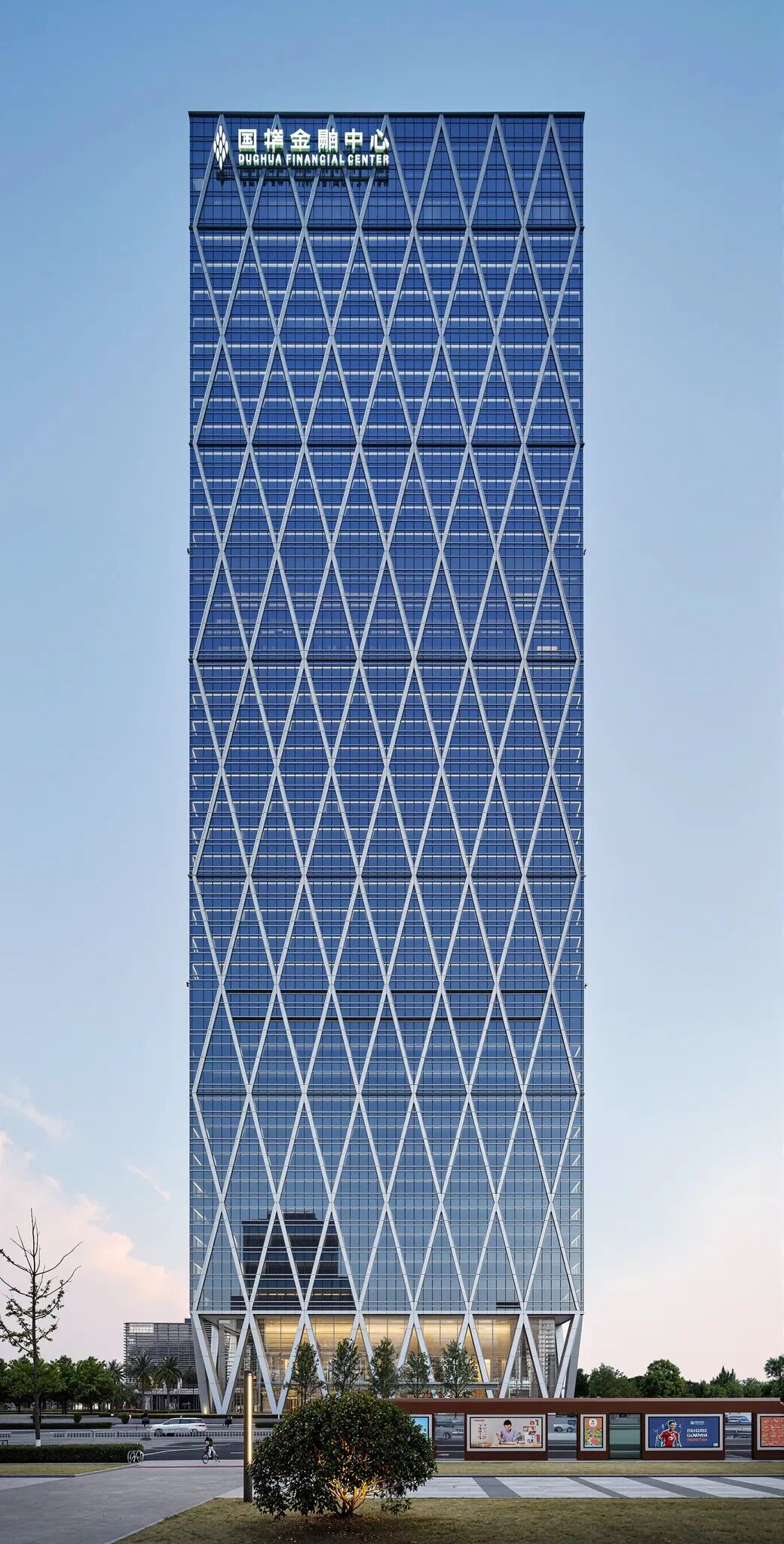
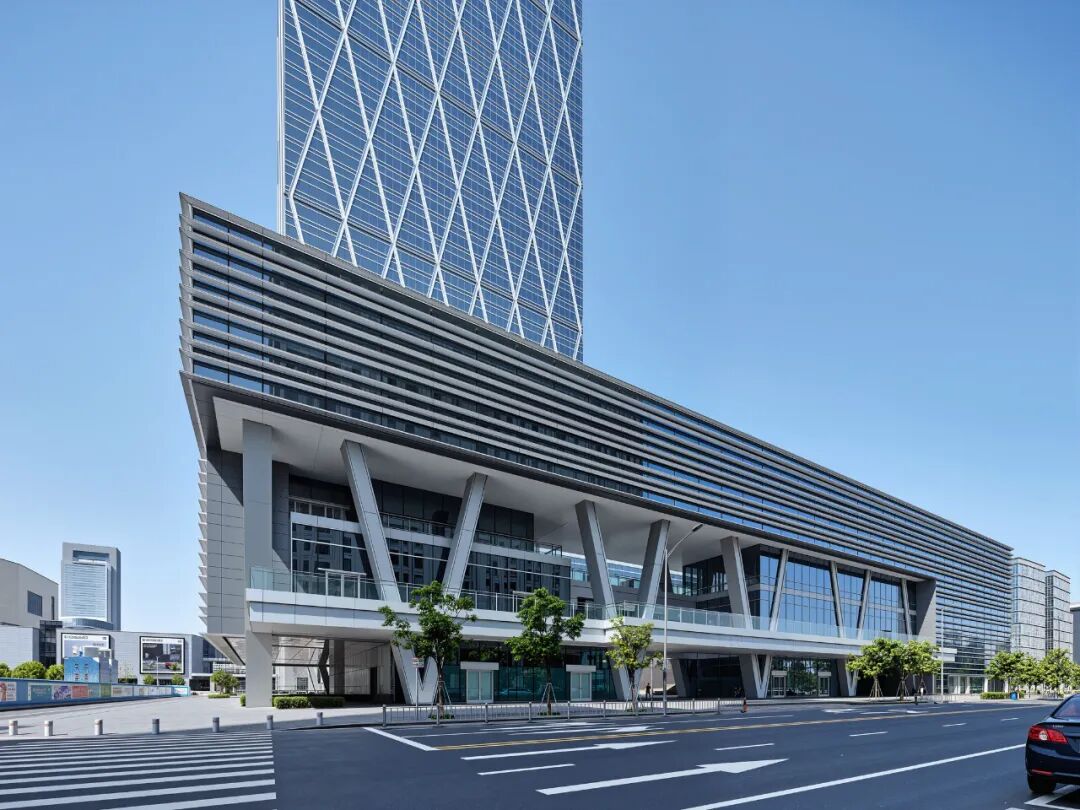
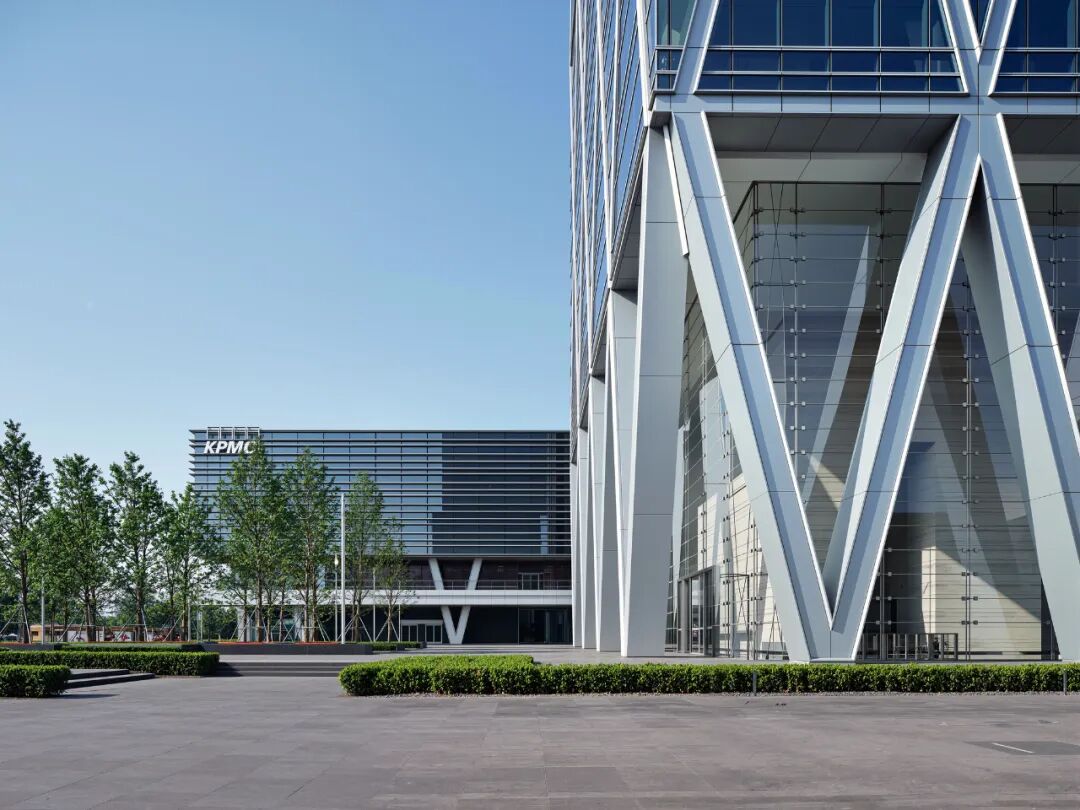
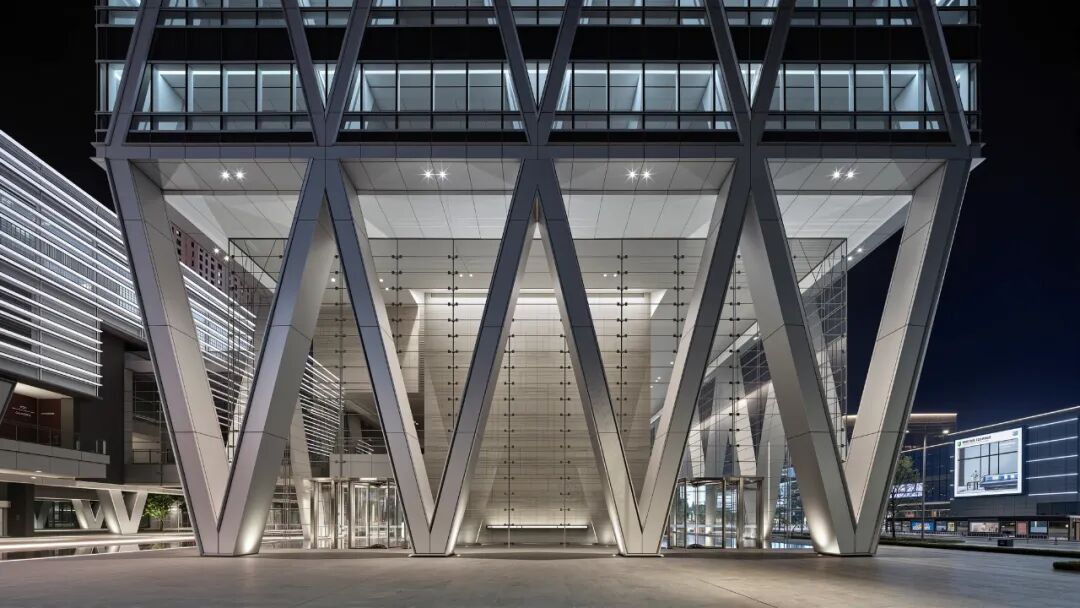
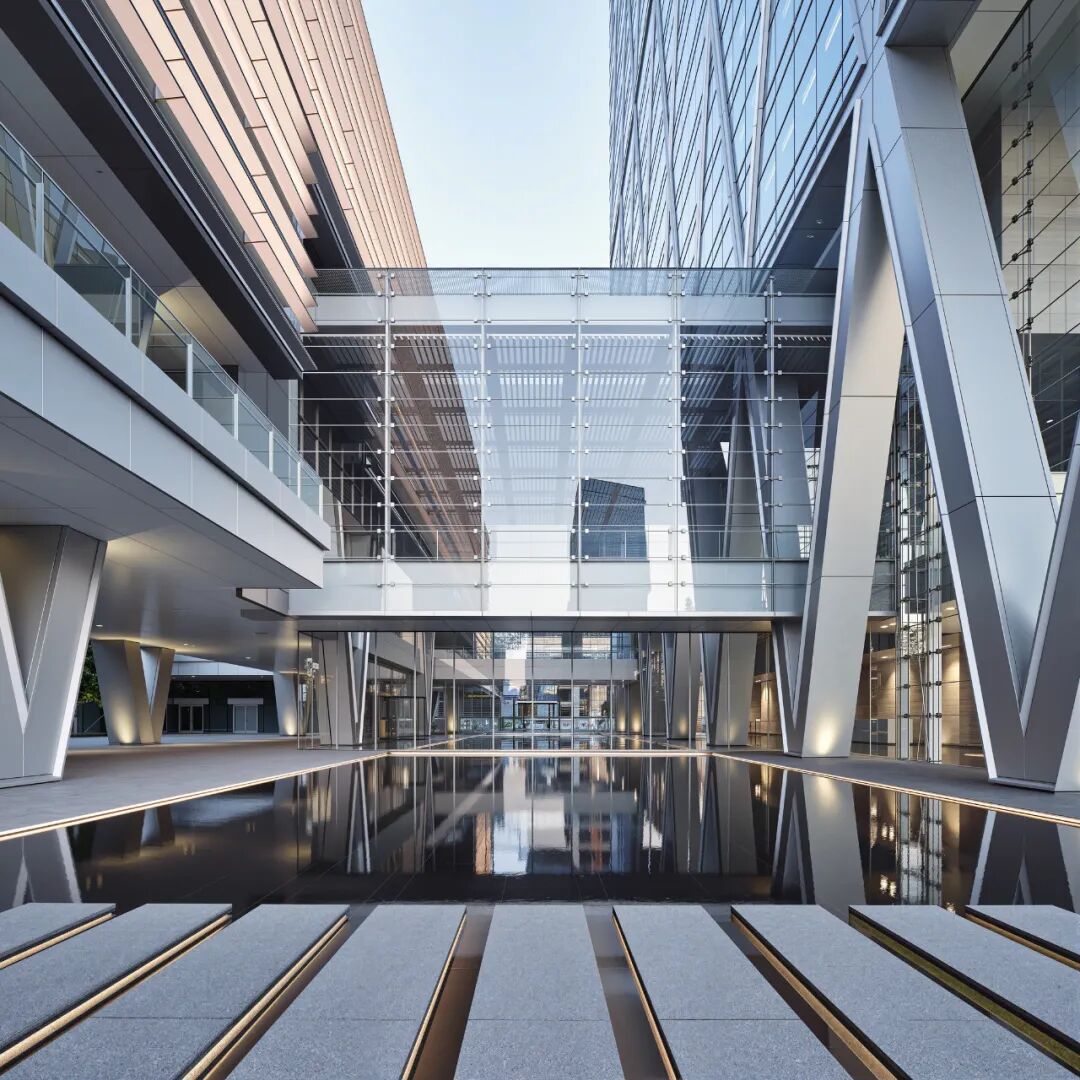
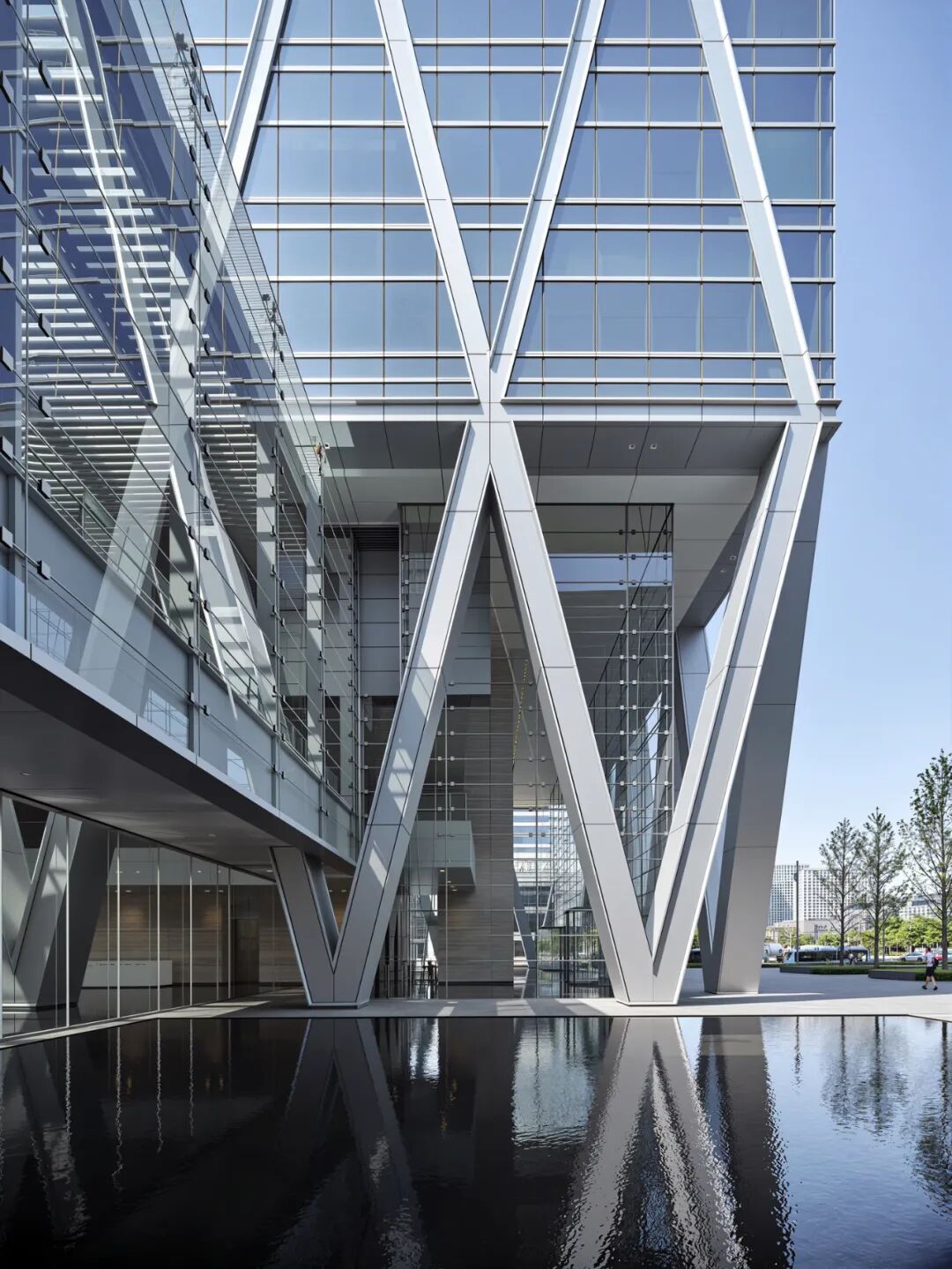
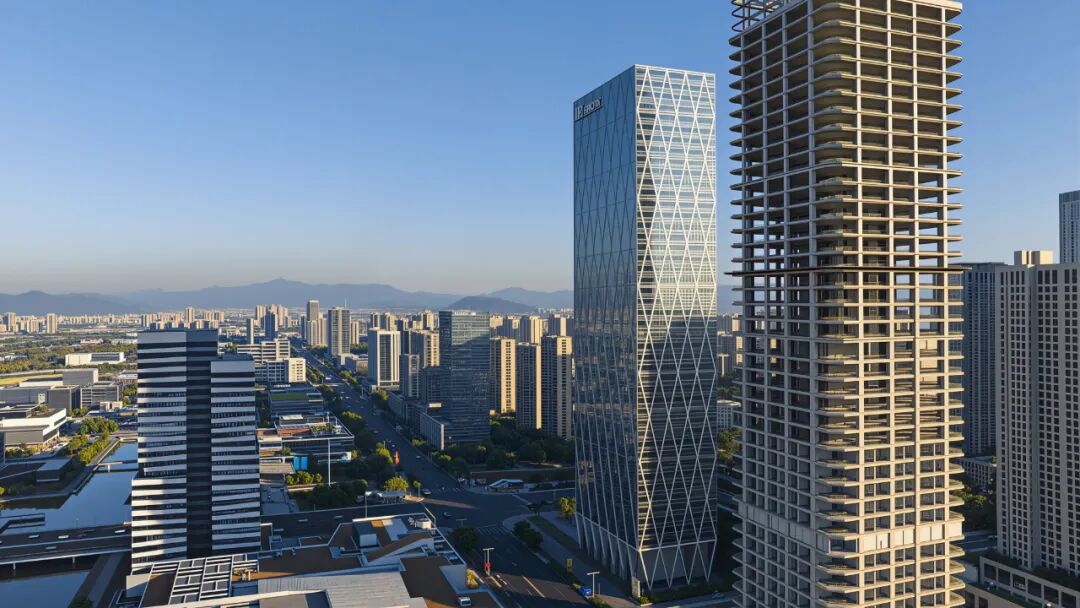
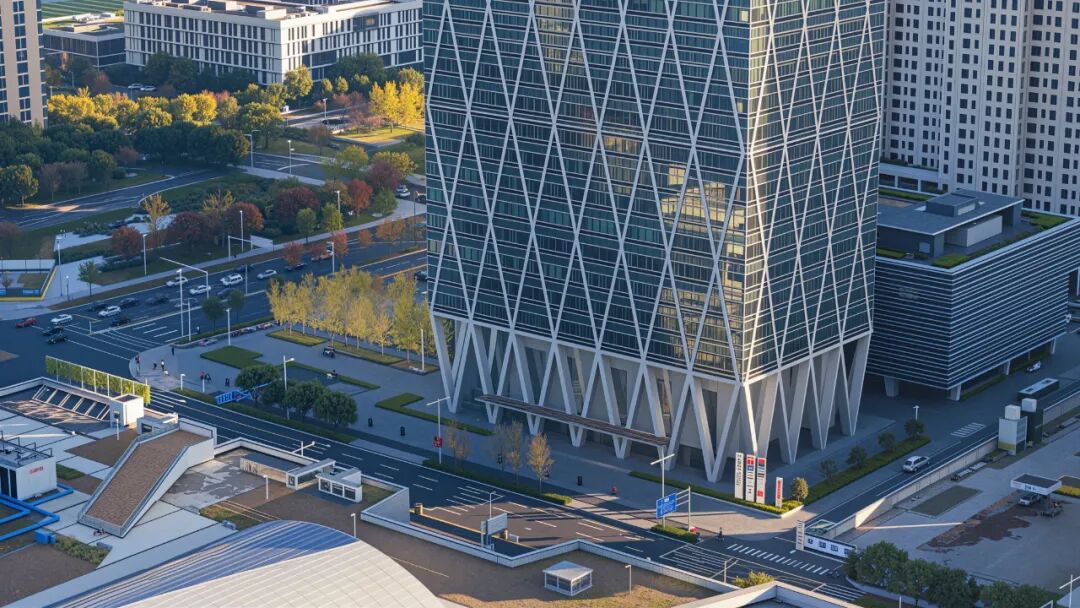
01 Super High-rise Commercial Landmark of East Zhejiang New City
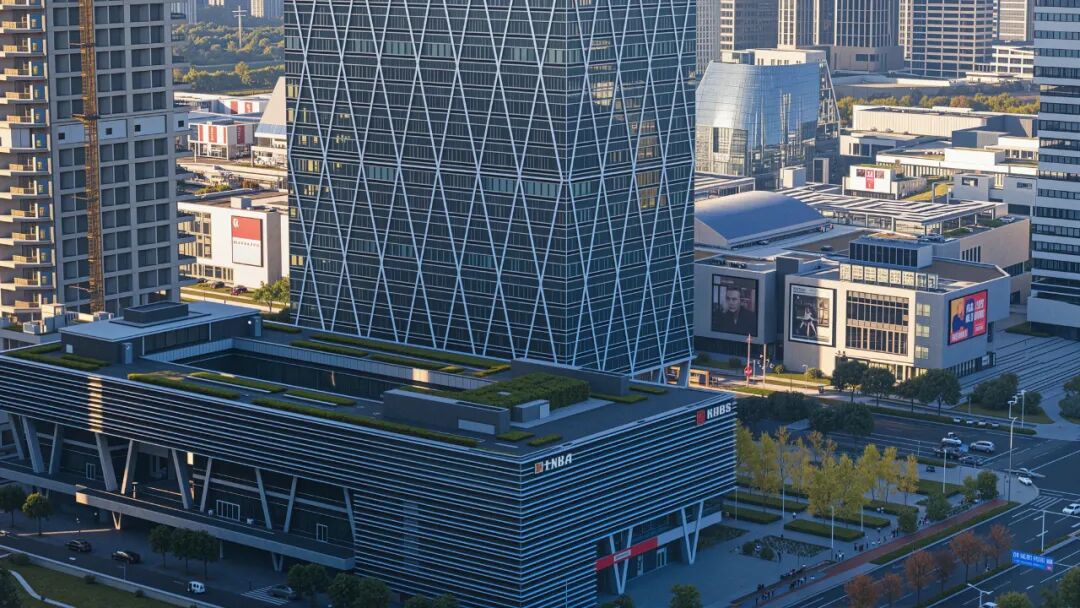
The Ningbo Guohua Financial Center is located at 1800 Zhongshan Road, Eastern New City, Yinzhou District, Ningbo, Zhejiang Province, in the core business district of the Eastern New City, serving as an important carrier for regional commercial office functions. The total construction area of the project reaches 152,000 square meters, covering a super high-rise tower, a podium commercial area, and supporting public spaces. The design started in 2014 and officially began operation in 2020, completing the entire process from conceptual design to practical use in six years.
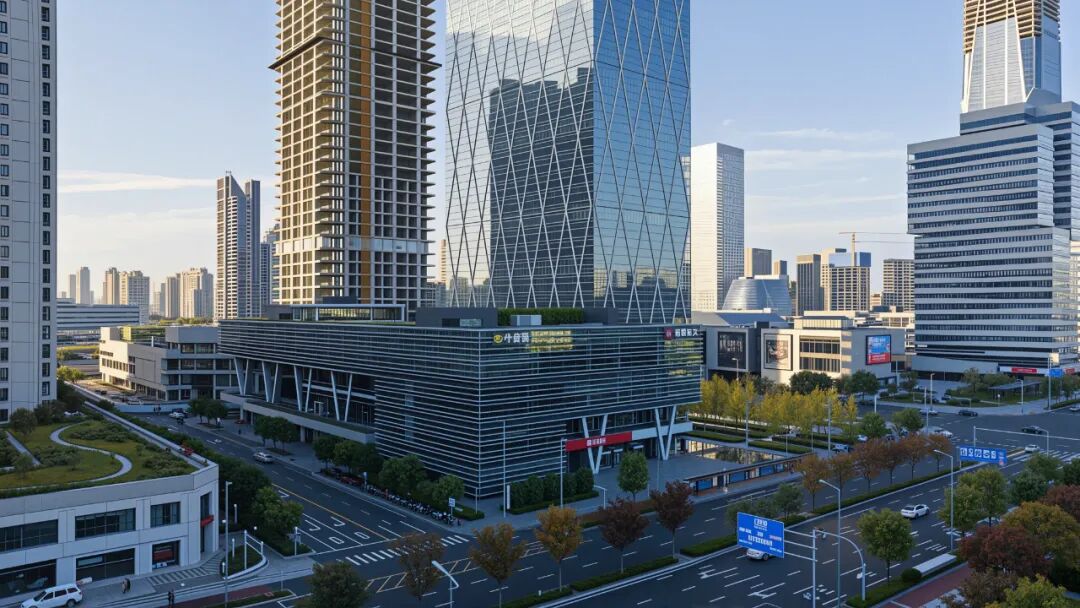
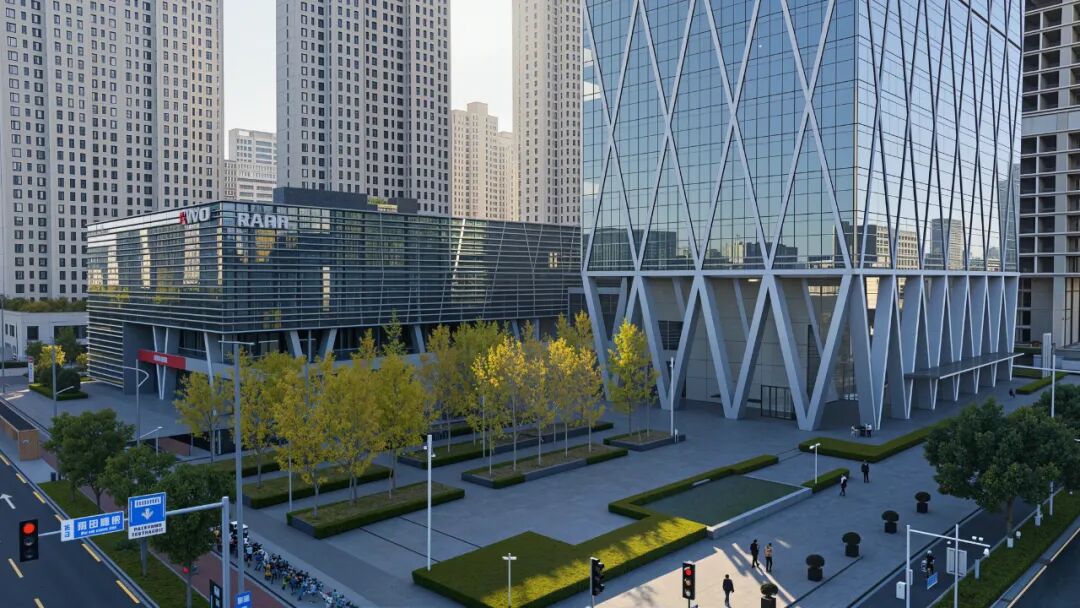
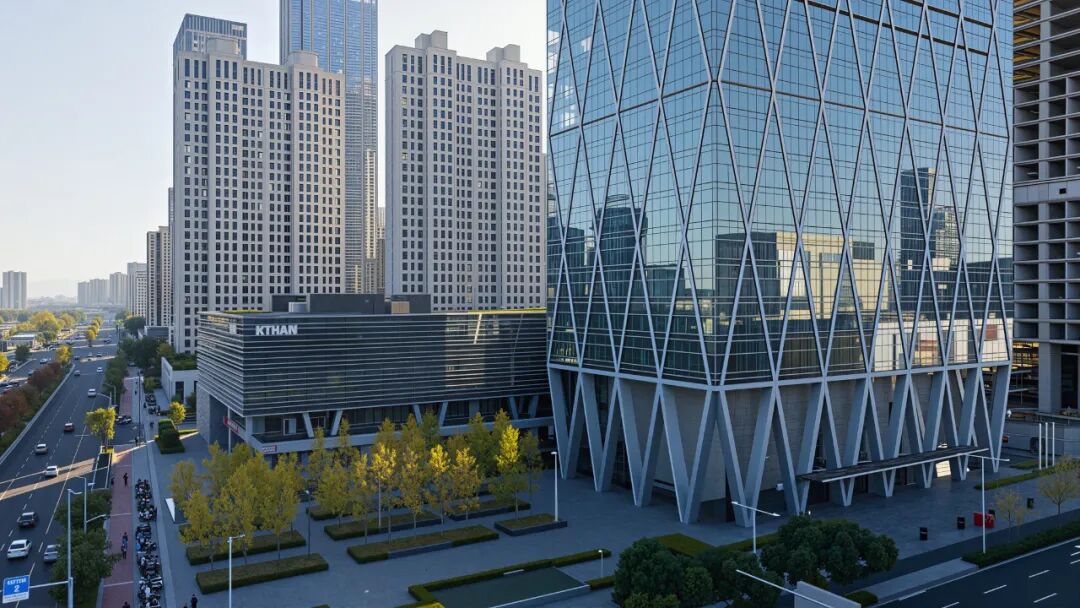
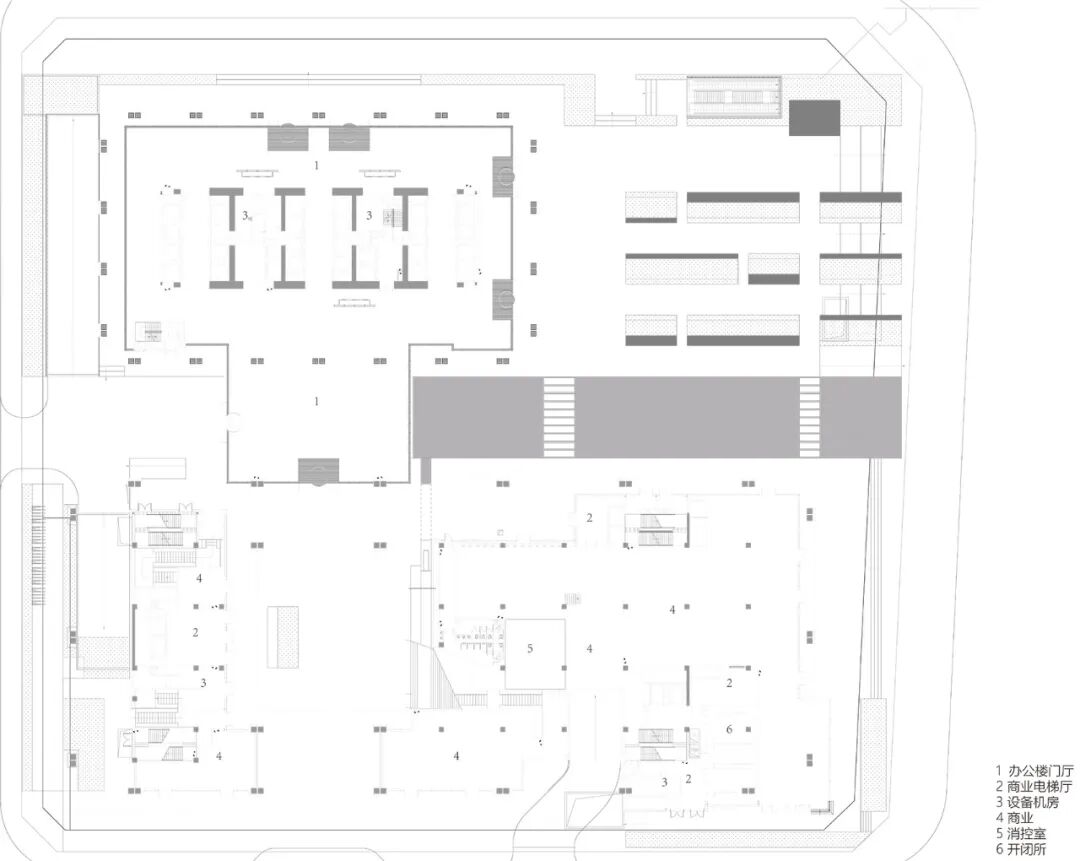
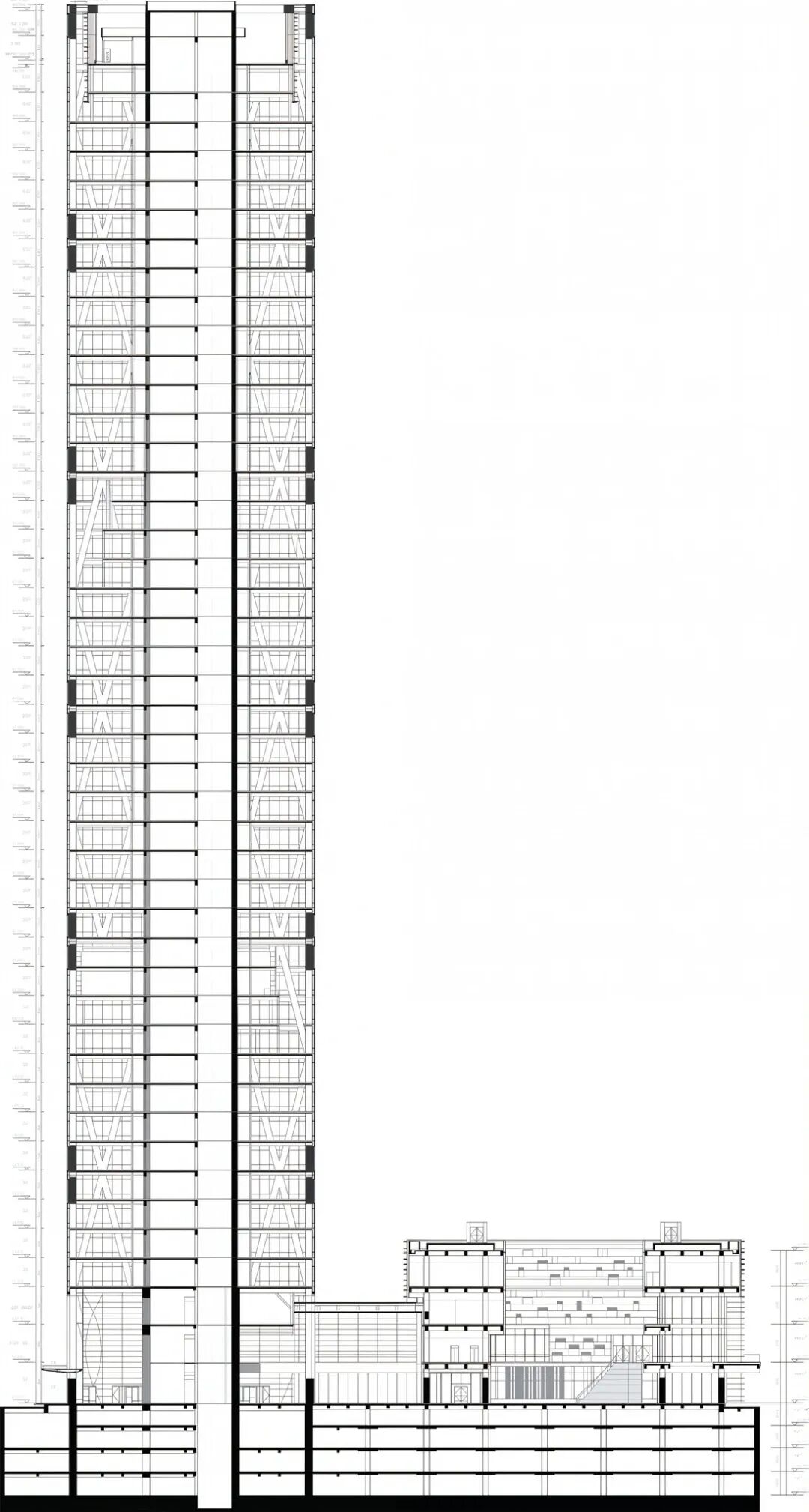
From a functional perspective, the project focuses on “high-end office + supporting commercial” as its core. The tower mainly serves office functions, while the podium provides commercial space and public entrances, along with supporting entrance squares, mirror pools, and rooftop gardens, forming a multi-dimensional interaction of “architecture-landscape-city.” As a key node building in Ningbo’s Eastern New City, the project not only fills the gap in high-end commercial office space in the region but also enhances the continuity of urban texture through its open public space design, becoming a “linking building” that connects surrounding plots.
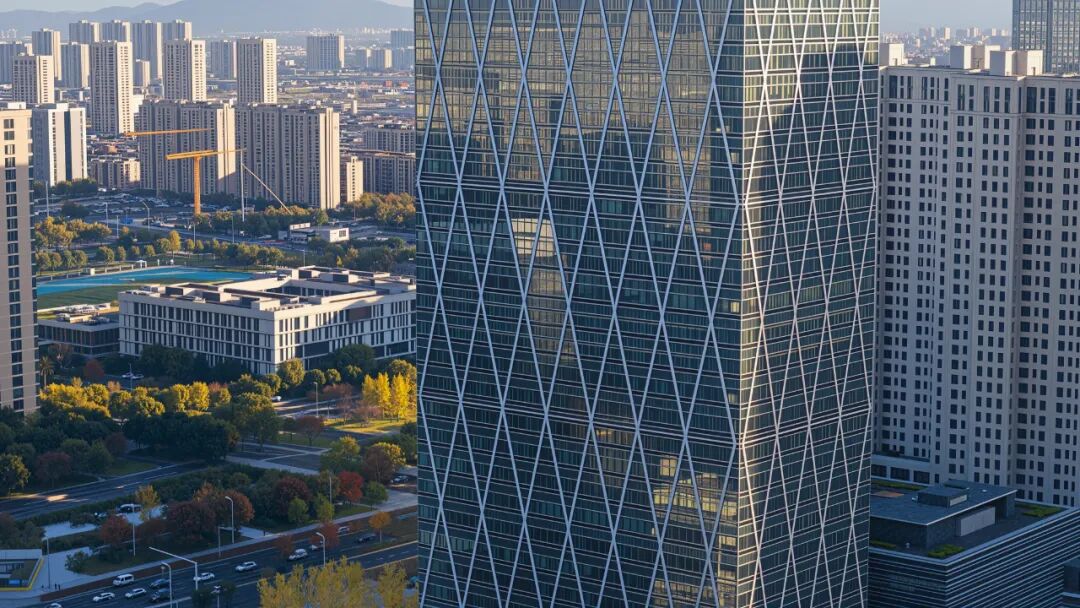
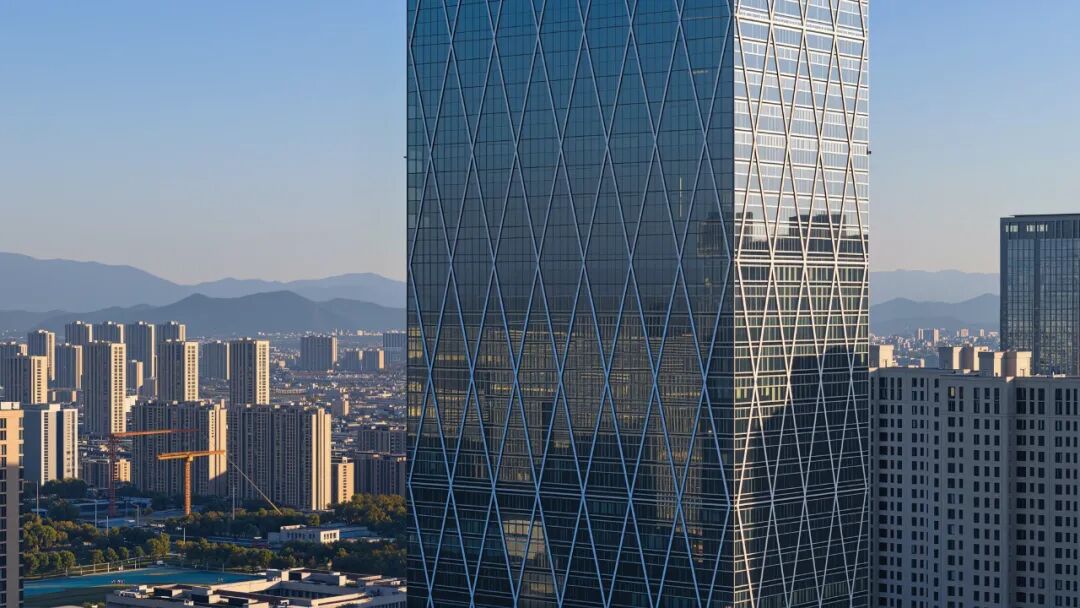
02 Deep Collaboration of International Vision and Local Experience
The design team of the Ningbo Guohua Financial Center consists of “international leadership + local deepening,” introducing innovative concepts from top global architectural firms while relying on local teams’ familiarity with regional climate and construction techniques to ensure the feasibility and practicality of the design scheme. The specific team composition is as follows:
1、International Partner: Skidmore, Owings & Merrill (SOM)
SOM, a globally renowned architectural firm, specializes in super high-rise buildings and sustainable design. In this project, they lead the architectural conceptual design, structural system innovation, and facade aesthetics control. The lead designer from SOM is Michael Duncan, with core team members covering various fields such as architecture and structure, including Lucy Ling, Sean Ragasa, Keith Boswell, and the structural team led by Mark Sarkisian, John Gordon, Neville Mathias, and Xiaoyu He, responsible for the technical research and analysis of the composite cross-braced structure.
2、Local Design Partner: Zhejiang Institute of Architectural Design (ZIAD)
As the local collaborator for the project, ZIAD is responsible for design deepening, construction drawing design, and on-site technical guidance, ensuring that the scheme complies with Chinese building codes and Ningbo’s regional construction requirements. The project leader from ZIAD is Chen Zhiqing, with the architectural team including Luo Gaojun, Zhang Jianjun, Ren Zhou, and the structural team led by Yang Xuelin and Feng Yongwei, while the equipment team (electromechanical) is managed by Wang Xinyu and Wang Hao, ensuring seamless connection between the international scheme and local implementation.
This “international + local + specialized” team structure not only avoids the issues of purely international schemes being “unsuitable” but also compensates for the limitations of local designs in innovative concepts, becoming a typical model for cross-regional collaboration in super high-rise projects.
03 Spatial Logic Centered on “Ecology + Efficiency”
The design concept of the Ningbo Guohua Financial Center revolves around “how to achieve a balance between ‘structural efficiency’ and ‘ecological sustainability’ in super high-rises,” with the core idea summarized as “three maximizations”:
1、Maximization of Structural Efficiency: Weakening the Core Tube to Release Internal Space
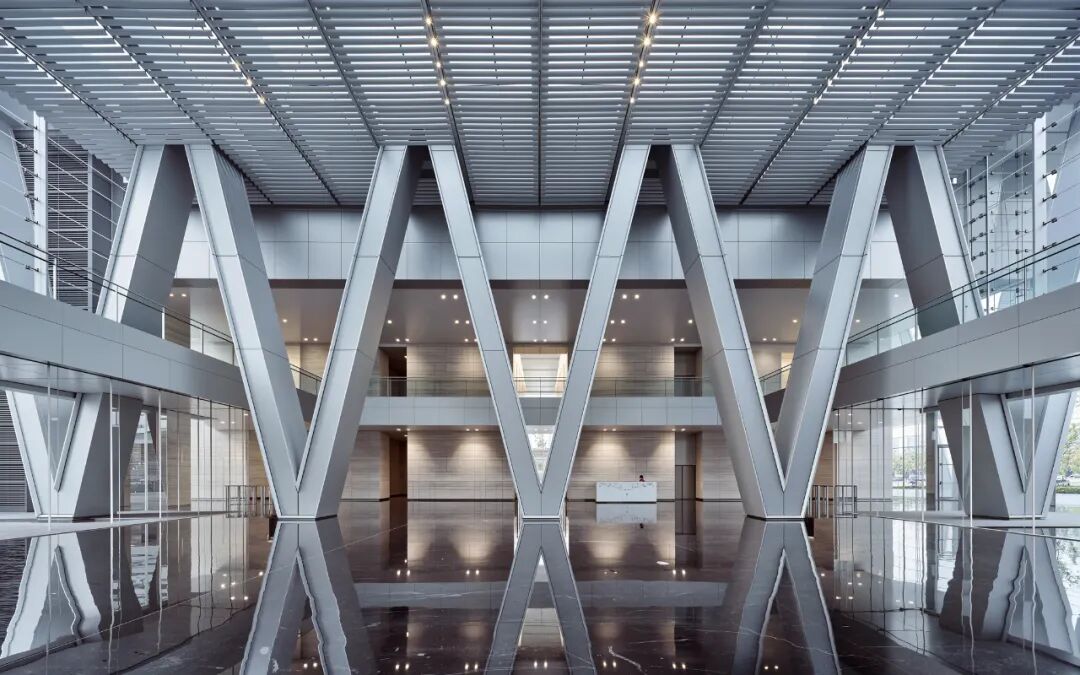
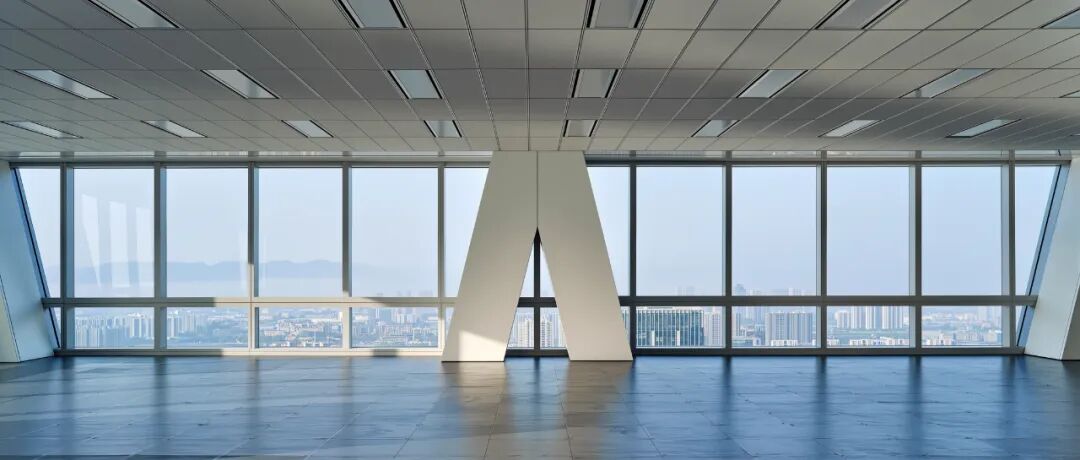
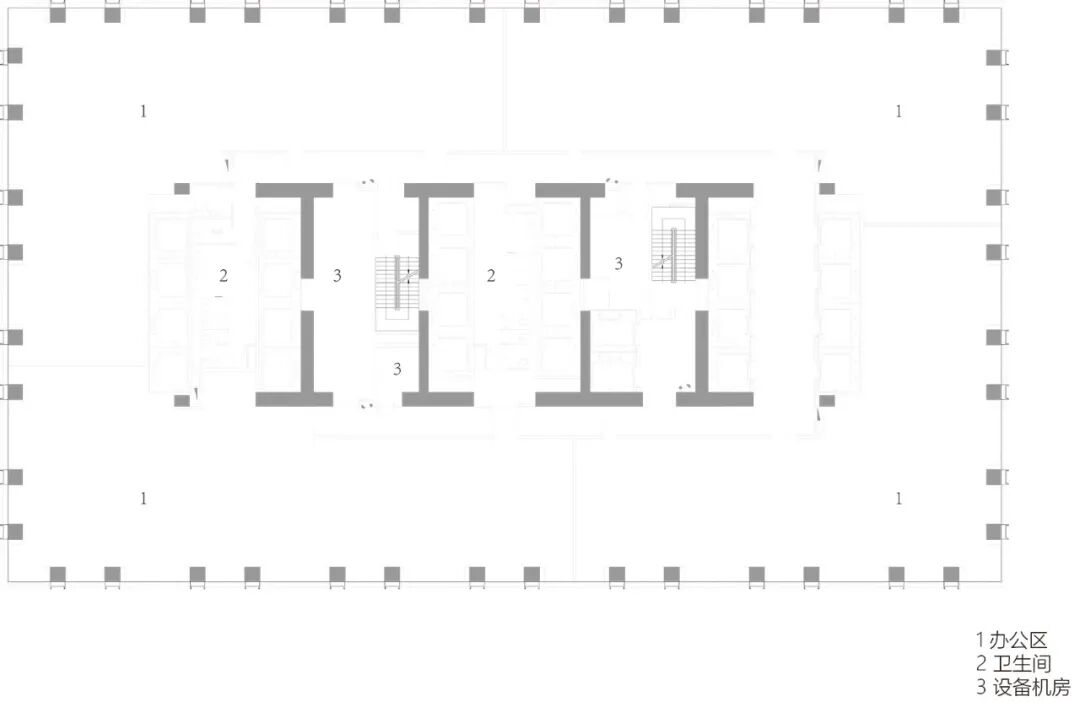
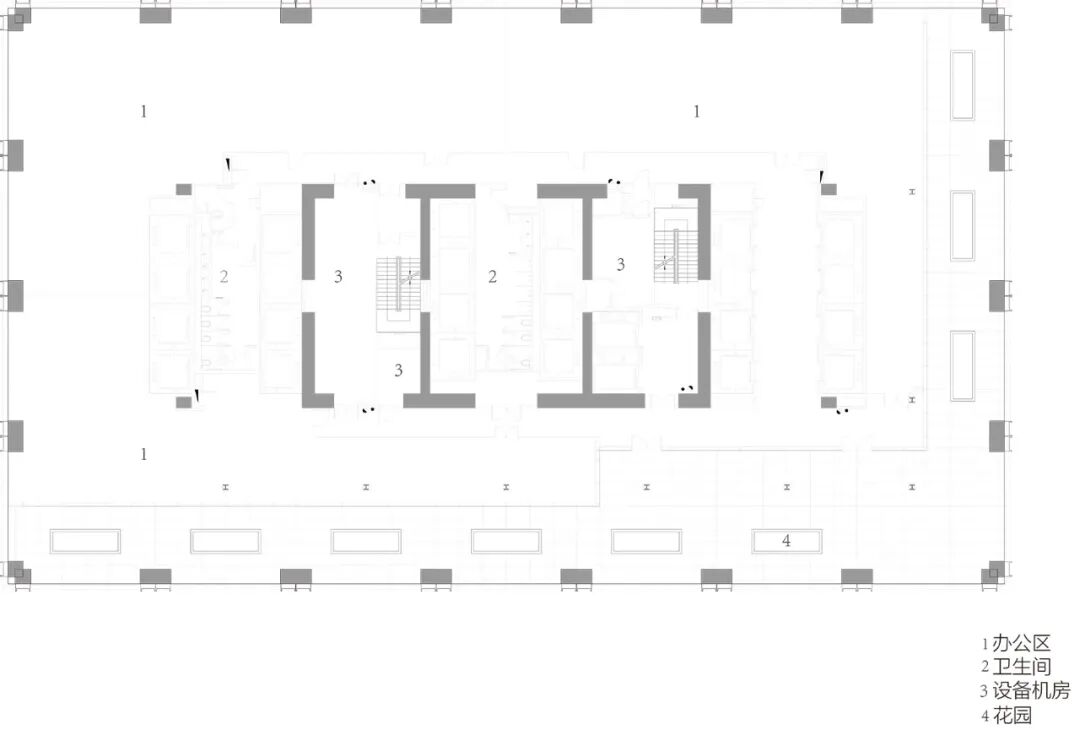
Traditional super high-rise buildings rely on robust core tubes to resist lateral forces (such as wind and seismic forces), which occupy a large amount of indoor space and affect the flexibility of office layouts. This project innovatively adopts a “composite cross-braced outer frame,” dispersing lateral forces to the building’s periphery through a diagonally crossed steel structure grid, significantly reducing reliance on the core tube—ultimately reducing the core tube size by more than 30%, and further optimizing it at the upper part of the tower, allowing for a “column-free” layout in the high-rise office area, increasing the space utilization rate of individual office units by 15%, meeting the needs of enterprises for flexible office spaces.
2、Maximization of Ecological Value: Visual Expression of Rainwater Recycling and Energy-saving Systems
The design team did not limit “green design” to the technical level but visualized ecological functions through landscaping, allowing users to intuitively feel the sustainable concept. Specifically, the rooftop garden and vertical surfaces of the podium form a rainwater recycling system: rainwater is first collected by the rooftop garden, purified through plant filters, and flows into the mirror pool at the entrance square along the vertical landscape surface, replenishing the pool while creating a “rainwater flow” landscape effect. This design not only reduces dependence on municipal water supply but also transforms “ecology” from an abstract concept into a perceptible spatial experience, aligning with the contemporary architectural trend of “ecological transparency.”
3、Maximization of Public Interaction: Breaking the Boundaries Between Architecture and City
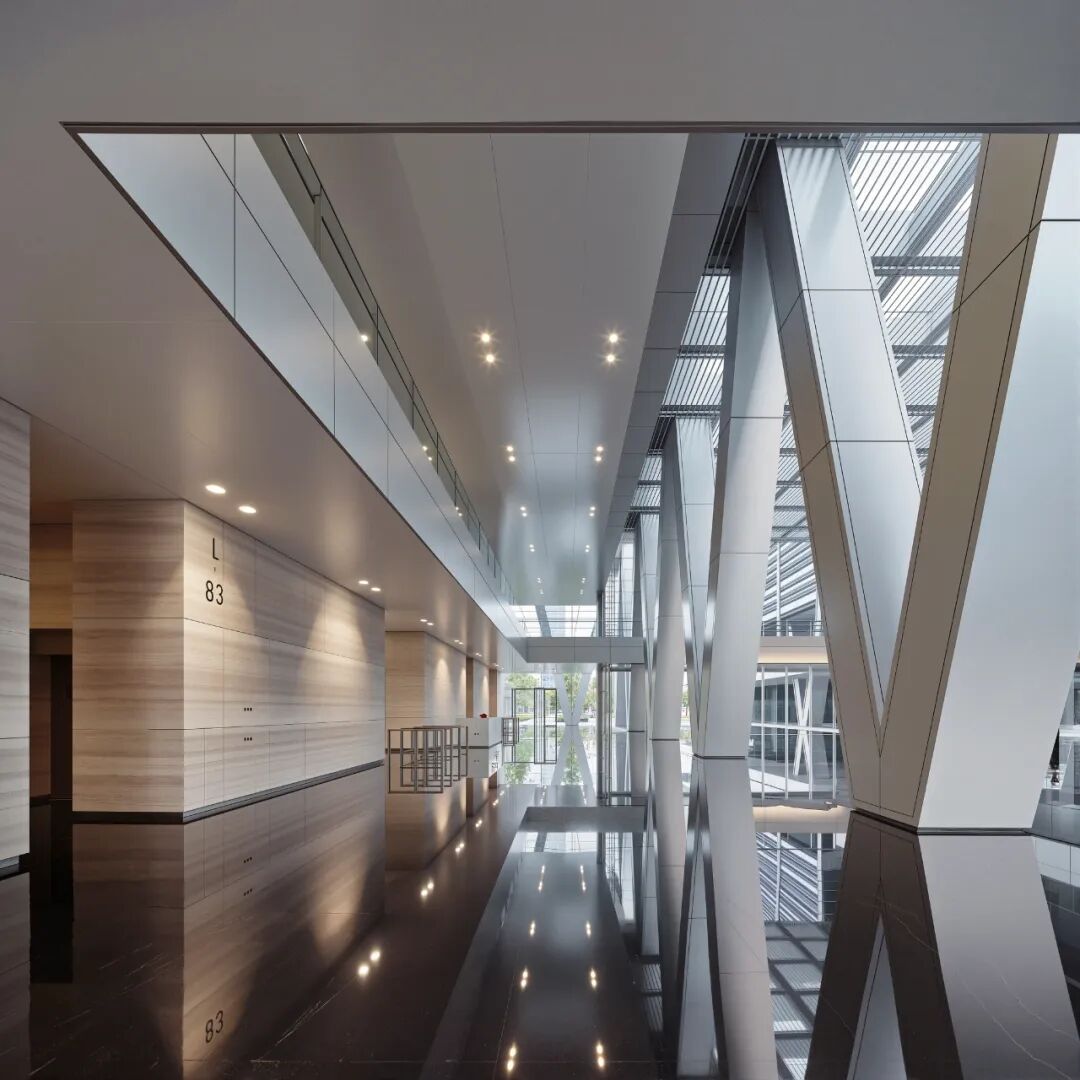
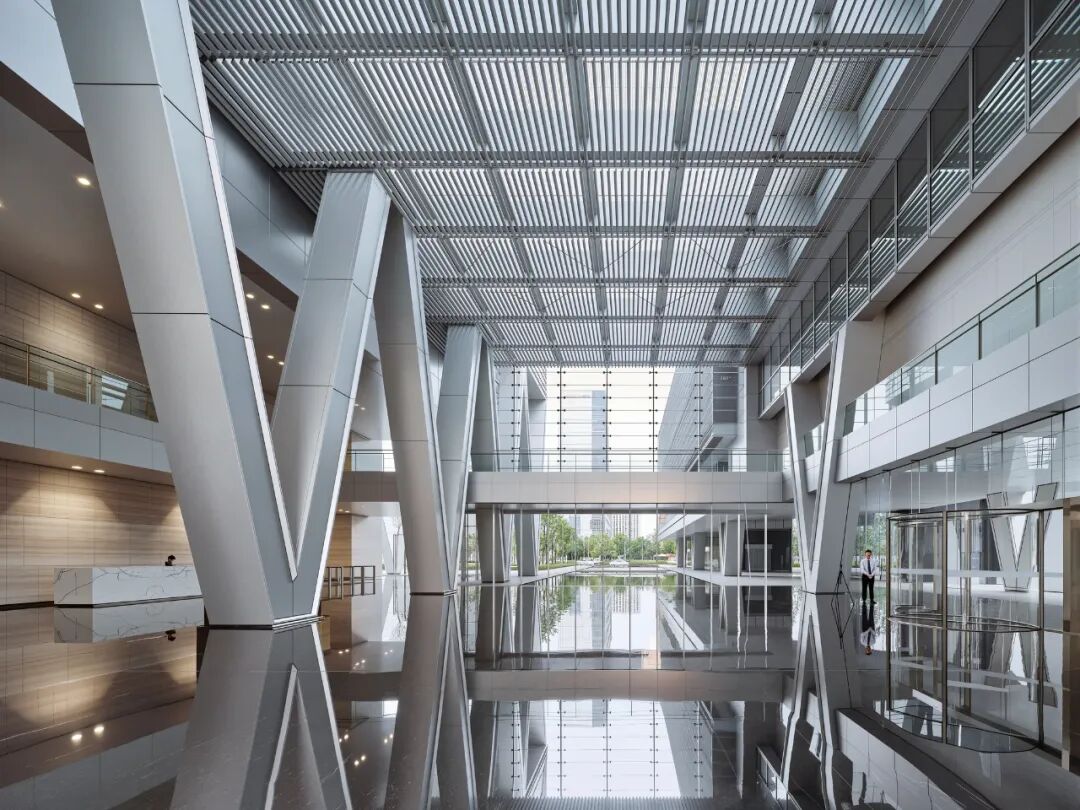
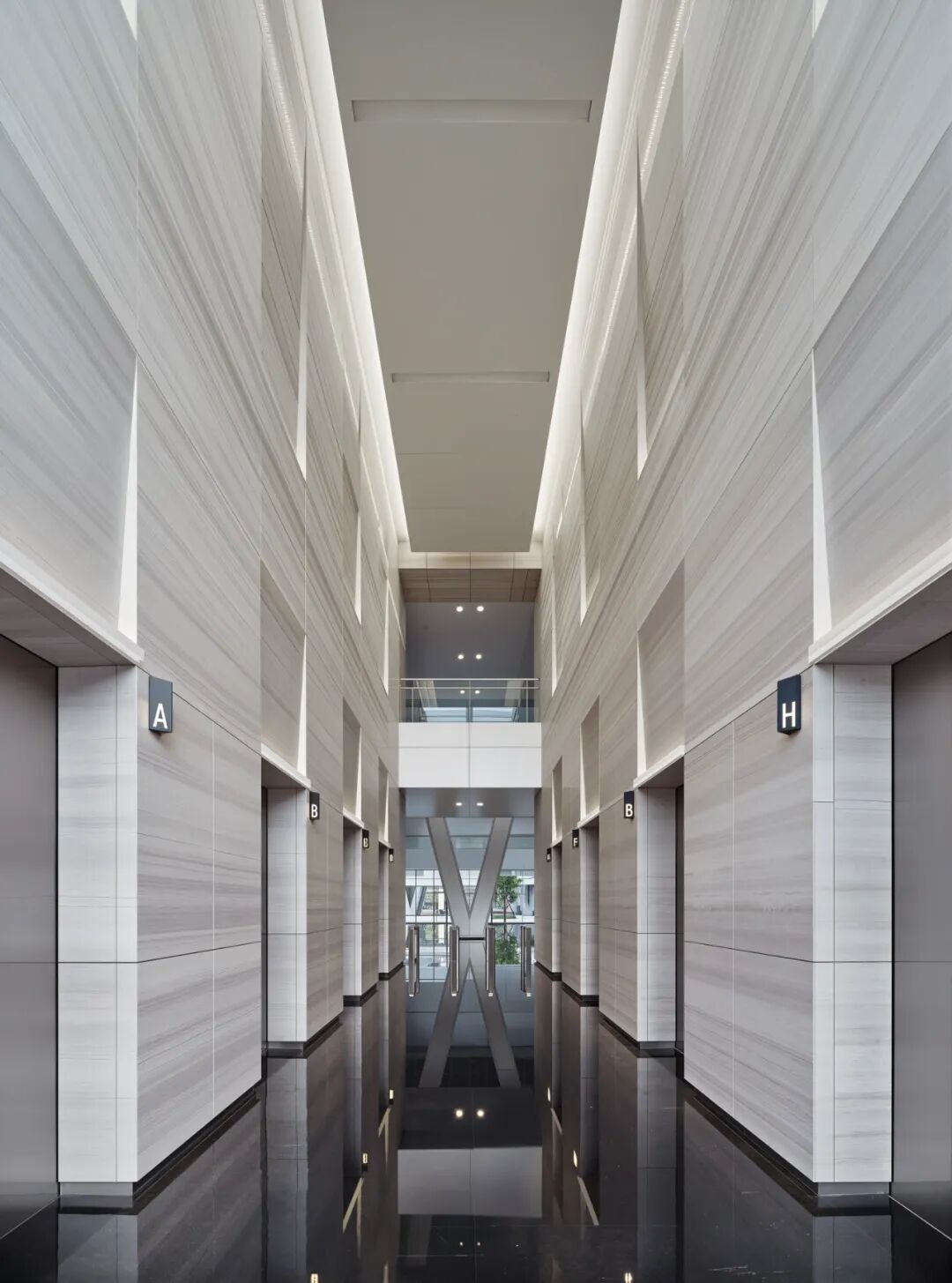
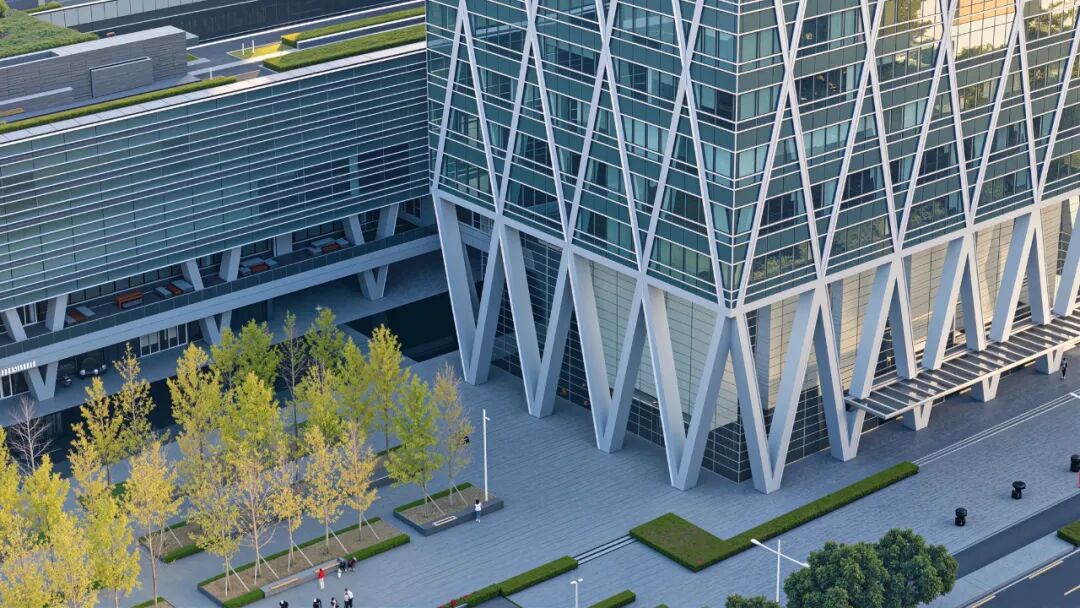
To avoid the drawbacks of super high-rise buildings being “closed and isolated,” the project enhances public interaction through multi-dimensional design: first, an open entrance square of approximately 800 square meters serves as an extension of urban public space; second, a four-story high entrance lobby is enclosed by a 17.2-meter high cable-stayed curtain wall, with high transparency glass allowing direct dialogue between indoor space and square landscape; third, the mirror pool is connected to the lobby, enhancing spatial transparency through water surface reflection while providing a comfortable environment for waiting and communication. This design transforms the building from an “isolated landmark” into a city node that citizens can enter and stay in.
04 Detail Quality in a Simple Form
The architectural aesthetics of the Ningbo Guohua Financial Center is based on “simplicity and restraint,” rejecting excessive decoration, and shaping a super high-rise image that combines strength and delicacy through the integration of structural form, facade texture, and spatial light and shadow.
1、Facade Aesthetics: Structure as Decoration
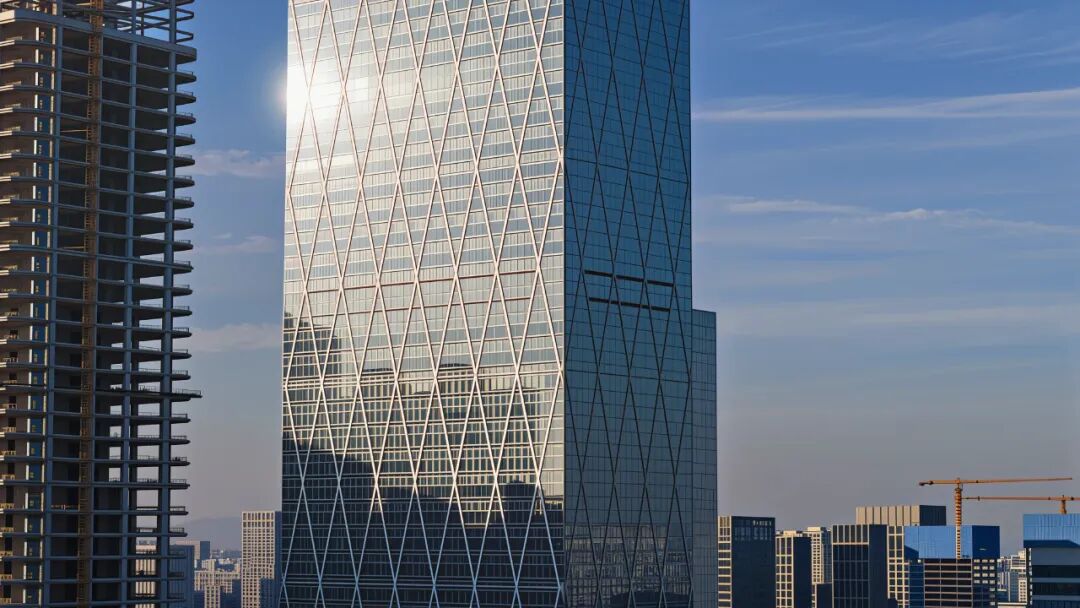
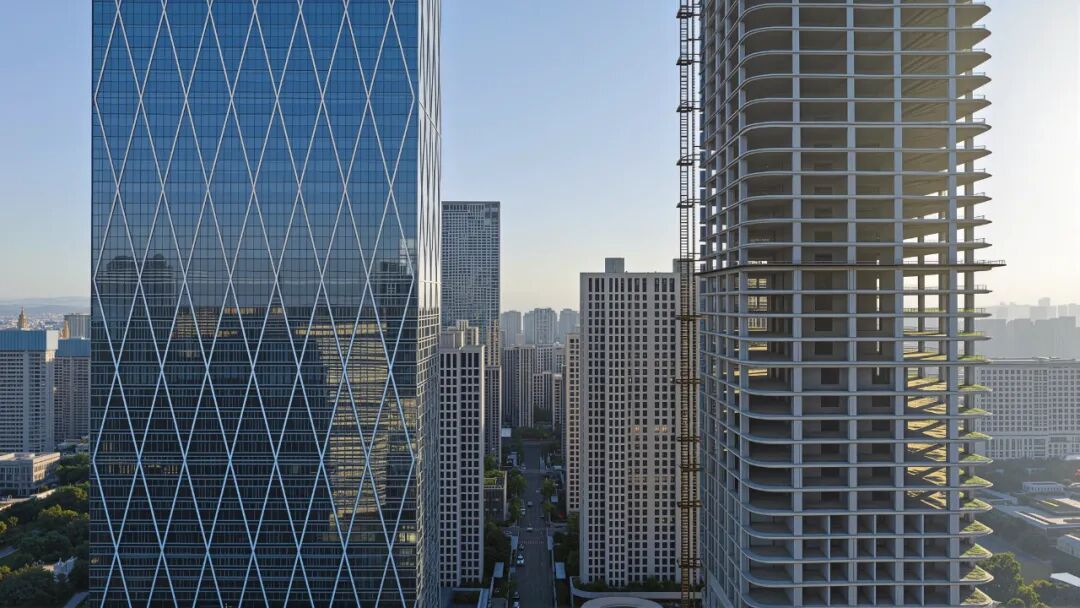
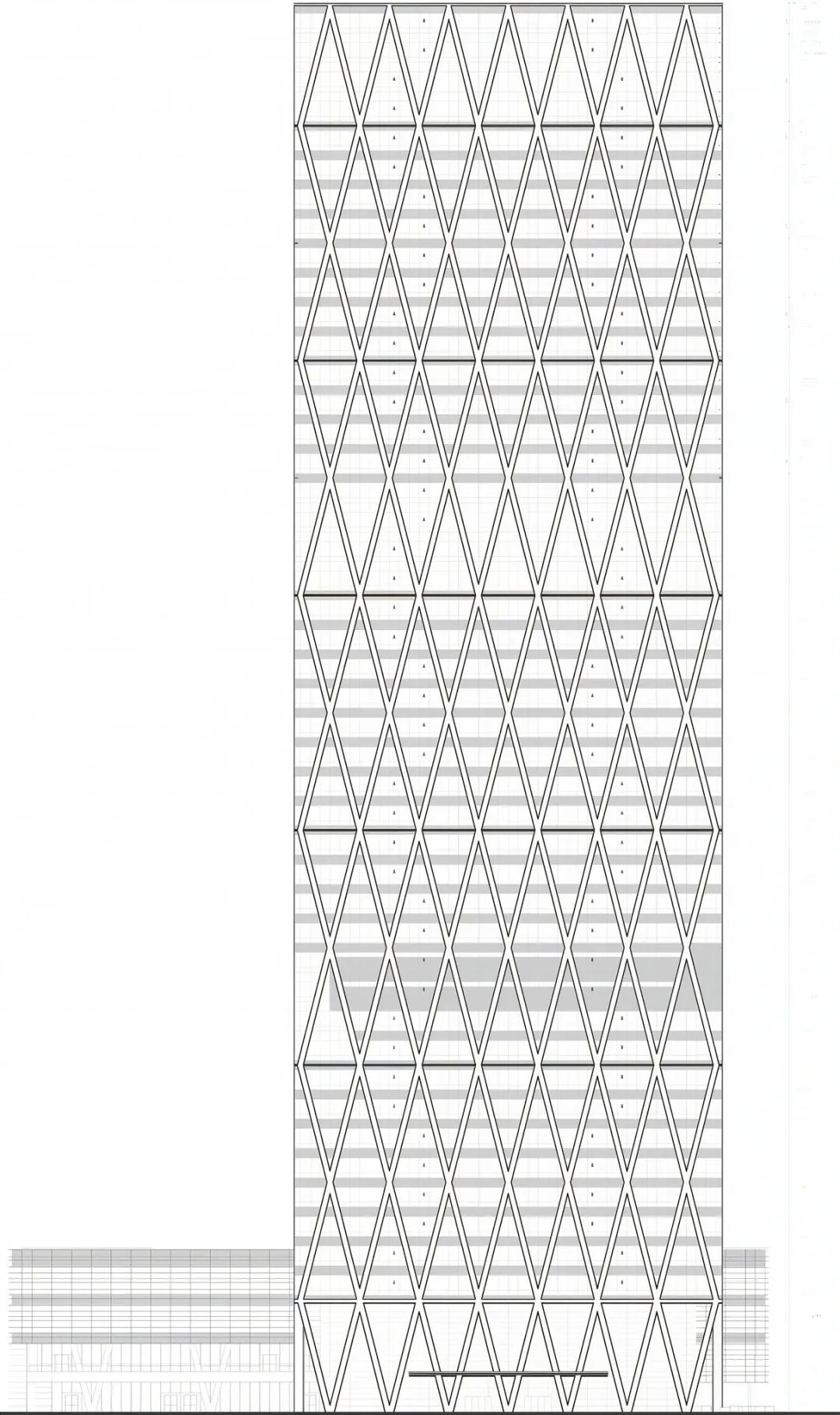
The core of the project’s facade is the “diagrid tubular structure,” which is not merely a technical component but becomes the core element of facade aesthetics: diagonally arranged steel structural members intersect at 45 degrees, evenly spaced, forming a rhythmic grid pattern; the members are coated in dark gray metal paint, contrasting with the light tones of the glass curtain wall, enhancing the verticality of the building. At the same time, the facade does not have excessive decoration, and the mechanical logic of the structure directly translates into visual beauty, aligning with the design philosophy of “modernist architecture.”
2、Facade System: Balancing Function and Texture
The project’s facade is divided into two types: tower facade and lobby facade, each with its focus:
- Tower facade: uses 2900mm×4300mm three-layer laminated hollow glass unit panels, filled with argon gas—the low thermal conductivity of argon reduces the facade’s heat transfer coefficient by 25%, significantly improving the building’s energy efficiency; the glass color is light gray, avoiding strong direct sunlight affecting indoor comfort while maintaining the transparency of the facade, allowing the building to present a “texture that changes with light” under different sunlight conditions.
- Lobby facade: uses three-layer laminated ultra-white glass and super-insulating coating, with the ultra-white glass having a light transmittance of 92%, far exceeding that of ordinary glass, combined with a cable-stayed support structure, allowing the 17.2-meter high lobby to be almost “unobstructed,” with complete visual continuity between indoor and outdoor; the insulating coating effectively reduces heat transfer, ensuring the lobby is warm in winter and cool in summer, balancing aesthetics and functionality.
3、Concealed Design of Technical Equipment: Aesthetic Control in Details
To maintain the simplicity of the building’s appearance, the project has meticulously designed the concealed design of technical equipment: equipment ducts and ventilation louvers are hidden within the facade, avoiding main entrances and public spaces; the position of the ventilation louvers has been repeatedly calculated, ultimately set in concealed areas such as the ceiling’s built-in duct, next to the stairs leading to the roof, and the side walls of the basement ramp; the main equipment louvers on the tower roof are concentrated in the refuge floor or roof machine room, while the cooling towers on the podium roof are moved to the tower roof—this design keeps the building’s form “clean and complete” from any angle, avoiding the issue of exposed equipment disrupting facade unity.
05 A Technical Model for Green Construction of Super High-rises
The technical breakthroughs of the Ningbo Guohua Financial Center mainly focus on two areas: “structural system” and “green technology,” with multiple technologies recognized by the industry, among which the “design analysis and key technology research of the super high-rise steel structure with cross-braced system” won the first prize in the Zhejiang Province Construction Science and Technology Awards in 2019.
1、Structural System Innovation: Technical Breakthrough of Composite Cross-bracing
Traditional cross-braced structures are mostly suitable for mid-rise and low-rise buildings, and their application in super high-rises faces challenges such as “complex member forces and difficult node construction.” This project addresses these challenges through three technological innovations:
- Optimization of steel selection: using Q390GJ high-strength structural steel, with a yield strength of 390MPa, which is 20% higher than ordinary steel, reducing member cross-section size and lowering structural weight;
- Node construction innovation: the cross-braced nodes use “cast steel nodes + bolt connections,” with strong integrity to withstand multi-directional stress, and bolt connections facilitating on-site installation and adjustment, solving the issues of “difficult processing and low installation accuracy” in super high-rise steel structure nodes;
- Mechanical analysis technology: using BIM technology and finite element analysis software to simulate the structural forces under extreme conditions such as strong winds and earthquakes, optimizing grid spacing and member angles, ultimately controlling lateral displacement within 80% of the allowable values in the standards, ensuring the safety and stability of the building.
2、Integration of Green Technology: From “Passive Energy Saving” to “Active Recycling”
The project’s green technology is not merely a collection of individual technologies but forms a complete system of “passive energy saving + active recycling”:
- Passive energy saving: in addition to the previously mentioned argon-filled glass and super-insulating coating, the building’s orientation has also been optimized—the main facade is oriented east-west, reducing the area of direct sunlight in summer; the office area uses a combination of “external windows + internal shading” to further reduce air conditioning energy consumption.
- Active recycling: in addition to the rainwater recycling system, the project also employs “waste heat recovery” technology—waste heat generated by the air conditioning system is recovered for the hot water system, meeting the hot water needs of the office area; each floor of the tower is equipped with a fresh air system, designed for a fresh air volume of 30m³/h per person, and automatically adjusts the fresh air volume through CO₂ concentration sensors, ensuring indoor air quality while avoiding energy waste.
The integrated application of these technologies has reduced the energy consumption of the project by 20% compared to similar super high-rise buildings, with a water resource recycling rate of 30%, making it a “technical benchmark” for super high-rise green buildings in Zhejiang Province.
06 Contemporary Interpretation of East Zhejiang Architectural Spirit
The value of the Ningbo Guohua Financial Center lies not only in its technological and aesthetic innovations but also in its interpretation of the cultural heritage of East Zhejiang and its role in promoting urban development.
1、Cultural Symbol: Architectural Expression of East Zhejiang’s “Pragmatic and Simple” Spirit
The culture of East Zhejiang has always emphasized “pragmatism, simplicity, and effectiveness,” and this spirit is fully reflected in the project: the building does not adopt complex shapes or extravagant decorations but centers on “structure as beauty, functionality first”—the simplicity and rhythm of the cross-braced facade, the meticulous control of concealed equipment design, and the efficient and practical spatial layout all echo the characteristics of East Zhejiang culture that “does not value extravagance but emphasizes essence.” At the same time, the project’s rainwater recycling system and ecological landscape design resonate with Ningbo’s regional characteristics as a “water town in Jiangnan,” creating an emotional connection between modern super high-rises and regional culture.
2、Social Impact: Promoting Urban Function Upgrading and Industry Development
From an urban perspective, the project, as a landmark building in the core area of the Eastern New City, has driven the improvement of surrounding commercial and transportation facilities—two new bus routes and one subway entrance have been added within 3 kilometers of the project, and the commercial supporting area has increased by 50,000 square meters, directly promoting the enhancement of regional value; from an industry perspective, the project’s “international + local” collaboration model, cross-braced structure technology, and integrated green technology experience provide a reference for subsequent super high-rise projects in Ningbo and even Zhejiang Province, especially providing practical cases for “local teams collaborating with international firms” and “combining technological innovation with regional culture,” promoting technological upgrades and conceptual updates in the local construction industry.
In addition, the project’s open public space also provides new activity venues for citizens—the entrance square hosts more than ten public welfare activities annually, and the mirror pool and rooftop garden have become “urban attractions” for citizens to take photos, transforming super high-rise buildings from “exclusive to elites” into “shared by all,” enhancing the sense of belonging and happiness among urban residents.
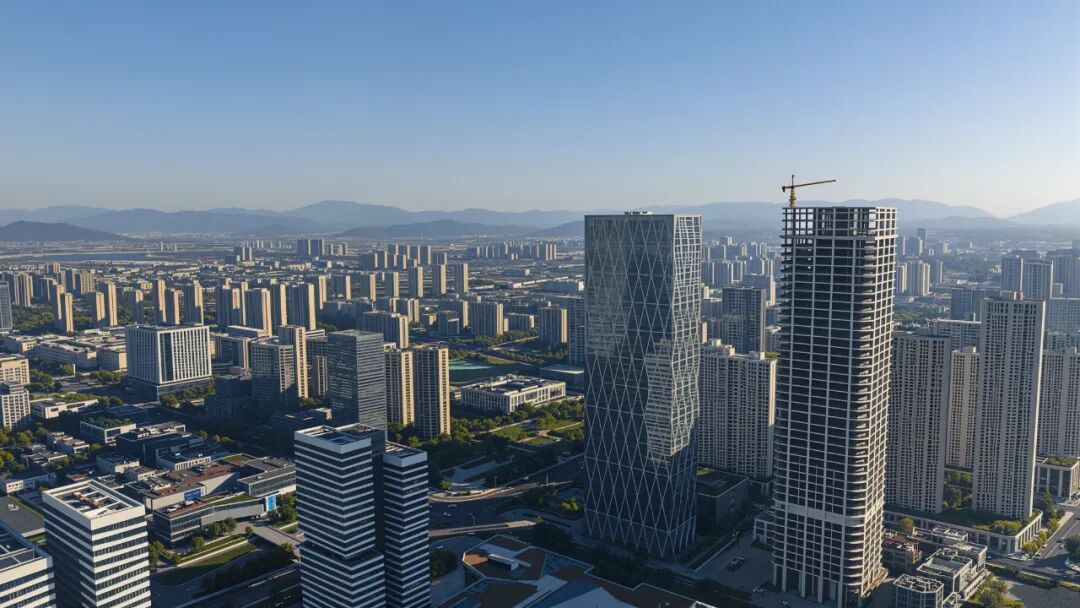
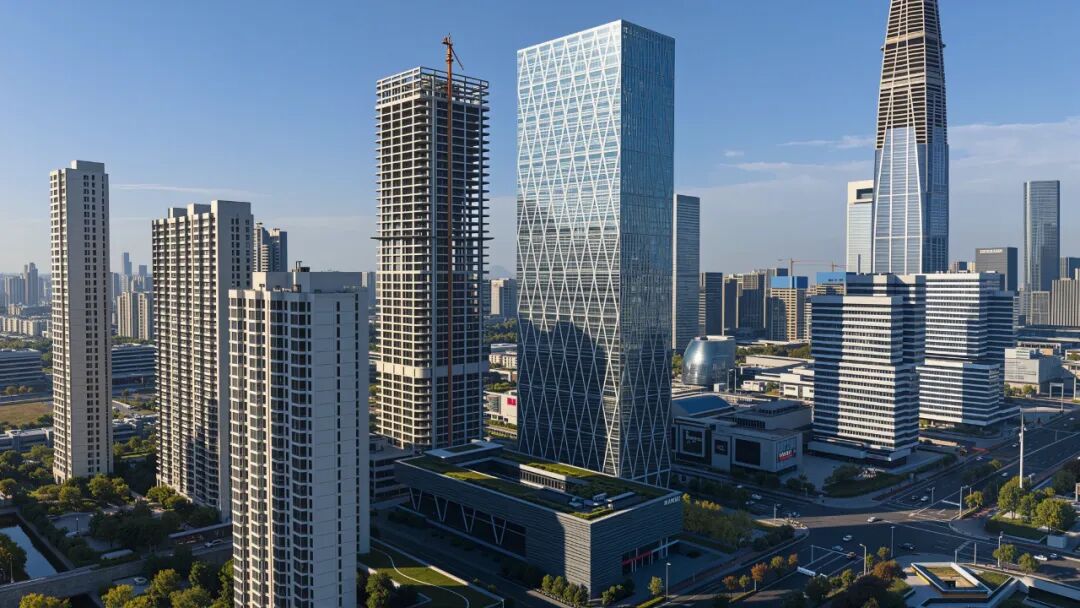
The Ningbo Guohua Financial Center, with “structural innovation as its backbone, green design as its soul, and regional culture as its rhythm,” achieves a deep integration of technology, aesthetics, ecology, and culture within a space of 152,000 square meters. It is not only a super high-rise commercial building but also a model of “balancing efficiency and ecology, considering both international perspectives and local characteristics” in contemporary architectural design. For Ningbo, it is a “witness” to the rise of the Eastern New City; for the construction industry, it is an “explorer” of super high-rise green construction; and for citizens, it is an “urban living room” that is accessible and perceptible. In the future, such buildings will continue to inject vitality into urban development, provide innovative ideas for the construction industry, and become an important link connecting the past and the future, technology and humanity.
Project Drawings
[AI Wisdom – Architect]
Zaha Hadid’s work: China Energy Conservation and Environmental Protection Group Shanghai New Headquarters KPF’s work: Beijing CITIC Tower (China Zun)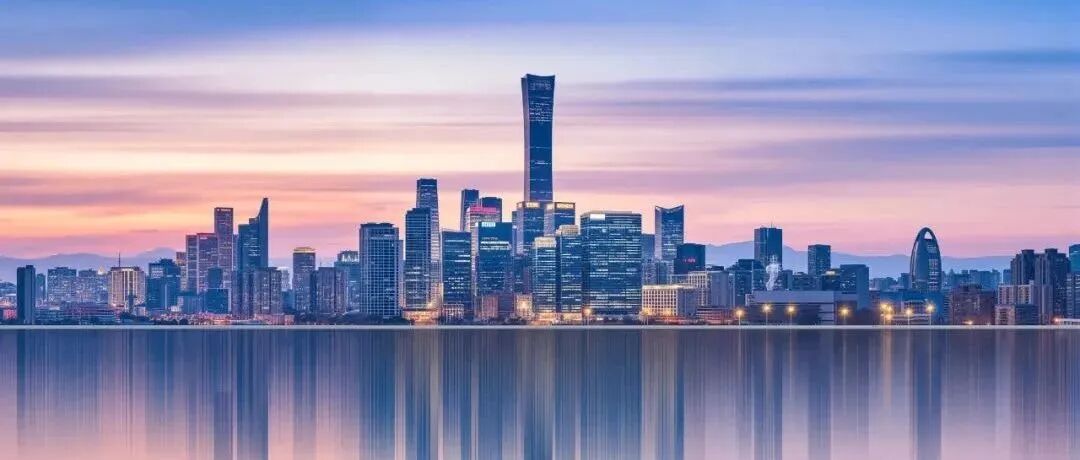
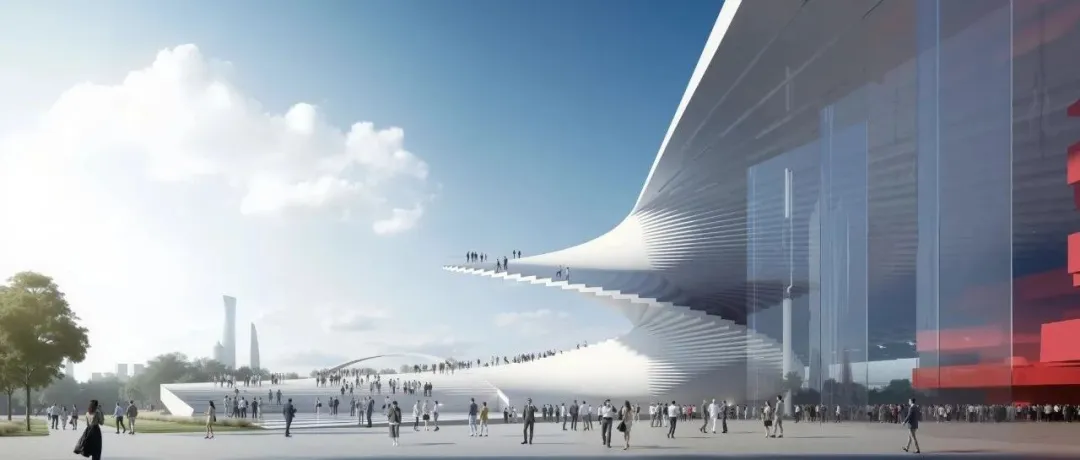
Top ten theaters under construction, each a cultural landmark of the city.
Top ten skyscrapers in China (under construction & completed): Refreshing the city skyline.